
Chinese Li Hua Mao (Dragon Li)
Chinese Li Hua Mao or Dragon Li, as they are also called, are very rare even in their native land. In most countries, only connoisseurs have heard of them, and there are no breeding grounds or kittens for sale. Perhaps in the near future, the situation will change in favor of these fluffy dragons, as interest in all things Chinese is constantly growing.
Content
History of origin
The cat breed with the colorful name of Li Huamao is better known in the West as the Dragon Li. The Chinese themselves don't use this name, but refer to their animals in their national spirit, which looks like 狸花猫. It's difficult to adequately translate the characters into Russian; literally, they mean "fox flower cat."
Residents of the Middle Kingdom believe that their Li Mao descended from the Chinese wildcat. This assertion is questioned by felinologists; the only certainty is that these animals appeared in China a very long time ago. The first official mention of similar cats dates back to the Tang Dynasty in the first century CE. Since mid-level officials were allowed to keep cats at that time, the animals quickly spread throughout the empire.
In 2004, the breed was first exhibited at a show in Beijing. Several specimens were also taken to the United States. Two years later, a breed standard was developed and adopted, and in 2010, the Li Hua Mao was registered with the CFA (Culture for the Breeding and Development of New Breeds Association).
Video review of the Dragon Li (Chinese Li Hua Mao) cat breed:
Appearance
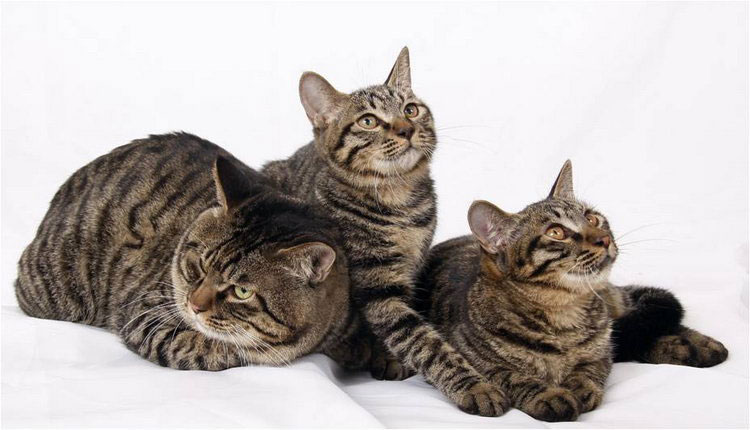
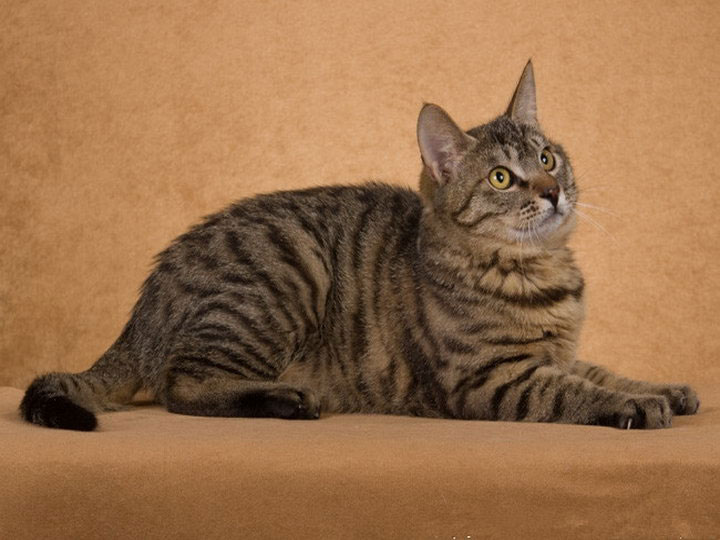
The Chinese Dragon is a strong, well-built large cat. Males weigh 4.5 to 6 kg, while females weigh 3 to 4 kg.
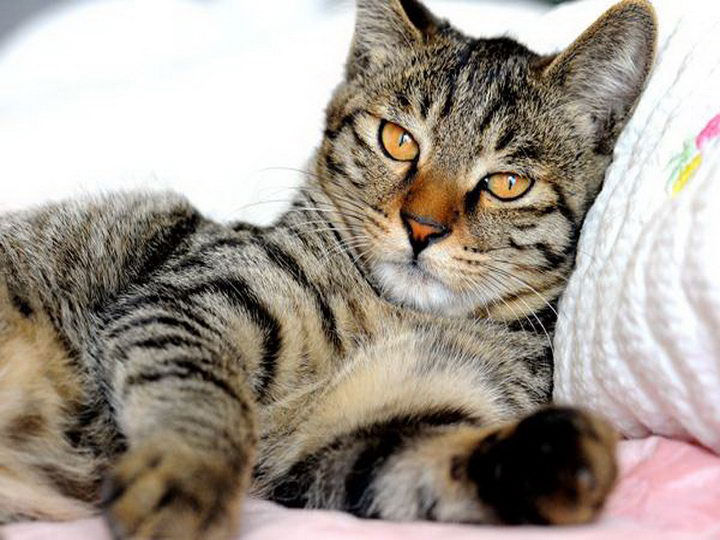
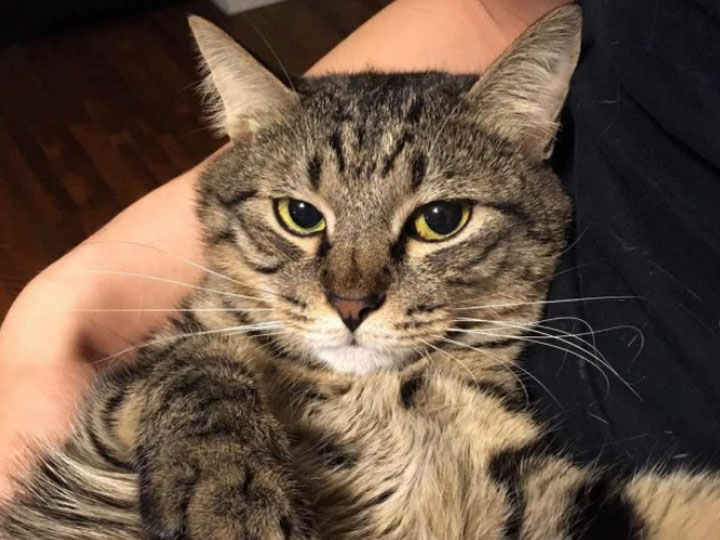
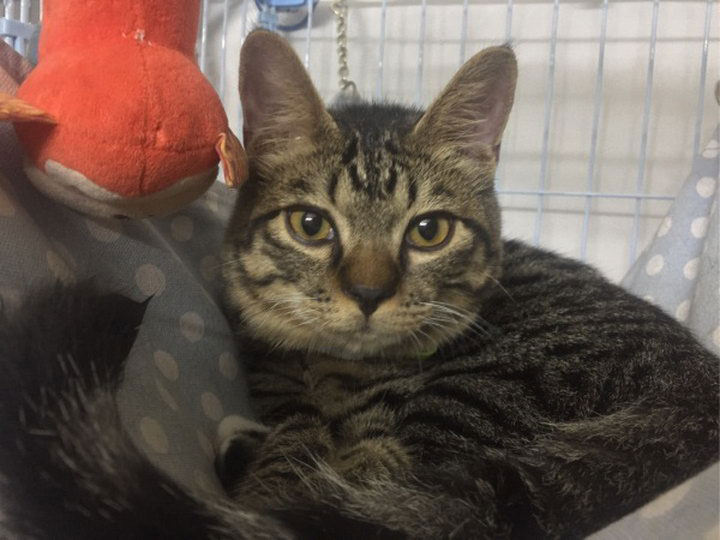
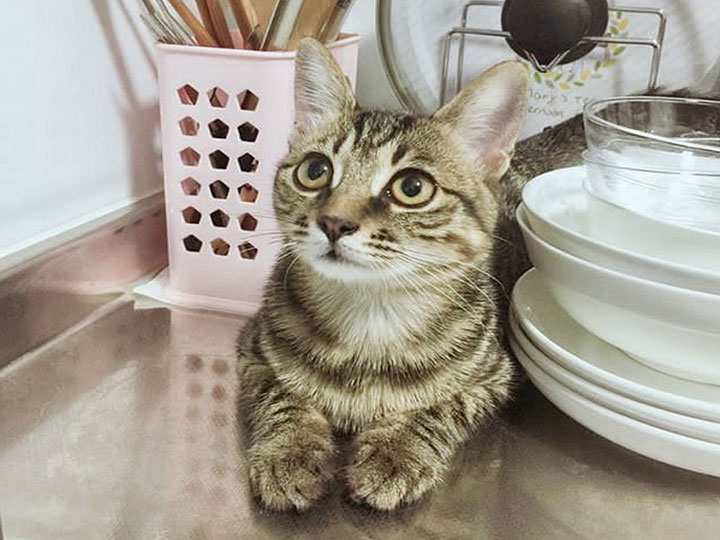
The head is rounded, with prominent cheeks, large ears, and a wide base. The eyes are large and almond-shaped; yellow is preferred; green is acceptable but not highly prized. The nose is dark brown or black. The width of the nose corresponds to the size of the eye. The chin is well developed and flat. The body is compact. The chest is strong, wide, and deep. The neck is relatively short and thick. The muscles are very well developed, the legs and tail are of medium length, proportionate to the size of the body.
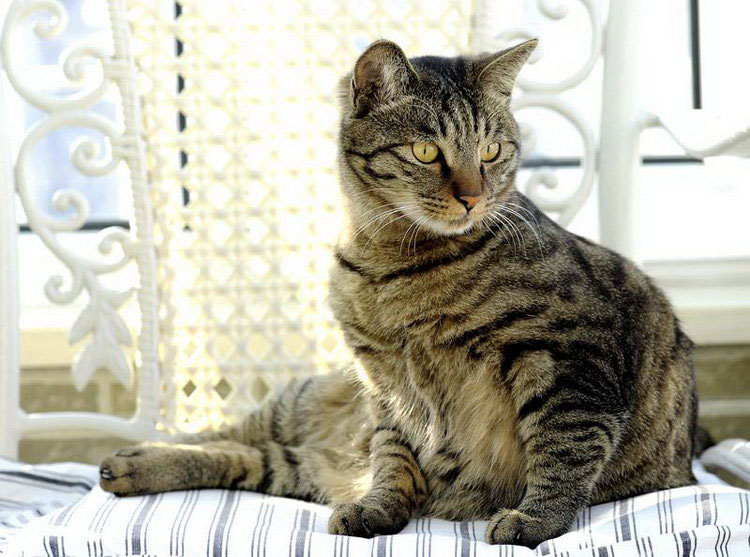
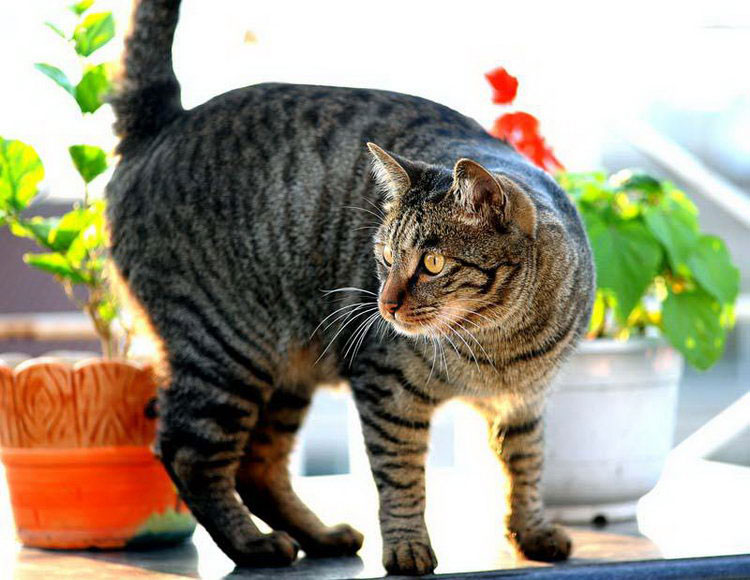
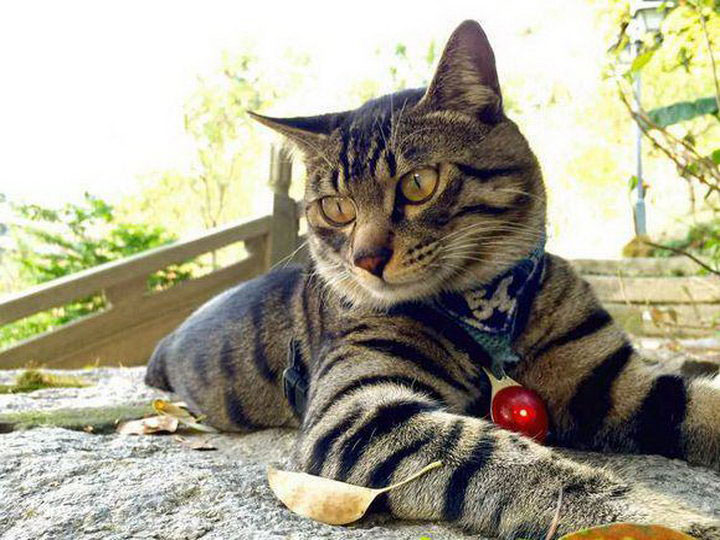
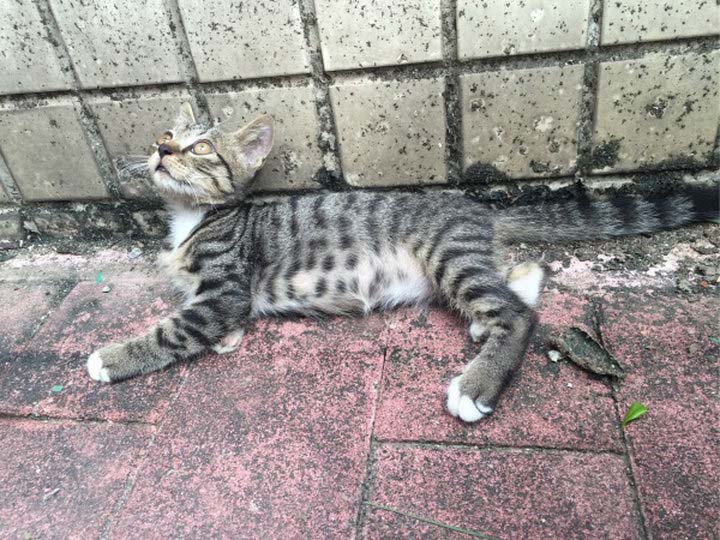
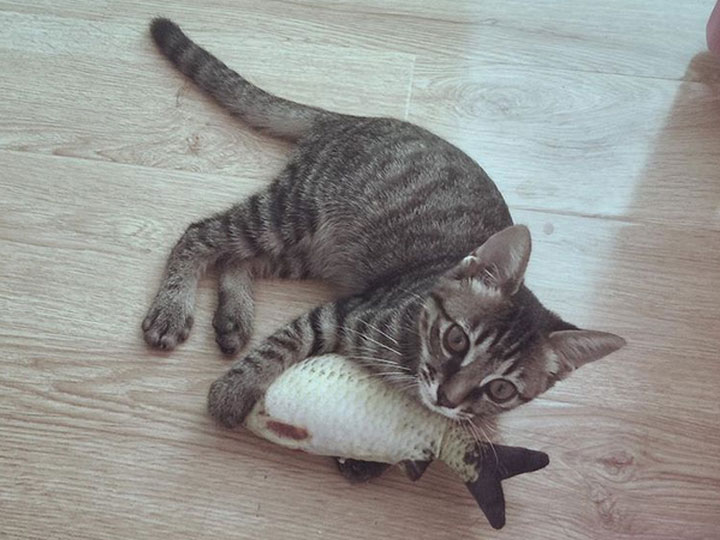
The coat is short, wiry, and should have a healthy, glossy sheen. The coloring is brown or dark brown tabby. Characteristics of these cats include distinct stripes or darker spots, an "M" on the forehead, a collar on the chest, rings on the tail, and eyeliner.
Male and female cats continue to grow until they are three years old, which is not typical for other breeds; by about this age, their coat color is fully formed.
Character
Chinese Dragon cats are distinguished by their independent, strong, and calm nature. They are freedom-loving, moderately curious, and active. Li Huas are excellent hunters, and rats and mice will never be found in their homes. They get along well with other animals in the house, usually resolving dominance issues peacefully. They will likely try to get rid of small animals, including birds and reptiles.
Li Hua are very sensitive to changes in environment.Chinese cats are accustomed to homes and take a long time to adapt to new surroundings, making travel difficult. These cats form strong bonds with their owners and are particularly sensitive to lack of attention.
Maintenance and care
Chinese Li Huas are best suited for a private home or a spacious apartment. Even when allowed outside, they generally don't stray far from home. Despite their natural origins, Chinese cats are sensitive to cold and drafts, so it's recommended to dry their fur with a hairdryer after bathing. Bathing is recommended 2-3 times a year. Brushing is recommended 2-3 times a week, and daily during shedding season. Cats that don't go outside are recommended to have their claws trimmed every 3-4 weeks.
Nutrition
In their homeland, breeders prefer to feed their cats prepared dry or wet food. The diet is selected based on the animal's age and physiological condition. Portions are calculated based on weight. It's best to feed cats at regular times. If desired, you can introduce your pet to natural foods. Meat should be the basis of the diet. It is supplemented with fermented milk products, eggs, fish, some grains, and vegetables.
Health
Chinese Dragons are very strong and resilient cats with a strong immune system. The breed is not known to be prone to any specific genetic diseases, but this does not mean they are completely disease-free. Their average lifespan, due to their small population and the vastly different conditions they are kept in, has not been established, but is estimated to be 14 to 15 years.
Where to buy a Chinese Li Hua kitten, price
The breed hasn't gained widespread popularity. This is likely due to the fact that Chinese dragons look like ordinary yard cats, yet they cost a pretty penny. Currently, only a few catteries in China breed the Li Hua Mao. There are a few representatives of the breed in the United States, but no breeders.
If you decide to purchase such a kitten from a Chinese breeder, you need to be prepared to pay at least $200 for it, as well as pay for shipping.
Photos
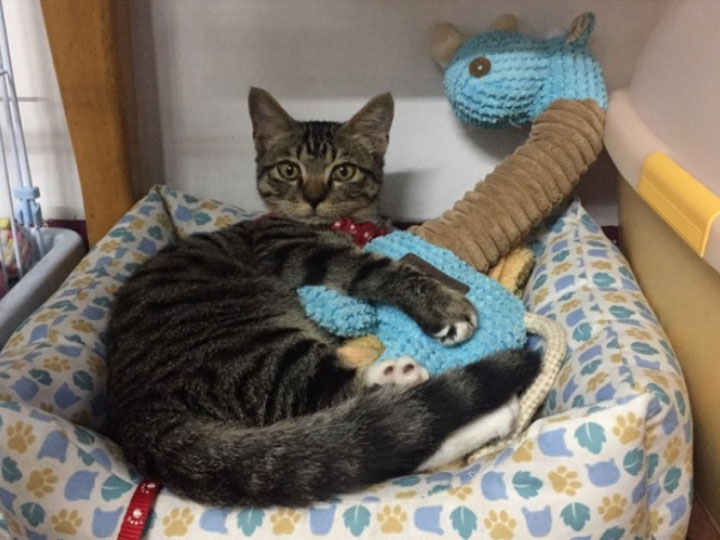
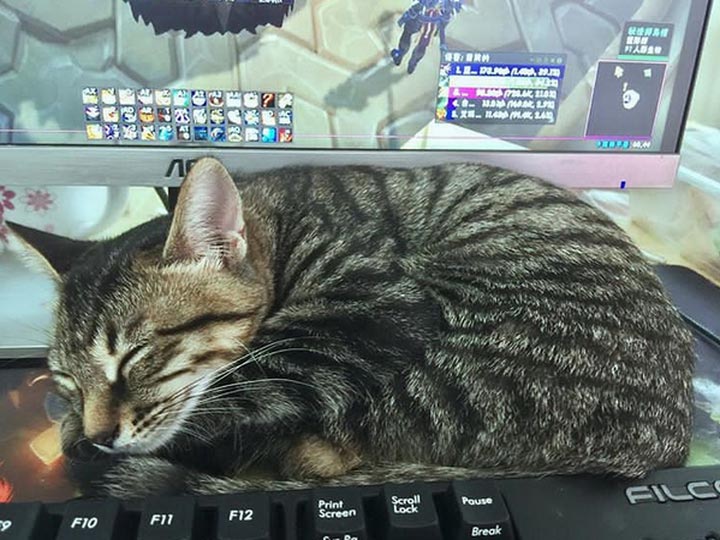
Photos of Chinese Li Hua Mao (Li Dragon) cats:
Read also:
Read also:


7 comments
Natalia
My cat looks a lot like a Chinese dragon. As a kitten, she resembled a Celtic breed, but she loved to play in water. She doesn't like to be held, her tail is longer than usual, and she had small tufts on her ears, which disappeared by six months. From a very early age, she growled, biting until she drew blood through clothing, and ran very fast, like a hurricane. She walked along the very edge of the sofa, as if she were on a cliff. If you moved her slightly away from the cliff, she would jump right back onto it. She loved to sit in the corner of the sofa and table, where there were cliffs to the right, left, and straight ahead. She had long, black, very sharp claws. At seven months, she began to demand the cat very loudly, and I had to spay her. When she was spayed, her claws were shortened, but soon they began to fall out one by one, and in their place, clear claws grew, not very long, but sharp.
They change every month now (they fall out and new ones grow in). She has meowed very rarely since she was a baby. She started purring at 2 years old, very quietly. She has been very playful since childhood, loves to hunt for toys. If someone comes to us, she hides. At home, she catches flies and eats them. She is afraid of taxis and shakes. We vaccinate her against distemper every year. To keep her from getting bored, we got a kitten. Thea (our cat) took care of him like her own, slept in the same box with the kitten, washed him.
My Chinese cat is 5 years old. She licks and washes herself several times a day. She sleeps only with me. She knows how to heal. She cuddles not only the painful parts of my bones, but also my chest. Not on the right, but in the center and a little to the left. Sometimes I feel unwell, and she comes and lies down on her own. We haven't walked her outside because I can't put a leash on her, and she chews my hands a lot. She walks on the balcony and by the window. She loves black bread. She started demanding it at an early age. She loves mushrooms in any form (I don't give her raw ones), oranges, beans, corn, potatoes, fish, eggs, tomatoes, meat, and sometimes asks for dark chocolate. She gave up dairy products a long time ago. Boyarsky bread has cranberries in it, and my cat loves them. She rubs against furniture and me, and sits in my arms for no more than 2 minutes.
Stepan
Yes, you should be friends, you have cats )))
Irina
You have to hold this cat in your hands! You'll immediately feel the difference! What a wonderful cat! He's incredibly smart! I never expected that!
Tanya
Good afternoon. We also got a cat like this... by pure chance. I can confirm what you said about him being "insanely smart," an excellent hunter and protector.
Alexey
We see these all over our dumps, in whole flocks. They're probably Chinese knockoffs 🙂
Gennady
I have a cat like that!!!!!
Elena
Imagine, it's the same for me too.
Add a comment