
Lhasa Apso
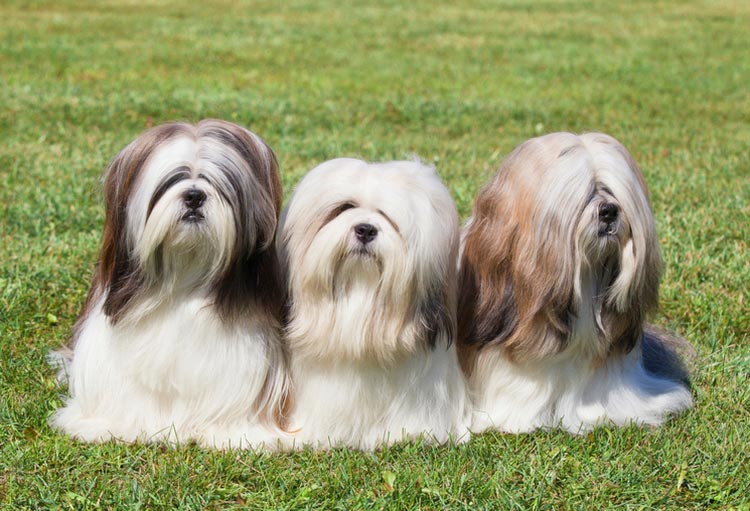
Lhasa Apsos are small toy dogs from Tibet. In their native land, they still serve as guard dogs thanks to their attentiveness, keen hearing, and loud bark. In the rest of the world, Apsos are primarily sweet, playful companions with an independent nature and a distinctive appearance.
Content
The origins of the Lhasa Apso breed
Lhasa Apsos were bred by Tibetan monks many centuries ago. They were used as companions and temple guards, highly prized and protected. For a long time, Apsos were isolated from the outside world, and only a few left the monastery as expensive gifts for dignitaries.
The breed's name isn't as mysterious as it might seem at first glance. Lhasa is the historical capital of Tibet, and the word "apso" means "bearded." Thus, the name means "bearded Tibetan dog."
Some experts believe that small Tibetan Terrier puppies, unsuited to effective herding work, formed the foundation of the breed. Genetic studies have suggested that the Lhasa is related to another ancient Chinese breed. Shih TzuIn any case, they appeared through natural selection in the harsh climate of the highlands.
For a long time, no one knew about the existence of Tibetan bearded dogs; attempting to export these valuable animals from the country was punishable by death. Breeding outside Tibet, in England, began at the turn of the 20th century, when British explorers and invaders returned from Asia with unique trophies.
The first description of dogs from Tibet, under the name "Bhutan Terrier," was made by Sir Lionel Jacobs in 1901. The unusual name reflected the fact that small working dogs were brought from the Bhutan region. World War I interrupted the development of dog breeding. In 1935, Colonel Bailey, a member of the political mission to Tibet, took up Lhasa breeding again and developed a standard. The Dalai Lama personally presented the soldier with two males and a female, which became the founders of the first British lines. Bailey is the author of the new name for the breed—Lhasa Apso. It was chosen to preserve the history and geography of its origin. The Lhasa first appeared at a show in London in 1929. Bailey's friend, American Sidham Cutting, received a similar gift from the Lama, but his dogs went overseas and gave rise to the American Hamilton line. The AKC officially registered the breed in 1935. The FCI accepted the breed in 1954. Dogs from Tibet gained particular popularity in 1984, when they became the best at the Crufts show.
Video review of the Lhasa Apso breed:
Energetic and cheerful dogs have frequently appeared in films, appearing in films such as "7 Years in Tibet," "Plus Size," "Benji," "Wag the Dog," and others.
Appearance and standards
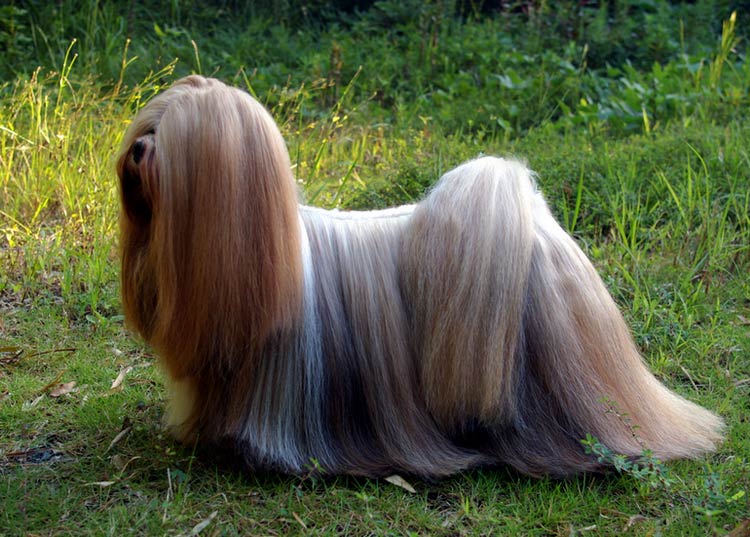
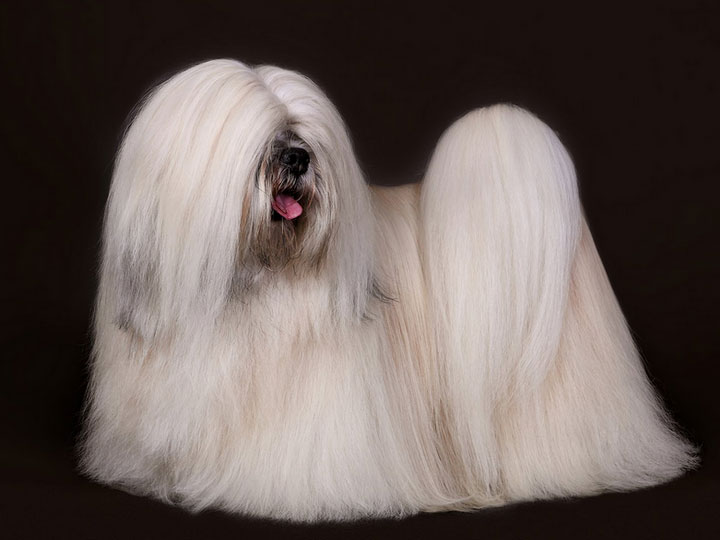
The Lhasa Apso is a small, well-balanced dog with a strong build. It has a very lush coat, with a variety of colors. It stands 25-28 cm tall and weighs 4-8 kg. Males are noticeably larger and more powerful than females.
Head and muzzle
The skull is fairly narrow, rounded behind the eyes. The muzzle is straight. The eyes are oval, medium in size, and set straight. The iris is only dark brown. The ears are hanging and well-furred. The bite is dense snack, that is, the anterior surface of the upper incisors rests against the posterior surface of the lower ones. The neck is strong and well arched.
Frame
The body is elongated, well-balanced, and compact. The back is straight. The chest is broad, the ribs are well sprung and well-sprung. The limbs are well muscled. The forelegs are straight, with the shoulder blades set obliquely. The hind legs are well angulated, with the hocks parallel when viewed from behind. The paws are well padded and rounded. The gait is free and easy. The tail is set high and carried over the back.
Coat and colors
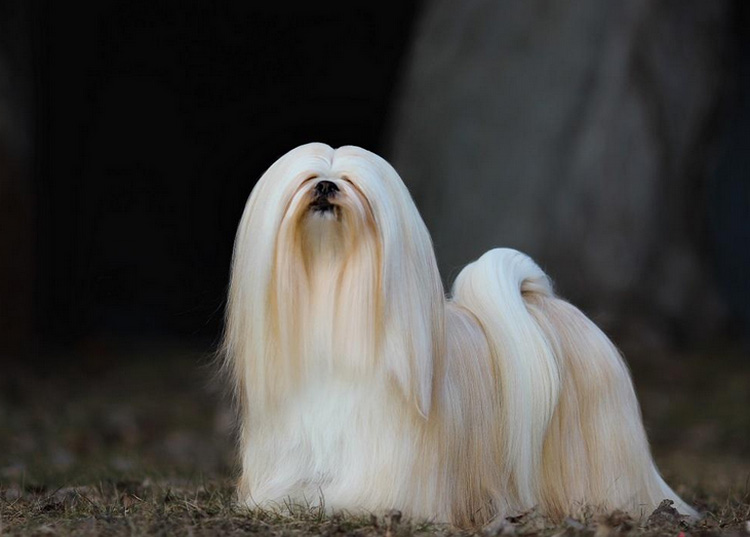
The coat is very dense and double, consisting of a moderately thick, soft undercoat and thick, straight, coarse hair (neither silky nor fluffy). The coat can come in almost any color, but golden, its shades, and combinations are preferred.
Character and psychological portrait
It is in vain that many are misled by the toy-like dimensions of these four-legged brownies; Apsos do not consider themselves small and others should not perceive them as exclusively decorative pets.
Lhasas are suspicious and cautious, perceptive and sensitive, sociable and outgoing, sensitive to their owners' moods and adapting to the family's pace of life. They are fairly stress-resistant, easily handle travel, transportation, and changes of environment, and quickly adapt to new conditions. However, they can be touchy, stubborn, and even jealous. Independent by nature, they strive to be leaders, often putting their own desires above pleasing their owner. They tolerate short periods of solitude well. They treat everyone in the family with respect, but they see their owner only in one person.
This breed possesses qualities of both toy and guard dogs. Cheerful, friendly, and non-confrontational, they are wary of strangers, always alert to any changes with a loud bark, and are courageous enough to spring to defense when necessary. They often accurately recognize a person's biofield and intentions.
The Lhasa Apso is a great choice for those who need a small indoor guard dog who is playful, attentive, friendly, and independent.
They're rarely tolerant of small children. They dislike rough handling and teasing. They can snap or even bite if a child is too persistent. Therefore, if you're looking for a breed that's 100% suitable as a toy and caretaker for a toddler, the Lhasa may not be the best choice.
Education, training and exercise
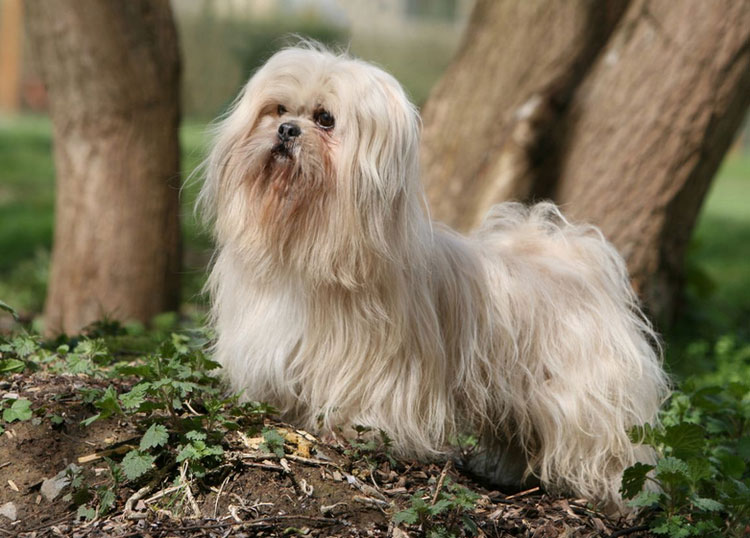
Lhasa Apsos are naturally independent and quite stubborn dogs, so they require early socialization and proper training, with owners being able to establish themselves as leaders. Due to their unruly nature, training an Apso is no easy task, and the use of brute force is absolutely unacceptable.
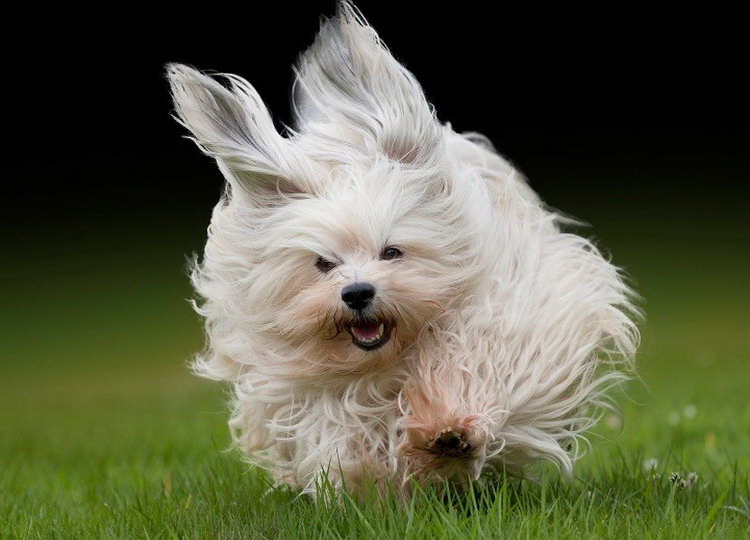
Exercise should be very gentle. Apsics will benefit from short walks to burn off pent-up energy. In bad weather, they'll happily stay indoors.
Content
Lhasas are primarily a toy breed, so they can only be kept indoors. They require constant attention and happily participate in all family activities, but they should have their own resting area away from traffic and drafts, where they can retreat and chew on their favorite toy.
Care Features
The long, coarse coat is prone to tangling and matting. Daily brushing is essential. For hygiene, the anus and genital area should be trimmed regularly. Apsos should be bathed approximately once a month. Professional shampoos for their coat type or breed are recommended. After bathing, apply conditioners and balms, and thoroughly dry the coat with a hairdryer. Regular grooming will make grooming significantly easier.
The Lhasa Apso is one of the most demanding breeds in terms of grooming, especially when it comes to show dogs.
The eyes, ears, claws, and mouth also require care. The eyes are inspected daily and wiped when necessary. Make sure no hair gets on the cornea. The drooping ears should always be kept dry and clean. Teeth should be brushed at least once a week. Claws (if they don't wear down on their own) are trimmed with special clippers to maintain an optimal length.
Video: Lhasa Apso grooming (3.5 hours of work in a 2-minute video):
Diet
Feeding a Lhasa is usually straightforward. They're rarely picky, eating the same foods as their fellow dogs. Restrictions and restrictions are the same. Due to their small size, portions are very small, so feeding them high-quality natural foods or a good super-premium food won't be too expensive. It's important to stick to a feeding schedule and not leave food freely available.
Health, disease and life expectancy
Lhasa Apsos have excellent health and a strong immune system, and thanks to their high-quality coat, they are resistant to cold and drafts. Compared to other toy dogs, they are very robust, but they also require regular vaccinations, deworming, and treatment for external parasites. The average lifespan is 12-15 years.
However, the breed is known to have several characteristic hereditary diseases and a predisposition to certain illnesses:
- Inflammation of the third eyelid;
- Patellar dislocation;
- Allergies;
- Sebaceous lymphadenitis (a difficult to diagnose genetic skin disease);
- Progressive retinal atrophy;
- Dry keratoconjunctivitis;
- Renal dysplasia (a genetic defect in which the kidneys are abnormally shaped or sized).
Choosing a Lhasa Apso Puppy and Price
The dog will not thrive in a home with small children or indifferent owners. It is only suitable for those who are patient and understanding with its challenging nature, who can overcome its stubbornness and become a leader. And of course, one must not forget the regular and rather complex care it will require throughout its life.
The Lhasa Apso is not one of the most popular breeds; however, many kennels in Russia and the CIS countries boast excellent producers and offer good puppies.
Even if you only want a dog as a pet and don't plan to show or breed, it's worth considering purchasing a puppy with a pedigree. This isn't just a document; it's a guarantee of quality: character, appearance, and health. The puppies' parents, living conditions, and the breeder's commitment to their craft can tell a lot about them.
A reputable dog breeder will never place a puppy under 2.5 to 3 months old into a new home without a full set of vaccinations. When choosing a puppy, carefully evaluate the puppies: they should be healthy, well-balanced, moderately playful, and have an excellent appetite.
Prices
It's unlikely you'll be able to buy Lhasa Apso puppies cheaply, unless they're the result of unplanned matings without papers. Puppies with a pet-quality pedigree cost an average of 15,000 to 30,000 rubles. If the dog is expected to be a future dog show winner or an excellent breeder, prices can reach 50,000 rubles or more.
Photos
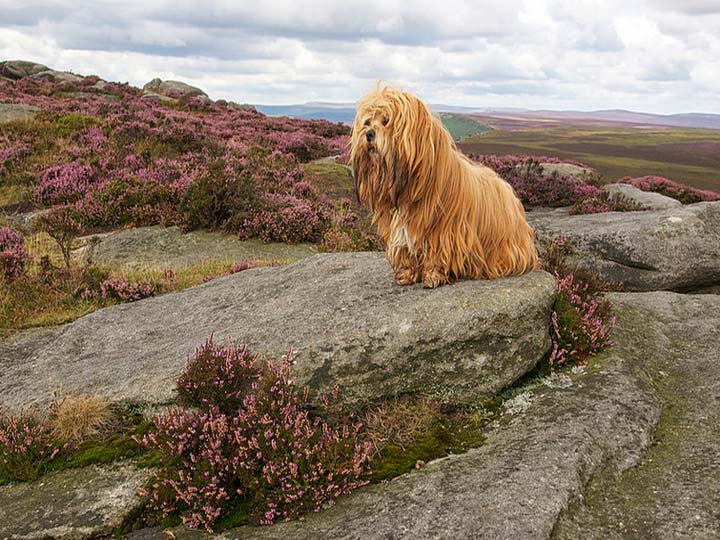
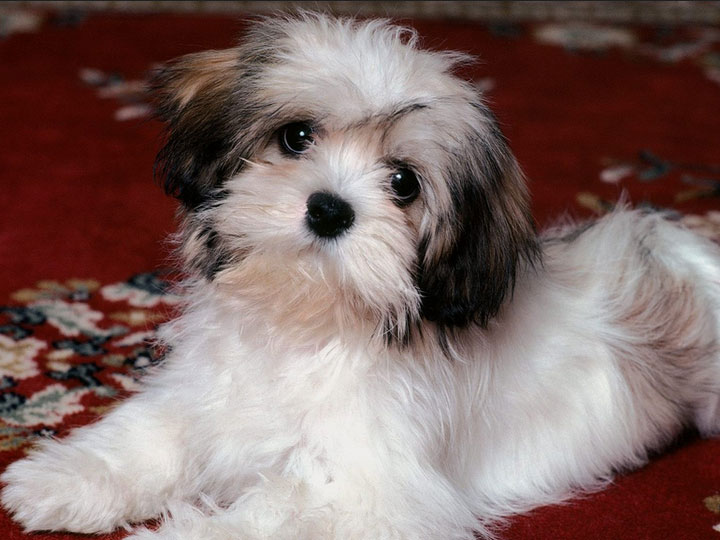
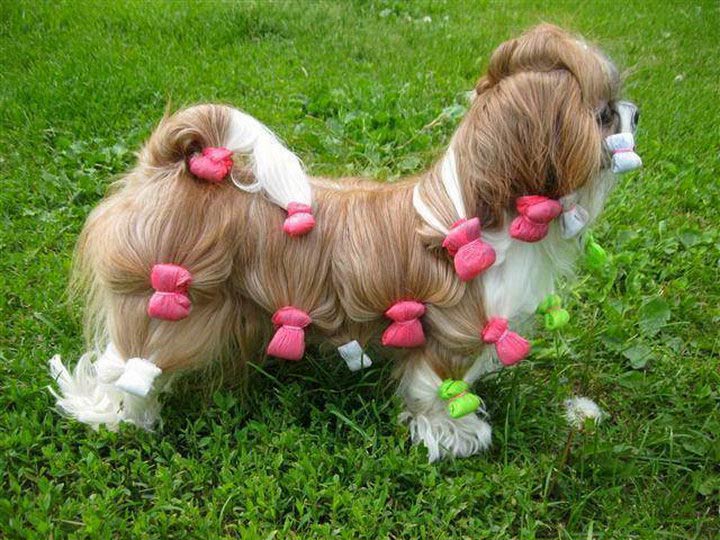
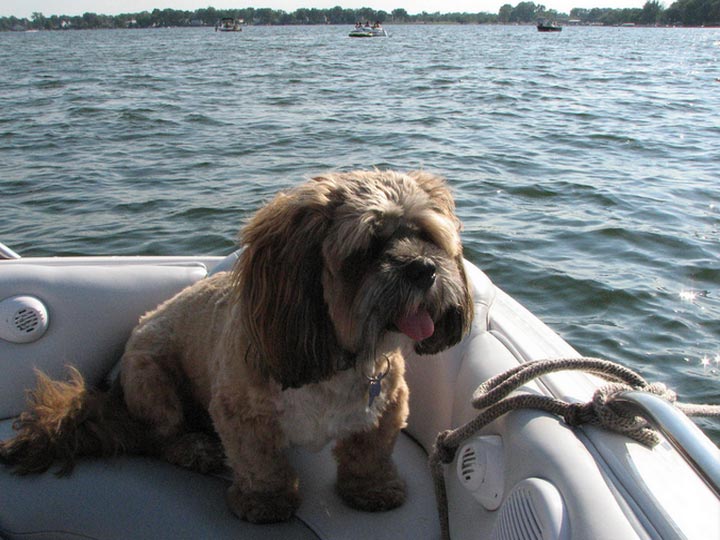
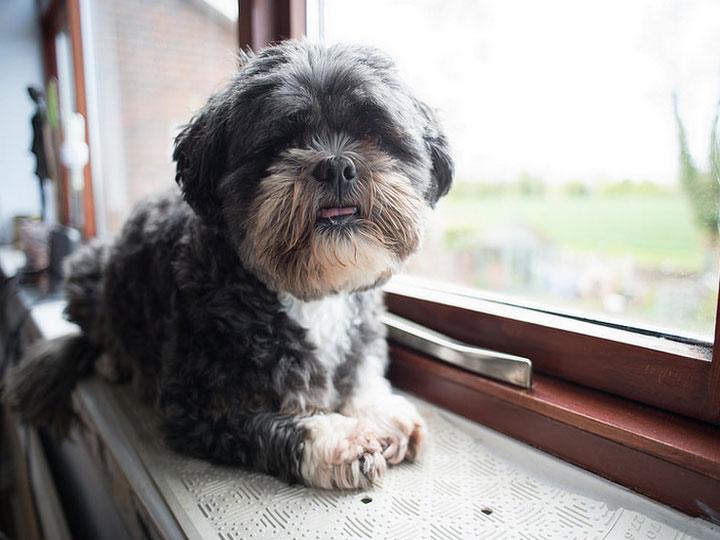
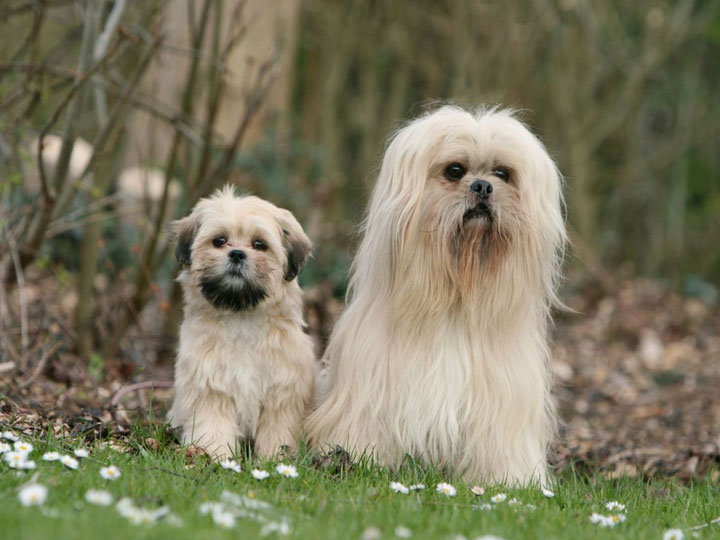
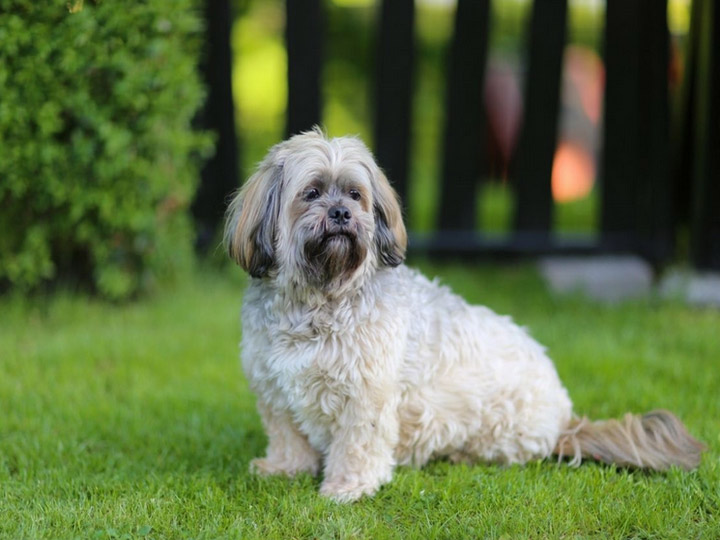
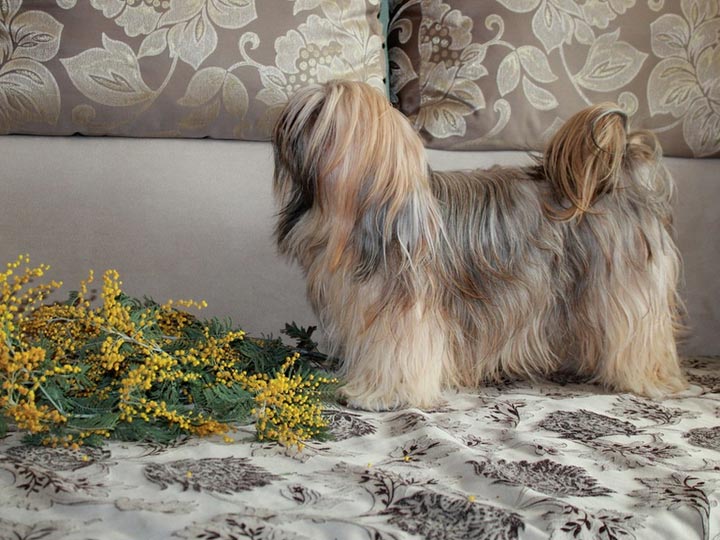
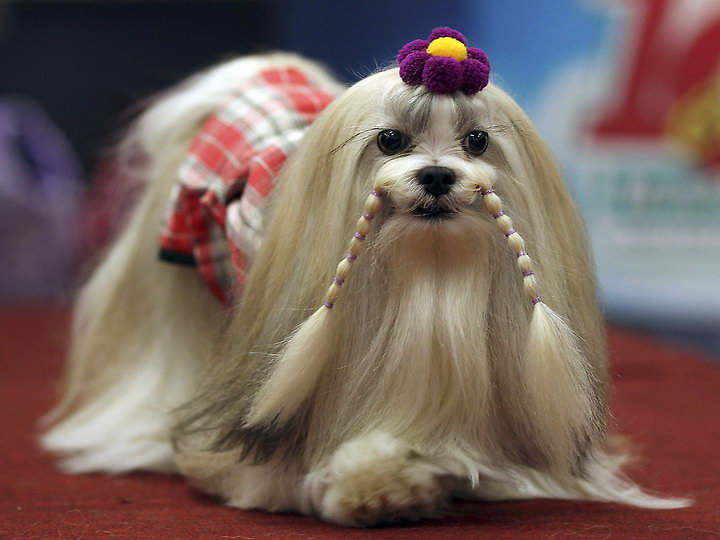
Photos of Tibetan Lhasa Apso dogs and puppies
Read also:


Add a comment