
Leptospirosis in dogs: symptoms and treatment
Infectious diseases are particularly dangerous for people and animals. Leptospirosis in dogs is quite common; its symptoms are usually acute, and treatment must be started immediately. Otherwise, the consequences can be dire. For this reason, pet owners should be aware of the dangers of this disease, what measures to take if it is detected, and how to prevent infection.
Content
Etiology of leptospirosis
The disease is caused by Leptospira bacteria, a type of spirochete. Several species of these microorganisms are found in nature, but dogs are susceptible to two species: L. Icterohaemorrhagiae and L. Canicolau. The bacteria's spiral shape and small size facilitate rapid spread throughout the body once infected.

Cold temperatures are unfavorable conditions for leptospirosis, so it's impossible to become infected during the cold season. The risk is high during the rest of the year. Since the bacteria thrive in warm, humid environments, they pose the greatest danger during the summer months, especially near bodies of water.
Leptospires cannot penetrate the skin, but they easily enter the bloodstream through microtrauma, as well as through the mucous membranes of the mouth, respiratory tract, gastrointestinal tract, and genitals. Through the lymphatic system, the bacteria enter the bloodstream and spread throughout the circulatory system, eventually infecting internal organs such as the liver, kidneys, spleen, and lungs. When the bacteria release waste products, they cause intoxication, leading to the manifestation of symptoms.
The incubation period ranges from 3 to 30 days. The infected animal begins to shed bacteria after 5 to 7 days. Shedding of pathogens can continue for several months or even years even after successful treatment.
How and where can a dog become infected?
Leptospirosis infection can occur in the following ways:
- Upon contact with a sick animal.
- Through food, water, dishes, household items.
- When swimming in a body of water contaminated with bacteria.
- Through bites of ticks and other blood-sucking insects.
- By eating animal carcasses, especially small rodents, which act as a living reservoir for the spread of infection.
- Through the placenta from mother to puppy, and also through milk during breastfeeding.
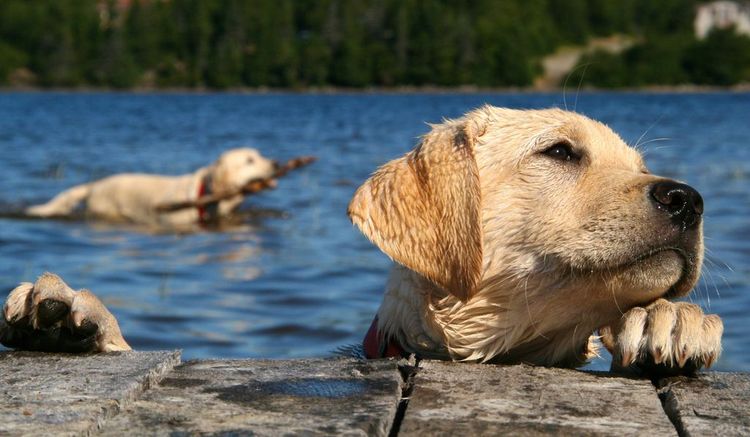
Keeping animals in crowded conditions increases the risk of rapid infection spread. Standing water bodies and forest puddles pose a particular danger to dogs, as bacteria can survive in aquatic environments for 200-220 days. It is advisable to prevent animals from bathing or drinking from such sources to prevent infection.
Is leptospirosis dangerous for humans?
Leptospirosis poses a danger not only to animals but also to humans. Therefore, if signs of leptospirosis are detected in a dog, a person should take the following safety precautions:
- When caring for a sick animal, it is necessary to use protective equipment, such as gloves.
- The pet's place of residence should be limited and kept in perfect cleanliness.
- Limit contact with the sick animal.
Bacteria are excreted from the animal's body through saliva, feces, and blood. It is important to prevent them from coming into contact with the skin if there are any injuries (cuts, bruises, or wounds). In advanced cases, a veterinarian may recommend euthanasia.
Symptoms of leptospirosis in dogs
When leptospirosis enters the body, it damages the circulatory, gastrointestinal, and respiratory systems, causing kidney and liver failure, heart failure, and central nervous system dysfunction. The most obvious symptoms of leptospirosis in dogs include:
- Increased body temperature, sometimes up to 41 degrees.
- Vomiting and diarrhea.
- Lethargy, loss of appetite and refusal to eat.
- Urination disorders.
- The appearance of blood in urine and feces.
- Severe pain, especially in the abdominal area.
The manifestations of the disease largely depend on its form.
Hemorrhagic form
The main characteristic of this form of the disease is severe liver damage. One of the symptoms is reddening of the mucous membranes. Ulcers and pinpoint hemorrhages may appear on the mucous membranes. Similar symptoms occur in the gastrointestinal tract, leading to blood in the stool. The disease is always accompanied by a high fever and lethargy.

Without timely treatment, renal failure rapidly develops, resulting in impaired urination and even complete loss of urination. The risk of death is high.
Jaundice form
This form of leptospirosis is characterized by severe yellowing. It is most visible on the mucous membranes, but can also be seen on the skin when the fur is parted. Obvious signs of the disease include severe diarrhea and vomiting, and keratitis and conjunctivitis may develop.
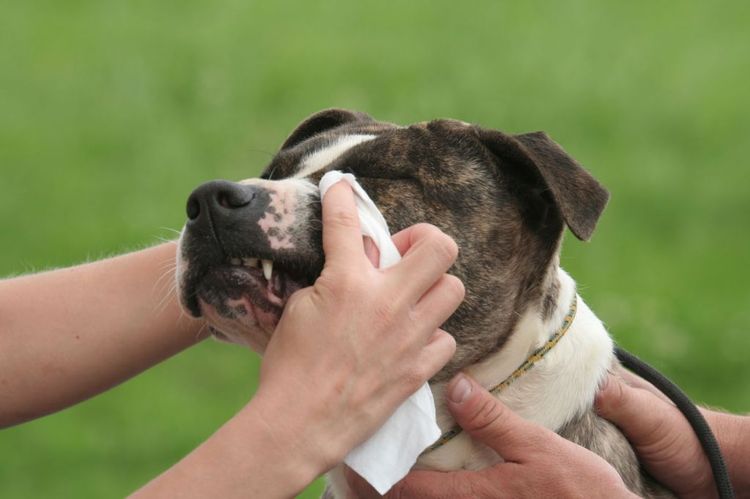
As with the hemorrhagic form, liver and kidney failure develop, but the mortality rate is 50-60%. Dehydration can also be the cause of death.
If you notice the first symptoms of the disease, you should consult a doctor immediately. After laboratory tests, the doctor will diagnose the disease and prescribe treatment. Losing time could cost the animal its life.
Stages and forms of the disease
There are two main stages of leptospirosis:
- Bacterial stage – the proliferation of microorganisms in the circulatory system after entering the body.
- The toxic stage is characterized by damage to internal organs and severe intoxication of the body. Symptoms appear at this stage of the disease.
Depending on the progression of the disease, several stages are distinguished:
- Acute. The disease progresses rapidly. Complications such as kidney, liver, and other organ failure can develop in just a few days. The risk of death is high.
- Subacute. The disease progresses more slowly (10 to 20 days). The risk of death is reduced.
- Chronic. If the animal's body survives the acute and subacute forms, the disease progresses to a chronic condition, which can last from one month to several years. Exacerbations may occur when the immune system is weakened, as a complete cure is virtually impossible. Bacteria remain in hard-to-reach places and become active under favorable conditions.
- Latent or asymptomatic. The disease does not manifest itself, but the animal is still a carrier of the infection.
Treatment of leptospirosis in dogs
Self-medication for infections with harmful bacteria is unacceptable. Treatment is always comprehensive. Typically, a number of measures are taken:
- Leptospirosis eradication. Hyperimmune serum against leptospirosis in dogs is most commonly used. It provides "ready-made" immunity, as it contains antibodies that fight the parasite. The serum is administered as a single subcutaneous injection in the shoulder blade area. In advanced cases, a second administration is permitted, but at half the dose.
- Antibacterial therapy. Antibiotics are also mandatory. Most often, the doctor prescribes Bicillin or Benzylpenicillin, although Levomethicin, Tetracycline, Kefzol, or other antibacterial drugs may also be prescribed. The dosage is usually calculated based on the animal's weight – 20,000 units per kilogram.
- Symptomatic treatment. Restoring the function of internal organs helps relieve symptoms. Riboxin may be prescribed to strengthen the heart muscle, and vitamin C to strengthen blood vessels. Essentiale or Carsil are prescribed to improve liver function. Antiemetics are used to relieve vomiting. Saline-water and salt solutions can help restore fluid and electrolyte balance.
- Strengthening the immune system. To boost the body's defenses, immunomodulators and vitamin and mineral supplements are prescribed.

Diet is equally important when treating leptospirosis. Small, frequent meals are essential. Food should be cooked and high-quality. A balanced diet is essential.
Prevention
The basis of preventive measures is vaccinationThe first leptospirosis vaccination for dogs is administered between 2 and 4 months of age. A booster dose is given 3-4 weeks later. This should be repeated twice a year, as immunity to the disease weakens over time. Additionally, vaccination should be administered during epidemics.
Following these simple rules will also help prevent leptospirosis:
- Avoid contact between your dog and sick animals.
- If you live in a rural area, do not allow rodents to be present on your property.
- Make sure your dog does not drink or swim in bodies of standing water.
- Carry out timely treatment against ectoparasites.
- Keep dishes, bedding and household items clean.
- Feed your pet only high-quality food that has passed various tests.
Disease prevention is the best way to ensure your pet's health, so don't neglect these simple recommendations.
You can also ask our website's staff veterinarian a question, who will answer them as quickly as possible in the comments box below.
Read also:





Add a comment