
Leptospirosis in cats: symptoms and treatment
Leptospirosis is considered a very dangerous infectious disease. It's rarely diagnosed in cats, as they are more often carriers of the infection. This is because all felines have a natural immunity to this disease. Leptospirosis also affects humans, and according to statistics, the mortality rate for severe cases is 25-30%. Therefore, if you notice signs of leptospirosis in your cat, you should immediately contact a veterinarian.
If the diagnosis is confirmed, the cat is immediately isolated and treated, and in the case of a severe course of the disease, in order not to put people's lives at risk, the animal has to be put to sleepAnyone who has cats or dogs should recognize the typical symptoms of this acute infectious disease and know what to do if their cat is diagnosed with leptospirosis.

Pathogen and routes of infection
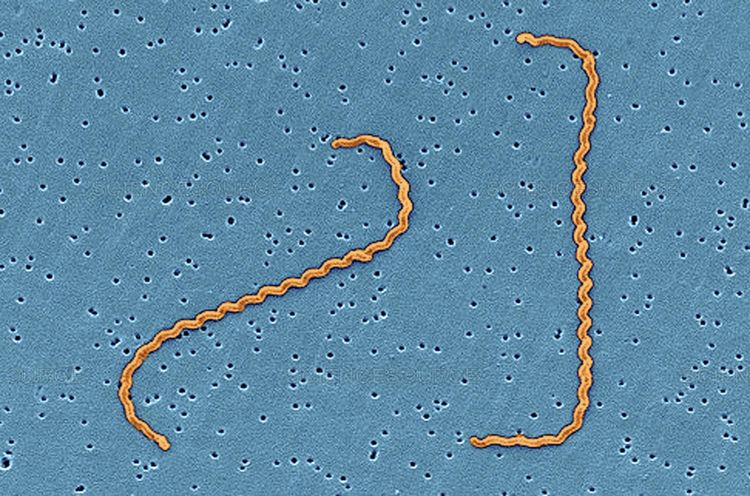
The disease is caused by leptospira, a spirochete. Leptospira interrogans is a bacterium with a long, spirally coiled body no more than 500 microns long. There are numerous serological groups of this parasite, all of which are susceptible to low humidity, temperature fluctuations, direct sunlight, and disinfectants. Leptospira remain viable in water for about a month, and in moist soil for up to three months.
Leptospirosis is transmitted through direct contact between a healthy animal and the secretions of an infected or sick animal, including urine, feces, milk, and saliva. A cat can become infected by sniffing or licking the "marks" left on grass or bushes by other cats, by catching an infected rodent, or by drinking water previously consumed by an infected animal.
Once the parasite enters the body, a cat can remain a carrier for up to 3-4 months, until the pathogens, which are in "dormant mode," find a comfortable environment to thrive. Then, the leptospires begin to actively multiply, penetrating the bloodstream, intestinal mucosa, and the epithelium of the renal and hepatic tubules, causing damage to these organs. Leptospira can affect the eyes and nervous system and cause general intoxication.
Symptoms
The time from infection to the appearance of the first signs of leptospirosis can vary from 2 to 10 days, depending on the extent of the infection and the cat's resistance. Since the spirochete affects virtually all organs, as well as the cardiovascular, central, and peripheral nervous systems, symptoms can vary greatly, making diagnosis difficult based on the patient's medical history and initial examination.
Symptoms of leptospirosis in cats may include:
- loss of activity;
- poor appetite;
- fever;
- elevated temperature;
- severe vomiting;
- diarrhea;
- unpleasant smell of urine;
- muscle pain upon palpation;
- redness and bleeding of the oral mucosa;
- yellowing of the skin and cornea of the eyes.
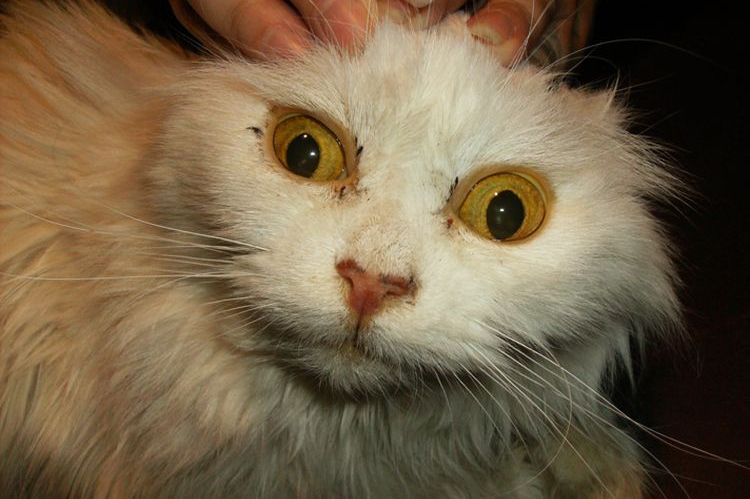
In severe cases, the cat may experience clonic seizures, which end in a coma and death of the animal.
Important! There are cases of spontaneous remission of leptospirosis, when a cat suddenly disappears all signs of the disease. However, the animal remains a carrier of the infection for a long time. Therefore, until the results of the examination confirm the absence of the pathogen in the cat's body, it should be isolated.
Diagnostics
The diagnosis of leptospirosis is established based on clinical signs and a series of laboratory tests using microscopic, serological, microbiological, and molecular genetic methods. To detect the pathogen in the body, clinical and biochemical blood tests are performed, as well as leptospirosis antibody titers in urine and blood. Microagglutination is used for serological diagnosis of leptospirosis in cats.
One of the most accurate methods for diagnosing infectious diseases is PCR analysis, based on the polymerase chain reaction. It can detect even single components of spirochete DNA in a sick animal's body. Any biological material can be used for PCR analysis: blood, urine, saliva, or tissue samples obtained during a biopsy. If it is necessary to assess the extent of leptospirosis in the cat's internal organs, a doctor may prescribe Ultrasound examination abdominal cavity.
Treatment
Treatment for leptospirosis in cats necessarily includes antibiotic therapy. Leptospira interrogans spirochetes are sensitive to penicillin, tetracycline, polymyxin, chloramphenicol, and streptomycin. Hyperimmune serums, which contain high levels of antibodies to leptospirosis, are also used.
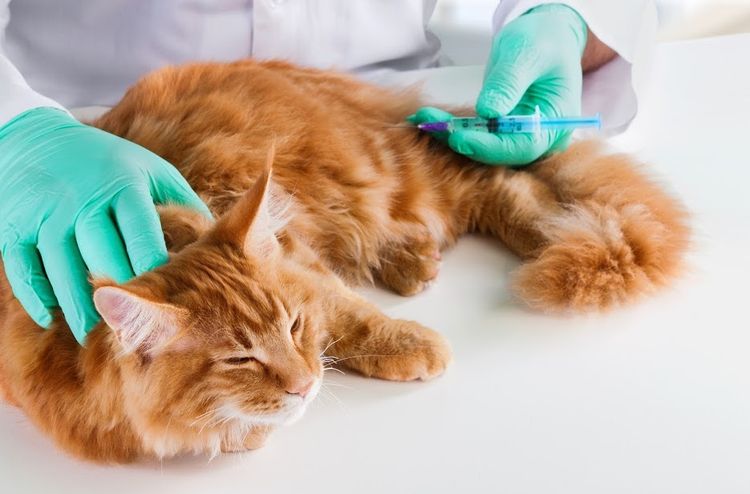
Over a long period, the cat is given immunomodulators and vitamins, as well as glucose, which not only supports the animal but also has a detrimental effect on the spirochete. The use of other medications depends on the organs affected. Blood transfusions or infusion therapy may be necessary to replace the body's losses. In cases of severe intoxication, antibiotics and steroid hormones (corticosteroids) are combined.
Treatment is carried out under constant veterinary supervision. If the disease is severe, the cat may require inpatient treatment. The cat should be kept on a special diet throughout the illness.
Important! If a cat is infected with leptospirosis, immediate disinfection of the area where the cat may have been is mandatory. During treatment, this disinfection should be repeated regularly, every few days, in the sick cat's isolation area.
Prevention
There are no vaccines for cats against leptospirosis. Sometimes, dog vaccines are used to boost a cat's natural immunity, but this decision is made by a veterinarian, taking into account the risks involved, including the cat's exposure to potential carriers, its age, and its health status.
Standard preventative measures for leptospirosis in cats include regular deratization of the home and extermination of rodents in the yard, as even healthy rodents can carry the infection. You should also minimize your cat's contact with other animals and limit visits to dangerous areas.
More about the symptoms and treatment of leptospirosis in cats: video
Read also:


Add a comment