
Catahoula Leopard Dog
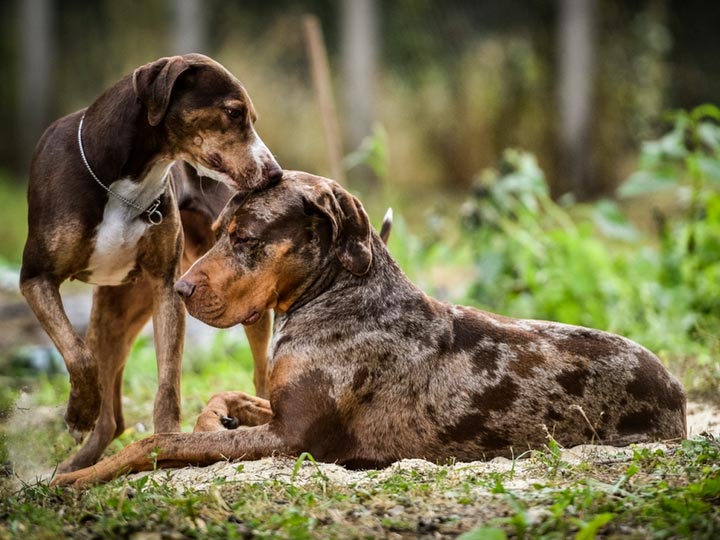
The Catahoula Leopard Dog is a medium-sized American dog breed known for its wide variety of colors, with merle being the most common. The Catahoula is not a breed for everyone. It is primarily a working hunting dog with a keen sense of smell and a strong pursuit instinct. With proper training, it will become a loyal friend, companion, and hunting companion.
Content
 History of origin
The history of the Catahoula Leopard Dog dates back to the 16th century. In 1539, Spanish conquistador Hernando de Soto began his conquest of North America, landing on the coast of Florida. Dogs were an integral part of any such "expedition." They were used for hunting and as war dogs against the Indians. De Soto was primarily accompanied by greyhounds, the ancestors of the Spanish Galgo, and mastiff-like dogs. Alanian dogsThree years later, the conquistador died of fever in Louisiana. The remaining soldiers decided to return to Spain, leaving many of their dogs behind. They were subsequently used by the Indians for hunting.
In 1979, the breed was declared the official symbol of the state of Louisiana.
It is known that around this time, the red wolf was roaming around Indian camps in search of food. It occasionally associated with dogs. The Indians used the hybrids to hunt wild boar and deer in the Louisiana swamps. A hundred years later, French settlers arrived here, bringing their dogs, mostly the ancestors of the red wolf. BeauceronThey began breeding them with local "half-wolves." This resulted in the creation of a population of dogs that became the ancestors of the breed. For a long time, they were known as the Catahoula Hound, but in 1979, they were renamed the Louisiana Catahoula Leopard Dog at the initiative of Governor Edwin Edwards. The breed is still not recognized by the Association Cynologique Internationale (FCI), only by the United Kennel Club (UKC) in 1995.
Purpose
The Catahoula Leopard Hound possesses an innate hunting instinct, which, coupled with its desire to please its owner, makes it a wonderful hunting companion. Unlike other hounds, the Catahoula follows only a hot scent left about an hour ago, very rarely a scent two hours old. It tracks game silently, occasionally barking in excitement, but then remains silent again. Upon spotting prey, it barks, allowing the hunter to locate the dog. When hunting, the Catahoula remains within reasonable proximity of its owner, using both its lower and upper senses. It is versatile in its work, but is primarily focused on prey: squirrel, raccoon, lynx, bear, wild boar, and deer. It holds large game in place until the hunter arrives, and usually does not engage in combat.
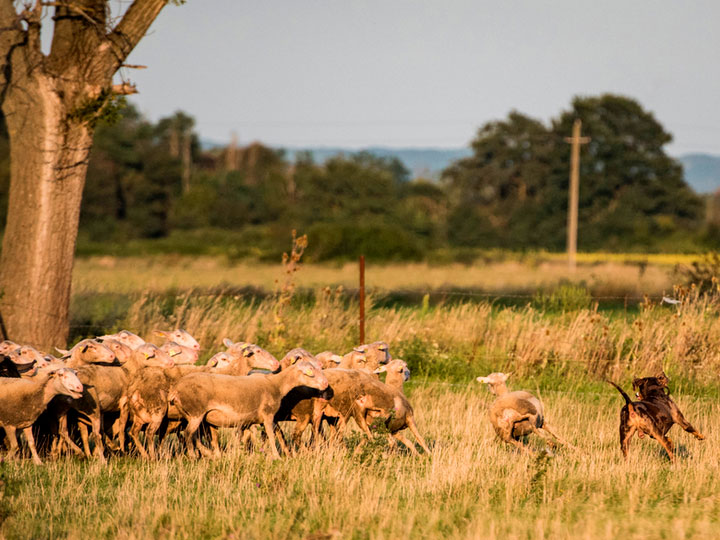
The Catahoula is not a herding breed in the true sense of the word, but can be used on a farm to herd cattle. It has its own working style. It moves around the herd, forming a wide circle and holding them in place. If necessary, it will bark or nip at the nose, but it does not "hang on" the cow.
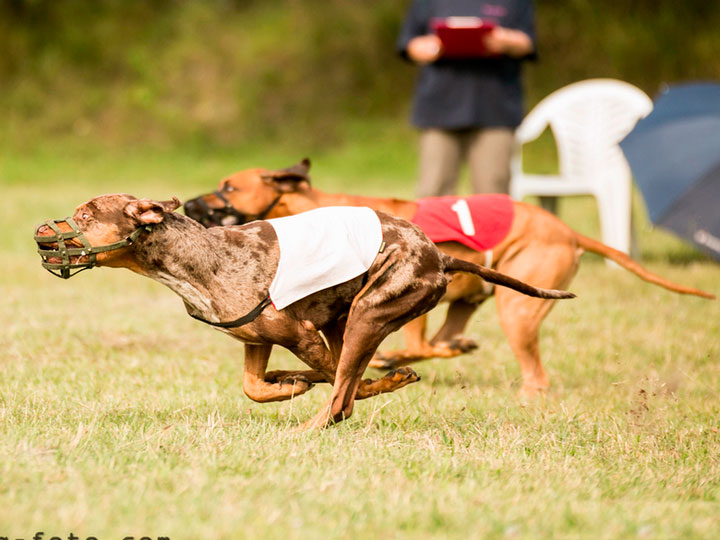
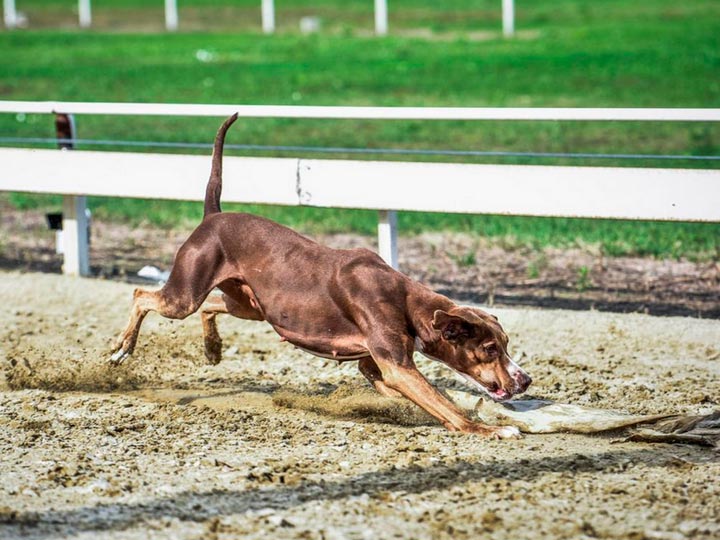
The Catahoula can be a wonderful companion and family dog. It is capable of guarding and protecting. It has a keen sense of smell and is highly trainable, but is ill-suited for investigative work. While possessing a strong hunting instinct, it is overly sensitive to other stimuli. The Catahoula can be seen competing in sporting events. Its most suitable discipline is coursing, but Catahoula dogs also participate in agility, obedience, and other sports.
Video about the Catahoula Leopard Dog breed:
Appearance
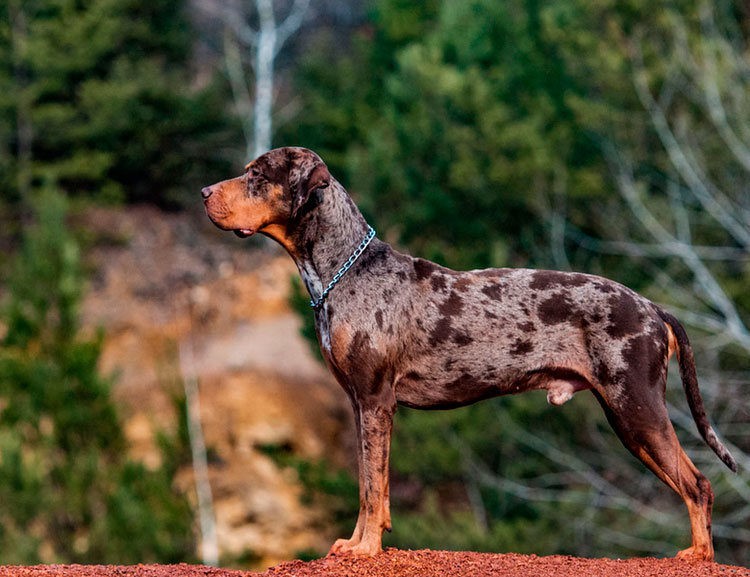
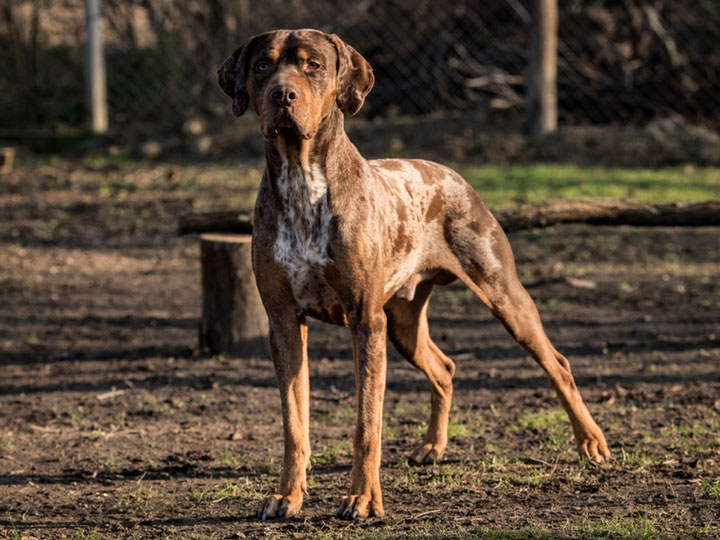
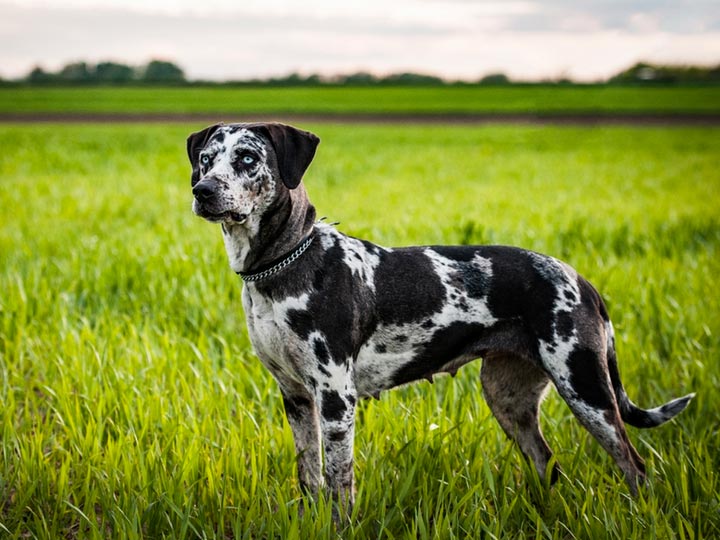
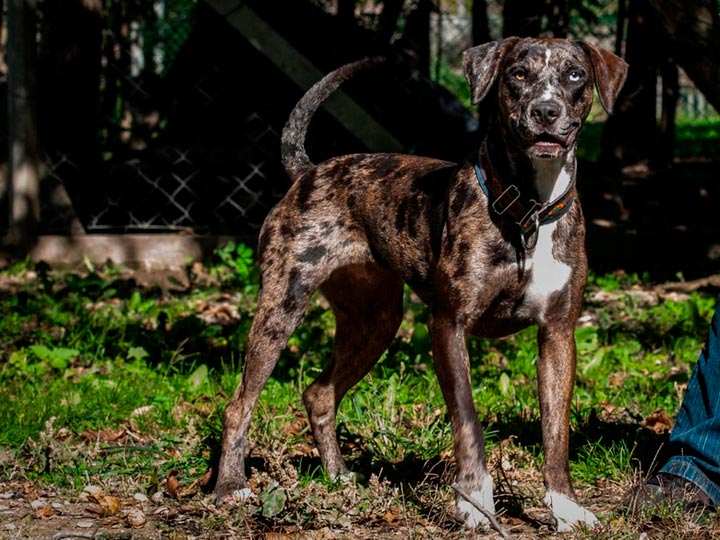
The Catahoula Leopard Dog is a well-proportioned dog with a somewhat elongated body. Muscles are well developed but not overly prominent. The Catahoula's appearance is moderate. Overall, the dog should convey an impression of endurance and dynamism. Sexual dimorphism is well-defined. Males stand 56-66 cm (22-26 in) tall, and females 51-61 cm (20-24 in). Weight ranges from 16-37 kg (36-88 lb).
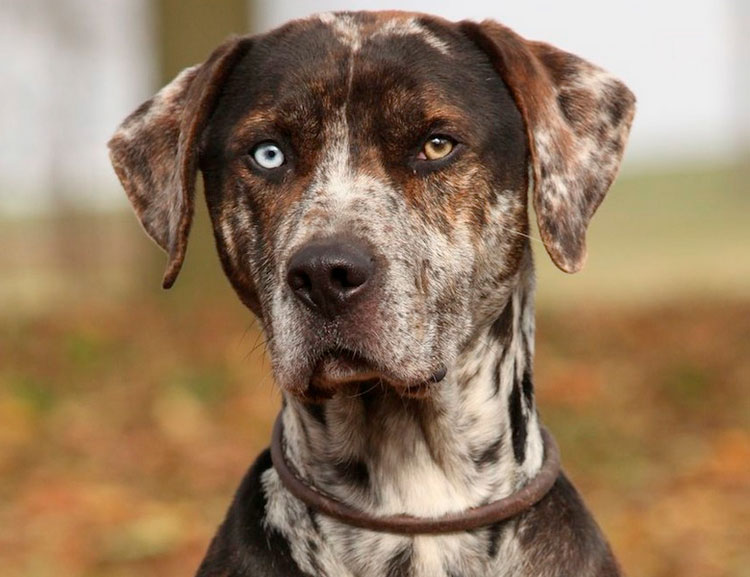
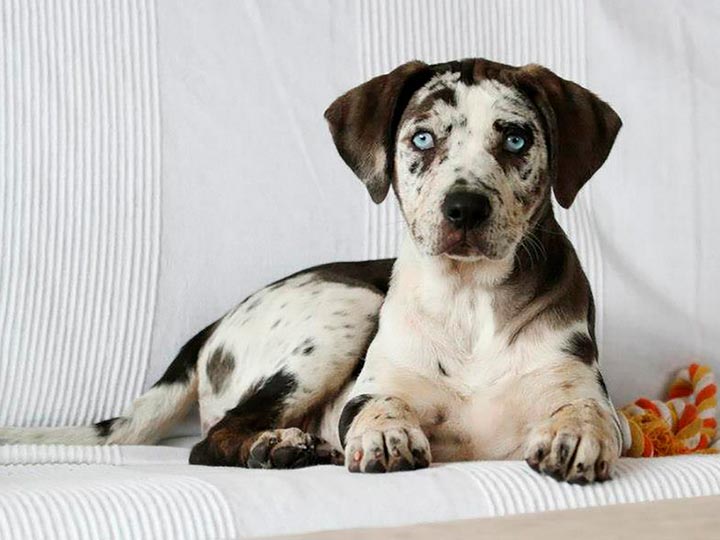
Because of the name, many people assume that all leopard dogs must be colored merle, but this is not the case. The breed is known for its variety of colors and patterns, as well as a variety of eye colors.
The head is strong, with the muzzle and skull approximately equal in length. The stop is moderate. There may be a slight furrow between the eyes. The skull is broad and flat, with well-developed cheeks. The muzzle is deep, strong, and moderately wide, tapering toward the nose. The lips are tight or slightly pendulous, and may be pigmented in any shade or combination of colors. The teeth are white and strong. A scissor bite is preferred. The nose is medium in size with wide-open nostrils, and may be of any color or combination of colors. The eyes are medium in size and may be of any color or combination of colors, as are the eyelids. The ears are triangular in shape, short or medium in length, wide at the base, and taper to slightly rounded tips. The auricle curves at or slightly below the top of the skull.
The neck is muscular, of good length, and gradually widens from the back of the head to the shoulders. The shoulders are strong, the shoulder blades are long, wide, and well laid back. The forelegs are straight and of medium bone. The pasterns are short and slightly sloping. The length of the forelegs is approximately 50-60% of the height at the withers. The body is well-built, somewhat elongated. The topline slopes downwards from the well-developed withers to the back. The back is short and wide, the loin is slightly arched. The chest is deep and moderately wide. The croup is long and slightly sloping. The hindquarters are strong, with smooth muscles. When viewed from the rear, they are parallel to each other. The paws are oval in shape, well-knit, the toes are long, the pads are hard and thick, and the nails are strong. The tail is a natural continuation of the topline, tapering to a tip, reaching the hock joint in length, and hanging down. During movement, it can rise vertically and bend slightly.
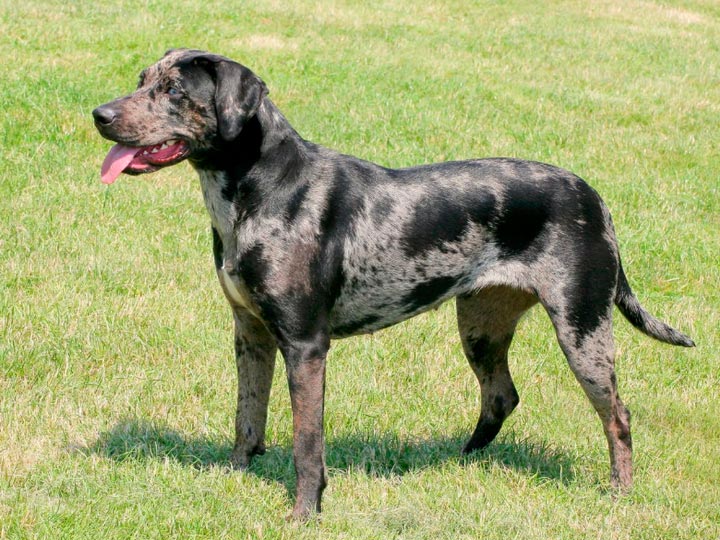
The coat is short to medium length, lying close to the body. Texture ranges from smooth to coarse. There is no undercoat. Colors range widely, including a wide variety of colors and patterns, and can be combined in any color combination. The most common are red and blue merle. A white coat of 70% is a serious fault. More than 90%, along with a white head and albinism, are disqualifying factors.
Character and behavior
Leopard dogs are affectionate, intelligent, and devoted to their families. They are caring and patient with children. Any child a Catahoula considers their own can be assured of a loyal companion and guardian. When discussing temperament, it's always important to remember that the Catahoula is a working hunting dog. This defines the overall character and behavior of the Catahoula.
Catahoulas are very independent and sometimes stubborn, making them difficult to manage in public areas where they need to remain calm.
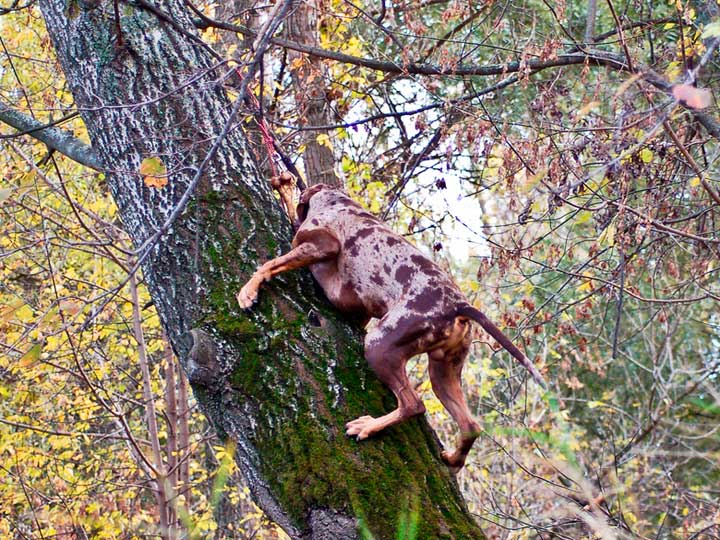
The Catahoula Leopard Dog is very playful, curious, and energetic, eager to please its owner. It is sociable, but not overly intrusive. In work and on walks, it follows its hunting instinct, which often compels it to move without thinking. In certain situations, this can be dangerous; for example, in a split second, the dog can chase a cat across the road. With strangers, Catahoula dogs are reserved and can be either friendly or aloof, but they are not as carefree and carefree as, for example, Labradors or golden retrieversThe leopard dog is agile, maneuverable, and strong. It can be very persistent in its desires. This is evidenced by the photo of the dog in the gallery climbing a tree for a bone.
The Catahoula has a well-developed territorial instinct. It will protect its home and family, but should not be considered a bodyguard or guard dog. It is aggressive toward other dogs that enter its territory. It gets along well with those it shares a "pack" with, and conflicts are rare. It gets along best with other hunting dogs. It often has a soft spot for cats and small animals. With proper socialization, it can learn to coexist peacefully with other dogs in the household.
Education and training
Like many other hunting breeds, the Catahoula is self-confident and assertive. It's important for the owner to remain the dog's leader to achieve the desired results in training and education. Consistency, fairness, and generous praise for a job well done and reprimand for disobedience are essential, but avoid physical punishment or loud shouting. Without socialization, regular exercise, and mental stimulation, the Catahoula can be difficult to manage.
The Catahoula Leopard Dog boasts a very good memory, so owners should avoid teaching it anything that will be undesirable or unacceptable in the future. Breaking a habit or correcting an adult dog's behavior is virtually impossible.
The patience, time and nerves that the owner spends during the upbringing and training of the leopard dog during the first 1.5-2 years will be rewarded with years spent with a loyal and obedient dog.
Content Features
The Catahoula Leopard Dog is best suited for indoor living, as a full-fledged member of the family. They adapt well to apartment life. Some kennels house dogs in kennels with insulated kennels. In temperate climates, detailed maintenance is complicated by cold winters. Furthermore, the Catahoula requires regular socialization. Left alone, without work or companionship, they become destructive and develop other bad habits.
Those considering keeping a Catahoula as a pet should remember that this is a working breed with a strong hunting instinct. This dog has a high energy level, is agile and energetic, and requires substantial exercise. Without regular exercise and mental stimulation, it will be unhappy. In addition to regular walks with exercises and games, regular long walks in the woods are recommended. In warmer months, swimming is also beneficial.
Care
Catahoula grooming is easy. Seasonal shedding is moderate, and light during other seasons. Weekly brushing with a brush or mitten for short-haired breeds is recommended. Bathing is infrequent, usually every 2-3 months. Ears are regularly inspected and cleaned as needed. Nails are normally self-wearing. If not, they need to be trimmed to an optimal length. It's best to accustom your puppy to having his teeth brushed at least once a week from an early age.
Nutrition
Regarding nutrition, there are no specific feeding recommendations for a leopard dog. The main thing is to provide it with a balanced diet that is appropriate for its age, size, and activity level. This can be homemade or prepared dry food. In the former case, the diet should include meat and by-products (at a rate of 40g/kg for growing puppies and 10-15g/kg for adult dogs), cereals, vegetables, eggs, and fermented milk products. In the prepared food line, preference is given to premium-class diets for medium-sized dogs that lead active lifestyles.
Health and life expectancy
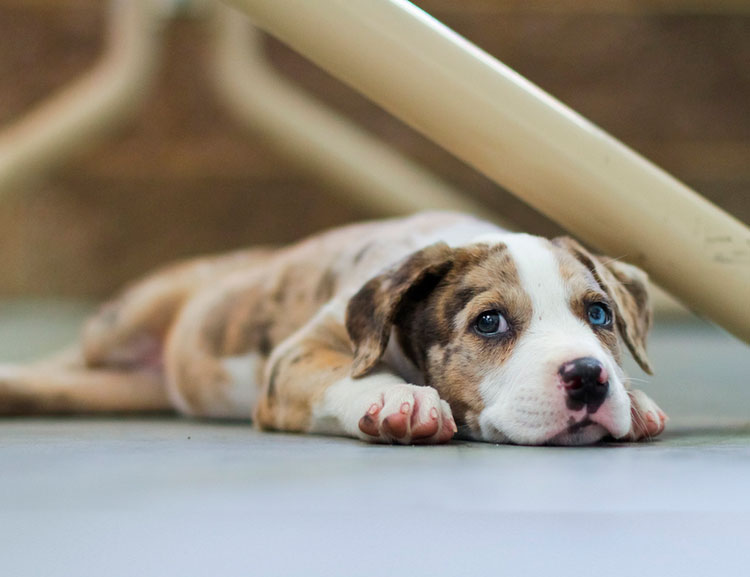
The Catahoula Leopard Dog is considered a healthy breed. Hip dysplasia is relatively rare. Other hereditary conditions associated with the merle coat include:
- Ophthalmological diseases, blindness;
- Unilateral or bilateral deafness, early hearing loss;
- Potential mortality of newborn puppies or embryos;
- The risk of birth defects. These are most often puppies missing an ear or eye. Puppies with severe sensory organ anomalies die in utero or shortly after birth.
- Partial or complete sterility, sperm deficiency in males.
Responsible breeders use genetic testing of their breeding stock to reduce the risk of illness in puppies. Also important for maintaining a dog's health are timely vaccinations, parasite treatment, nutritious nutrition, care, and a good living environment, including adequate exercise. Life expectancy is usually 11-13 years.
Where to buy a Catahoula Leopard Dog puppy
Outside of their native land, the Catahoula Leopard Dog is extremely rare. About 20 kennels are located in the United States, and the majority of the population is concentrated there. There are approximately the same number of kennels in Europe, but the total number of dogs is significantly smaller, with most living in Germany, Slovakia, and the Czech Republic. As of 2014, there was only one representative of the breed in Russia, in Yekaterinburg. The number of Catahoula Leopard Dogs is increasing every year. Currently, there is only one kennel, which began operations in 2015. However, individual owners also occasionally breed, so advertisements for Catahoula Leopard Dog puppies for sale are rare, though still present on online marketplaces.
Price
Puppies of this exclusive, rare breed typically cost around 80,000-100,000 rubles. European breeders ask an average of 3,000 euros for a leopard print puppy. Individual specimens for breeding and exhibition purposes can cost more.
Photos
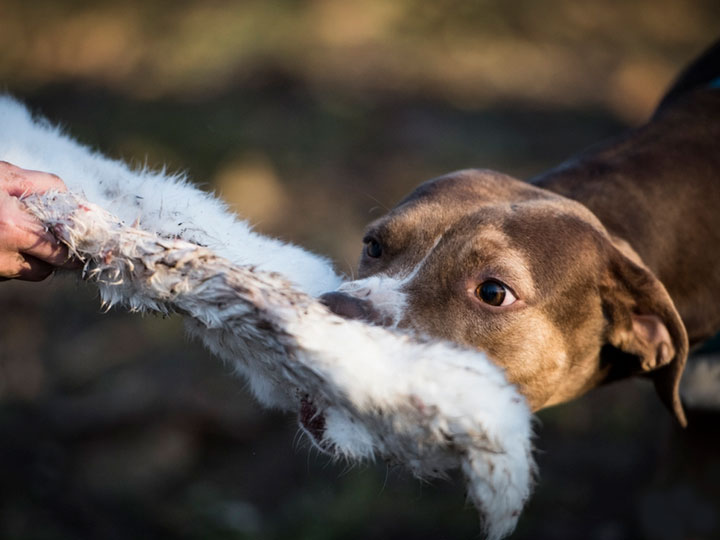
The gallery contains photographs of adult dogs and puppies of the Catahoula Leopard Dog breed.
Read also:


Add a comment