
Leukemia in cats: symptoms and treatment
Leukemia is a highly contagious viral infection that causes irreversible damage to cats and is virtually untreatable. The risk of developing leukemia is higher in cats with weakened immune systems and those who are not restricted from traveling outdoors. Cat owners should be aware of the symptoms of the infection so they can take prompt action if necessary.
Routes of infection
The causative agent of viral leukemia is an RNA-containing virus of the retrovirus family, which actively replicates in young, rapidly dividing cells of the body (bone marrow, epithelium of the gastrointestinal tract, and respiratory system). It can be found in grass, bodies of water, and trees, and can also be carried by blood-sucking insects after the bite of an infected cat. The virus survives in the environment for about two days, but is destroyed by low temperatures, heat, and exposure to disinfectants.
When a cat becomes infected during pregnancy, the virus affects not only the adult body but also the fetuses: kittens are often stillborn or unable to survive. Furthermore, viral microorganisms are excreted in milk, tears, saliva, urine, and blood, so an infected animal can transmit leukemia to any feline. A pet can become infected through shared dishes, litter boxes, playing with another cat, mating, or through bites or grooming by another animal.

Important! Feline leukemia virus does not pose a danger to humans. The human disease is non-viral and is most likely caused by genetic chromosomal abnormalities or living in areas with elevated radiation levels.
Symptoms and forms of the disease
Leukemia in cats is always associated with a severe weakening of the immune system, which manifests itself in frequent illnesses with additional complications and relapses. Symptoms depend on the presence of a secondary infection, but the following are common:
- frequent increase in temperature;
- increased drowsiness and refusal to play active games;
- loss of appetite or refusal to eat;
- enlargement and soreness of the lymph nodes.
In addition, depending on the location of the virus, the following may be observed:
- increased salivation (when the virus is present in the salivary glands and their function is disrupted);
- vomiting and diarrhea (if the intestines are affected);
- glaucoma and uveitis (in case of eye lesions);
- unsteadiness of gait, paralysis of the limbs (in case of spinal cord damage).
Rapidly developing leukemia in cats causes anemia, the development of lymphosarcomas or other oncological neoplasms.
Depending on the animal's immunity, viral leukemia can exist in one of the following forms:
- Temporary (transient) – occurs quite rarely in animals with strong immune systems, when the virus is completely suppressed. The pathogen remains in urine and saliva for about three months, after which it is completely eliminated by the body, the immune system recovers, and the animal recovers.
- Latent infection is typical for animals with strong immune systems, where the virus is present in tissues but does not replicate. A cat can carry the virus for several years, which does not affect its health but poses a danger to other animals.
- Persistent (viral replication) – develops when a weakened immune system fails to prevent the virus from penetrating the bone marrow, and it is carried by white blood cells throughout the body. The gastrointestinal tract, respiratory system, bladder, and skin are primarily affected.
Diagnostics
Only a veterinarian can make a diagnosis after conducting a series of tests, including:
- PCR (polymerase chain reaction) is a rapid test with a high percentage of accuracy for checking the presence of the virus in the bone marrow;
- Enzyme-linked immunosorbent assay (ELISA) is a rapid test to check for the presence of viral waste products in the blood;
- general blood test – to identify blood composition disorders and inflammatory processes;
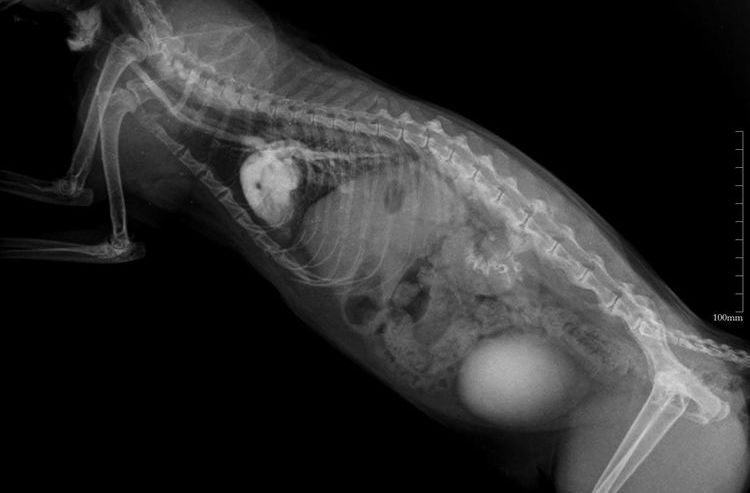
- X-ray, ultrasound and MRI diagnostics – to detect tumors or disorders in the functioning of individual organs and systems.
If the test results are negative or questionable, but there are clear symptoms of the disease, they are repeated after a certain period of time.
Treatment
Currently, there is no drug capable of completely eradicating the leukemia virus, so treatment for the disease consists of symptomatic therapy and immune support. The following are prescribed as part of the treatment for viral leukemia:
- Immunostimulants, the list of which is compiled by a veterinarian based on the animal's overall health. For this purpose, medications prescribed for HIV infection (Interferon, Raltegravir or Isentress, Azidothymidine) are commonly used.
- Broad-spectrum antibiotics depending on the location of the pathogen (penicillins, cephalosporins, quinolones).
- Antianemic therapy and blood transfusion.
- Chemotherapy is used in severe cases where cancer has advanced and the pathological processes must be stopped. Proper treatment can reduce tumor size, but repeat courses are often required after several months.
Important! Immunomodulators are not used for leukemia, as they negatively affect young cells capable of dividing.
As a complementary therapy, it's essential to provide a high-quality, balanced diet, with all meals cooked thoroughly. This will prevent pathogens from entering the weakened cat's body along with food.
Once the animal's condition has stabilized, it is necessary to regularly visit the veterinarian to adjust the immunostimulating therapy and assess the overall health.
A pet with leukemia must be quarantined for life to prevent infection of other animals and protect the pet from other infections. The survival time of a cat with this diagnosis depends on the severity of the virus and how long the immune system can be maintained. With proper care, this can delay the tragic outcome by several years, but even the most optimistic prognosis typically does not exceed four years.
Prevention
Given the high contagiousness and prevalence of leukemia, the best thing an owner can do to prevent it is to vaccinate their pet on time:
- for kittens – once;
- for adults – once a year.
Before vaccination, a test for leukemia is mandatory, as the disease can sometimes be latent, and the vaccine may trigger reactivation of the virus. It should also be noted that the vaccine does not guarantee 100% protection and is not suitable for weakened animals.
Read also:
- Pain relievers for cats
- Calicivirus infection in cats: symptoms and treatment
- Osteochondrodysplasia in Scottish Fold cats


Add a comment