
Features of feeding cats with therapeutic food
Pets, like people, sometimes get sick. They are prescribed medications, undergo diagnostic tests, and even undergo surgeries. They are also prescribed special food. Medicated cat food is a common and important component in the treatment or prevention of illnesses. How do you choose the right one? What to look for, and how to properly rotate or change it—we'll tell you in our article. Important! First and foremost, we want to warn you not to self-medicate or diagnose yourself. Medicated cat food is prescribed only as directed by a veterinarian and only based on a diagnosis.
Content
What types of medicinal food are there?
So, our cat was given a disappointing diagnosis and was advised to eat only a specific type of therapeutic food. Let's take a quick tour of the matter.
Firstly, there is dry food and wet food (in canned form). Secondly, it is specialized by disease groups. Some are intended for animals with urolithiasisOthers are for pets with digestive disorders. Still others are for cats and dogs with frequent allergies. Still others are used for feeding animals diagnosed with diabetes or obesity.
Each food is produced with the specific needs of a sick cat in mind. Therefore, feeding a healthy cat specialized therapeutic foods can impair the pet's metabolism. This can lead to the development of urolithiasis or even diabetes mellitusTherefore, it is very important to first visit a veterinarian so that they can explain to you what kind of food is necessary for your specific case.
How to properly feed medicinal food
Never mix medicated and regular food. This will render your pet's treatment ineffective. Medicated canned food and other foods should be fed separately from other foods. There are other nuances to properly feeding medicated food, which are described below.
- Do not mix with natural foods. Do not add to cereal, canned food, or meat. Even regular food should not be mixed with natural food. Be especially careful when filling your pet's bowl with food if you have been diagnosed with urolithiasis.
- Don't overfeed your four-legged friend. And it doesn't matter that he's not obese. The fact is, too much vitamins and minerals can also be harmful.
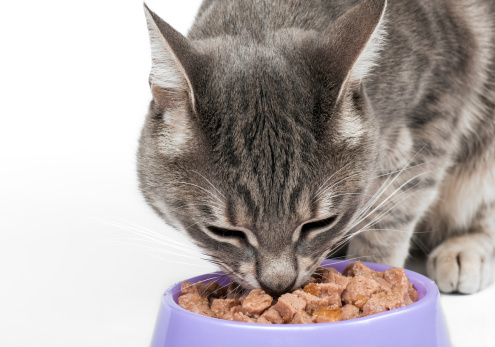
Food is not a complete treatment
This is simply a type of diet that helps normalize metabolism, which will make the illness easier to cope with. Without medication, a full recovery will not occur. Furthermore, some diseases, such as diabetes or allergies, are lifelong, so it is essential to feed your cat only the therapeutic food prescribed by your veterinarian. This will ensure your pet receives all the necessary nutrients without disrupting their metabolism.
Gradual transition from regular food to therapeutic food
If your pet is stubborn about eating the healthy food prescribed by your veterinarian, you can try a trick: mixing the medicated food with the regular food for a couple of days, gradually reducing the concentration of the regular food, and eventually replacing it entirely with the medicated food. Over time, your pet will get used to the new taste and stop turning away from the bowl with a disgruntled, hungry face.
And, of course, it's worth paying attention to where you buy food for your cat.
Read also:


Add a comment