
Landseer (European-continental type)
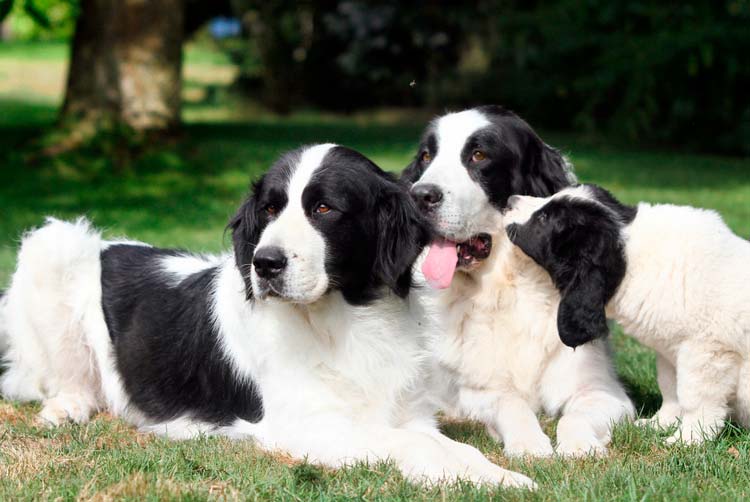
The Landseer (European-Continental type) is a very large, powerful dog with a black and white coat and soft, long hair. It is less well-known and popular than its closest relative, theNewfoundlandAlthough the two breeds are very similar in appearance and character, the Landseer is primarily positioned as a companion dog. It can also be used as a service dog, suitable for water work and search and rescue. It has a gentle disposition but is also capable of protecting others. The Landseer is an intelligent and multi-talented individual.
Content
History of origin
Little is known about the origins of the Landseer. In the 18th century, dogs from Newfoundland and neighboring islands began to be brought to Europe, but their ancestors can only be guessed at. Perhaps they were the large dogs of the Vikings or the black bear dogs of Leif Eriksson, the discoverer of Greenland. It is believed that black and white dogs originally inhabited Newfoundland, while black dogs were found on the neighboring islands of Saint Pierre and Miquelon. These dogs varied not only in color but also in anatomy.
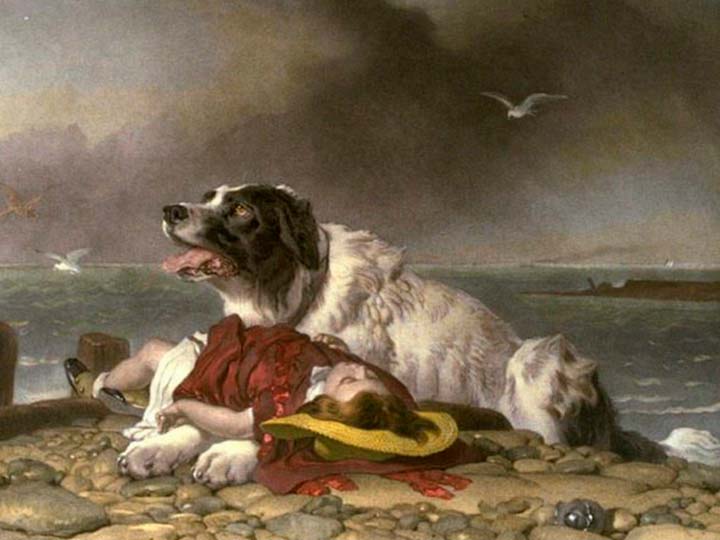
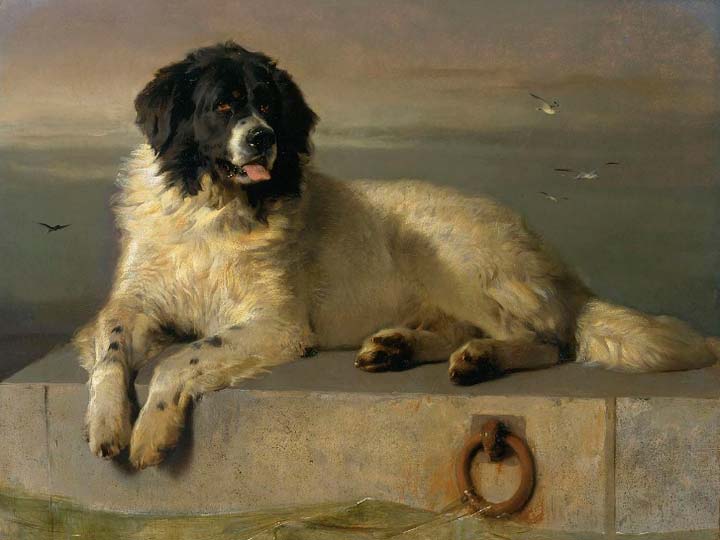
The artist E. G. Landseer played a significant role in popularizing the breed, depicting black-and-white rescue dogs and sailors' chief assistants. His most famous works are "A Worthy Member of the Humane Society" (1838) and "The Rescued" (1856). These and other paintings brought the artist immense popularity and the dogs his name. (Photos of both paintings are presented in the gallery at the end of this article.)
The English Kennel Club began registering black-and-white Newfoundlands in 1870, but by then they were being rapidly replaced by black dogs. The best of the remaining black-and-white Newfoundlands were exported to German and Swiss breeders. They then began developing their own continental type, infusing Landseer blood into the breed. Pyrenean mountain dogs, St. Bernards Some other breeds. German breeder Otto Walterspiel made a significant contribution to the breed's development. In 1960, the Landseer (European Continental Type) was recognized as a distinct breed by the Fédération Cynologique Internationale (FCI).
Video about the Landseer dog breed (European continental type):
Appearance, standards and differences
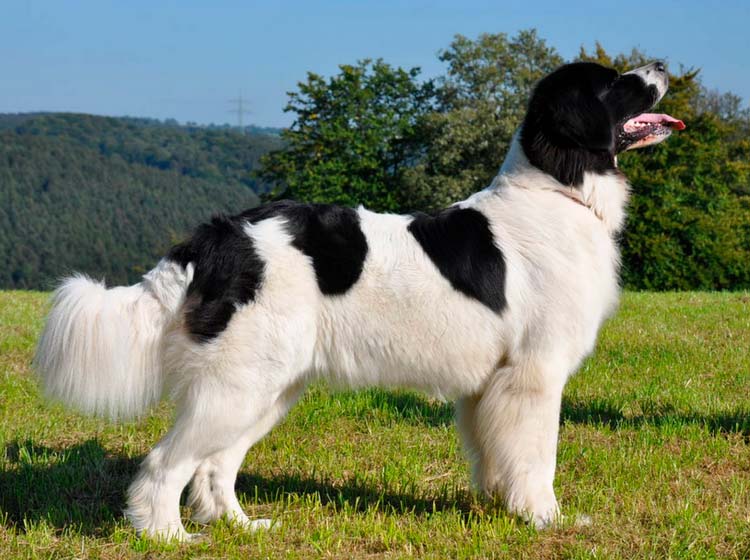
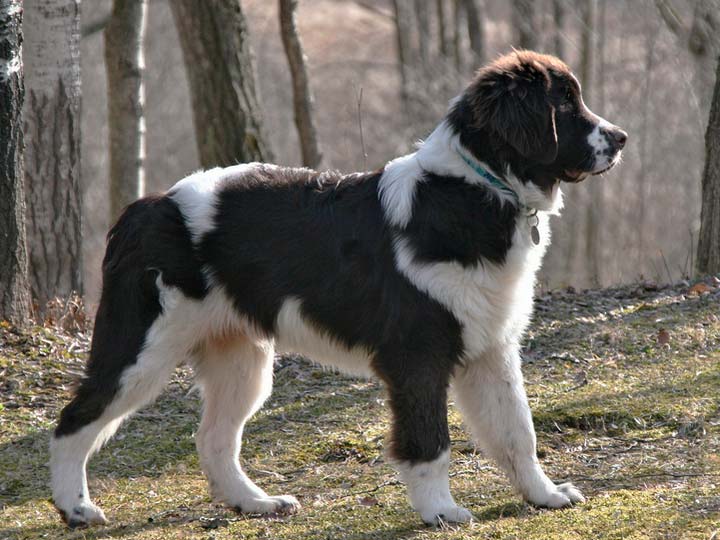
In my own way building The Landseer is a large, strong, harmoniously complex dog. Males stand 72-80 cm at the withers and weigh 60-75 kg; females stand 67-72 cm and weigh 50-55 kg. Their gait is free, with a good reach and a long stride.
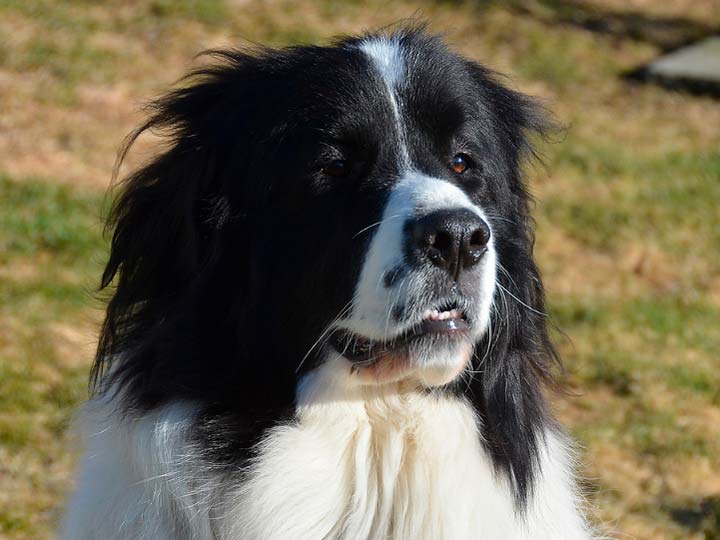
The head is of the Molossian type: strong, prominent, and square. The scalp is free from wrinkles and covered with short, soft hair. The skull is massive and broad. The occipital protuberance is well defined. The stop is distinct. The nose is black. The lips are dry and black, forming small flews. The bite is scissor-like. The eyes are deep-set, almond-shaped, and brown. The conjunctiva should not be visible. The ears are medium-sized with rounded tips, triangular, set high, and hanging down to the sides of the head.
The neck is broad and muscular, with no pronounced dewlap. The body is strong and broad, measuring approximately twice the length of the head from the withers to the base of the tail. The chest is broad and deep, with well-sprung ribs. The back is straight. The belly is slightly tucked up, and the sides are flat. The tail is thick, richly furred, hanging just below the hocks, and may be raised to the level of the back when moving. The legs have substantial bone structure, are correctly angulated, and are well muscled. Dewclaws undesirable. The paws are well-knit, round, large, and the toes are firmly webbed.
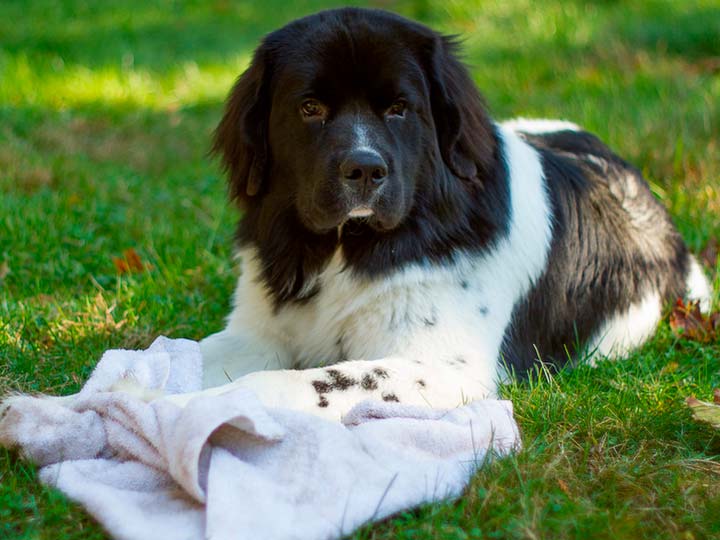
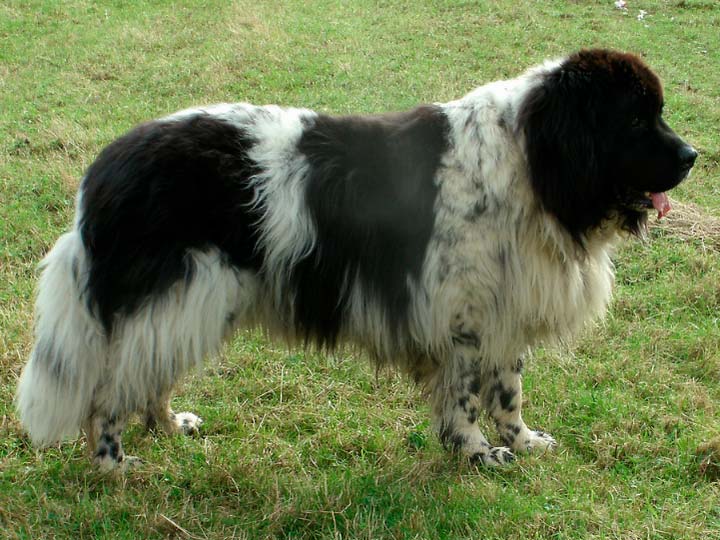
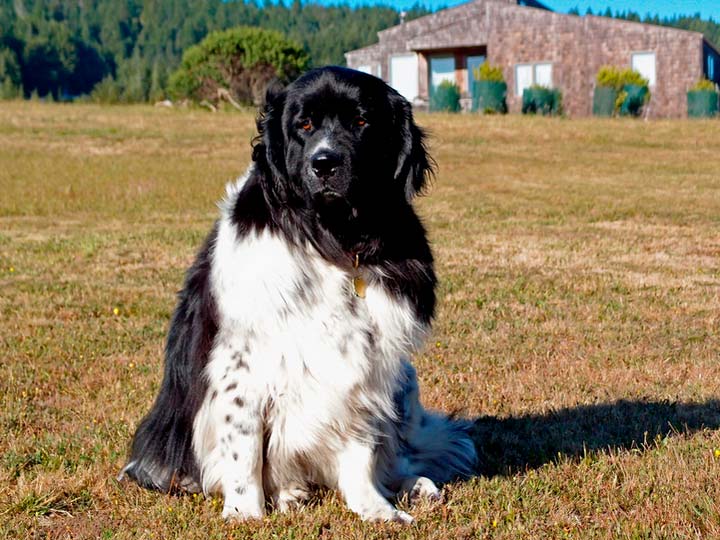
The coat is long, soft, straight, and dense, with a well-developed undercoat. Only the head is soft and short. The coat is white with distinct black markings on the body and croup, and the head is black with a white muzzle and symmetrical flowing fur. Black speckling is permitted.
Confusion surrounding Landseers and Newfoundlands
The Fédération Cynologique Internationale (FCI) recognizes two distinct and independent breeds: the Newfoundland (originating from Canada and England) and the Landseer (European Continental Type) (originating from Germany and Switzerland). The English Kennel Club also recognizes the Landseer (EKT), but only out of respect for the FCI. In America and Canada, the European Landseer is not recognized, but the name "Landseer" is widely used to refer to the black and white color variation of the Newfoundland, hence the common use of the phrase "Landseer Newfoundland."
To complicate matters further, most associations recognize black and white as one of the characteristic colors of the Newfoundland. The American Kennel Club standard (AKC) The most lenient approach to their variety allows: solid black, brown, gray, and black and white. The English Kennel Club and the FCI recognize only black, brown, and black and white Newfoundlands. The Canadian Kennel Club only recognizes black and black and white, which are considered historically correct in that country. The Landseer of the European-Continental type can only be black and white.
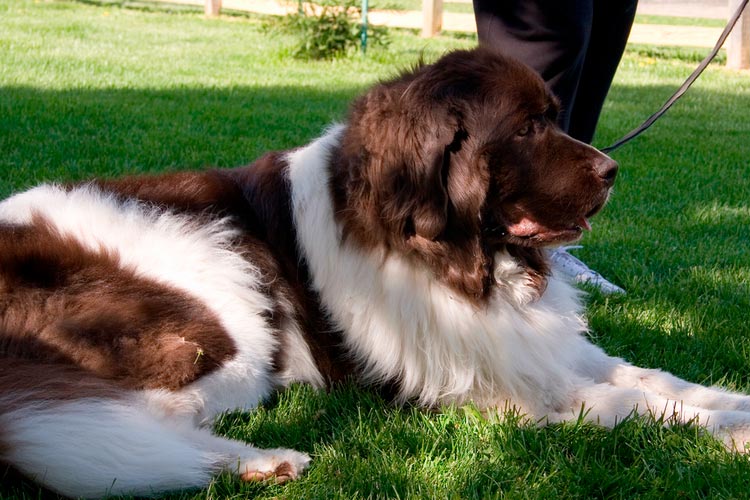
White and brown Landseer: a rare color or a breeding defect
White and brown Landseers are extremely rare. The reason for their scarcity is that no kennel club recognizes this coloring; it is considered a breeding fault, meaning breeders are not interested in breeding it. Selling "faulty" puppies under the slogan "unique dogs with rare colors" is simply a way to attract buyers. Their appearance is "unpredictable" only if breeders don't know or don't care to know the color inheritance of both parents over several generations.
In practice, it's impossible to predict the birth of a brown-and-white puppy. You might get one without even wanting it. And you might never get one even if you dreamed of such a dog.
The difference between a Landseer and a Newfoundland
At first glance, the difference between these two breeds is only in color, which is not entirely true, since Newfoundlands can also be black and white.
- Landseer, if we consider the European-continental type, has higher legs.
- Its head is less massive, including in relation to the body.
- The muzzle is not as blunt as that of a diver.
- The color is only black and white, while Newfoundlands can be black, brown, black and white, gray.
There are also differences in the breed's origins. Selection was carried out in different countries using different methods. Newfoundlands are almost purebred descendants of water dogs from the island of the same name and neighboring islands. German and Swiss breeders infused the black-and-white water dogs with St. Bernards, Great Pyrenees, English Mastiffs, and other breeds.
Character and behavior
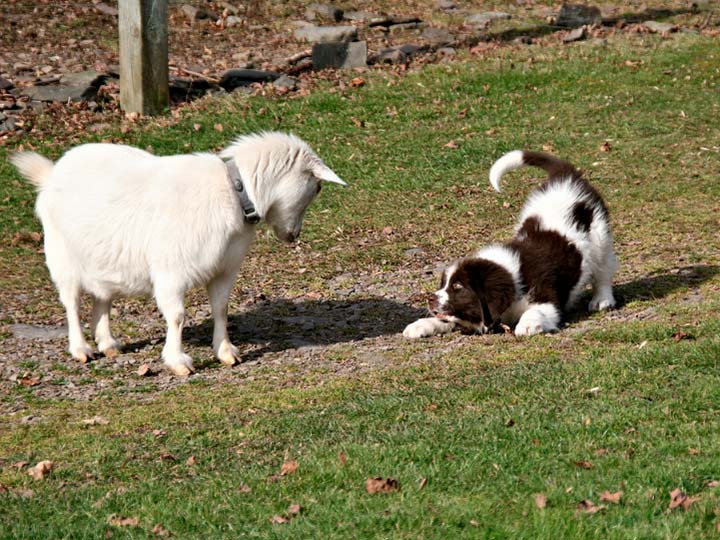
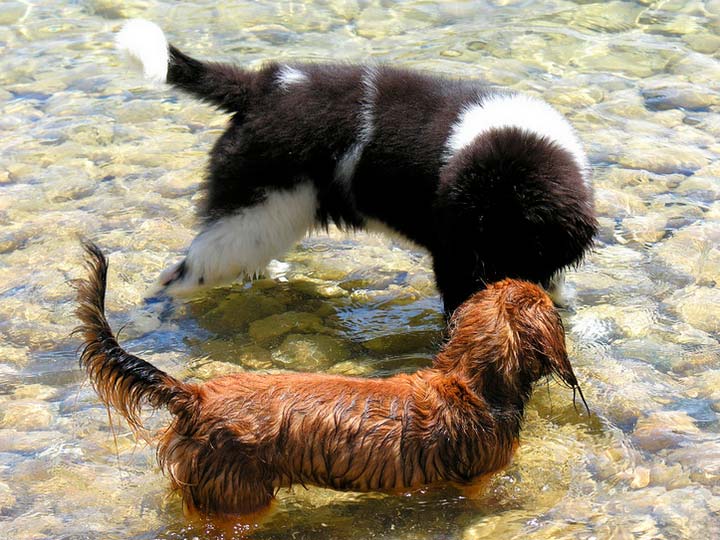
The Landseer, as befits a dog of its size, has a calm, even temperament. He is self-confident and self-assured, aware of his strength and able to use it. He is an excellent swimmer and a wonderful retriever. He strives to be useful. He forms a strong bond with his owner and thrives on close human contact. He is capable of protecting family members and his owner's property, but is primarily a friend and family member, not a guard dog. The Landseer is very affectionate and friendlyHe loves to cuddle and be close, making him an excellent family dog and companion. He never loses his natural calm. to childrenWary of strangers, but not aggressive, until they sense danger from humans. They get along very well with other animals, including dogs of all sizes, cats, and small and large animals.
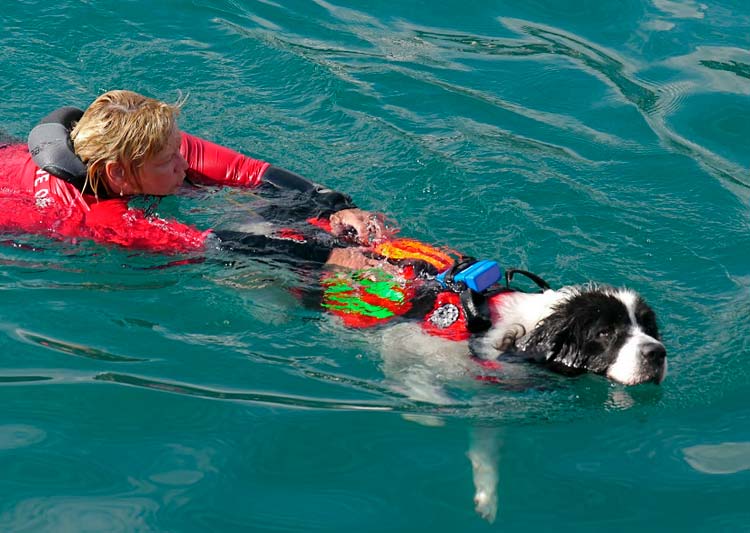
The Landseer's friendliness, easygoing nature, and confident calm, as well as its eagerness to learn and ability to swim and dive, make it suitable for use as a water rescue dog. It is also suitable for search and rescue operations and various sports.
Landseers mature late, both physically and psychologically. They don't fully develop until around three years of age. With proper training, the dog will reveal many positive qualities during this time. It develops slightly different, but always friendly, relationships with all family members. During this period, a Landseer puppy and a small child should not be left unattended; the dog may miscalculate its strength and push the child. A Landseer is accustomed to being alone during the day, but does not tolerate lack of attention or prolonged loneliness.
Education and training
The Landseer requires serious, consistent training. Training is difficult. The dog is quite stubborn and not prone to unquestioning obedience, preferring to think and make decisions independently. It won't jump for a treat or obey every command at once. The owner needs to find the right approach and motivation. Training sessions should be very short. When tired or unwilling to obey commands, it displays enviable ingenuity and dramatic skill. It may limp, stubbornly fall to the floor, or claim ill health. It doesn't obey commands immediately. It seems to think things through first, weighing the pros and cons, and only then decide whether to please or annoy its owner.
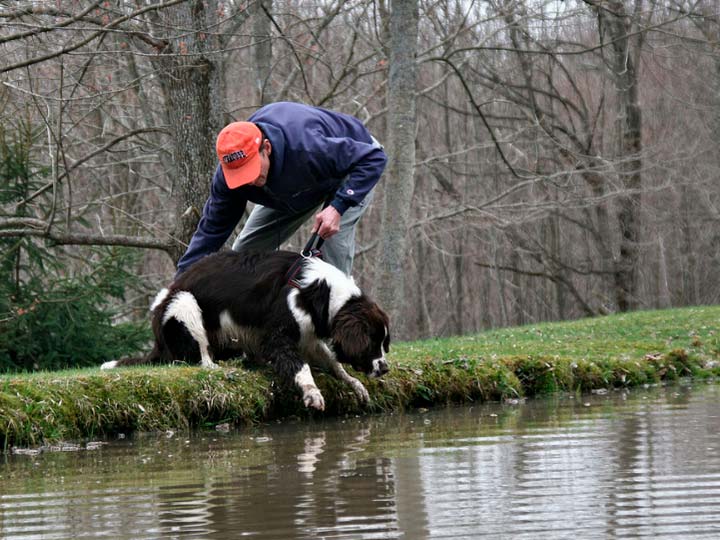
From an early age, it's important to introduce your puppy to water and teach him how to behave around it. He shouldn't jump on people swimming or try to drag things to the shore that shouldn't be there.
Content Features
The ideal environment for a Landseer is a private home with a large yard. Landseers should not be considered guard dogs or kept on a chain. Apartment life is not ideal and presents a number of challenges. For proper physical development, it is important for a puppy to have ample free movement, rather than being left to walk on a leash for as long as the owner desires. Equally important for an adult dog is the opportunity to run freely throughout the day. Landseers shed heavily during the off-season. The shedding is less noticeable during the rest of the year, but even with regular brushing, some hair will still fall out. Drooling is heavy, but not constant. Excessive drooling is associated with excitement before play, mealtime, or when the owner is returning from work.
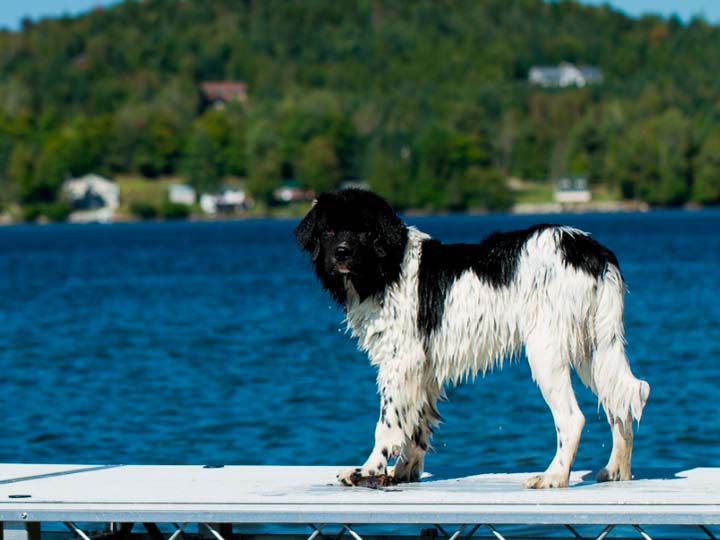
The Landseer is moderately active. Energy and endurance also depend on their level of fitness. They can be a great companion on long hikes and jogging. Most Landseers love to swim, and are adept at diving and retrieving from water. Therefore, during warmer months, it's a good idea to provide the dog with access to swimming.
Care
Landseer grooming is simple. To maintain a neat appearance, the dog requires regular brushing, 1-2 times a week. Bathe as needed, 2-3 times a year.
The coat is self-cleaning, even if the dog comes out of the water and then rolls in the mud; after drying, it will become snow-white again.
Once a week, you should inspect the ears and clean them of wax buildup if necessary. Also, keep your puppy's eyes clean. To prevent dental disease, you can acclimate your puppy to brushing teeth and perform the procedure 1-2 times a week. Otherwise, you'll need to have the plaque removed by a veterinarian in a timely manner.
Nutrition
The nutritional needs of a Landseer are influenced by several factors: age, height, weight, activity, health, allergy, time of year. You should be especially careful about your dog's diet during the growth and development period. You can feed a Landseer natural products, and prepared dry food. In the former case, providing the dog with a complete diet is not enough; it needs to be supplemented with vitamin and mineral supplements. When feeding commercial food for large and giant breeds above the super-premium class, no supplements are required. Landseers are generally not picky eaters and adapt to a set routine and menu.
Diet adjustments are necessary only in cases of illness, allergies, or excess weight gain. Owners should be especially careful about preventing gastric torsion, which can be triggered in dogs.
Health and life expectancy
The modern Landseer is a healthy and resilient dog, both physiologically and psychologically. Genetically, the breed is considered to be relatively healthy. Some time ago, many dogs were found with hip dysplasia, but today this problem has been almost completely eliminated. Unfortunately, the same cannot yet be said for other hereditary conditions:
- Subaortic stenosis;
- Urolithiasis;
- Otitis of various etiologies;
- Allergy;
- Epilepsy;
- Predisposition to gastric and intestinal volvulus.
The lifespan is typically 10-11 years. A full medical examination is recommended once a year. Other veterinary and preventive measures are according to generally accepted guidelines.
Choosing a Landseer Puppy (EKT)
The Landseer is a very rare and little-known breed in Russia and the CIS. The majority of these dogs are concentrated in Central Europe. In America, Canada, and the UK, where the Landseer is considered a variety of Newfoundland, the number of dogs is even minimal.
A litter typically contains between 4 and 12 puppies. They grow somewhat more slowly than other breeds of similar size. A three-month-old Landseer puppy may appear significantly smaller than a Newfoundland puppy of the same age. This situation persists until they are 12 to 18 months old. The breeder from whom you plan to purchase a Landseer should ensure that their puppies are provided with a balanced diet, are dewormed on time, and are vaccinated according to age. Free range is also important, as it allows the puppies to develop properly physically and psychologically.
In appearance, puppies should be strong and healthy, curious, playful, and active, with a good appetite. It's important that puppies meet the standard, at least in those areas that can be assessed at 2-3 months of age (color, bite, ear placement and eye position, pigmentation of the eyelids, lips, and nose, etc.).
The only proof of a puppy's breed is the birth certificate, which is issued to puppies from a planned litter at the age of 45 days.
Price
The price of a Landseer puppy (EKT) typically ranges from 50,000 to 70,000 rubles. Pet-class puppies are less expensive: 35,000 to 40,000 rubles. The price of promising puppies from elite breeders or adolescents can reach 110,000 rubles.
Photos
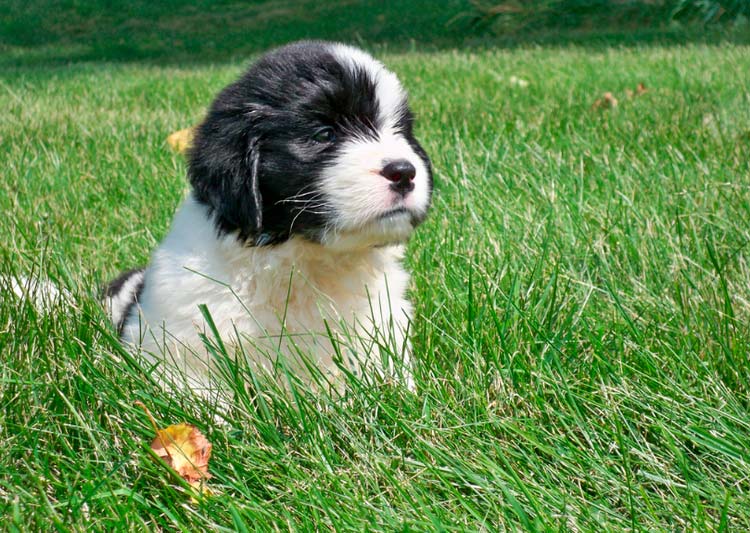
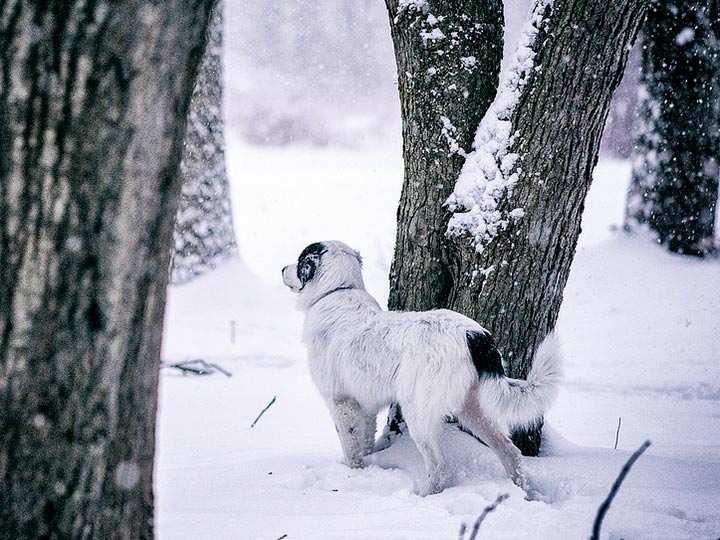
The gallery contains photos of puppies and adult dogs of the Landseer breed (European-continental type).
Read also:
- White Swiss Shepherd (American-Canadian Shepherd)
- Continental Bulldog (Pickwick Bulldog, Pickwick)
- Coonhound


Add a comment