
Dog treats
If you want to pamper your pet or reward them for completing a command, you'll definitely need dog treats. But what kind should they be to ensure they don't harm your pet's health? Are there any that are both healthy and tasty? How can you make your own dog treats?
Content
What are dog treats?
Dog treats are a form of reward, a sign of approval and gratitude; for some, they're even a symbol of their owner's love. They're ideal for training dogs to reinforce a particular command or to disguise medication that's difficult to administer.
When feeding your pet treats, be careful not to spoil them or spoil their appetite by giving them treats between meals. They're perfect for those who want to treat their pet but are aware of the health risks of regular candies and other sweets. But where can you find truly healthy yet delicious dog treats?
How to properly give treats to dogs
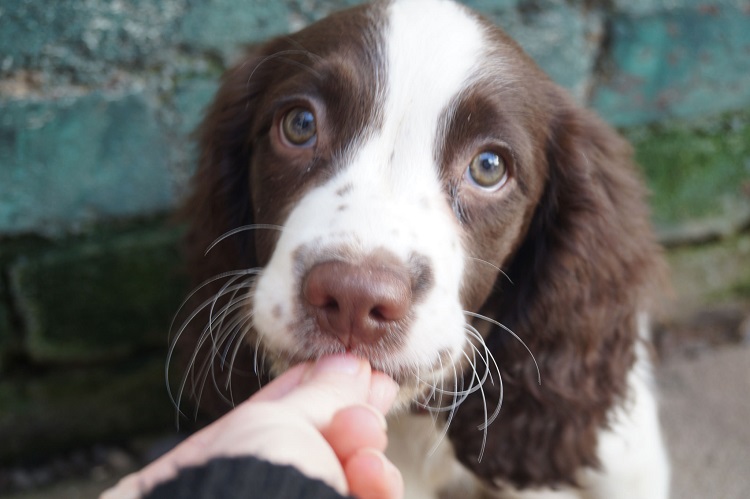
It's not just what you give your pet that matters, but how you give it.
- First of all, remember that the size of the treat is important. It shouldn't be larger than your fingernail (and which fingernail depends on your dog's size). Treats that are too large will quickly fill your dog up, and once full, he'll be less likely to exercise, and his appetite will be hopelessly ruined.
- Place treats in a bag somewhere your dog's curious nose won't poke around while you're distracted. But before training, be sure to show him you have plenty of treats. Give him a small sample so he'll taste it and want more. Only then will he follow commands to earn another treat.
- Give rewards for every correct action. Compliance with a command should never go unnoticed.
- Dog treats should be healthy: they should not be high in calories, fatty, or contain foods prohibited for dogs (chocolate, sugar, pork, onions, garlic, etc.).
- If you decide to give your puppy treats for training, start with small portions to ensure that your little one doesn't develop an allergy.
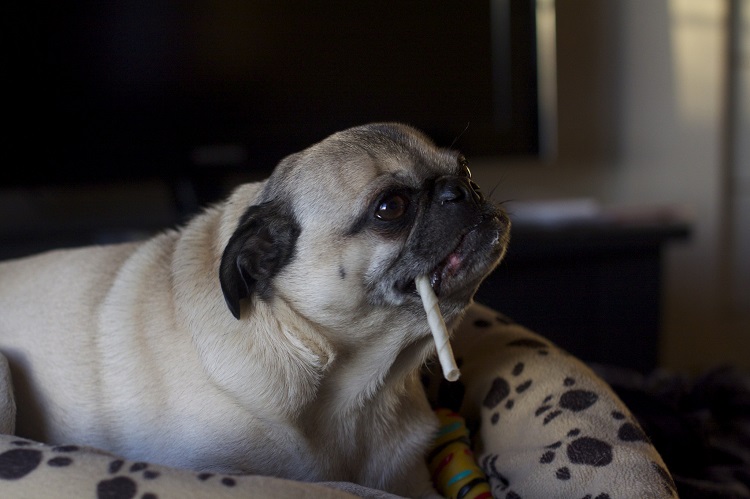
Now about the actual technique of giving treats. After all, an animal might accidentally bite you when it's happily grabbing a treat (especially puppies, who are overwhelmed by their emotions).
- From an open palm. Place the treat on the palm of the hand. Not on the fingers, not between them, but on the palm itself. However, some dogs still manage to accidentally bite their owners even with this method.
- In a raised hand. This method is best used with adult, well-behaved animals that can gently take a treat from their owner's hand. Don't raise your hand too high. Just high enough for the dog to rise up on its hind legs, pushing off the ground slightly with its front legs.
- For "professional" dogs with iron self-control, there is a method of rewarding them by giving them a training treat. on the nose or directly into the mouth. At this moment, the animal should sit or stand still (not move).
How to Make Your Own Dog Treats
There's nothing labor-intensive about making your own dog treats. The hardest part is finding the perfect treat.
Cheese
Some dogs love cheese, but you shouldn't overfeed it because it's fatty and can cause allergies or digestive upset, and it also increases thirst.
Chicken
Other animals love boiled chicken breast or its by-products (for example, gizzards or hearts). The huge advantage is that these products are healthy and low in calories. Perhaps the downside is that this treat is crumbly and very filling. Feeding your dog later can be extremely difficult.
Sausage, hot dogs
Some people happily reward their dogs with pieces of sausage or hot dogs. While it's rare for a dog to refuse such a treat, it's not pet food. These products contain spices, starch, flavorings, and various preservatives that can only cause harm. You can make your own chicken sausages. To do this, grind chicken breasts in a meat grinder until they're minced. You can also finely chop raw carrots or other healthy (but dog-friendly) vegetables. Form the sausage-like shapes using plastic wrap, making sure to roll them tightly so the meat doesn't fall out during cooking. Then, boil your homemade, healthy sausages in boiling water.
Crackers
You can also make your own rye croutons. Dry them in the oven without oil or in the open air, cutting the bread into small cubes.
Dried fruits and vegetables
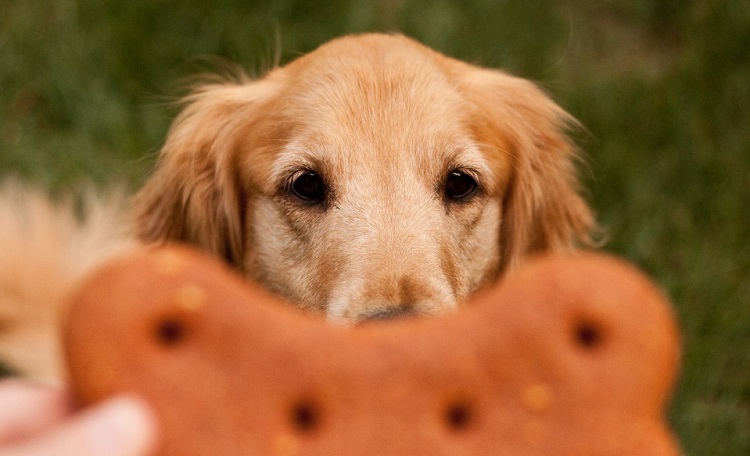
Dried apples and carrots, for example. Just be sure to remove the seeds from the apples. Also, keep the size of each piece in mind. Just don't overfeed your pet, or you'll spoil their appetite with such sweets.
Dried meat and offal
Dried tails, ears, and vertebrae (beef is best, but pork can be used occasionally). You can also dry the pieces in the oven. meat, liver (pre-boil, cut into strips or cubes).
Cookie
You can make your own dog treats, like cookies. Use ground meat, chicken eggs, and rye flour. No spices are needed. Dogs also eat natural ingredients with gusto. Form the cookies and bake them in the oven.
What to choose: handmade or purchased
Here, the owner must decide for themselves: buy a ready-made treat or make one themselves, knowing the full ingredients of the dog treat. If you decide to buy a ready-made one, be sure to buy it from a specialized pet store. Pay attention to storage conditions and the ingredients. Puppies benefit from "toys" made from tendon, which can be shaped like shoes, knots, bones, and even balls. Just be sure to pay attention to the color of the puppy treat. The lighter it is, the healthier it will be (these treats are usually similar to laundry soap, a dirty gray-brown color).
You can also find special cookies, biscuits, and even sponge cake for pet rewards on sale.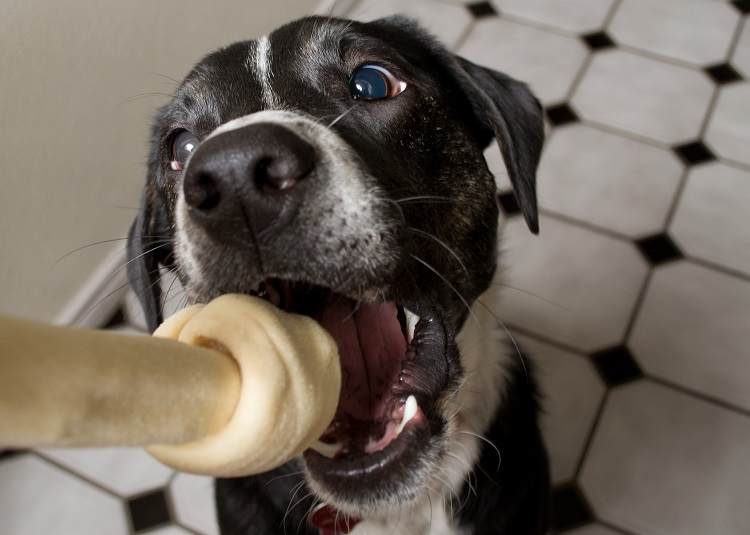
There are also special "tablets" in cardboard boxes. But they should be used with caution (read the ingredients). I wouldn't want to feed my dog chemicals.
If dry dog treats contain ground bones, avoid them. They can damage the mucous membranes of the mouth and digestive organs (esophagus, stomach, and intestines). If a bone fragment injures the dog's gums, it can cause stomatitis.
Read also:
- Training old dogs
- How to teach a dog the "Speak" command
- General dog training course without a trainer


Add a comment