
Labrador Retriever (dog breed)
The Labrador Retriever is an incredibly popular dog breed today, boasting a noble appearance and excellent character without a genetic predisposition to aggression. If you're dreaming of welcoming a Labrador puppy into your home, we recommend thoroughly familiarizing yourself with the current breed standards, the specifics of keeping and training Labradors, as well as learning how and where to choose a healthy puppy and what prices might be in Russian breeders.
Content
Breed characteristics
- original title – Labrador Retriever;
- origin – Canada (Newfoundland island);
- weight – K(27-34 kg), C(25-32 kg);
- height – K(56-57 cm), C(54-56 cm);
- life expectancy – from 12 to 13 years old;
- character - gentle, good-natured, cheerful, easy-going;
- appointment – companion, hunting, service (search and rescue dogs, guide dogs, etc.).
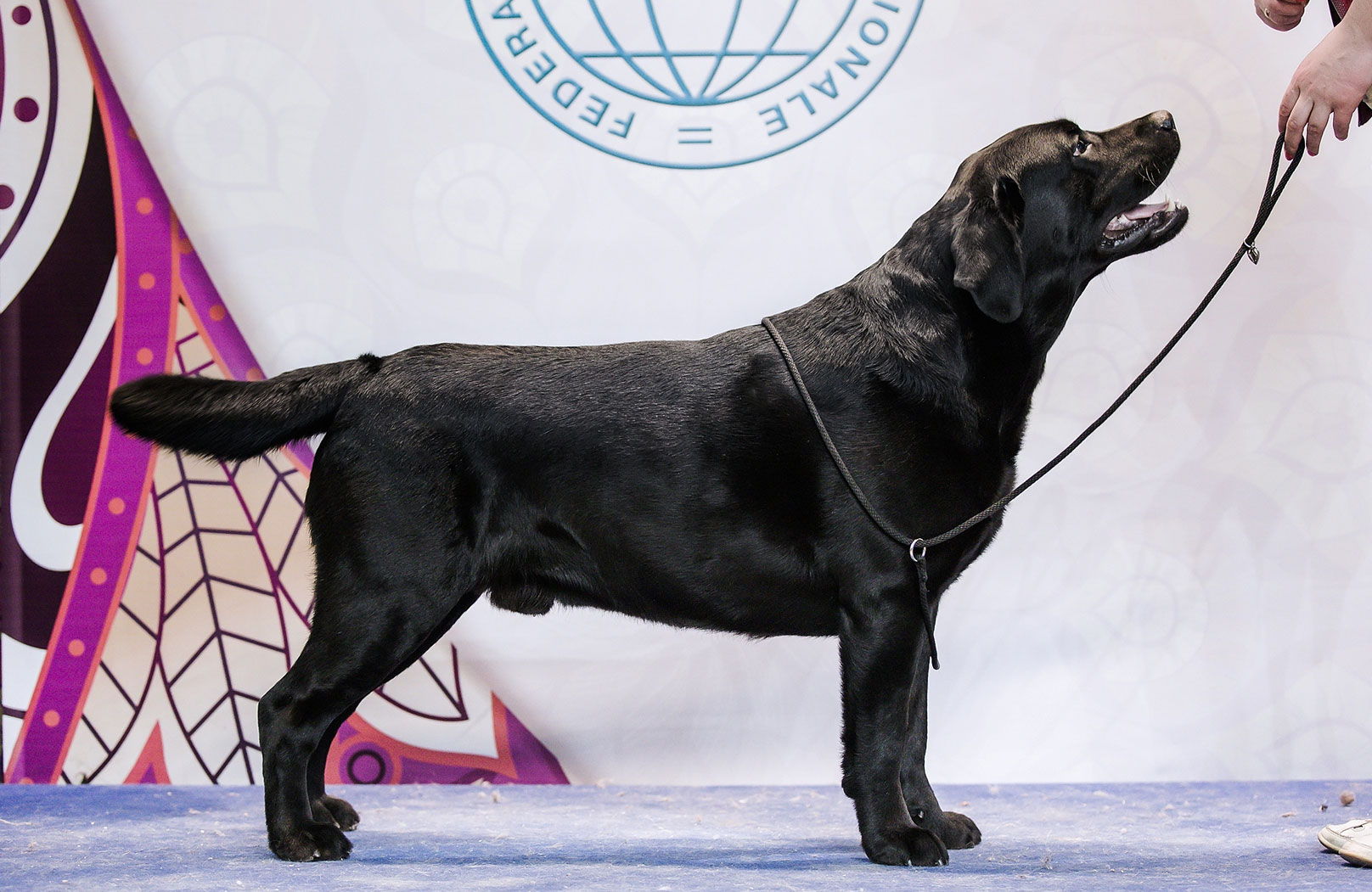
After analyzing reviews from Labrador Retriever owners who have used their pets in a wide variety of activities, we've compiled the following brief description of the breed, divided into five levels:
|
Very low |
Short |
Average |
Above average |
High |
|
aggressiveness noise in the house
|
security qualities |
health difficulty of care attitude towards loneliness |
molting cost of maintenance
|
intelligence trainability activity friendliness |


Origin
The Labrador Retriever breed is believed to have originated on the island of Newfoundland, from which, during the Great Geographical Discoveries, sailors brought these dogs first to England, with which the island had established trade relations, and then on merchant ships to other countries of the world.
Historians believe that Labradors contain genes from the Can Diagua dogs, which sailors kept on their ships in ancient times, using them as messengers, to rescue people lost overboard, and even to catch cod (the animals helped drive schools of fish into nets). This explains why these dogs are so at home in the water—they swim well, love to bathe, and can cover long distances.
The first dogs brought from the island by Peter Hawker were St. John's Breed of Newfoundland (St. John's Water Dogs), which the native Newfoundlanders engaged in commercial fishing used as loyal companions. It is believed that St. John's dogs gave rise to several breeds—Labrador Retrievers, Newfoundlands, and Retrievers—but this cannot be reliably established, as the last representatives of the breed disappeared in the 20th century.
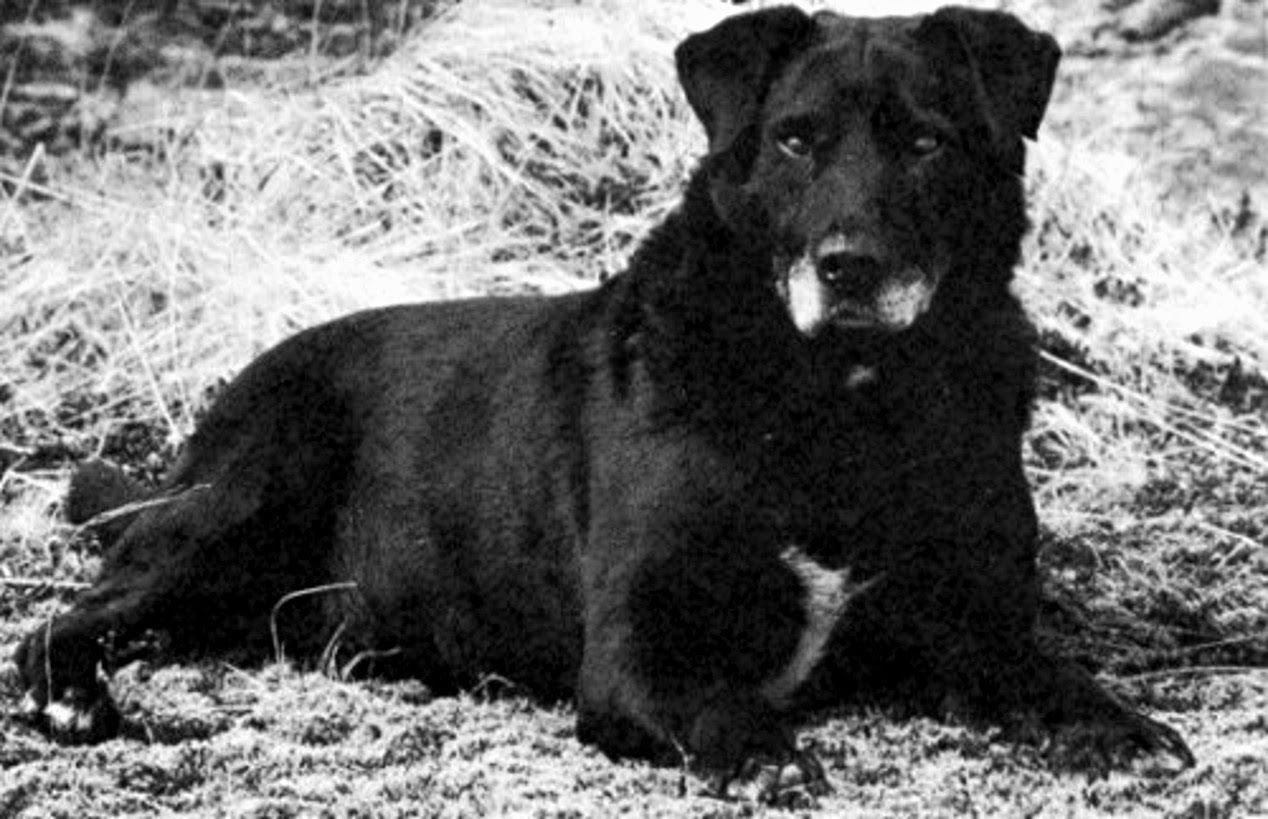
Interesting fact! Scientists put forward two theories about the origin of the Labrador breed's name. The first is that the dogs were brought from the Labrador Sea. The second is that the name sounds similar to "labrodarite," the name for a black volcanic stone common on the islands.
The Labrador breed name appeared in 1870, and the first standard was adopted in 1887. Two aristocrats were the first to breed these dogs in England independently:
- Earl of Malmesbury, who resided in Hampshire;
- Duke of Buccleuch, who lived in Scotland.
After a ban on the import of foreign animals without a license was imposed in 1895, the influx of original island specimens of the breed ceased and domestic selection began. Since hunting had long been the favorite pastime of English aristocrats, efforts were made to attract the new breed to this activity. It turned out that the large and strong dog had a very soft mouth, allowing it to retrieve a downed bird from its owner with virtually no damage to the carcass.
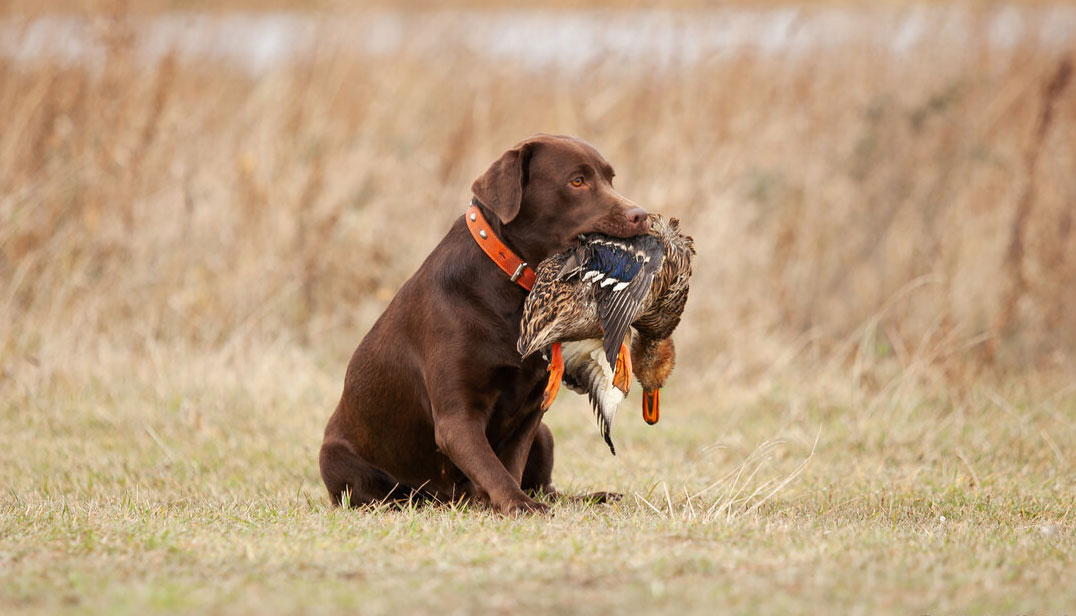
Considering the breed as a hunting one and trying to improve the working qualities of the dogs, breeders crossed them with English Foxhounds, Retrievers and Setters, which determined the exterior features of modern representatives of the breed.
The Kennel Club officially recognized the black Labrador in 1903. Other colors were added to the breed standard only in the late 20th century.
Exterior (external data)
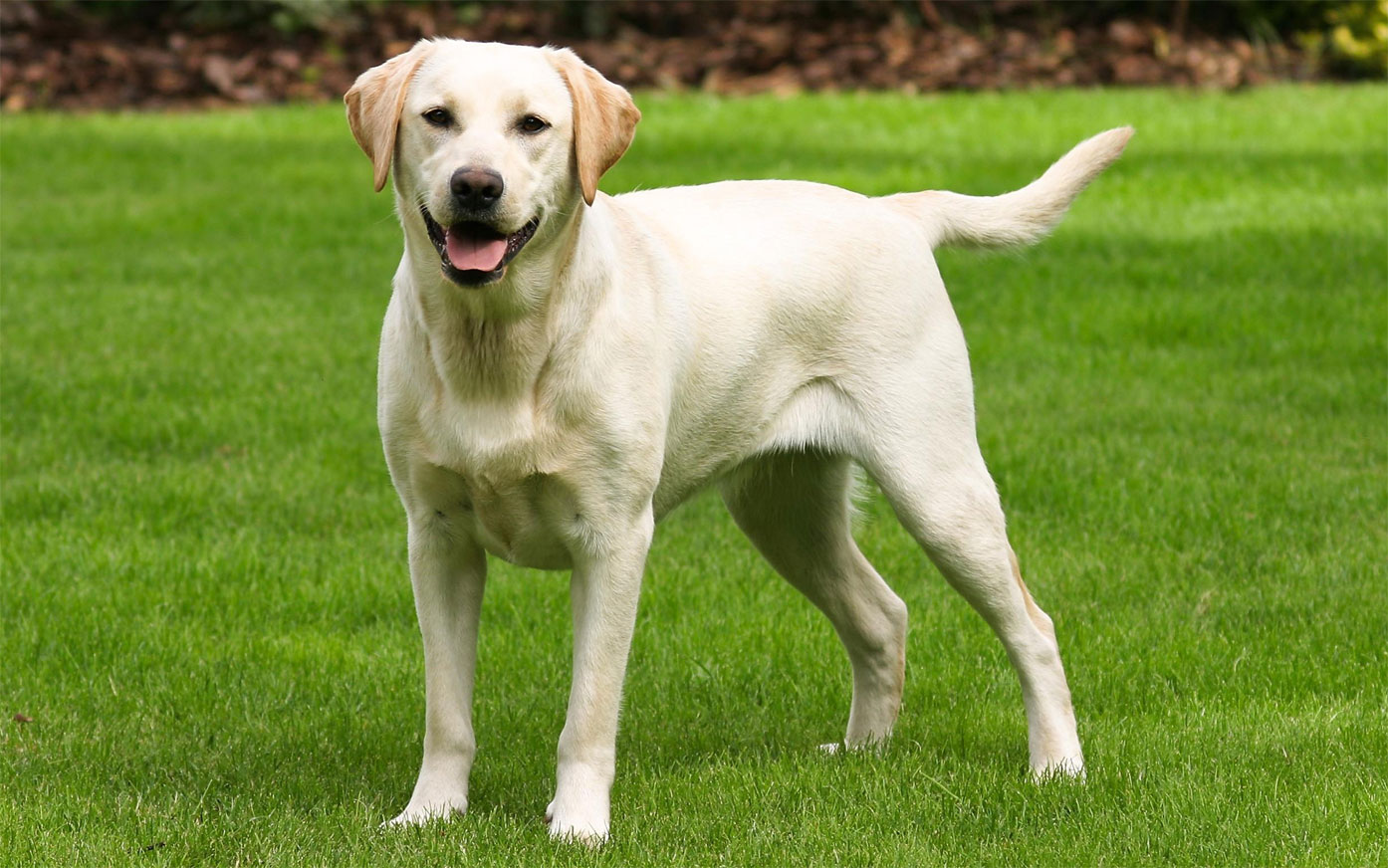
According to the FCI standard adopted in 2011, an adult Labrador is a large, well-built and at the same time quite compact dog, classified by the FCI as belonging to group No. 8 "Retrievers, Spaniels and Water Dogs"
The Labrador's exterior is formed by the following features:
|
Size |
medium-large |
|
Physique |
strong, well-knit |
|
Head |
massive, well balanced |
|
Forehead |
wide, with a clear transition to the muzzle |
|
Muzzle |
moderately long |
|
Nose |
wide, with well-developed nostrils |
|
Eyes |
medium size |
|
Ears |
medium-sized, not heavy, set well back, hanging close to the head |
|
Neck |
strong, powerful |
|
Back |
strong, straight, horizontal |
|
Breast |
wide, deep, massive, barrel-shaped ribs |
|
Small of the back |
wide, short, strong |
|
Paws |
powerful, thick, straight from the elbow |
|
Tail |
massive (otter-shaped), medium length, well-dressed, not curled over the back |
|
Wool |
double, short, thick, without waves or fringes |
|
Undercoat |
thick |
The weight and height of a Labrador are not strictly limited by breed standards, but when evaluating show representatives of the breed, the following ranges are considered ideal:
|
Parameter |
Male dog |
Bitch |
|
Height at withers |
56-57 cm |
54-56 cm |
|
Weight |
29-26 kg |
25-32 kg |
At the same time, in recent years, at European exhibitions, it has become increasingly common to see representatives of the breed reaching only 50 cm at the withers, which has raised concerns among experts who believe that a steady trend towards a reduction in the breed's size is developing.
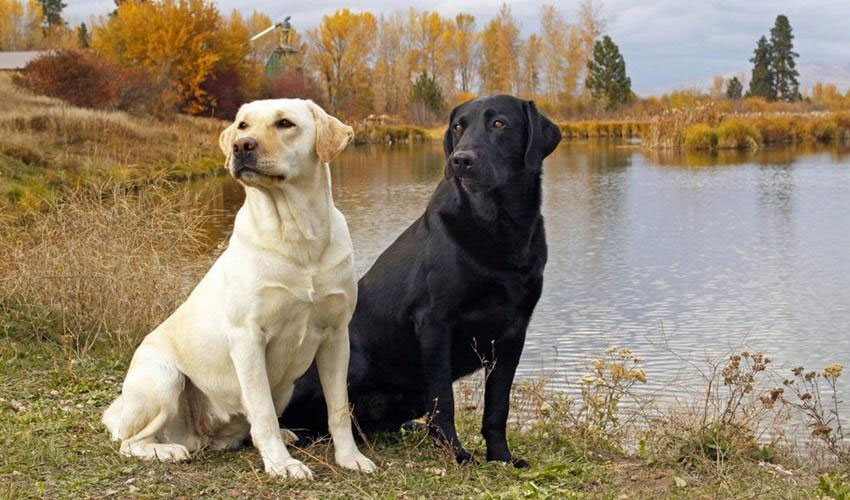
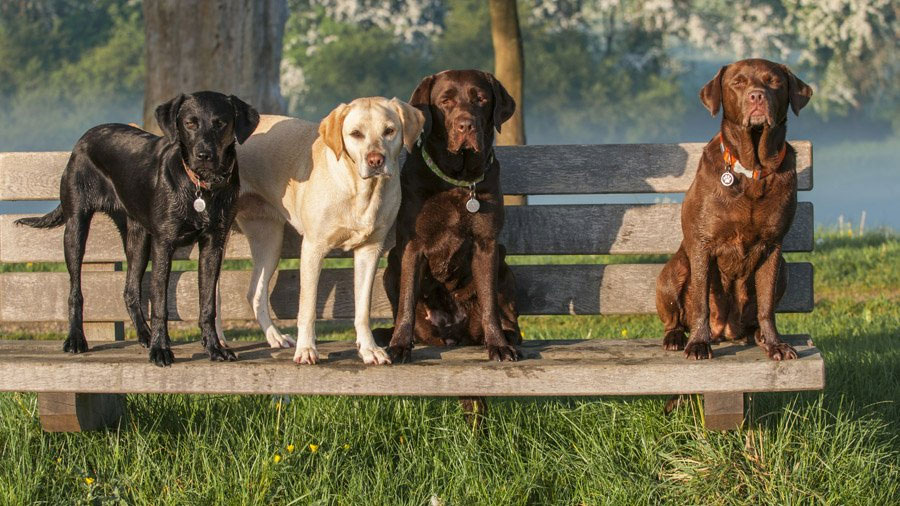
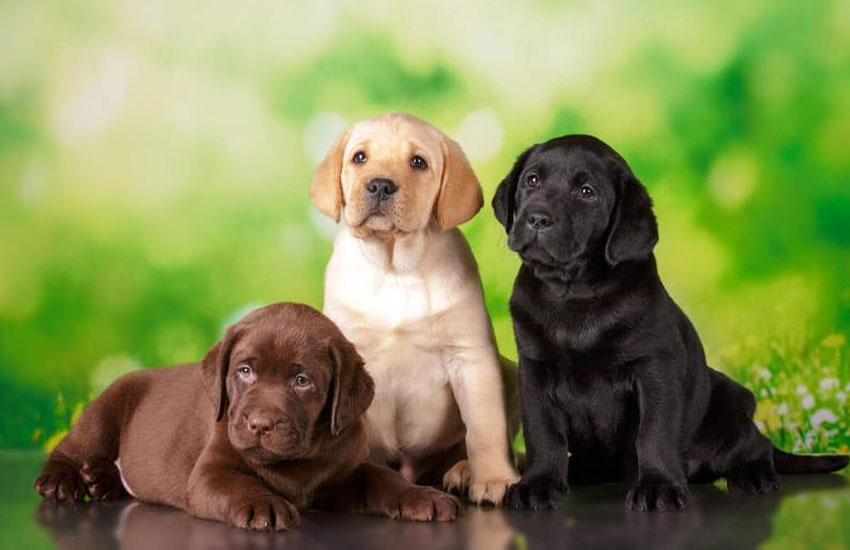
The Labrador Retriever's color can be varied:
- monochromatic - black or chocolate;
- fawn – from cream to rich red.
In all color variations, the presence of a small white spot on the chest is considered acceptable.
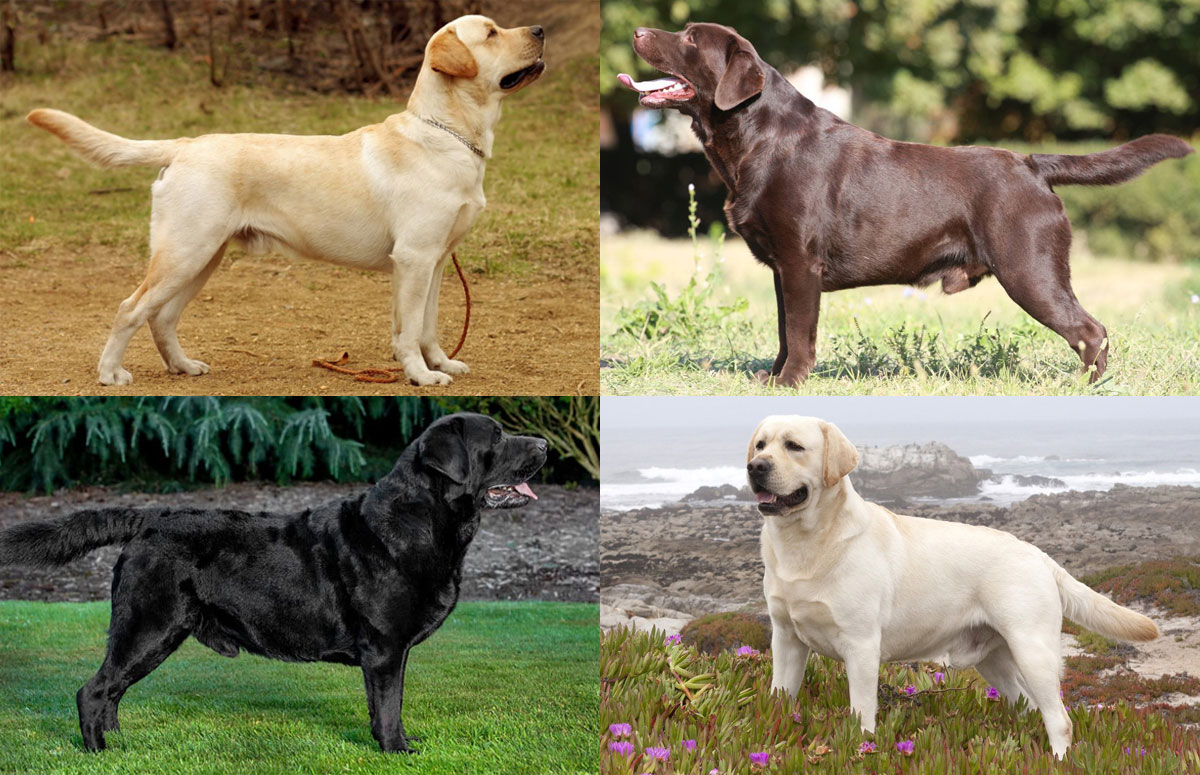
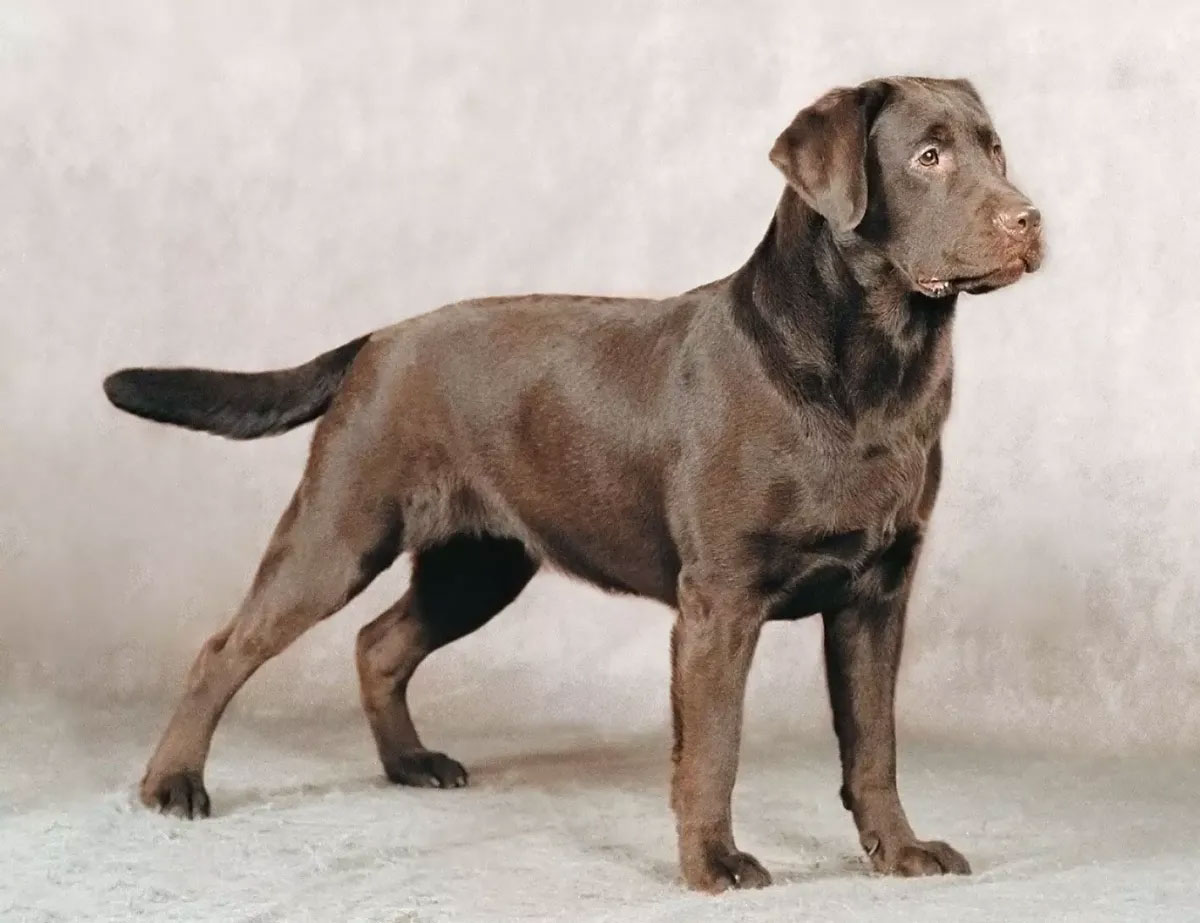
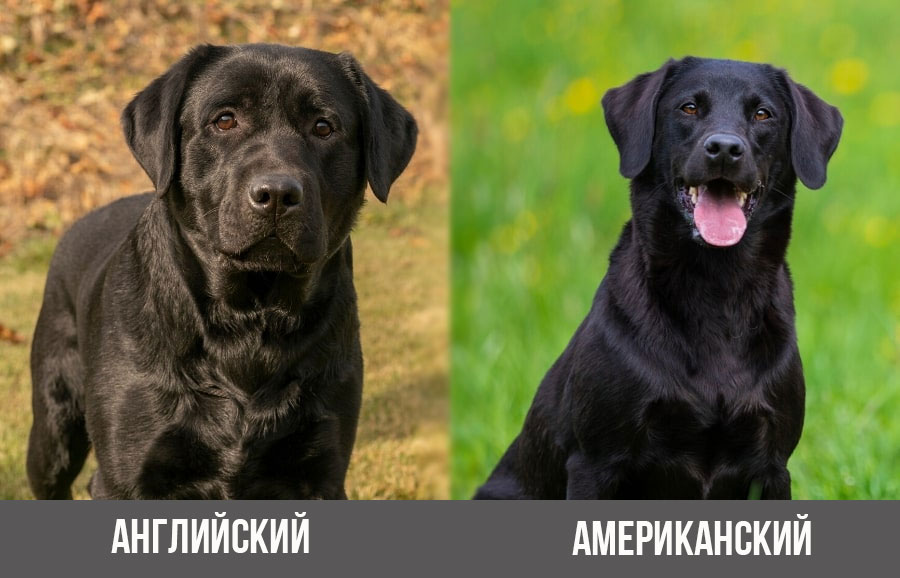
It's also worth knowing that Labrador Retrievers can vary in appearance. Show-quality dogs typically belong to the so-called "heavy type" and have a large, broad frame and thick, but not long, legs, giving them a more compact and massive build. Working dogs that lead an active lifestyle have an athletic, more toned build and long legs.
They are often classified as "English" or "American." To understand the difference, we suggest looking at the difference between the two Labradors in the photo.
Character
Labradors' owners agree: it's hard to find a more good-natured and easy-going companion. However, as with any breed, there can be exceptions, as a pet's personality is only partly determined by genetics. A dog's behavior can be greatly influenced by its environment and the person who raises it.
Labradors are genetically determined to:
- hunting instinct;
- love of water and water treatments;
- devotion to man;
- friendliness and trust towards others.
Partly because of these qualities, these dogs are rarely used as guard dogs, but they do well in tasks that require searching skills or close contact with a stranger.
In the family, a Labrador is a wonderful companion, very affectionate with children, gets along well with other pets, and is always willing to follow their owner's lead. These cheerful and active dogs quickly adapt to their owner's activity level and will happily support everything from a morning jog, a hike in the mountains, or a cozy couch. Members of this breed make excellent guide dogs, as well as therapy dogs working in the rehabilitation of disabled children.
Content Features
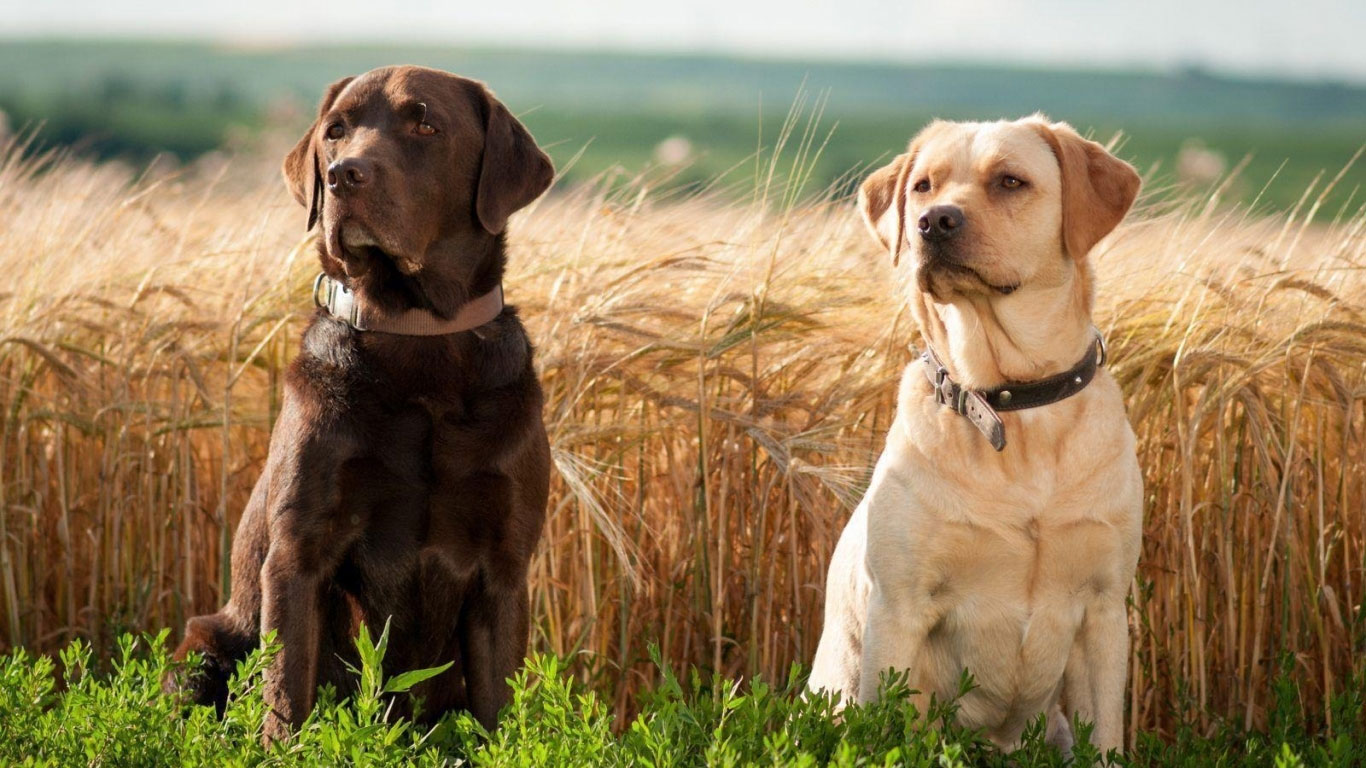
A Labrador Retriever can thrive in a kennel, as its warm, thick coat provides excellent insulation from the cold, but these dogs are more often kept as a companion. They will also thrive in a city apartment, provided they have sufficient space and their owner provides them with long, active walks every day.
It's important to remember that this breed is quite active, and exercise is essential for its well-being and psychological well-being. Lack of exercise can lead to problems such as:
- uncontrolled weight gain (Labradors love to eat!);
- damage to property (if you don’t offer your pet activities, it will come up with them on its own, especially if it’s a puppy);
- depressed psychological state of the dog, which can negatively affect its character and behavior.
Caring for a Labrador Retriever is not difficult, just:
- feed your pet a balanced diet (read about what you can feed a Labrador in the review of premium food);
- brush your dog 1-2 times a week;
- During the shedding period, comb out the dog daily or carry out the “express shedding” procedure;
- bathe approximately once every 2 months (pay attention to the quality of shampoos);
- clean and inspect your ears regularly;
- brush your teeth (it's worth getting used to this procedure from an early age).
Training
Activity, curiosity, sharp intelligence, hunting instinct and a willingness to interact with the owner in everything make the Labrador an excellent student.
Although this breed is known for being gentle and man's best friend, it's important to remember that this is a fairly large dog. Puppy training should include:
- formation of a strong psychological bond with the owner;
- active games and tasks (as soon as the dog has learned the lesson, it is worth offering something new);
- practice of unquestioning obedience (the dog should easily part with its favorite toy or treat on command from the owner);
- socialization (communication with strangers and animals);
- praise and encouragement for a task completed correctly (no aggression or cruelty).

Training should begin in the puppy's first week at home and continue throughout the dog's life. If at any point you feel your training isn't as successful as promised, contact professional dog trainers immediately, before unwanted behavior becomes ingrained.
Health
If you ask breeders how long Labradors live, the most common figure they'll quote is 13 years, although there are some long-lived members of the breed. It all depends on the care and health the puppy receives from its genetic lineage.
Because of periods of limited breeding line selection in the breed's history, Labradors are susceptible to a number of genetically determined diseases. This is why clubs and kennels pay special attention to the health of dogs approved for breeding.
Among the genetically determined diseases, Labradors are susceptible to:
- collapse syndrome that occurs during intense physical exertion;
- hereditary nasal parakeratosis, which is characterized by chronic inflammation of the nasal tissues and the formation of a horny crust;
- progressive retinal atrophy leading to complete blindness;
- centronuclear myopathy (muscle weakness);
- dysplasia, most often progressing in the elbow or hip joints.

For many owners, the Labrador's large appetite also becomes a problem, often leading to obesity and a number of related problems, including diabetes, joint disease, and cardiovascular disease.
In general, dogs that do not have genetic diseases rarely visit a veterinarian, going to the clinic mainly for routine vaccinations.
Where to buy a puppy
To ensure that the cute, fluffy bundle of joy you're looking for grows into an equally stunning adult Labrador Retriever, you should purchase a puppy from a kennel or through a club.
Today, Russia has quite a few kennels specializing in this popular breed, making it easy to find a strong and healthy puppy in your region. Moscow boasts a wealth of representatives from various federations:
|
No. |
Nursery |
Federation |
|
1 |
Ens Loomens |
RFLS |
|
2 |
Carol Ruth |
RFSS |
|
3 |
Linora Best |
RFSS |
|
4 |
Amar Vasant |
RFSS |
|
5 |
Bontalisse |
RFLS |
|
6 |
Brightlight of Moscow |
OANKOO/Elite |
|
7 |
Windup Burberry |
OANKOO/Fauna |
|
8 |
Wei Tali |
RFSS |
|
9 |
Delight |
OANKOO/Fauna |
|
10 |
Gold Crown |
RFLS |
|
11 |
Jabulani |
OANKOO/Fauna |
|
12 |
Julat |
RFLS |
|
13 |
Dolce Vita Lab |
RFLS |
|
14 |
Danilyn |
RFLS |
|
15 |
Inamorato |
RFLS |
|
16 |
Irimen |
OANKOO/Elite |
|
17 |
Irin Angrel |
RFLS |
|
18 |
Canela Fina |
RFSS |
|
19 |
Capas Spirit |
RFLS |
|
20 |
Candy Doll |
OANKOO/RKK |
|
21 |
Memfestor's |
RFLS |
|
22 |
Our favorite |
RFLS |
|
23 |
Kubi Crown |
RFLS |
|
24 |
Rusmayras |
OANKOO/Fauna |
|
25 |
Sweetie Land |
OANKOO/Elite |
But if you search for "Labrador Retriever Kennel," you'll easily find representatives of various clubs in St. Petersburg, Murmansk, Krasnodar, Ukhta, Omsk, Yaroslavl, Noginsk, Irkutsk, Nizhny Novgorod, and other Russian cities.
The price of a Labrador Retriever puppy with documents can vary within the range 60-100 thousand rubles depending on the type, color and a wide range of other factors that subsequently influence the dog's show career and use in breeding.
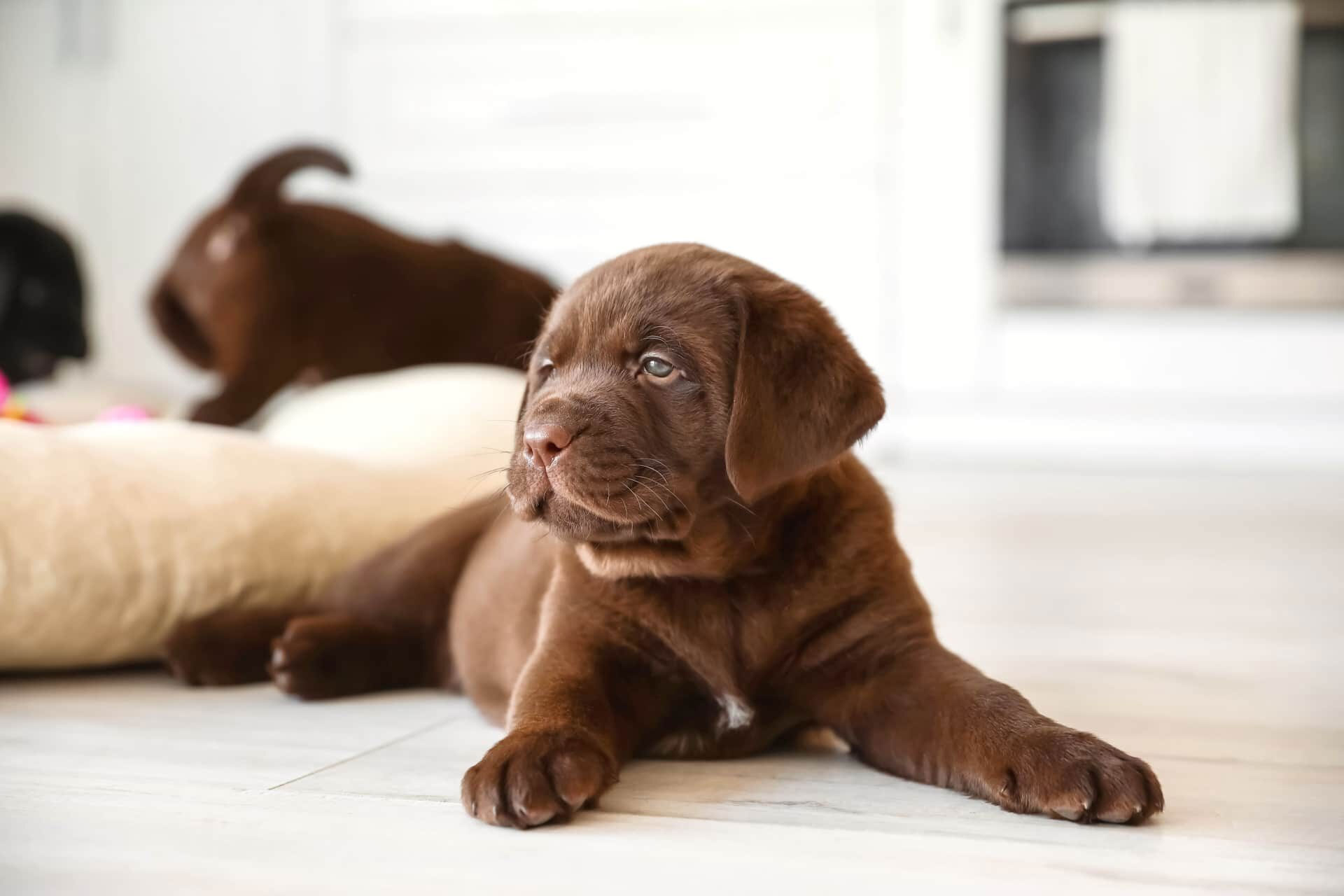
The most expensive Labrador retrievers currently are considered to be the "heavy type"—a rich chocolate color. The reason is simple: this is the most popular type of Labrador retriever today, and people are simply willing to pay more for a color they consider unique, which has long been considered rare.
Photos of representatives of the breed
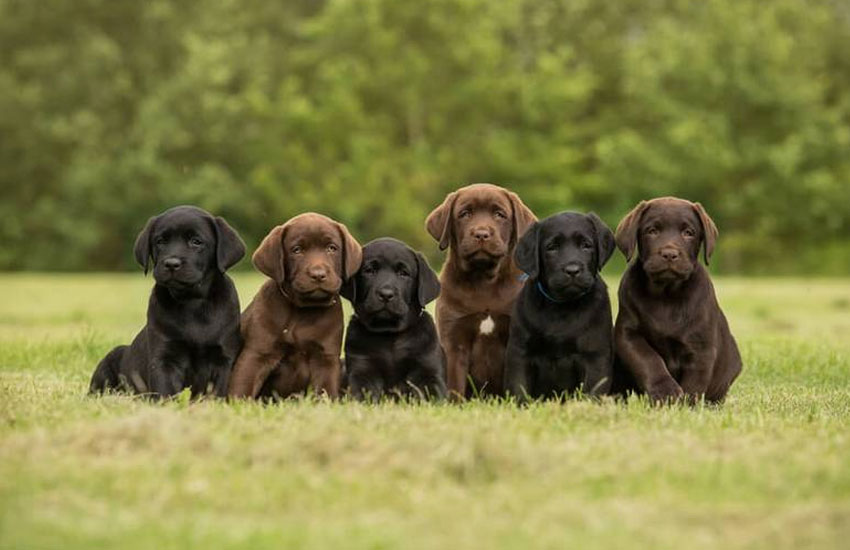
We invite you to evaluate what healthy babies and adult Labrador Retrievers look like in photos.
Video about the breed
For more information on the Labrador breed, care requirements, and character, watch the video:
Read also:


Add a comment