
Quamatel for dogs
Quamatel is a medication used in dogs for ulcers and digestive disorders associated with increased stomach acidity. Initially developed for humans, the medication has also found application in veterinary medicine, as there are no equivalents for animals.
Content
General description
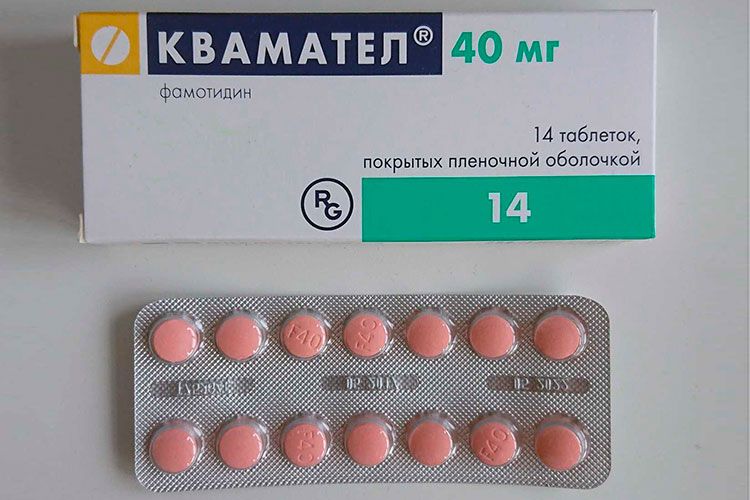
Quamatel is available in pharmacies as tablets and powder, which is used to prepare an injection solution. The tablets are round and pink. They contain famotidine, the active ingredient, in concentrations of 10, 20, and 40 mg. The tablets also contain the following excipients:
- titanium dioxide;
- magnesium stearate;
- microcrystalline cellulose;
- red iron oxide;
- corn starch, etc.
The tablets are packaged in blisters of 14 tablets. A cardboard box may contain one or two blisters.
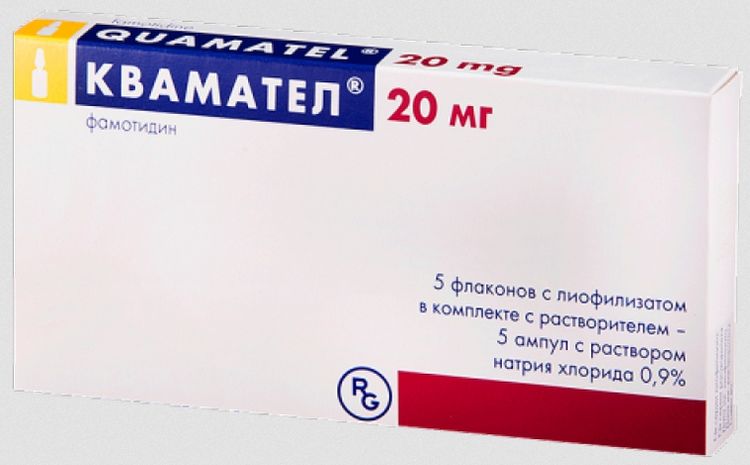
The white powder used to prepare the solution is packaged in glass vials sealed with rubber stoppers. The vials are supplied with a solvent, a sodium chloride solution. It is packaged in sealed glass ampoules. Each cardboard package contains five vials and the same number of ampoules of solvent.
How does it work?
The active ingredient of the medication, famotidine, has the ability to influence the synthesis of hydrochloric acid in the stomach. The active component blocks histamine receptors, which, when stimulated, trigger the production of hydrochloric acid. These receptors are located in the gastric mucosa and become active when food or even water enters the stomach.
The use of the drug helps prevent irritation of the gastric mucosa and excessive formation of hydrochloric acid, which can cause gastritis, ulcer and other digestive problems. The medication also suppresses the production of pepsin, a gastric enzyme, but has virtually no effect on liver enzyme synthesis. When used correctly, Quamatel does not affect the function of the liver, pancreas, or spleen.
The medication is characterized by rapid action. When taken as tablets, the active substance concentration in the blood reaches its maximum level in just an hour, and even faster with injections. The drug is not completely absorbed into the bloodstream, only 40%. The active substance is partially metabolized in the liver. The remainder is eliminated from the body by the kidneys.
When is it used and what does it help with?
Quamatel is prescribed for dogs to treat the following conditions:
- for gastric ulcer and duodenal ulcer;
- in case of disorders of the digestive system, accompanied by increased production of hydrochloric acid;
- for gastritis with increased acidity of the stomach;
- in case of hypersecretion of hydrochloric acid of unknown origin;
- with erosive gastroduodenitis.
The drug can also be used to prevent ulcer exacerbations. Quamatel is sometimes prescribed before surgery to prevent the leakage of hydrochloric acid into the internal cavity. It can also be used as an adjuvant treatment for severe poisoning, including those accompanied by internal bleeding.
Quamatel is often prescribed for dogs when taking nonsteroidal anti-inflammatory drugs (NSAIDs). These medications can severely irritate the gastric lining. This irritation increases hydrochloric acid production. Long-term use can even cause internal bleeding. This antiulcer medication helps prevent these side effects of NSAIDs.
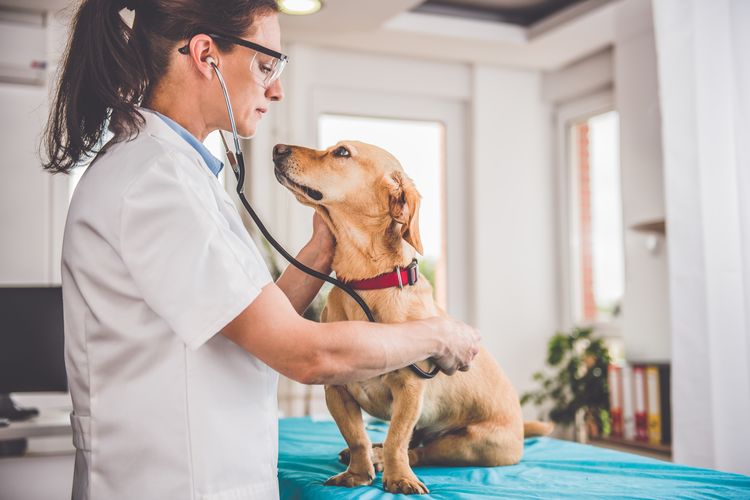
Please note! Do not use Quamatel on dogs without consulting a veterinarian. It has contraindications and can cause serious side effects. Furthermore, clinical trials are necessary, as the medication may suppress the symptoms of gastrointestinal tumors.
How to apply
Since Quamatel's instructions are intended for humans, you won't find dosage and specific instructions for use in dogs. The typical dosage is 0.5-1 mg of active ingredient per 1 kg of body weight, meaning one 10 mg tablet per 10-20 kg of body weight. The exact dosage should be calculated by a veterinarian, as it can vary depending on the pet's weight, health, symptoms, and other factors.
For dogs, tablets with a minimal concentration of the active ingredient are typically used. However, for large breeds, a more concentrated version is available. Food does not affect the drug's effectiveness, so the tablets can be mixed with food. It is recommended to administer the medication in the evening, once daily. The duration of treatment is determined individually by your doctor.
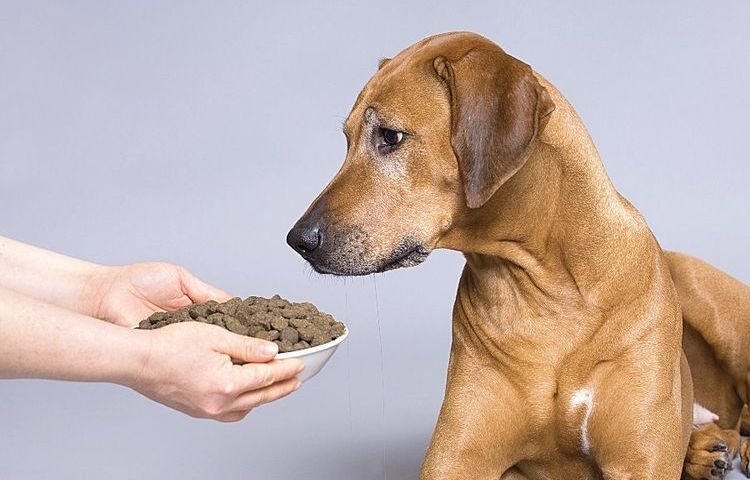
Quamatel injections are rarely used for dogs, especially for home treatment. The drug is administered intravenously. To prepare the solution, draw the sodium chloride solution into a sterile syringe. Pour it into the vial containing the powder through the punctured rubber stopper. Shake well to ensure a homogeneous solution, then draw the required amount into the syringe. The dosage is calculated the same as for tablets, i.e., 0.5-1 mg per 1 kg of body weight. Each vial contains 20 mg of famotidine.
Please note! During treatment with Quamatel, your pet must follow a diet. All foods that can irritate the stomach lining (smoked, fried, fatty, etc.) must be excluded from the diet. If your dog is on dry food, it should be switched to a special therapeutic food.
If a gastric acidity test is planned, stop giving Quamatel 24 hours before.
Contraindications and side effects
You should not use Quamatel for dogs in the following cases:
- in case of intolerance to the components;
- in case of liver failure;
- in case of renal failure;
- in case of liver cirrhosis.
If an animal has acute or chronic liver disease, the drug is administered with caution. In addition, clinical studies are periodically conducted to monitor liver function.
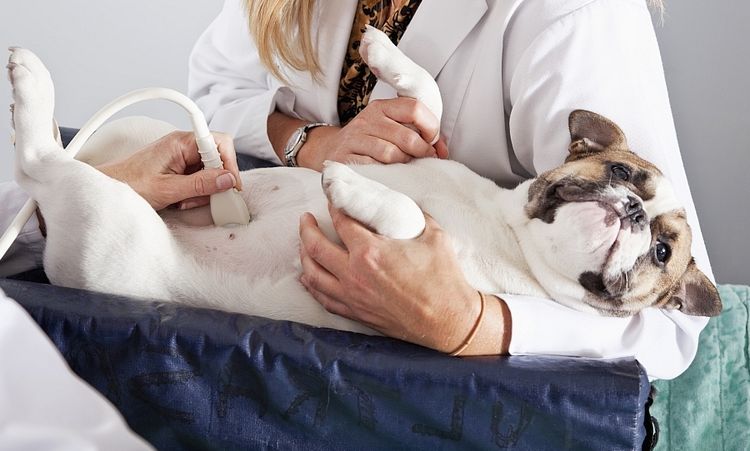
The medication should not be used during pregnancy or lactation, as the active ingredient can penetrate milk and the placenta. It is also contraindicated for puppies. Young, immature bodies may be unable to eliminate the medication's components, leading to developmental delays.
Quamatel may cause serious side effects:
- nausea and vomiting;
- diarrhea;
- dysfunction of the liver and pancreas;
- apathy or anxiety and aggressiveness;
- hair loss;
- itching;
- excessive drowsiness;
- weakness, loss of coordination;
- muscle or joint pain;
- anaphylactic shock, etc.
The following symptoms may indicate an overdose:
- increased heart rate;
- lowering blood pressure;
- tremor of the limbs;
- impaired motor function (the animal may rise to its paws and then fall).

If such symptoms are detected, immediate action is necessary. First, the dog's stomach should be flushed to remove any remaining medication. Then, enterosorbents should be administered to remove the toxic components and symptomatic therapy should be prescribed.
How much does it cost and where can I buy it?
The price of Quamatel fluctuates within the following ranges:
- tablets 10 mg, 14 pcs. – 65-75 rub.;
- tablets 20 mg, 28 pcs. – 125-160 rub.;
- powder + solvent, 5 doses – 400-450 rubles.
The price of the medication is taken from online pharmacies. It may be slightly higher in traditional pharmacies. You can buy the medication at any pharmacy.
Owner reviews
Alla, the collie's owner:
"Our dog has gastritis. Collies are highly sensitive, so many medications are prohibited for them, but we tolerate Quamatel well. During periods of exacerbation of the disease, which usually occur in the spring and fall, this medication is a real lifesaver for us. Of course, we adjust the diet. We cook rolled oats and use a special therapeutic food. Overall, we are very pleased with the effectiveness of the drug, and it's inexpensive. One package lasts for one course of treatment."
Anton, the owner of a pit bull terrier:
"We were prescribed Quamatel in combination with Rimadyl. The dog was taking the painkiller for joint problems. The doctor warned that it could cause stomach bleeding, so he also prescribed Quamatel. It's a good and inexpensive medication. The treatment was successful. There were no side effects."
Veterinarian Reviews
Ekaterina, a veterinarian with 10 years of experience:
"I often prescribe Quamatel to my furry clients. No NSAID treatment is complete without this medication. It helps prevent ulcers. And although the medication has a number of side effects, I haven't encountered any critical situations. It's a good medication, but it should be used under the advice of a doctor."
Oleg, a veterinarian with 6 years of experience:
"There are many similar diseases in animals and humans, but sometimes veterinary medications aren't available to treat certain conditions. In such situations, human medications have to be used. For example, I've been using Quamatel for gastritis and ulcers in my pets for a long time. The drug has proven itself to be extremely effective. I've had no complaints about it in all the time I've been using it."
Read also:


Add a comment