
Bleeding in a pregnant cat: what to do
In most cases, the first thing an owner should do if they notice bleeding in a pregnant cat's vagina is to take the animal to the veterinarian. It's important to understand that bloody discharge can be either normal or abnormal. The owner's primary responsibility is to pay close attention to the cat throughout the pregnancy to detect any dangerous symptoms promptly, but an accurate diagnosis and further treatment should be entrusted only to a veterinarian.

Norm or deviation?
During the first three weeks of pregnancy, a cat may experience pinkish or brownish discharge from the vagina, which can be mistaken for blood. This is the gradual elimination of unfertilized eggs from the uterus. This thick, sticky discharge can even resemble leeches. From then until the birth, a healthy pregnant cat should not experience any bleeding or discharge, except during labor. The following criteria are considered normal:
- The discharge appeared directly during the birth process, after the end active contractions.
- The color of the blood is scarlet or reddish-brown.
- Bleeding continues for no more than 8-10 minutes.
- The total volume of blood discharge does not exceed 2 tablespoons.
- There is no sharp unpleasant odor.
Any other bleeding patterns or its occurrence earlier (especially in the second trimester of pregnancy) are a sign of physiological disturbances in the gestation process, which can be dangerous for the mother and her unborn kittens. Possible pathological causes include:
- A miscarriage, which can occur due to the premature death of the fetus or trauma to the abdominal area, in response to which the uterus reacts by rejecting the embryos;
- A frozen pregnancy occurs when the fetuses stop developing and remain in the uterine cavity, decomposing and causing inflammation. This is one of the most dangerous symptoms during a cat's pregnancy, as the unborn offspring causes toxicity in the body. This can lead to failure of various body systems, but the kidneys are particularly susceptible to this situation.

- "Natural selection" is when, even in the early (and sometimes late) stages of pregnancy, the body rejects embryos with pathologies, which can also be accompanied by bleeding.
- Placental abruption, accompanied by dark brown discharge, poses a danger to the mother and her unborn kittens. If the placental abruption occurs closer to the end of pregnancy (8-9 weeks), the kittens have a better chance of survival. In this case, emergency measures are usually not taken, and the mother remains under observation until the birth.
- Inflammatory processes in the uterus, other organs of the reproductive or urinary system.
Cat behavior
Cats are naturally clean animals. Any discharge during pregnancy (including blood) may go unnoticed by the owner because the pet will lick everything. In this case, blood residue in the tail area and constant licking of this area may be a warning sign. Some owners perceive frequent licking of the tail as an indication of cleanliness, but in reality, this is the pet's attempt to relieve the pain of the inflamed area. Other warning signs should also be noted:
- lack of appetite;
- lethargy and apathy;
- depressed state.
If the bloody discharge is heavy enough, traces may remain on the floor, in the litter box, or on furniture. This indicates that the pet is unable to groom itself due to excessive discharge or weakness, making it difficult to maintain proper hygiene. Therefore, it's important to take your pet to a veterinarian.
What to do
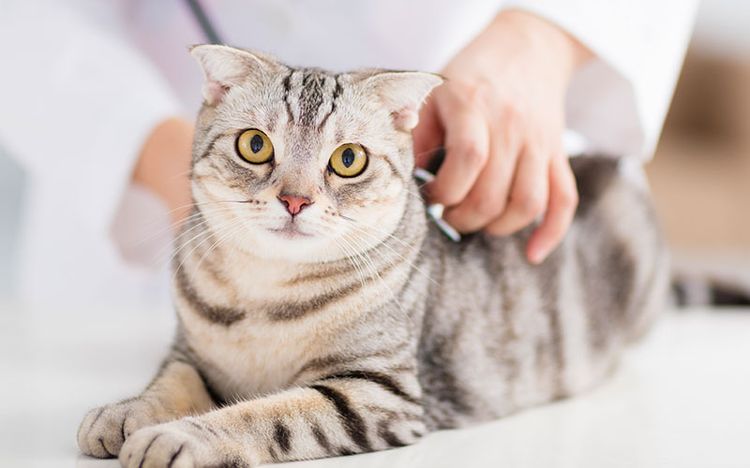
If blood is detected in a pregnant cat, prompt veterinary attention is often crucial. The life of the offspring and the cat itself may depend on it. The veterinarian will conduct a thorough examination. ultrasound examination and comprehensive tests. Based on the results, he will advise on the best course of action: termination or continuation of the pregnancy. Depending on the stage of the pregnancy, he may also suggest:
- waiting for natural childbirth in combination with supportive drug treatment;
- C-section;
- induction of premature labor.
In addition, restorative therapy is prescribed or antibiotics in case of inflammatory processes.
Caution! If the fetus dies, the only way to save the cat is to induce premature labor or perform surgery, followed by restorative treatment.
Precautionary measures
Simple precautions can significantly reduce the risk of bleeding in a pregnant cat and ensure healthy litters. To achieve this, it's important to:
- Prepare your body for conception with a balanced diet and vitamin supplements to support your immune system (after consulting with your veterinarian).
- Get your vaccinations up to date.
- During pregnancy, avoid active and mobile games that may cause injury to the abdominal area.
- Ensure a comfortable temperature in the room and no drafts.
- Pay enough attention to your cat to notice changes in behavior and health in time.
Veterinarian's advice for bleeding in a pregnant cat: video
Read also:
- Cat labor: signs, complications, and how to help your cat give birth
- How to help a cat give birth at home
- How many kittens does a cat give birth to for the first time?


Add a comment