
Blood in the dog's urine
A healthy dog's urine is clear, yellowish-straw-colored. A different color or turbidity of urine indicates the development of a pathological process. For example, liver disease causes elevated bilirubin levels in the urine, causing it to take on the color of beer. Inflammatory diseases of the urinary tract are accompanied by elevated white blood cell levels (leukocyturia), causing the urine to become white and possibly cloudy. Blood in a dog's urine changes the color of the stool to brown or red. This condition is called hematuria, and its development in dogs is most often caused by serious internal diseases.
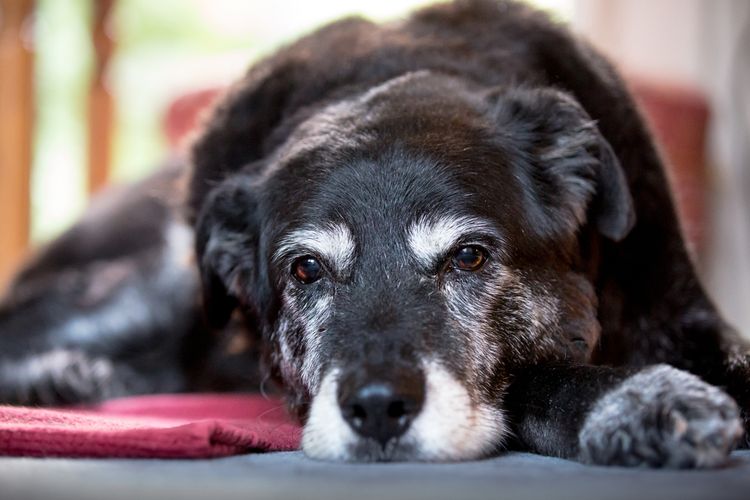
Causes of hematuria
The presence of blood in an animal's urine may be caused by:
- Trauma. Damage to the bladder or kidney tissue, whether sustained in a street fight or a car accident, requires immediate medical attention. Hematuria in such cases is usually accompanied by severe pain symptoms: the dog whines, becomes unsteady on its feet, hunches over, and tries to lie down.
- Poisoning. If a dog has ingested rat poison or another toxic substance, in addition to blood in the urine, it will experience vomiting, diarrhea, watery eyes, and mucus discharge from the nose. This condition is also considered an emergency and requires immediate medical attention.
- Cystitis. The characteristic signs of inflammation of the bladder caused by hypothermia or the penetration of bacteria into it through the urethra are pain syndrome and frequent urinationThe urine is cloudy and contains blood and protein flakes.
- Urolithiasis. If your dog experiences pain when urinating and there's bright red blood in the urine, the cause is most likely urinary stones, or urates. When dislodged, these stones damage kidney and urinary tissue, causing bleeding.
- Zdisease of the genital organs. In male dogs, hematuria is most often caused by prostate disease, while in female dogs, it's caused by ovarian cysts or pyometra. These conditions are accompanied by pain, elevated body temperature, loss of appetite, and general malaise: the dog becomes inactive, refuses to go for walks, and sleeps excessively.

- Glomerulonephritis. This inflammatory disease, which affects the glomeruli of the kidneys, causes a change in the color of urine to reddish, and is accompanied by swelling, intense thirst, vomiting, and general weakness.
- Parasitic diseases. Bloody urine in dogs is often found in association with parasitic diseases, as they cause the destruction of red blood cells, resulting in the release of their coloring agent, hemoglobin, into the urine. Associated symptoms include pale mucous membranes, atony, general exhaustion, bowel disturbances (alternating diarrhea and constipation), and sometimes fever.
- Malignant neoplasms. A general severe condition and blood in the urine are almost always observed in the last stages of oncological diseases of the internal organs.
Good to know. Even a healthy dog can have brownish or reddish urine. If your pet is active, eats well, and doesn't appear ill, the unusual urine color may be due to eating foods containing plant pigments (beets, carrots) or taking medications that cause discoloration of urine and stool.

Diagnostics
If you notice your dog's urine is brownish or, worse, scarlet, a visit to the veterinarian is essential. However, for an accurate diagnosis, a thorough history is crucial, particularly:
- The amount of urine and the frequency of emptying the bladder (in some diseases the bladder is not completely emptied).
- The animal's posture and behavior when urinating (if the dog experiences pain when trying to urinate, it squats low and whines).
- Is the presence of blood in the urine due to blood, or is it possible that the urine is mixed with bloody discharge from the genitals?
- What behavioral changes and symptoms of illness does the dog have - fever, lethargy, loss of appetite, digestive upset.
After a visual examination and review of the owner's medical history, the veterinarian will likely order a series of laboratory and instrumental tests for your pet. First and foremost, this will be a urinalysis. Before collecting the urine sample, it is recommended to ensure the dog's external genitalia are clean by rinsing them with warm water and/or treating them with an antiseptic solution. Typically, a midstream urine sample is collected, approximately 1-2 seconds after the start of urination. If necessary, if a urine sample cannot be collected manually, the veterinarian can collect it using a catheter.
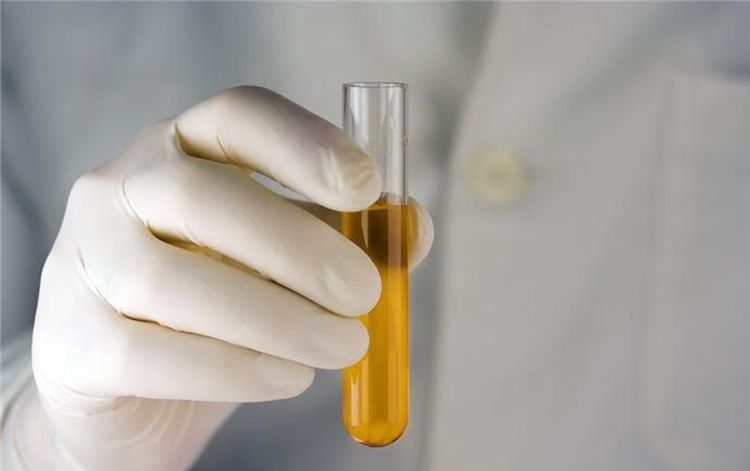
Important! Blood in a dog's urine can't always be detected visually, as dogs often relieve themselves outdoors while being walked. Therefore, it's crucial to have your dog undergo regular checkups, which include a urine test.
In addition, for differential diagnosis of the causes of hematuria, it may be necessary to conduct a blood test - clinical or biochemical, as well as an ultrasound or X-ray examination of internal organs.
Treatment
Treatment depends on the underlying cause of the hematuria. In cases of poisoning, the dog undergoes gastric lavage and is prescribed a course of detoxification therapy, as well as medications to support organ function.
To treat cystitis, which in dogs is of bacterial origin in 90% of cases, antibiotics are usually prescribed:
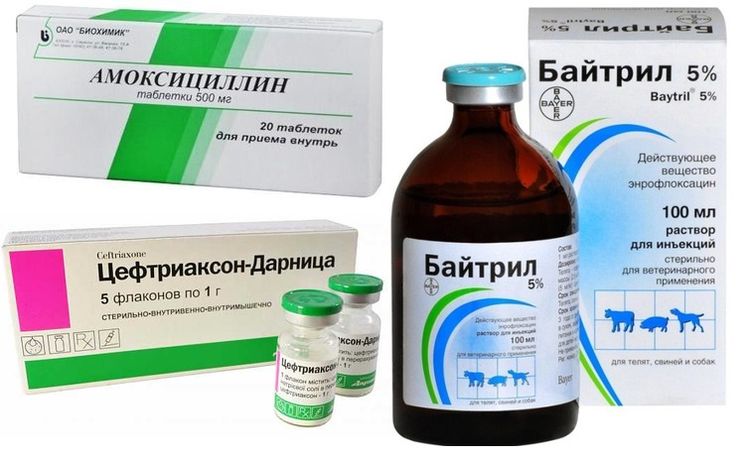
Antimicrobial medications such as Nitroxoline, Furagin, and Furadonin are also used. After a course of antibiotic therapy, bifalakt is recommended to normalize the intestinal microflora.
If hematuria is caused by helminths or exoparasites, the veterinarian will prescribe medications to suppress the growth of parasitic organisms. The most popular in veterinary medicine are:
- NexGuard Spectra - a remedy against helminths, fleas and ticks, the active ingredients are afoxolaner and milbemycin oxime.
- Fort Dodge Caniquantel Plus is an anthelmintic drug containing praziquantel and fenbendazole as active ingredients.
- Milprazon - an antiparasitic agent containing praziquantel and milbemycin oxime.
In case of infection with blood parasites that cause amebiasis, piroplasmosis, trichomonas urovaginitis, antiprotozoal agents based on imidocarb dipropionate are used: Ornidazole or Pyro-stop, as well as preparations for general support of the body.
Treatment of glomerulonephritis in dogs includes the administration of glucocorticosteroids, drugs to correct pathological changes in the composition of blood proteins, and, if streptococci are detected in the body, the prescription of antibiotics to which these facultative anaerobic microorganisms are sensitive.
If blood in the urine is caused by a malignant tumor, it is usually treated surgically. Non-invasive therapy may only be effective in the early stages of the disease.
Prevention
To reduce the risk of your dog developing hematuria, follow these guidelines:
- Do not let your dog go for a walk without an escort, as he may get hit by a car or get injured in a street fight;
- Do not allow your pet to come into contact with other dogs, especially stray dogs, which may be aggressive or carry dangerous infections;
- To strengthen the immune system, provide the dog with adequate nutrition and introduce vitamin and mineral supplements into the diet.
The most important method for preventing urinary-related illnesses is to monitor the appearance of your dog's urine when walking it, and immediately contact your veterinarian if any suspicious signs are detected. A condition detected early is much easier and quicker to treat, even if it's a serious condition.
Read also:
- Dropsy in a dog
- My dog is urinating blood: why and how to treat it
- Urinary Incontinence in Dogs: Causes and Treatment


Add a comment