
My cat is bleeding: what could be the cause and what should I do?
Loving pet owners are always concerned about their pets. And when they see blood in their cat's urine or stool, a conscientious owner will rush their animal to the veterinarian rather than hoping it will go away on its own. This is normal. If you notice such changes in your pet, don't guess or try to find the cause yourself. Without specialized training and experience, you could make a misdiagnosis, potentially killing your cat. Incorrect treatment will not only worsen the disease but also cause the internal organs to stop functioning properly.
Content
Blood in the stool
Sometimes this phenomenon isn't anything serious. For example, if the blood was minimal and you've only seen it once, it's likely because hard feces scratched the rectal lining during defecation and damaged the anal sphincter. Be sure to add more wet food and increase the amount of water in the diet. Review the diet to prevent constipation. Otherwise, this can develop into a chronic condition with serious complications.
If blood in your cat's stool is present in large quantities or occurs frequently, you should consult a veterinarian for a more thorough examination and a proper diagnosis. Sometimes this is due to a bacterial infection or helminthiasis (in which case, bloody diarrhea is most common, especially if the infection is viral). Sometimes this is a symptom of allergies. It's also important to remember that intestinal polyps can cause bloody stool.
Older pets sometimes develop intestinal cancer. This can cause blood in a cat's stool. But beyond intestinal problems, blood is also a concern. If a pet is poisoned by zoocoumarin (or another rodenticide) or blood thinners, clotting problems can occur. As a result, bleeding can appear in more than just the stool. Any injury is life-threatening. Each cause requires its own treatment.
Blood in urine
Blood in the urine is not a good sign. It should alert you. The cause may be inflammatory processes in the kidneys or bladder and ureters. It's very painful for the animal to relieve itself. Moreover, it's very life-threatening. The infection can spread throughout the body, because blood is pumped through the kidneys. If the kidneys are colonized by bacteria or viruses, every "batch" of blood filtered by the kidneys will be contaminated. The infection can then spread throughout the body.
Blood appears in urine as a result poisoning, internal organ injuries, or even certain helminths. However, sometimes it's worth paying attention to the labels on the medications given to your pet. Some have these side effects. A cat's blood test can help you learn more about your pet's condition. It's a real clue for your vet. A blood test can help you determine whether your cat is sick and what the culprit is: bacteria, a virus, or a helminth.
Bleeding in a cat
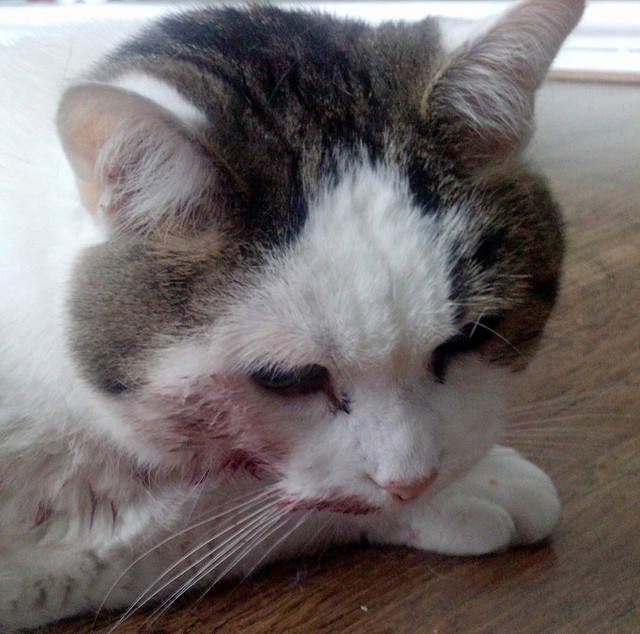
Cats are very curious animals. Sometimes they get injured and bleed. If the wound is small, simply treating it with hydrogen peroxide is sufficient. However, if the wound is deep and the bleeding persists, you should immediately seek veterinary attention for stitches. First aid is the same as for humans.
However, it also happens that a cat bleeds not from a wound on the skin, but from natural openings (mouth, nose, anus, vagina, ears). This condition is very dangerous, as the causes of such bleeding are serious. To determine the cause of your cat's bleeding, it's necessary to have your pet thoroughly examined at a veterinary clinic.
And it's essential to see a doctor as soon as possible. Sometimes a nosebleed can indicate that it's collected in the airways. But often, the cause is an injury. They got too carried away while playing and bumped their nose. That's where the bleeding comes from. It'll go away on its own.
It's also possible for a foreign object to become lodged in the nose. This can lead to the development of a tumor or polyps, which can lead to nosebleeds. If we draw an analogy with human causes, we shouldn't forget about hypertension. Cats can also suffer from it. This needs to be addressed. While the pet is lucky that the nosebleed just happened, another time a blood vessel could rupture in the brain, which could lead to the cat's death. Recognizing and treating a stroke in animals is very difficult. Furthermore, problems with blood clotting can lead to bleeding from natural orifices. In this case, a veterinarian's help is needed, who will prescribe medications that increase clotting.
Causes of bleeding
Below is a table with additional possible causes of blood in a cat (in urine, feces, when coughing, from the nose):
| Blood localization | Possible reasons |
|---|---|
| In urine (hematuria) | urolithiasis, urinary tract infections (cystitis, urethritis), bladder or kidney tumors, trauma, anatomical defects, hypercalcemia, toxic effects |
| In the stool (hematochezia or melena) | intestinal parasites, inflammatory bowel disease (IBD), infections (e. coli, salmonella, etc.), neoplasms, foreign bodies, mucosal burns (e.g., chemicals), blood clotting disorders |
| When coughing or vomiting | bronchopneumonia, tracheitis, tuberculosis, infectious lung diseases, heart failure, tumor processes in the chest |
| From the nose (epistaxis) | Nasal trauma, foreign body, nasal infections, tumors, bleeding disorders, hypertension (intracranial or systemic), stress, poisons/toxic substances |
Cats with viral diseases (such as feline leukemia virus (FeLV) and feline immunodeficiency virus (FIV)) may experience decreased blood clotting and, as a result, a tendency to bleed. This is not always pronounced, but can be exacerbated by the presence of other diseases.
Symptoms that are often missed but important
-
change in urine color (from pink to dark, almost tea-like)
-
the presence of clots in urine or feces
-
the smell of blood (in infections)
-
pain when urinating or defecating
-
frequent and little urination
-
mucous membranes are pale or yellowish (a sign of anemia)
-
decreased activity, refusal to eat, weight loss - especially in chronic conditions
Diagnostics: expanding methods
To improve the quality of diagnostics, it is necessary to carry out:
-
Ultrasound examination of organs- bladder, kidneys, liver, intestines
-
Chest or abdominal x-ray- if there is hemoptysis or suspicion of foreign bodies
-
Clinical blood test— including a general analysis, coagulation, tests for hemoparasites (hemobartonella)
-
Blood biochemistry test- liver and kidney functions, electrolytes, proteins, enzymes
-
PCR testsfor viruses (FeLV, FIV), bacterial infections (eg, haemobartonellosis)
-
Stool test for parasites and helminth eggs
-
Cystoscopy- examination of the bladder from the inside, if there are chronic problems with the urinary system
Treatment: complementary approaches
-
specific antibacterial therapy for urinary tract or intestinal infections, taking into account drug sensitivity
-
antiparasitic therapy (for worms, protozoa)
-
use of hemostatic agents or agents that improve blood clotting if there is coagulopathy
-
Dietary adjustments – feeding easily digestible foods, reducing irritating components, supporting the liver and kidneys
-
infusion therapy - fluids given intravenously or subcutaneously for dehydration or severe condition
-
supportive therapy: vitamins, drugs to increase hemoglobin, immunomodulators, probiotics
Prognosis and signs of urgency
WITHYou need to see a veterinarian immediately, as well as forecast benchmarks:
Urgent signs:
-
large amounts of blood, especially in urine or when vomiting
-
frequent, painful, or impossible urination
-
severe weakness, falling/fainting
-
sudden weight loss
-
a sharp deterioration in appetite
-
difficulty breathing with hemoptysis
-
anemia, jaundice in liver diseases or viral infections
The prognosis depends on the cause: in infections and parasites, it is often favorable with timely treatment; in tumors or chronic kidney/liver diseases, the prognosis is usually moderate, sometimes unfavorable.
Preventing bleeding in cats
-
regular deworming and prevention of external parasites (fleas, ticks)
-
cleanliness of the tray and change of filler to avoid injury and irritation of the skin/mucous membranes around the anal area
-
regular medical examinations at least once a year, including blood and urine tests
-
Maintaining a normal weight and providing your pet with sufficient access to water
-
a balanced diet, without overfeeding minerals, especially in cases of uratapathies
-
FeLV vaccination, testing for FeLV and FIV, especially if the cat comes into contact with other animals
Sample table for owners
To help the owner navigate, here is a table with possible causes of blood patterns + an example of treatment/action:
| Blood localization | Probable cause | First steps at home | What tests should I take? |
|---|---|---|---|
| Urine (blood in urine) | Infection, stones, tumor | Collect urine in a sterile container, ensure cleanliness, give plenty of water | Kidney ultrasound, general urine analysis, bacterial culture, blood biochemistry |
| Feces | Parasites or intestinal infection | Set a diet, temporarily remove irritants: spices, industrial feeds | Stool analysis, PCR tests, intestinal biopsy if necessary |
| From the nose | Trauma or tumor | To avoid worsening the condition, do not touch or use drops without a prescription. | Rhinoscopy, cytology, blood clotting test |
| For vomiting/coughing | Diseases of the respiratory tract, lungs, heart pathology | Do not feed until improvement is seen, collect samples, observe frequency | Chest X-ray, complete blood count, sputum culture |
As you can see, there are countless reasons why a cat might bleed. And making a proper diagnosis on your own is practically impossible. After all, the cause lies within the animal.
Don't ignore bleeding in your cat if you don't want to lose your pet.
Read also:
- Causes and treatment of runny nose in cats
- Eye diseases in cats
- Blood in a cat's stool: causes and treatment


2 comments
Maria
My cat hasn't had a bowel movement for three days. On the third day, I noticed he was urinating blood frequently, but only in small amounts. I called the vet, and she recommended a No-Shpa injection, gentamicin, Gaviscon, and castor oil. I gave him the first injection at lunchtime, and this evening he's been lying down, not getting up, and urinating with blood in small amounts. He's not eating or drinking. What should I do? I feel sorry for him, I've been feeding him with a dropper. Please advise me what to do; our vet is useless.
Dasha is a veterinarian
Hello! How can I prescribe treatment and tell you what's wrong with the animal if I haven't seen the whiskers or the test results? Hematuria is an alarming symptom that requires immediate veterinary intervention. First, urine and blood tests are needed, and second, an ultrasound. Based on these results, a diagnosis can be made and treatment can begin. This could be not only urolithiasis or cystitis, but a much more serious problem. The doctor tried to help you, offering advice over the phone, but it didn't help—nothing helps. Her only mistake was prescribing medications without examining the animal. So, pick up the animal and rush to the clinic (there, the pet will need IVs to detoxify it, as it hasn't had a bowel movement for so many days). Antibiotics may also be needed. But everything is prescribed only after an examination.
Add a comment