
Kromforlander - dog breed
The Kromfohrländer is a dog breed developed in Germany in the mid-20th century and is considered very rare even in its homeland. The Kromfohrländer is docile and friendly, easily trained, and adapts to the rhythm of family life.
Content
History of origin
The breed's founder is a stray dog who was adopted by American soldiers in France. He crossed into Germany with them in 1945. Someone saw the dog jumping off an American military truck and told Ilse Schleifenbaums, the wife of a lawyer in Siegen, about it. She later adopted the four-legged traveler. The dog was named Peter. Apparently, he was a cross between a Griffon Vendeen and a fox terrier.
Later, Peter and a neighbor's fox terrier named Fifi had puppies. They were very similar in appearance and personality to their father, as were the puppies from subsequent litters with other dogs. Then Ilsa began seriously considering creating her own breed and enlisted the support of Otto Berner, a rabbit breeder and a keen dog lover. Even the post-war devastation didn't stop her from realizing her dream. By 1955, the Kromfohrländer was officially recognized by the International Cynological Association. A breed standard was also written that same year.
Appearance
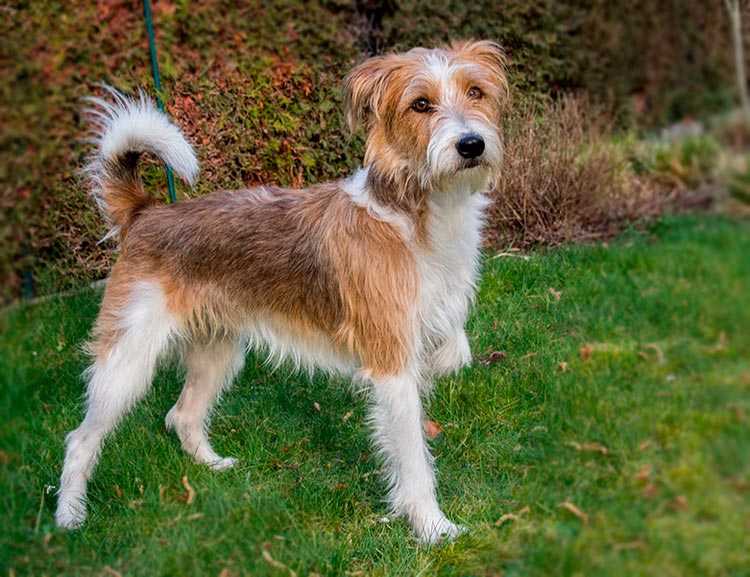
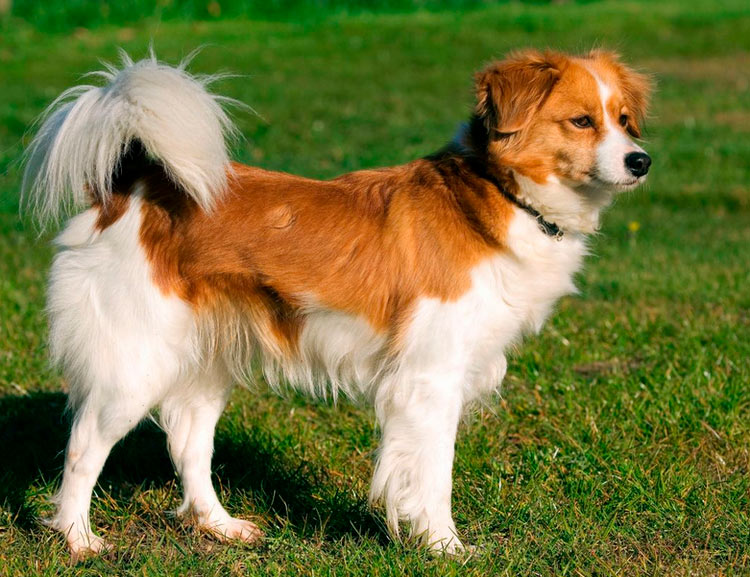
The Kromfohrländer is a medium-sized dog with a slightly elongated build, proportionate build, and fairly long legs. Height at the withers ranges from 38 to 46 cm, and weight ranges from 9 to 16 kg. Sexual dimorphism is well-defined.
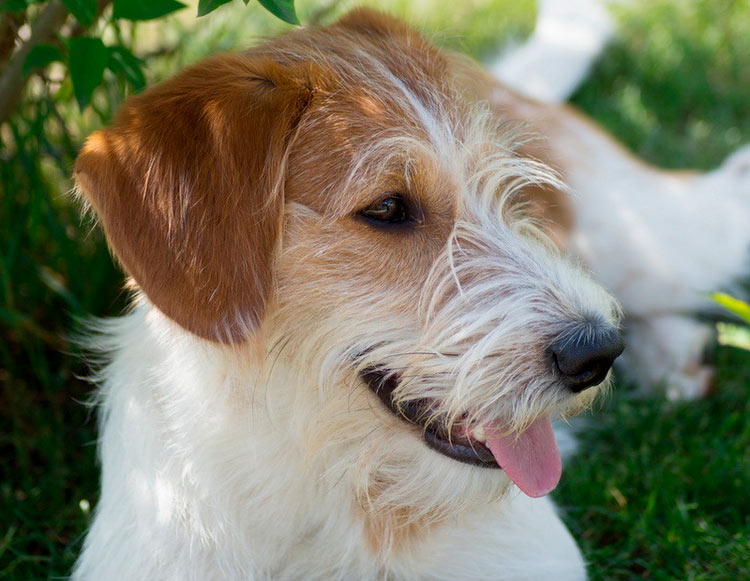
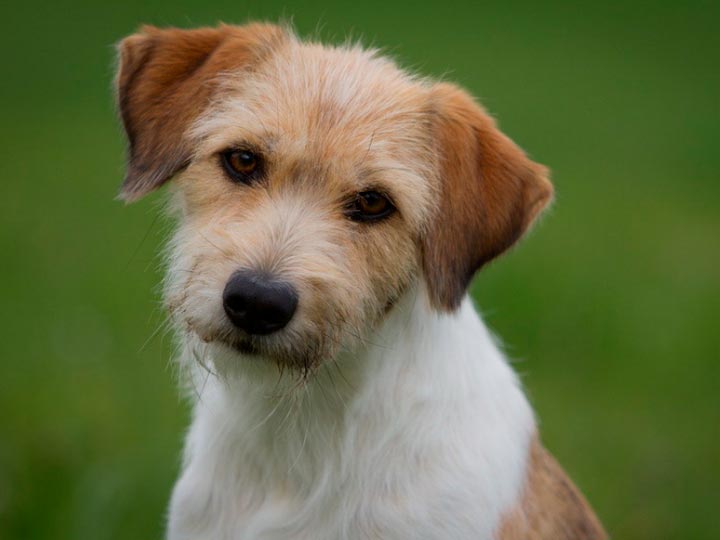
The skull is slightly rounded with a well-defined stop. The muzzle tapers slightly toward the nose. The axes of the skull and muzzle are parallel. The bridge of the nose is straight and moderately wide. The nose is medium in size, with well-opened nostrils, and is black or brown in color. The lips are tight and not heavy. The bite is a scissor bite. The eyes are oval-shaped, medium in size, and dark brown. The ears are set high and turned to the side. The pinna has rounded tips and bends down, not reaching the top of the skull.
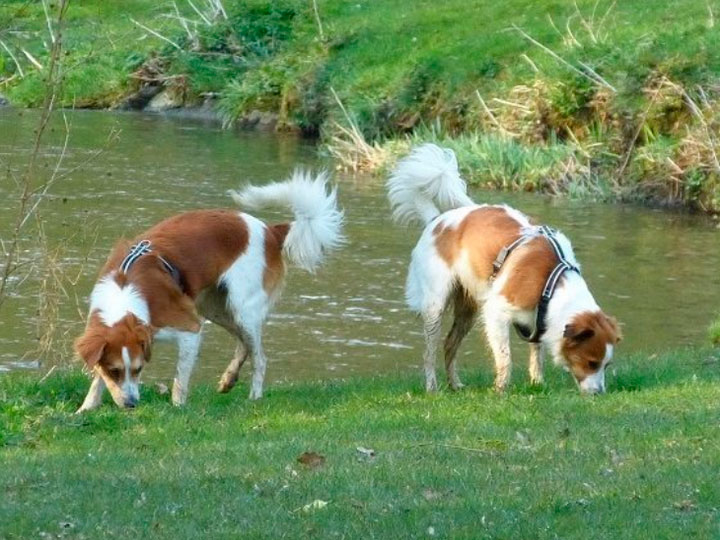
The neck is slightly arched and of medium length. The body is moderately elongated. The back is strong. The withers are pronounced. The loin is narrower than the ribcage. The croup is sloping. The chest is deep and moderately broad, with slightly sprung ribs. The underline is noticeably tucked up. The tail is medium in length, saber-shaped, carried low when at rest, and raised higher than the topline when in motion or excited. The legs are straight, vertical, dry, and long. The paws have arched, tight toes. The pads and nails are well developed.
According to the type of coat, there are two varieties of the breed:
- Wirehaired – the coat is coarse and dense in texture. Hair length varies from 3 to 7 cm. The longest hair is on the back and withers. It forms a beard on the muzzle. The undercoat is well developed, soft, and short.
- Smooth-haired – the coat is smooth and dense in texture. There is no beard or mustache. The hair is 3-7 cm long. It forms a plume on the tail, fringes on the ears, and feathering on the back of the legs. The undercoat is short and soft.
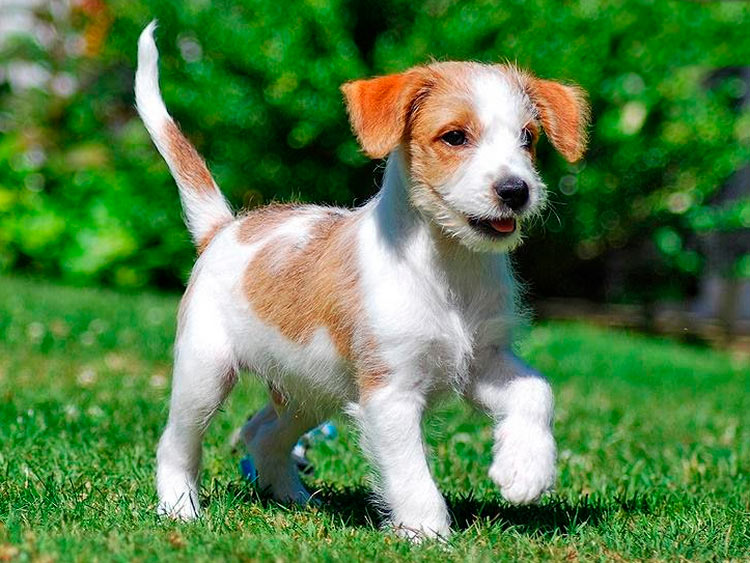
Color: Base color white with brown patches of varying shades. Hairs with black tips are permitted.
Character and behavior
The Kromfohrlander's main characteristic, according to the standard, is adaptability. The dog easily adapts to its owner's personality and activity level. For young, energetic people, it makes a great companion on long hikes; for families with children, it can act as a babysitter and care for other children; and for the elderly, it enjoys leisurely walks in the park. This quality makes the Kromfohrlander a companion in the truest sense of the word. It is generally reserved with strangers and seldom overly friendly. It will defend its territory, home, and family and friends with a loud bark in case of danger, but it will not attack.
The Kromfohrländer is very sociable and obedient, highly intelligent, and outgoing. It strives to always be close to its family and share its owner's hobbies. It is not as impulsive and fussy as a terrier, but is quite active. Its hunting instinct is reduced to zero, so it gets along well with other animals, including birds and small animals.
Not all of the above-described character traits and behavioral characteristics will necessarily be present in every Kromfohrlander. Much depends on the dog's upbringing, socialization, and the environment in which it was raised.
Education and training
Kromfohrlanders are very intelligent and quick learners. They quickly learn commands, are focused on their owners, and strive to please them in many ways, if not all. Kromfohrlanders can be trained in a variety of dog sports, including agility, obedience, freestyle, and more.
Content Features
The Kromfohrlander is not demanding in terms of living conditions. The most important thing for him is to be close to his family, in close contact with people. He can live in a small city apartment or a large private house, but he cannot be left alone for long periods. He is naturally clean, neat, and does not drool, and sheds minimally with proper care. He requires moderate exercise; daily walks with playtime of about 20-30 minutes are sufficient. The Kromfohrlander cannot lie on the couch all day, as is the case with lapdog, but it won't rush around like crazy Jack Russell.
Kromfohrlanders can be picky eaters, but serious appetite and digestion issues are less common. They thrive on a balanced natural diet or premium-quality food.
Care
Generally, grooming is simple. Seasonal shedding occurs twice a year and lasts 2-3 weeks. During this period, daily brushing is recommended. The rest of the year, brushing is once a week. Wire-haired dogs are trimmed or clipped 2-3 times a year. It's a good idea to accustom your puppy to having his teeth brushed from an early age. This procedure can help prevent many dental problems in adulthood. Once a week, the ears should be inspected and cleaned of wax and dust. Eyes should be cleaned as needed. Nails should be trimmed every 3-4 weeks.
Health and life expectancy
Kromfohrlanders may suffer from the following hereditary diseases:
- Cystinuria;
- Epilepsy;
- Patellar dislocation;
- Keratosis.
- Itsenko-Cushing's disease
- Renal failure.
These diseases are relatively rare. With proper care and nutrition, cromphoras are virtually disease-free. Life expectancy is 12-14 years.
Choosing a Kromfohrlander Puppy
Finding a Kromfohrländer puppy can be difficult. Even in Germany, the breed is quite rare. Only about 30-50 puppies are registered annually. By comparison, in the US, there are 10 puppies. There are several breeders in other European countries, such as Sweden, Finland, France, and North America. It's best to look for a puppy through breed clubs, which can provide potential owners with all the information about planned litters and breeders.
You should choose a breeder very carefully. Truly purebred dogs are rare, and there's a risk of inbreeding. Ideally, the inbreeding coefficient should be below 2.5%, with a maximum of 6.25%.
There is no price data.
Photos and videos
You can see photos of Kromfohrlander dogs in the gallery.
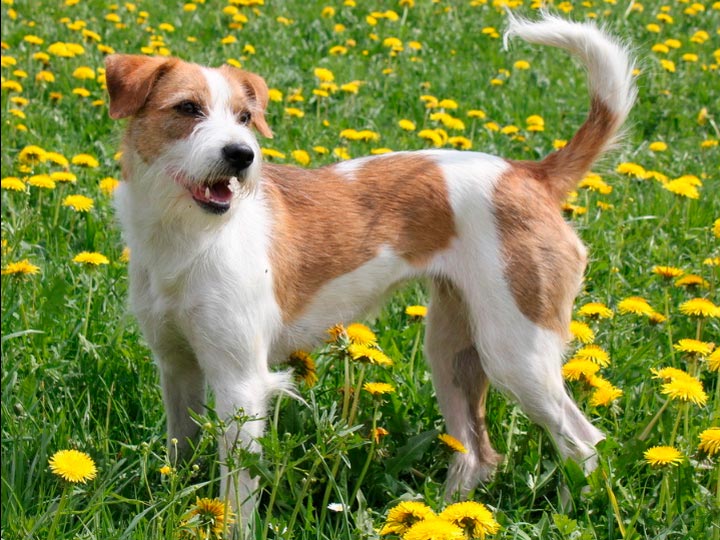
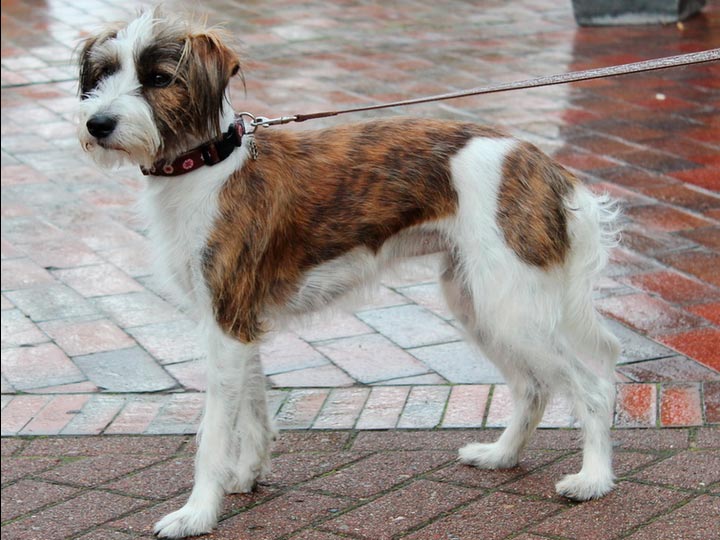
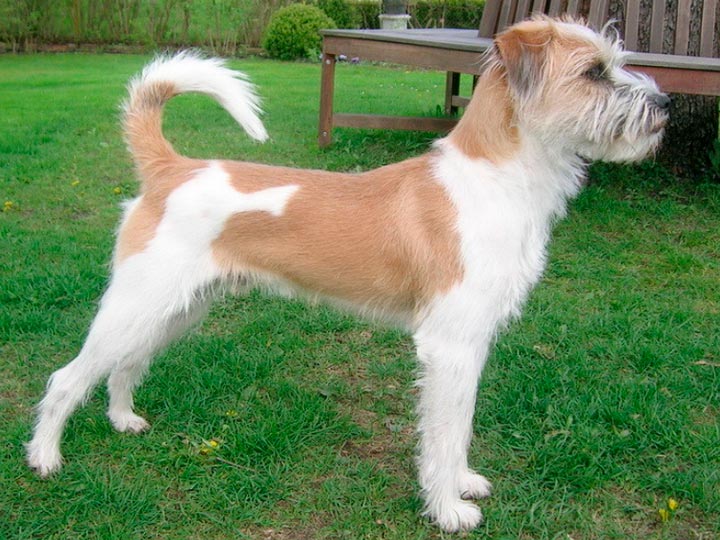
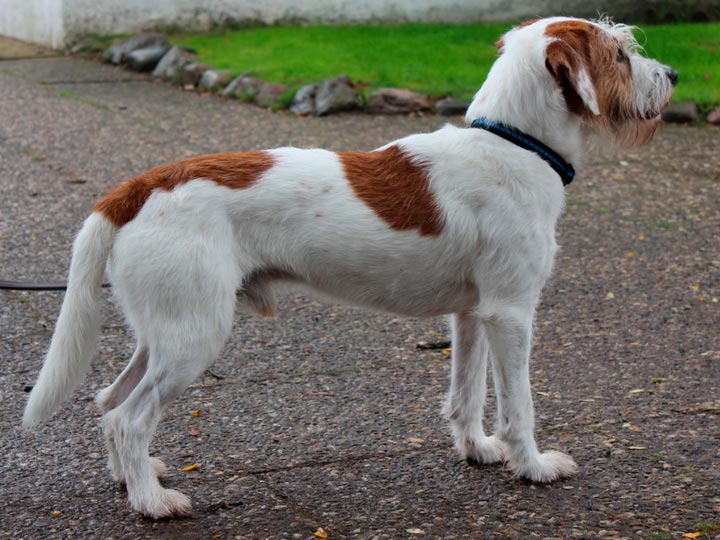
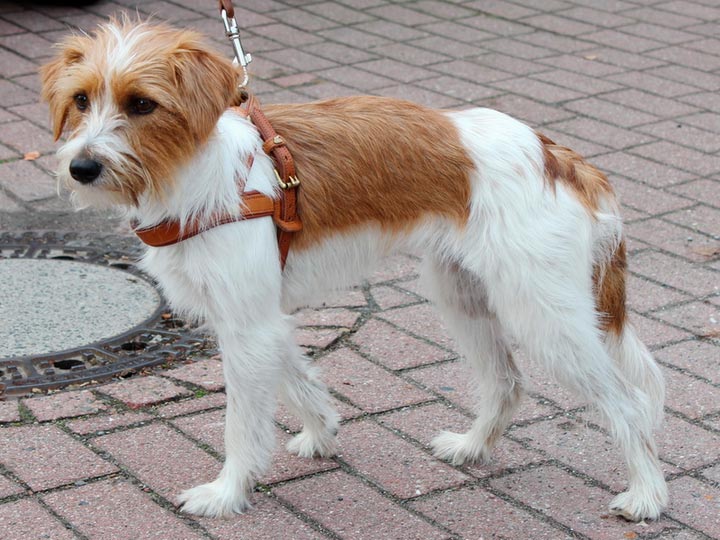
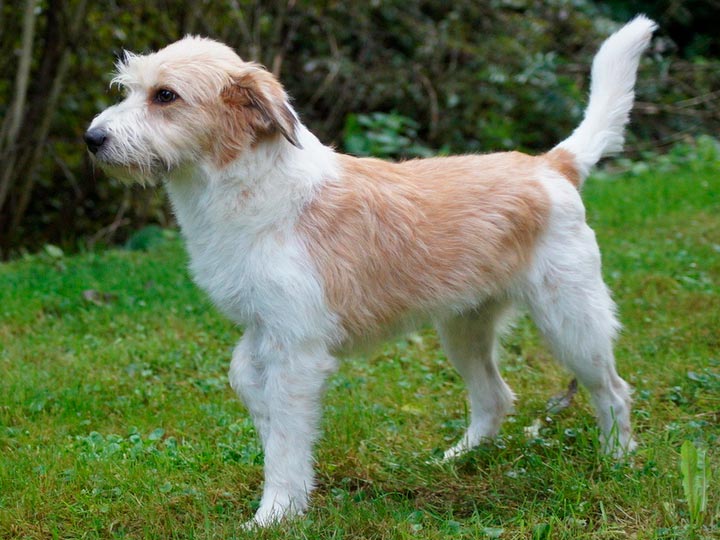
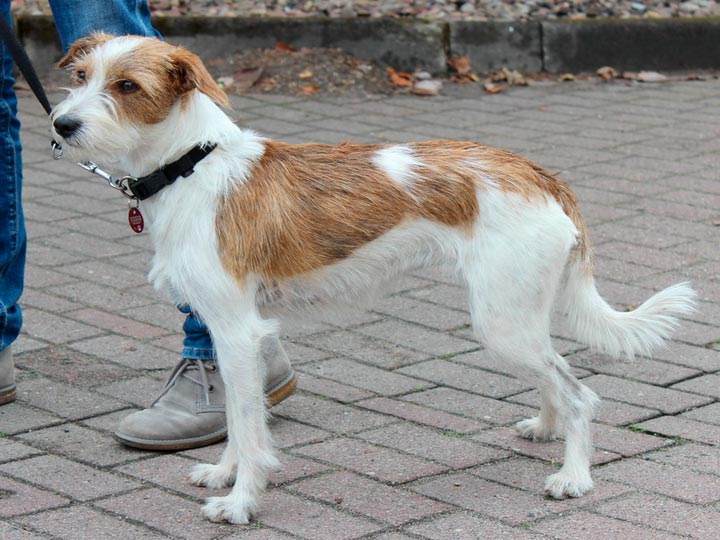
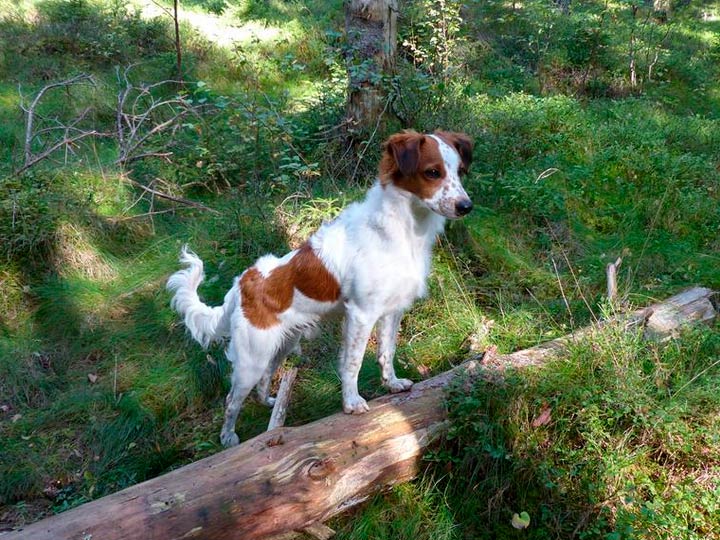
Video about the Kromfohrländer dog breed
Read also:


Add a comment