
Elevated creatinine in dogs: what does it mean and what to do
Creatinine Creatinine is one of the main markers indicating the health of an animal's excretory system. A veterinarian may order a blood test for creatinine if a variety of diseases are suspected, as well as as part of a routine comprehensive examination. In this article, we'll explore in detail what it means if a dog's creatinine level is elevated or low, whether this condition requires treatment, and what to do to normalize it.
Content
Creatinine in the animal's body
Creatinine itself does not have any important functions in the dog's body, but is merely a product that is formed during the breakdown of creatine, which is involved in nitrogen metabolism.
Creatine is synthesized by the animal's kidneys. The enzyme creatine kinase (CPK), present in the bloodstream, transports the substance to the cardiac and skeletal muscles, where it accumulates in various forms (phosphorylated and free). During any activity (walking, running, playing, intense training), creatine is released and provides energy to the muscles, breaking down into creatinine molecules.
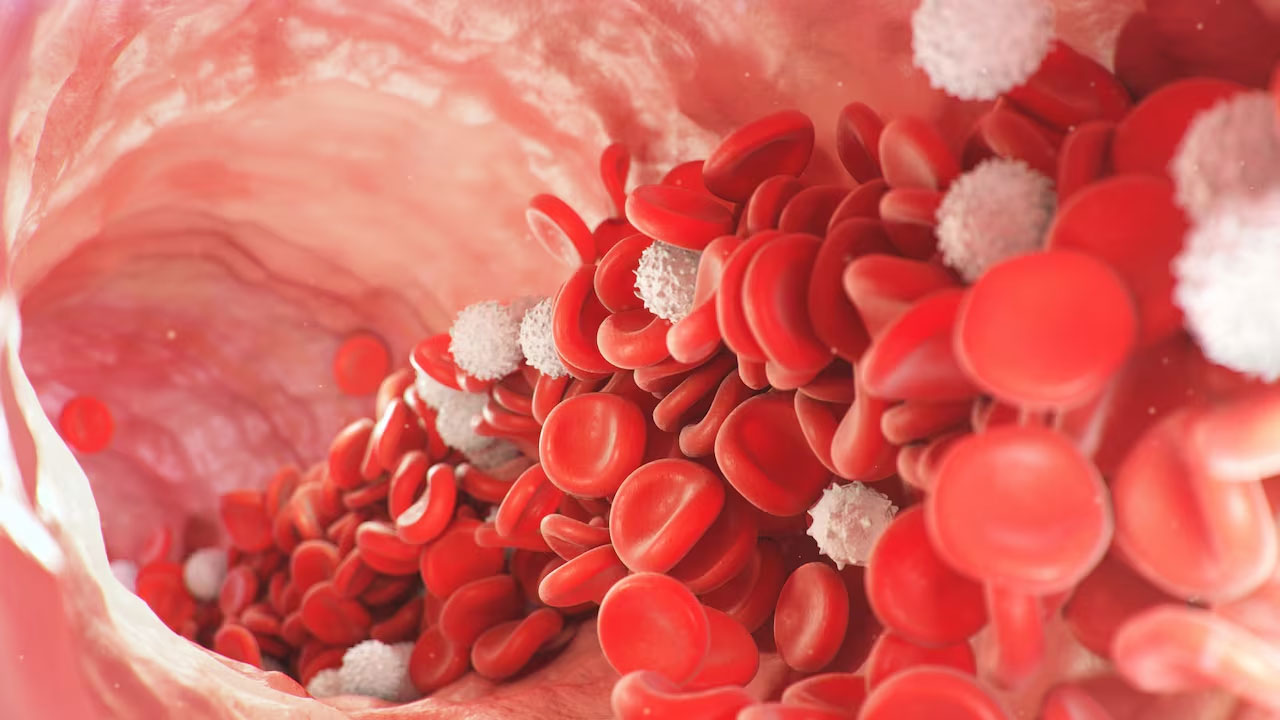
In healthy dogs, creatinine formed in muscle fibers is filtered by the kidneys and eliminated naturally. However, when certain body systems are disrupted, tests show that this parameter deviates from the norm. A significant increase in creatinine (over 800 μmol/liter) disrupts the electrolyte balance of the blood, leading to the following consequences:
- circulatory failure;
- pericarditis;
- cardiac muscle dystrophy;
- mild swelling.
Blood creatinine levels
The norm for dogs and cats can vary over a fairly wide range:
|
Animals |
Demoted |
Norm |
Increased |
|
Cats |
less than 44 μmol/liter |
44 – 160 μmol/liter |
more than 160 μmol/liter |
|
Dogs |
less than 34 μmol/liter |
34 – 124 μmol/liter |
more than 124 μmol/liter |
Many veterinarians may give slightly different normal ranges for cats and dogs, but it is possible to say that the indicator is significantly low or high if the analysis shows that it is outside the specified range.
Important! A dog or cat's creatinine level is considered dangerous if it reaches 200-250 μmol/L, although in some cases this level can be significantly higher. In critical condition, an animal's test result may show 800 or even 1000 μmol/L.
At the same time, veterinarians can tell many real stories about how they managed to save an animal with a level of 900 μmol/liter, but at the same time, patients admitted with a creatinine of 250-400 did not respond to treatment and died.

Experienced veterinarians know that creatinine, as an indicator of kidney function, should not be the only test, as this parameter can be influenced by many factors:
- age (in puppies the norms are lower than in adult and older dogs);
- diet (high meat content can significantly increase the indicator, a vegetarian diet can significantly decrease it);
- last meal (1-4 hours after eating, the concentration can sharply increase by 50%);
- size and breed (in small dogs the indicator is significantly lower than in large ones);
- muscle mass of the animal (in emaciated, thin dogs, creatinine is usually close to the lower limit or lower);
- physical activity (animals that regularly engage in intense physical activity normally have a high concentration of creatinine in the blood, but even with a single load, the indicator can jump by 20%).
A dog's creatinine level can be tested in the blood or urine. To avoid misinterpretations, it is recommended to check the blood plasma urea level and check for elevated protein in the urine. If kidney disease is suspected, your veterinarian may also recommend two tests to assess the glomerular filtration rate.
Characteristic changes in several parameters at once can clearly signal the presence of certain problems with the animal's urinary system, and can also indicate the development of a number of other serious diseases.
Causes of increased creatinine
Elevated creatinine in dogs can be observed in a variety of diseases, as well as in the context of taking certain medications that accelerate the glomerular filtration rate (antibacterial drugs, diuretics, euphyllin, etc.).
Let's take a closer look at the most common causes in veterinary medicine that result in high creatinine levels in tests.
Dehydration
One of the most dangerous conditions that can quickly lead to the death of an animal.
A life-threatening condition in a dog can develop quite quickly as a result of:
- lack of access to water (especially when consuming dry food);
- severe diarrhea and vomiting (especially dangerous for puppies);
- increased volume of urine production (in case of renal failure);
- heat stroke;
- severe blood loss;
- diabetes and other diseases.
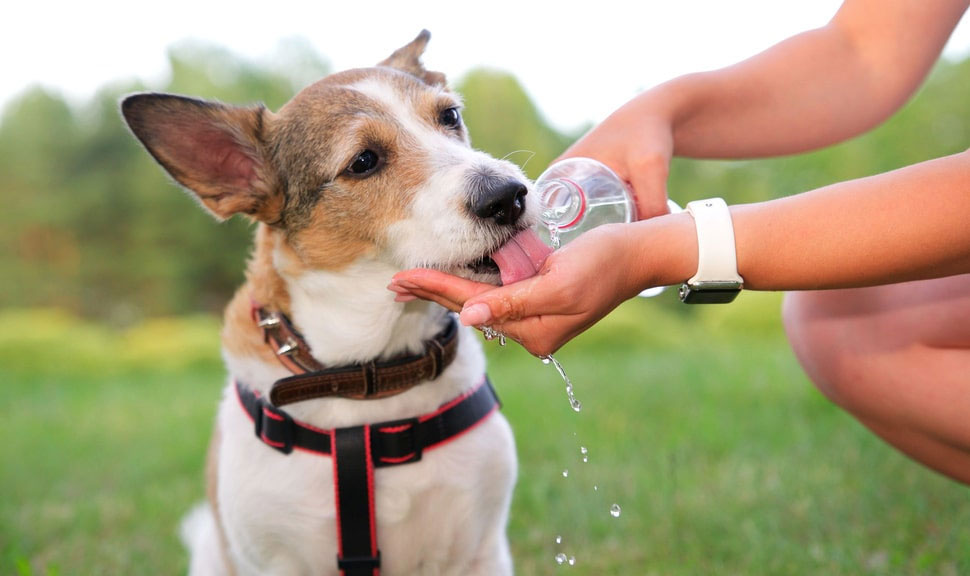
In addition to the test results, dehydration may be indicated by symptoms such as:
- decreased activity;
- change in the appearance of the coat;
- dry mucous membranes (including eyes and nose);
- thick, sticky saliva;
- rapid breathing;
- violation of skin elasticity;
- poor capillary filling of tissues.
Chronic kidney disease
High creatinine levels are often associated with conditions such as CKD (chronic kidney disease) and CRF (chronic renal failure). However, experienced doctors know that in the early stages of CKD, blood levels will not jump tenfold. A test may show only a slight increase, which is often only apparent if the animal is monitored over time and has data on its individual normal range.
A significant increase in this indicator is usually observed in chronic kidney disease, when more than 50% of the kidneys no longer function. We discussed this dangerous disease in more detail in the article "Kidney Failure in Dogs: Symptoms and Treatment".
In inflammatory diseases (eg, cystitis (or pyelonephritis), a urine protein-to-creatinine ratio test is more informative. A low protein content is considered normal. If its ratio to a more stable parameter for a particular animal increases significantly, this indicates an acute inflammatory process leading to epithelial dysfunction and structural damage to the glomeruli.
Protein to keratin ratio:
|
Animals |
Norm |
Borderline |
Proteinuria |
|
Cats |
less than 0.2 |
0.2 – 0.4 |
more than 0.4 |
|
Dogs |
less than 0.2 |
0.2 – 0.5 |
more than 0.5 |
Toxic kidney damage
A condition that arises rapidly under the influence of external factors, but is sometimes no less dangerous than the two described previously.
Toxic damage can occur:
- against the background of a severe infectious disease;
- in case of food poisoning;
- in case of poisoning with toxic substances or medications.
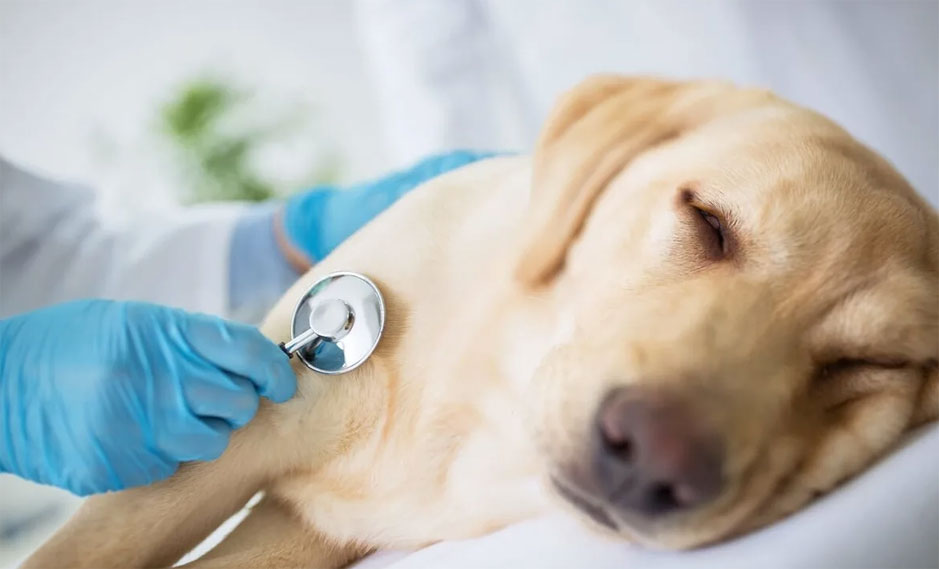
Exposure to adverse factors can lead to serious kidney damage and impaired function. As a result, the animal may develop chronic renal failure, even leading to complete kidney failure.
Prolonged urinary retention
Elevated creatinine levels can occur if an animal, for whatever reason, is unable to empty its bladder for a prolonged period. Doctors distinguish two types of urinary retention:
- functional – walking with breaks of more than 12 hours, dysfunction of the urinary organ, etc.;
- mechanical – obstruction of the urinary tract is caused by obstruction of the urethra.
Heart disease
Congenital or acquired heart diseases can also affect creatinine levels:
- congenital defects;
- disorders of the heart muscle;
- changes in the electrical activity of the heart, etc.
When analyzing creatinine blood test results, it's important to consider that some breeds are genetically predisposed to heart disease. These dogs typically require regular cardiovascular assessments and preventative measures.
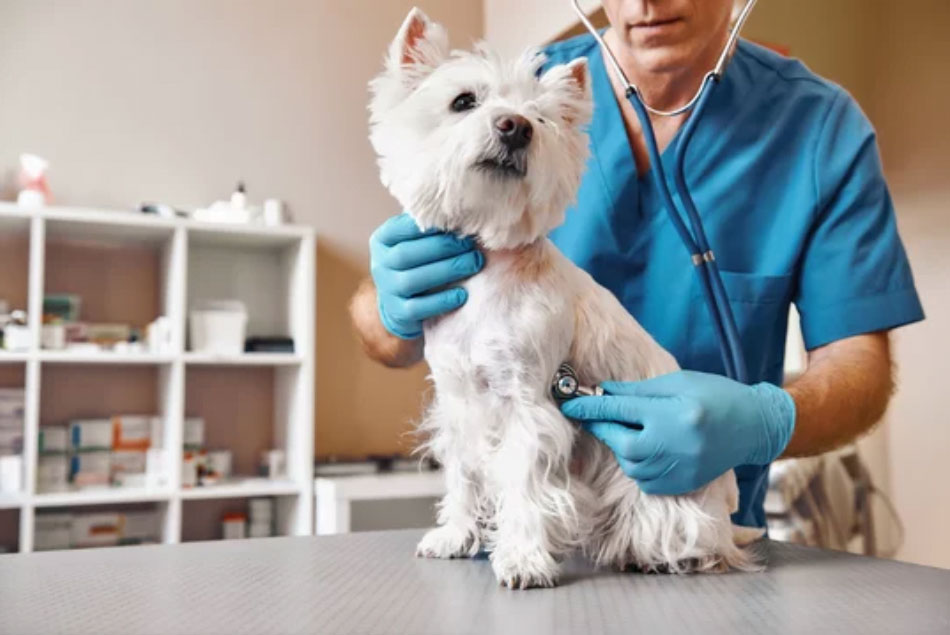
Yorkshire Terrier, Toy Terrier, and Chihuahua puppies are often born with congenital defects. Dilated cardiomyopathy is frequently diagnosed in Great Danes, Dobermans, Boxers, and German Shepherds.
State of shock
Creatinine levels are always elevated if an animal is in shock. Shock is characterized by a sharp drop in blood pressure, which prevents vital organs (brain, heart, lungs, liver) from receiving the required amount of blood.
There can be many different reasons for shock in an animal:
- injuries;
- severe course of diseases;
- sepsis;
- suffocation;
- severe dehydration, etc.
Causes of decreased creatinine
A sharp decrease in test results may indicate the presence of chronic diseases that disrupt the body's metabolism, as well as liver disease or a dangerous condition that causes muscle destruction.
Chronic diseases
Creatinine can be reduced by:
- gastrointestinal diseases, in which the dog loses significant weight;
- poor nutrition (protein deficiency due to insufficient meat in the diet);
- hyperthyroidism (insufficient production of the hormones triiodothyronine and thyroxine in the body);
- hormonal disorders.
Loss of muscle mass
In medicine, severe weight loss is called cachexia. This condition can occur with many diseases, including:
- heart failure;
- chronic kidney disease;
- oncological diseases;
- gastrointestinal diseases;
- metabolic pathologies;
- endocrine pathologies, etc.
Liver dysfunction
The liver is one of the most important organs, responsible for purifying the blood and removing various toxins from the body, as well as producing proteins that regulate blood clotting. When the liver malfunctions, systemic problems arise that affect the functioning of many organs.
Low creatinine is commonly seen in puppies with PSS.
Portosystemic shunt (PSS) is a congenital disorder in which a blood vessel develops in the animal's body during fetal development, bypassing the liver. This structural abnormality prevents the liver from performing its normal functions, which in some cases leads to death in the first months of life.
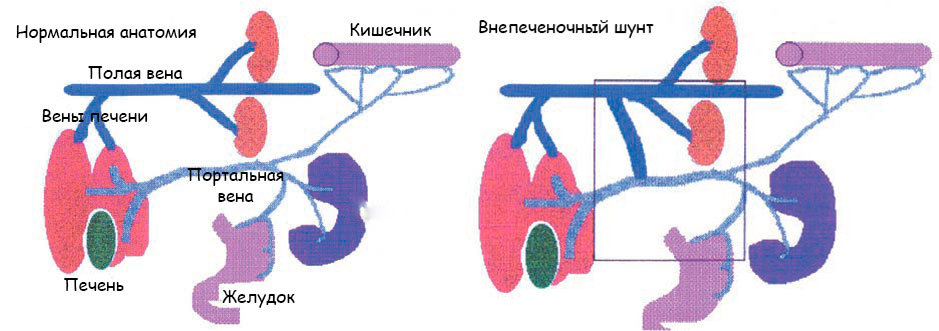
You can suspect PSS based on the following symptoms:
- poor appetite and selectivity;
- periodic vomiting;
- cramps (most often after eating);
- gastrointestinal disorders;
- lethargy;
- very slow weight gain.
Diagnosis of a portosystemic shunt includes an ultrasound of the internal organs and a Doppler blood flow study. Once diagnosed, surgery is recommended to restore normal blood flow to the liver.
Treatment for low and high creatinine
If abnormalities are detected in the blood test results, an additional comprehensive examination of the dog is recommended to identify the cause that led to the accumulation of creatinine.
Once a diagnosis is made, treatment should be aimed at eliminating the underlying cause, taking into account the specifics of the underlying disease and the animal's condition. If the dog's body responds well to therapy and a full recovery is prognosticated, creatinine levels will return to normal over time. However, if a full recovery is not possible, it will be necessary to constantly monitor this parameter and follow the veterinarian's recommendations for feeding and care for a dog with a chronic disease for life.
Veterinarian's advice
Read also:
- How to collect urine from a dog for analysis
- Why do Chihuahuas shake?
- How many blood types do dogs have?


Add a comment