
Elevated Creatinine in a Cat: What Does It Mean and What to Do?
Creatinine is the end product of nitrogen metabolism, a result of the anaerobic creatine phosphate reaction in muscles. This substance is formed from creatine, an important component of energy metabolism, and is released into the blood and excreted in urine. Its blood level serves as a marker of kidney function, although the causes of elevated or low creatinine in cats are not always related to urinary tract problems. Therefore, this blood biochemistry test, in conjunction with other tests, helps in diagnosing a wide variety of diseases.
Content
Causes of High and Low Creatinine Levels in Cats
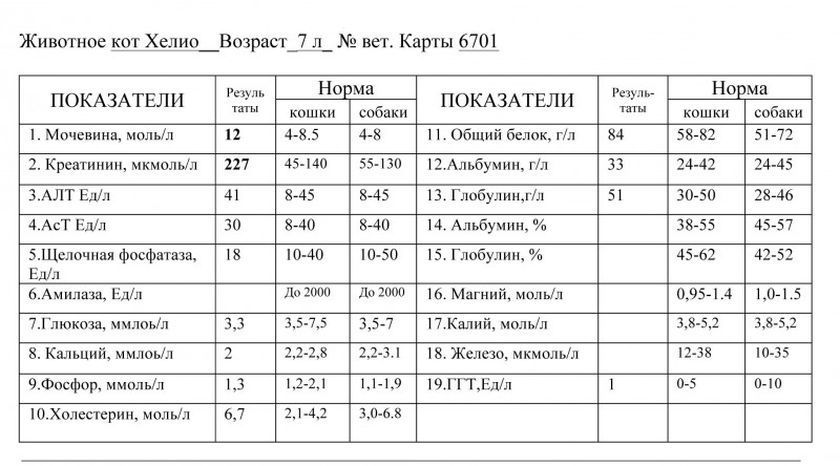
A cat's blood creatinine level depends to some extent on its breed, muscle mass, physical activity, and diet. Normal creatinine levels in urine in cats are 31.4-82.5 (mg/ml), and in the blood, 70 to 160 U/L.
Azotemia (elevated creatinine levels in the blood) is usually caused by impaired glomerular filtration or changes in blood composition. These disorders are divided into prerenal, caused by pathologies not directly related to the kidneys but affecting their function, and renal, caused by damage to the kidneys themselves.
An increase in creatinine in the blood of a cat can be caused by various pathologies:
- Chronic kidney disease (urolithiasis, nephritis, pyelonephritis, glomerulonephritis, nephroptosis, hydronephrosis). In the final, fourth stage of CRF, blood creatinine levels in cats can reach 1000 mmol/L. The prognosis at this stage of the disease is often poor.
- One cause of kidney failure is polycystic kidney disease. The predisposition to this condition is inherited, so cats with this condition are not used for breeding.
- Infectious diseases that negatively affect the genitourinary system.
- Hereditary diseases affecting the functioning of internal organs (for example, polycystic kidney disease in British and Scottish breeds or renal amyloidosis in Abyssinians).
- Dehydration. Significant fluid loss due to uncontrollable vomiting or prolonged diarrhea leads to blood thickening, and, as a result, to increased urea and creatinine levels.
- Blood loss, anemia, when all organs, including the kidneys, are affected.
- Sepsis (blood poisoning) is a life-threatening condition that develops against the background of an inflammatory process.
- Endocrine diseases – hyperthyroidism (excess thyroid hormones), diabetes mellitus, Cushing's syndrome (increased production of the hormone cortisol by the pancreas).
- Obstruction (blockage) of the urinary tract by a hard mineral deposit (stone), a mucus or blood clot, or a tumor. A dangerous complication of urethral obstruction can be bladder rupture.
- High protein diet.
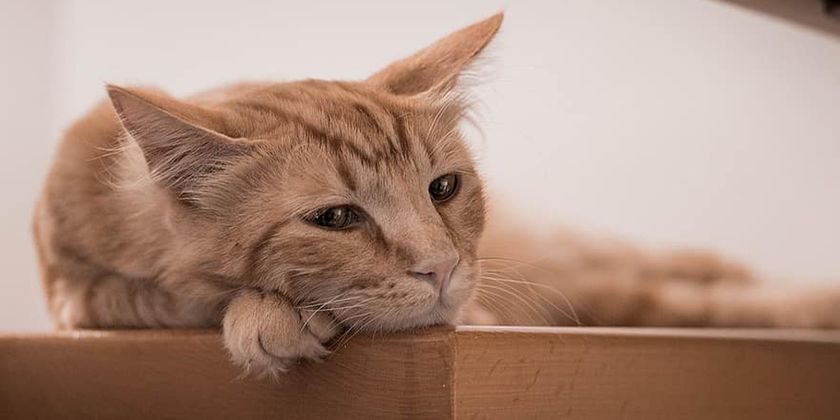
Low creatinine in cats isn't always a sign of pathology; it can be natural if the animal is active and lightweight, and therefore doesn't have much muscle mass. A slight decrease in creatinine levels is considered normal in pregnant cats, as their blood volume increases during this period.
Regarding pathologies that cause a decrease in muscle mass, this is observed in chronic digestive diseases, some endocrine diseases, and oncological diseases. Muscle mass also decreases in elderly animals and animals suffering from obesity.
Signs of azotemia
Symptoms of increased or decreased creatinine levels will depend on the cause of such changes:
- When the body's fluid levels fall below the physiological norm, symptoms leading to dehydration are observed: diarrhea, vomiting, urinary dysfunction (reduced urine output), and constant thirst. The cat's breathing and pulse quicken, the mucous membranes become dry, and the skin, which is folded, straightens slowly.
- In case of blood loss or anemia, pale mucous membranes, lethargy, apathy, muscle weakness, and shortness of breath are observed.
- Kidney disease manifests clinically when kidney function is significantly reduced. The cat has high blood creatine levels, developing hypertension (high blood pressure), and, due to intoxication, vomiting, loss of appetite, weight loss, thirst, and severe weakness are observed.
- Obstruction of the urethra leads to acute urinary retention.
- Sepsis will be accompanied by pale mucous membranes, increased body temperature, increased pulse and breathing, refusal to eat, general depression, and impaired consciousness.
Diagnostics
If you notice signs of illness in your cat and take it to a veterinary clinic, the vet will first examine the animal and ask detailed questions about the symptoms and when they appeared. For a preliminary diagnosis, a blood chemistry panel and a urine protein/creatinine test will be performed. The blood test should be performed on an empty stomach, with a fasting period of 8 to 12 hours.
If blood tests show that your cat's creatinine level is too low or too high, your pet may undergo additional tests to establish a differential diagnosis:
- Abdominal ultrasound. This examination will detect structural changes in internal organs and help detect signs of kidney disease, internal bleeding, and ureteral rupture or obstruction.
- X-ray examination is necessary if obstruction of the ureters or urethra is suspected.
- A bacteriological analysis of urine is performed if an infection is suspected.
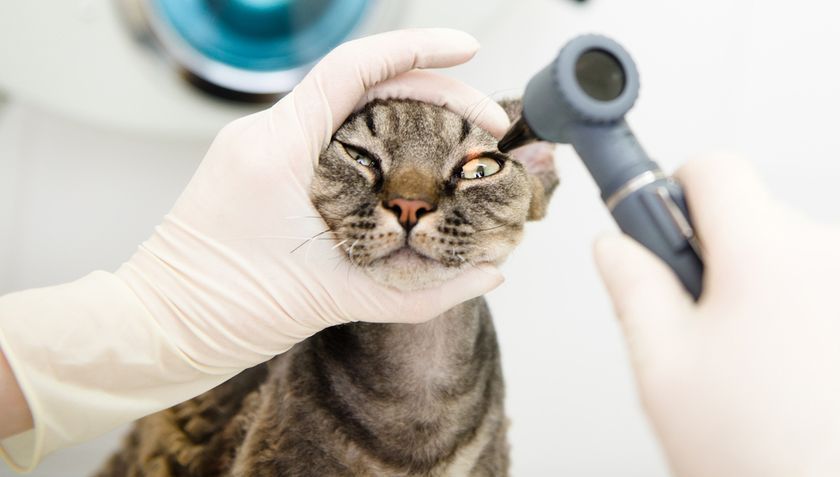
- Ocular tonometry. Measurement of intraocular pressure is performed in animals with chronic kidney and thyroid disease.
If necessary, the range of examinations may include computed tomography and magnetic resonance imaging. CT allows for a layered examination of the internal organs and the detection of tumors, vascular thrombi, and changes in musculoskeletal structure. MRI, which uses a magnetic field and radio waves, produces detailed, high-resolution images of organs.
Treatment
A minor increase in blood creatinine in cats does not require treatment and usually returns to normal on its own. Veterinary care is required if a serious condition is detected. In severe cases—sepsis, bladder rupture, complete urinary tract obstruction, or acute kidney injury—the cat is hospitalized for treatment.
For renal failure, the animal is given intravenous fluids containing saline, amino acid solutions, and electrolytes. Infusion therapy helps restore fluid and electrolyte balance. Calcium channel blockers and ACE inhibitors, which lower blood pressure, can improve circulation and slow the progression of chronic renal failure.
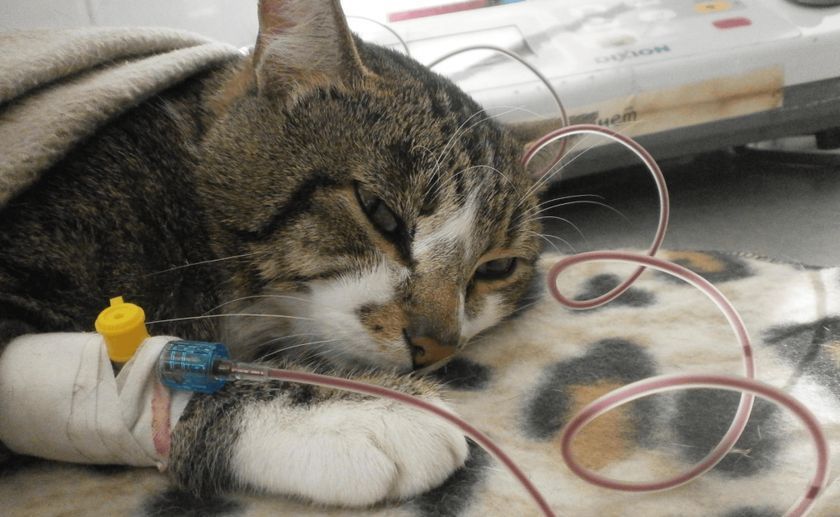
In cases of blood loss, a blood transfusion is administered. To detoxify and allow the kidneys to recover, hemodialysis (blood filtration through a special machine that removes hematic toxins) is prescribed.
In addition to drug therapy, animals with renal failure are prescribed a lifelong diet. Their diet includes homemade low-protein foods (legumes, buckwheat, pearl barley, and egg whites are high in protein). Commercial dry and wet foods labeled Renal are recommended.
If a cat has a urinary tract blockage, it can be resolved by inserting a catheter and flushing the urethra or ureter. If the bladder ruptures, surgery is indicated.
In cats with consistently high creatinine levels due to hyperthyroidism, treatment includes a special diet and, depending on the severity of the disease, medications that reduce thyroxine production or removal of the thyroid gland that produces this hormone.
If a cat is diagnosed with diabetes during an examination, insulin tablets or injections administered into the scruff of the neck are prescribed to normalize glucose levels. High-carbohydrate foods (such as grains, legumes, and potatoes) are prohibited from the diet. For congenital diabetes, diet and treatment are lifelong.
Prevention
Key recommendations include:
- Regular preventive examinations by a veterinarian.
- Vaccination of cats against viral diseases, treatment for external and internal parasites.
- Timely treatment of infectious diseases.
- Poisoning Prevention: Your pet should not have access to potentially hazardous household chemicals, insect and rodent repellents, medications, or houseplants.
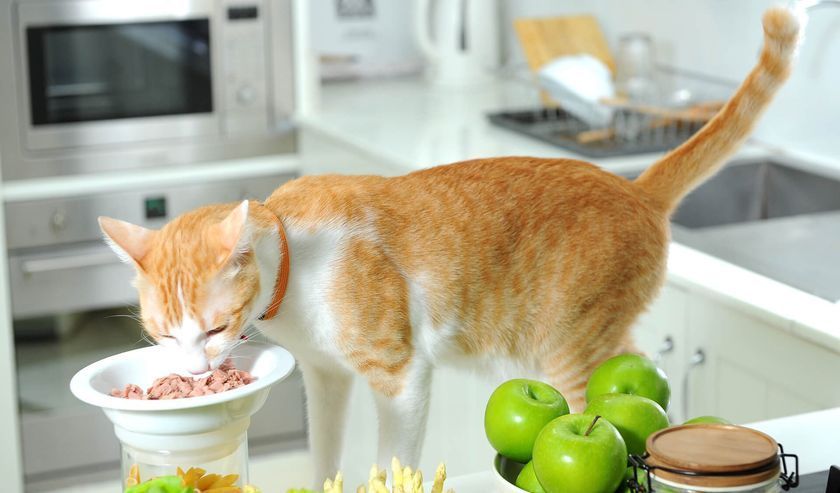
- A balanced diet containing all the nutrients, vitamins, and minerals your cat needs. If your cat eats commercial food, choose kibble and canned food that's at least premium. The transition to a new food should be gradual—the introduction process should take at least a week. Feeding your cat food from your own table is not recommended, as many "human" foods are harmful to animals.
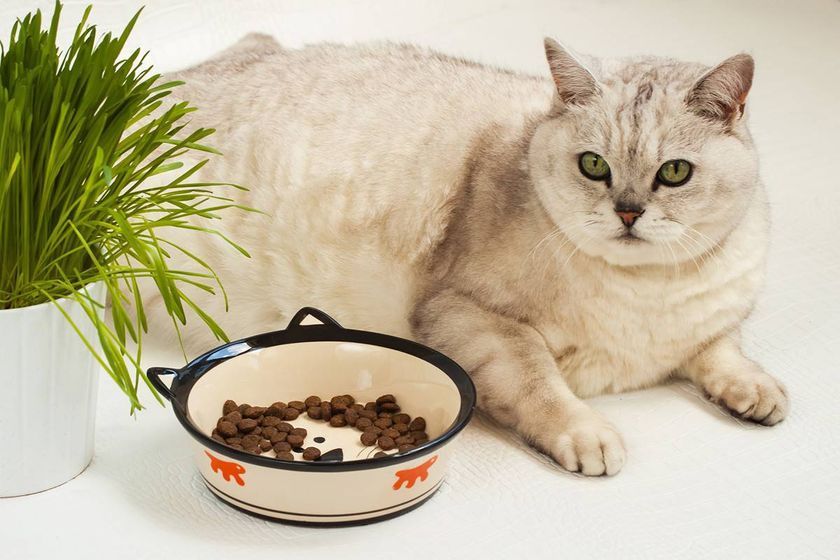
- Weight management. If your cat has gained excess weight, increase their activity and reduce their food portions.
Particular attention should be paid to animals at risk. This includes Persians, Siamese-Oriental breeds, and cats crossbred with these breeds, as well as small kittens, elderly cats, and those with weakened immune systems.
Read also:
- Elevated ALT and AST in Dogs: What It Means and What to Do
- What to do if your cat is poisoned?
- Chronic renal failure in cats: symptoms and treatment


Add a comment