
Karst Shepherd Dog
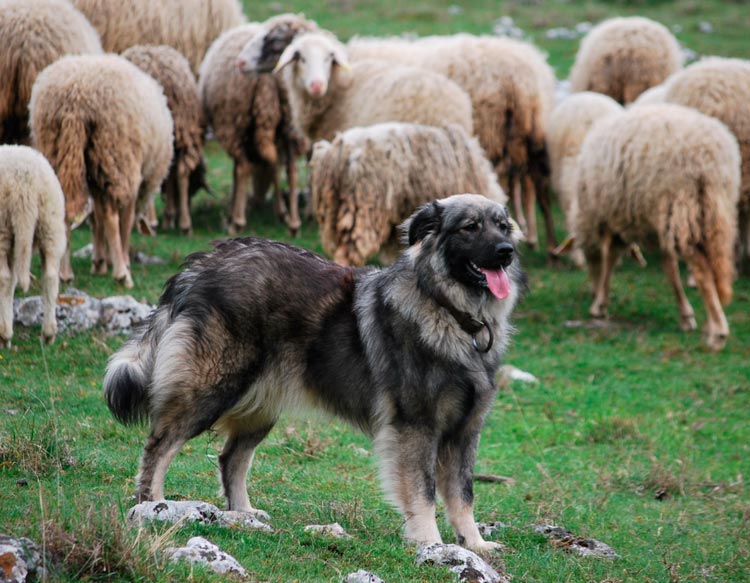
The Karst Shepherd is an indigenous breed of large herding dogs that originated in what is now Slovenia. It has long been used for escorting, protecting livestock, and guarding homes. It is a devoted companion and incorruptible guardian with a distinct personality.
Content
History of origin
The ancestors of the Karst Shepherd are believed to be descendants of Asian Molossoid breeds that emigrated to Europe from Asia. Some of these dogs settled on the Balkan Peninsula and gave rise to several breeds.
The first written mention of shepherds living in the region of the Karst and Šarplanina Mountains dates back to the 17th century. At that time, they were called Illyrian Shepherds. The breed was recognized under this name by the FCI in 1939. In 1968, Illyrian Shepherds were divided into two breeds: Sharplaninskaya and Kraški ovčar (word: Kraški ovčar).
Appearance of the Karst Shepherd Dog
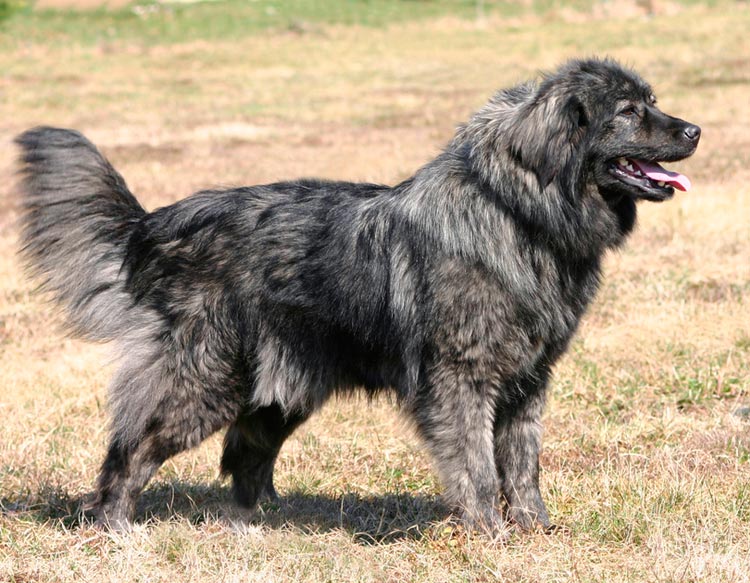
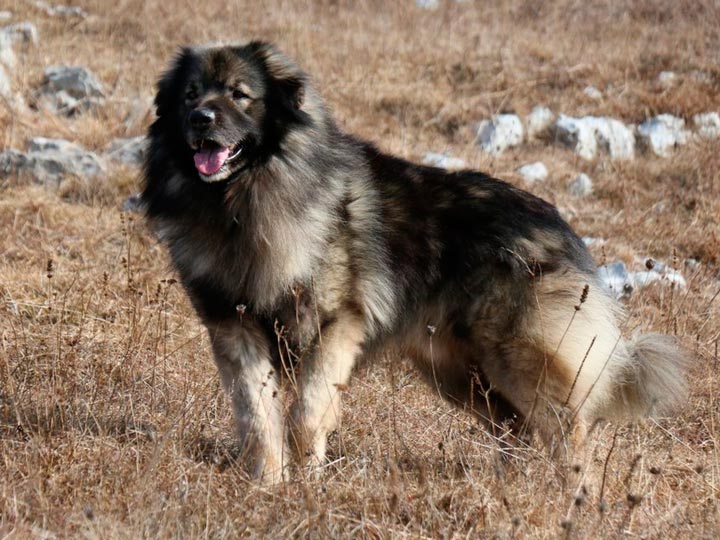
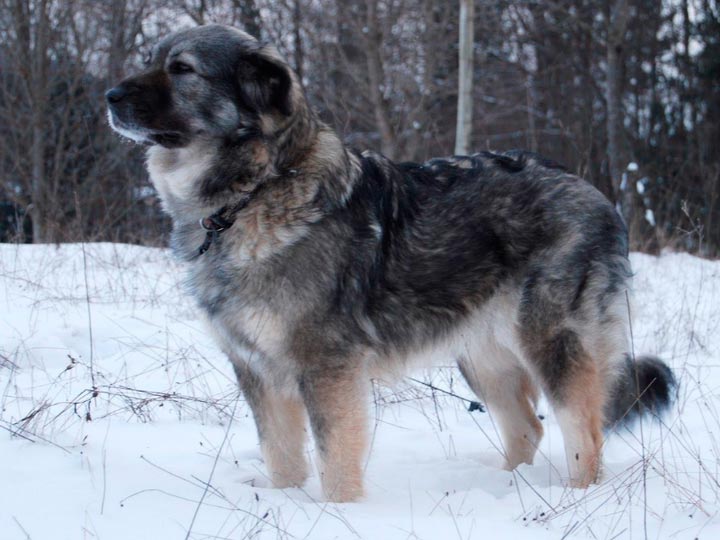
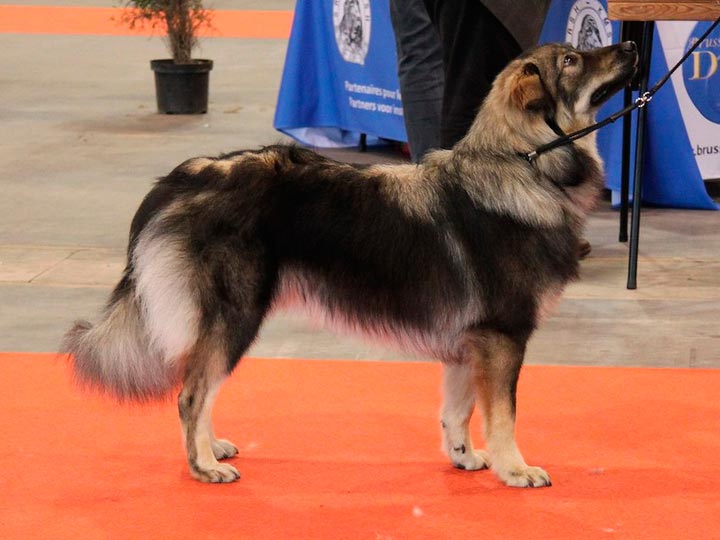
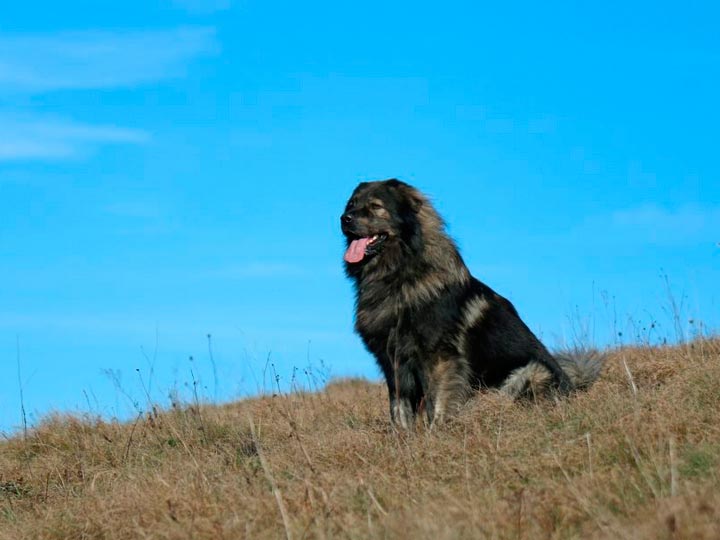
The Karst Shepherd is a harmonious, strongly built dog of medium to large size with well-developed muscles and a long, thick, steel-gray coat. Sexual dimorphism is well-defined.
- Height at the withers of males: 57-63 cm; weight: 30-42 kg.
- Height at the withers of bitches: 54-60 cm; weight: 25-37 kg.
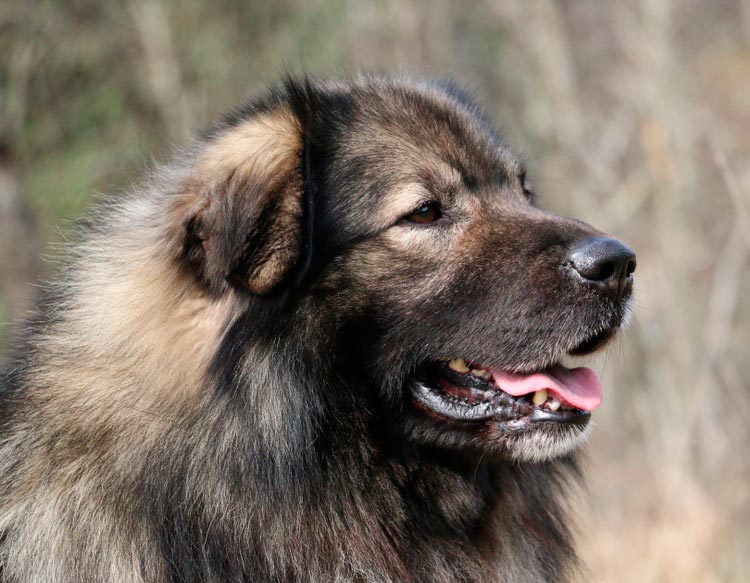
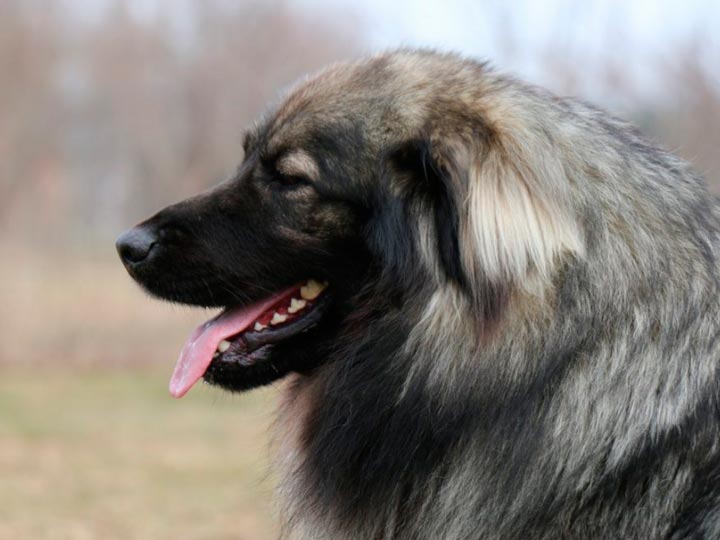
The head is proportional, truncated wedge-shaped. The skull is rounded, the muzzle is of medium length, wide at the base. The earlobe is black, extending slightly beyond the front line of the muzzle. The lips are thick, tight, and black. The bite is a scissor bite. The eyes are wide-set, almond-shaped, and dark brown. The ears are set high, medium in length, and V-shaped. The inner surface of the auricle turns outward in a fold. The neck is wide and thick.
The body is elongated, with a length to height ratio of 9 to 8. The topline is straight or slightly sloping. The chest is well developed, deep, and wide, with well-sprung ribs. The belly is slightly tucked up. The tail is wide at the base, saber-shaped, and has a small hook at the tip. The limbs are straight, harmonious, and proportionate.
In photographs, the Karstschnauzer often appears larger and more powerful than its actual size.
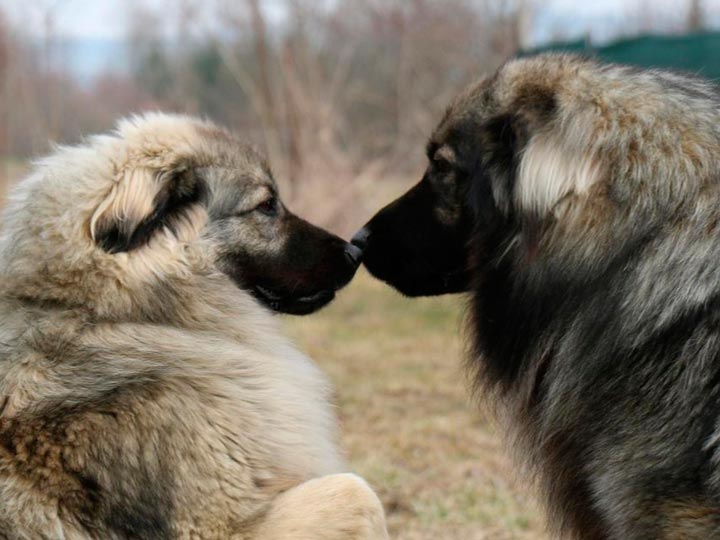
The topcoat is thick, straight, and approximately 10 cm long. The undercoat is very well developed. The hair on the head and forelimbs is short. On the neck, it forms a mane and ruff. On the belly, the hair is softer. The tail is evenly fluffy. The back of the limbs is covered with long, fluffy hair. The color is steel gray.
Character and behavior
Karstschnauzers have an energetic temperament. These dogs are very devoted to their owners, obedient, and wary of strangers, but not prone to biting. By nature, they are independent, courageous, intelligent, reliable, and stable. They strive for equality and respond to any pressure with resistance and aloofness.
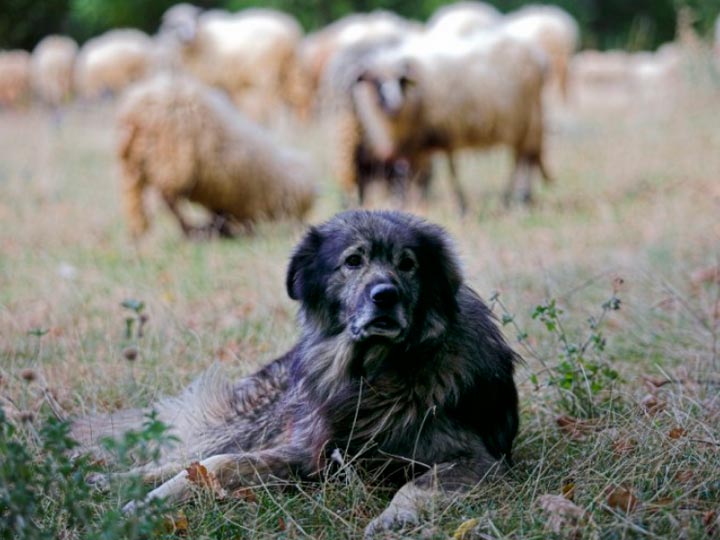
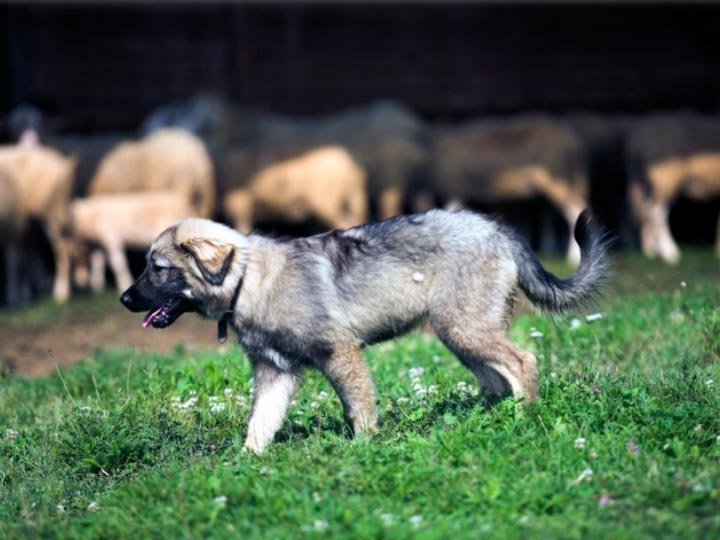
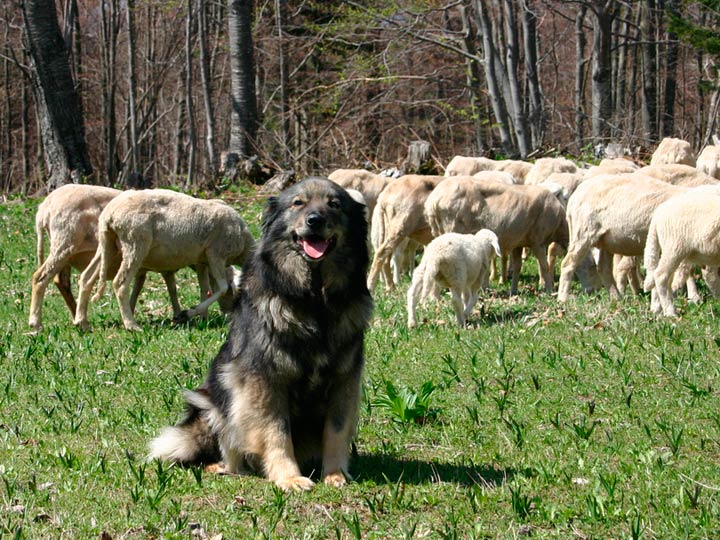
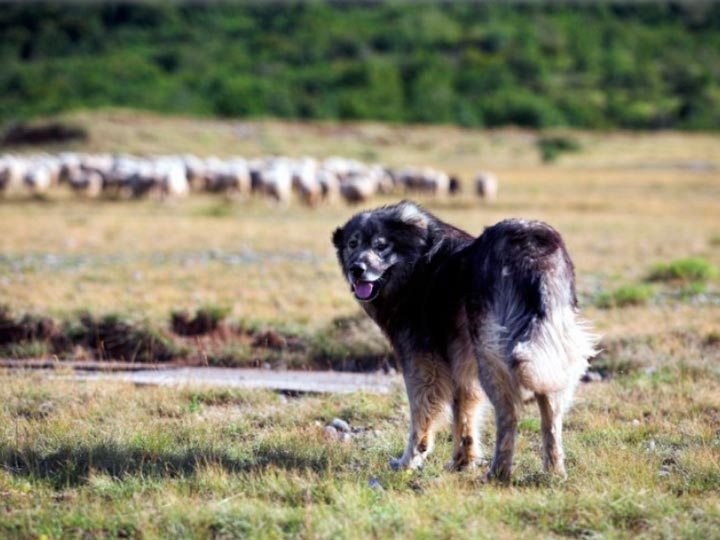
The breed's purpose is largely determined by its character and behavior. The Karst Shepherd is not as active as a herding dog. Its job is to protect the flock. If attacked by wild animals, stray dogs, or humans, this strong and courageous dog is immediately on the spot and drives off the attacker. If necessary, it will engage in combat. It is not lazy, but it also does not waste energy. Like guard and watchdog breeds, it occupies a vantage point and calmly observes. At the same time, it is quite an active dog, especially when young. It gets along well with children, plays with them, and is protective.
The Karst Shepherd is a natural-born herder and guard dog. Recently, it has become primarily a family dog and companion, and is also used to guard homes and family members.
The Karst Shepherd is intelligent and independent, with a tendency to dominate. They are easily trained, but they don't obey every command, especially if they deem it inappropriate. They need an owner who can control them, but not with cruelty or force. It's important to provide consistent training from a very young age. Reward obedience whenever possible and prioritize socialization.
The dog has a well-developed protective instinct. It is aggressive toward unfamiliar animals and people on its territory. It is friendly with friends and acquaintances. It gets along well with animals it has been raised with.
Content Features
The Karst Shepherd is not well-suited for indoor life. Keeping a dog in a city apartment is strongly discouraged. The ideal option is to live in a rural area with a farmstead. It's important that the dog be seen not only as a watchdog and guard dog, but also as a companion. It's suitable for free-range living on a property. It can be kept in a kennel for short periods of time. A dog living in a confined yard requires regular walks outside.
Care
The Krash Shepherd is easy to care for. Occasional brushing is sufficient to maintain a neat appearance. Seasonal shedding is heavy, but light to moderate during the rest of the year. The coat is self-cleaning, so full baths are rarely necessary. Even if the dog rolls in a puddle, the dirt will fall off when the coat dries.
Health and life expectancy
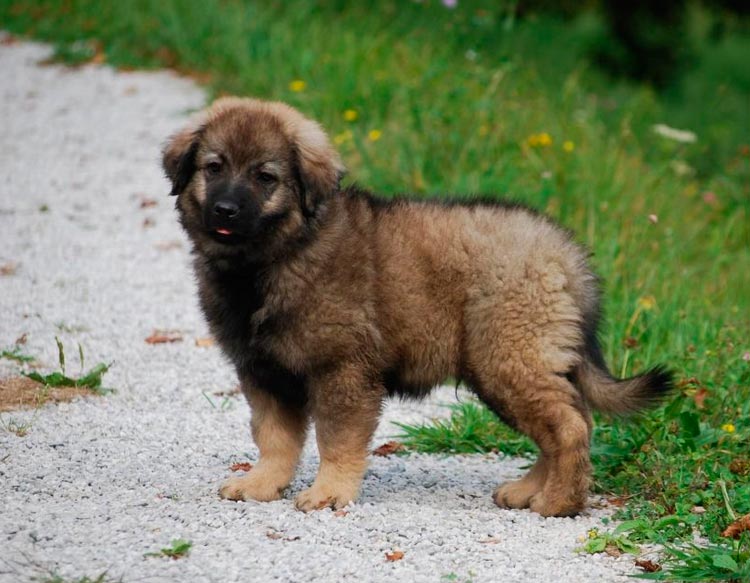
Karst Shepherds are strong and hardy dogs. Average life expectancy is 12 years. Some dogs are predisposed to diseases:
- hip dysplasia;
- elbow dysplasia;
- allergy;
- ophthalmological diseases;
- bloating And gastric torsion.
Where to buy a puppy
The Karst Shepherd is a rare dog breed. It is not currently in danger of extinction, but breeders are committed to increasing genetic diversity and maintaining the breed's health. There are approximately 1,000 purebred Karst Shepherds registered in Slovenia, but only a small fraction are approved for breeding. For this reason, it's best to purchase a puppy only from a reputable breeder.
Price
In Slovenia, the price of Karst Shepherds varies widely, averaging 450 euros.
Photos and videos
You can see more photos of the Karst Shepherd Dog breed in the gallery.
Video about the Karst Shepherd breed
Read also:


Add a comment