
Hives in Dogs: Symptoms and Treatment
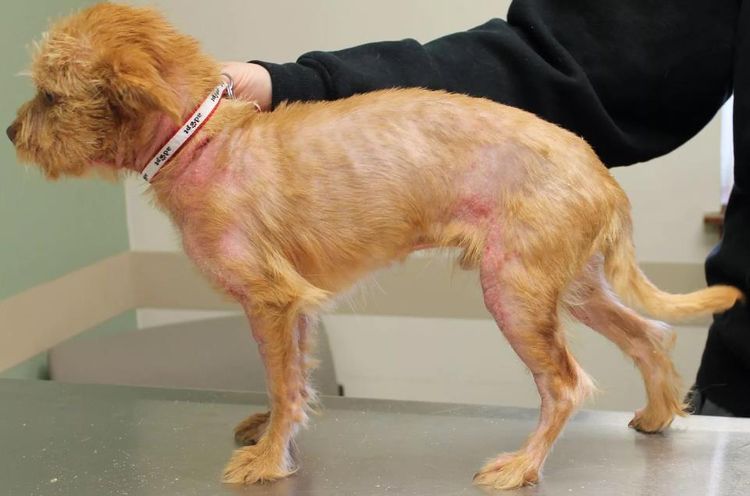
Allergic reactions in dogs are quite common, especially in the context of relatively harmless food allergies. However, in some cases, pets can develop more serious consequences of an inadequate immune response, which is considered the main cause of hives in dogs. These external manifestations of the pathological process are not as harmless as many dog owners often believe.
Reasons
Hives in dogs usually develop as a reaction to food, chemicals, toxic substances, or insect bites. The most common causes of this condition are:
- individual intolerance to certain foods or feed ingredients;
- harmful environmental conditions in the habitat;
- contact with household chemicals;
- taking medications, especially antibiotics, serums or vaccines;
- penetration of toxic substances due to insect bites.
In response to any of the above irritants, a rash on the animal's body usually appears within 15-20 minutes of exposure.
Important! Most often, hives are not life-threatening and resolve on their own within a short period of time. However, even in this case, the animal experiences significant stress, which can seriously undermine its health.
Signs
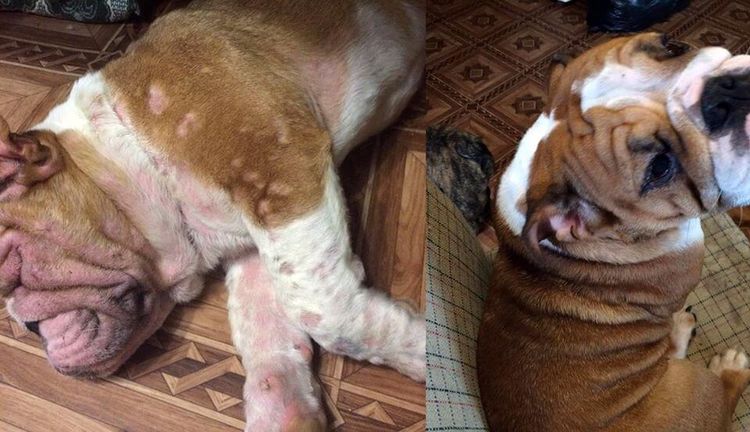
The main symptom of this allergic reaction is the sudden appearance of blisters and welts on the pet's skin, similar to nettle stings. This is where the name of this condition comes from. Typically, these symptoms of hives in dogs subside quickly, but they can persist for quite a while.
Overall, the clinical picture of this allergic reaction is quite characteristic. Common symptoms include the following:
- the formation of a small rash or blisters on the ears, muzzle, and in the oral cavity;
- hair loss;
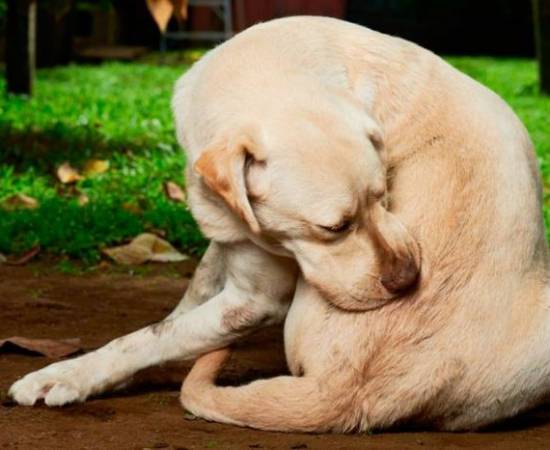
- severe, persistent itching that causes the animal to constantly scratch and scratch its skin;
- in more complex situations – visible difficulty in breathing caused by the appearance of swelling in the upper respiratory tract;
- in critical cases – severe swelling of the muzzle, lips and nose.
Important! If your dog begins straining and wheezing, or if its muzzle and lips become severely swollen, take it to the veterinarian immediately. Urgent veterinary care is also required if hives symptoms do not subside within 24 hours of their onset.
Treatment
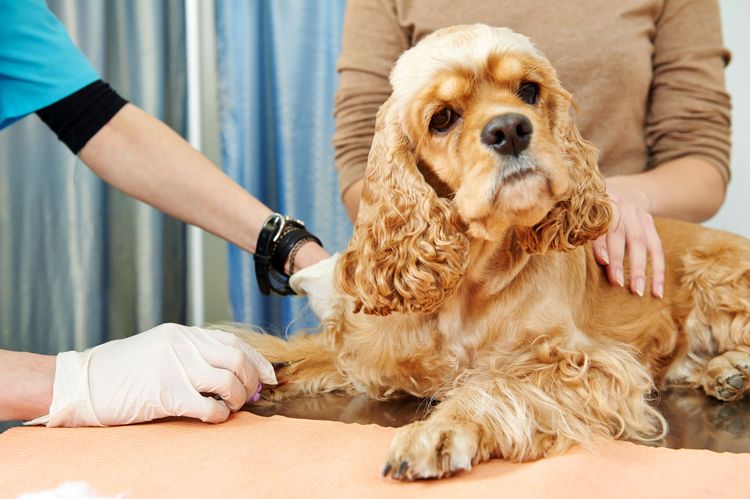
Traditionally, treating hives in dogs isn't particularly difficult. In severe cases, medication is used, while in mild cases, folk remedies are often sufficient.
Medicinal
Medical treatment for urticaria in dogs includes antihistamines, which quickly relieve symptoms. In rare cases of a prolonged allergic reaction, corticosteroids are prescribed to reduce inflammation.
For food allergies, a solution of Glauber's salts is given to the animal to flush out any harmful substances from the gastrointestinal tract. It's important to follow the dosage carefully to avoid causing severe vomiting and diarrhea.
Folk
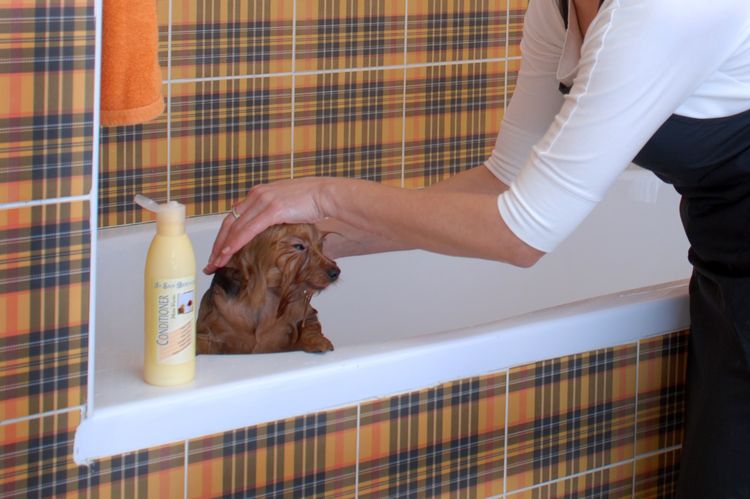
Contact urticaria caused by insecticides or other toxic substances coming into contact with your pet's skin may require only bathing. Special shampoos or herbal infusions are added to the water.
Important! Any home treatment options should only be used for mild cases of hives, when the dog's condition is not life-threatening. Otherwise, delaying timely and adequate treatment can lead to death.
Traditional medicine for hives in dogs includes:
- applying oatmeal paste from thick oatmeal cooked in water;
- rinsing with oat broth, prepared at the rate of 100 g of grain per 1 liter of water and boiled for 30 minutes, and then cooled to a warm state;
- Rinse with a decoction of marigold flowers or chamomile - 4 tablespoons of raw material per 1 liter of water, bring to a boil, immediately turn off and leave to infuse until cool.
Homeopathic remedies are very effective in treating hives in dogs. The most commonly used remedies are:
- nettle tincture in alcohol - 5 drops at the first sign of redness on the skin;
- propolis water tincture – 1 teaspoon to eliminate swelling and improve breathing;
- Rhododendron extract - in dosage according to the instructions to relieve inflammation.
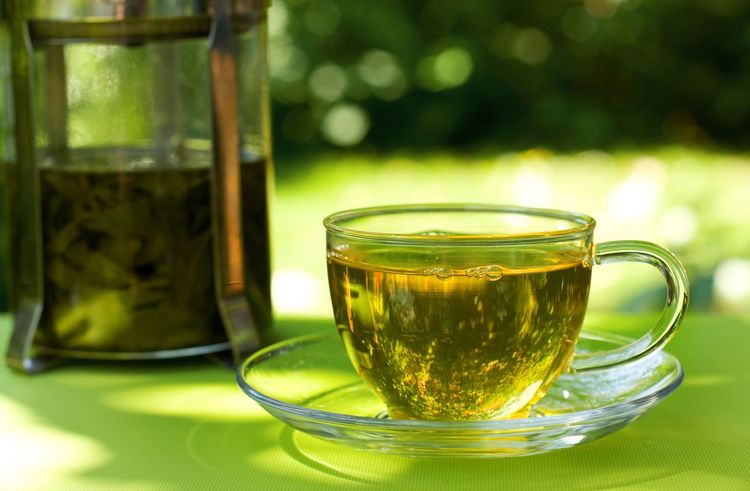
Strong green tea, brewed in the usual way, also has an excellent effect in treating hives in dogs. Soak the pet's fur in the infusion and leave it on until dry, without rinsing.
Prevention
Hives develop suddenly, so it's impossible to prevent them once an allergen has entered your dog's system. However, by following certain rules, you can reduce the likelihood of an allergy. To do this, you should:
- Use only safe, hypoallergenic products when caring for your pet, as well as similar household chemicals for treating the sleeping area and surrounding area;
- If an animal develops hives after the administration of any medication or vaccine, accurately determine the active ingredient of such a drug and do not allow the use of medications containing it in the future;
- Treat your dog against fleas, ticks and other insects in a timely manner to minimize the likelihood of developing an allergy to their bites;
- If your pet is prone to food allergies, carefully select food to ensure it does not contain any allergens.
https://youtu.be/U-CNAFsTRxc
To strengthen the immune system and reduce the tendency to allergic reactions in general and hives in particular, regularly administer vitamin supplements to your pet. This is especially helpful for older, weak, or overly sensitive dogs. Vitamins C and E are most commonly used for this purpose, at 15 mg/kg of body weight twice daily. Regular administration of coenzyme Q10, the dosage of which is determined by your veterinarian, also helps with allergies.
Read also:
- Flea Dermatitis in Dogs: Symptoms and Treatment
- Pododermatitis on the paws of dogs: symptoms and treatment
- Microsporia in dogs: symptoms and treatment




Add a comment