
Coton de Tulear
The Coton de Tulear is a small, decorative dog breed with a soft coat and a docile, good nature. Other names for the breed include the Madagascar Bichon, Tulear Powder Puff, and Cotton Bichon.

Content
History of origin
There are many gaps in the breed's history, but if we consider only reliable information, a very clear picture emerges. The Coton de Tulear is a member of the Bichon group. They are direct descendants. barbette along with poodles And briamiOne of the oldest Bichons is the short-haired Bichon from Tenerife. It was once brought to the Canary Islands and later gave rise to most modern lap dogs (Bichons): the Maltese, Bichon Frise, Havanaise and others.
In Madagascar, there's a legend that one day, several brave little dogs decided to swim across a river, but were afraid of a horde of crocodiles. They began barking loudly, attracting the predators' attention, then quickly ran further along the bank and swam across to safety. In their homeland, cotons are considered the most cunning and intelligent of small dogs.
Apparently, the Coton de Tulear descended from Maltese lap dogs, which arrived in the port of Tulear, Madagascar, around the 17th century on French ships. There's a beautiful legend about this, too. According to the tale, the French ships were wrecked near the coast, but many small dogs managed to escape, some with their owners, others by swimming. Subsequently, they interbred with local dogs, producing an excellent breed of miniature Bichons, enduring stamina, excellent health, and high intelligence. The Coton de Tulear later became a very popular breed among the nobility and earned the nickname "The Royal Dog of Madagascar." It was also given the status of a national breed in Africa. Breeding was overseen by members of the royal family.
In the mid-20th century, hard times fell upon the breed, as did the French nobility in Madagascar. The Cotons were on the brink of extinction. Only the return of "colonists" to France with a significant number of small dogs helped them survive this difficult period. By 1972, the breed was officially recognized by the Fédération Cynologique Internationale. Madagascar is considered the Coton's homeland, but the breed is under the patronage of France.
Video about the Coton de Tulear dog breed (Tulear Powder Puff, Cotton Bichon):
Appearance
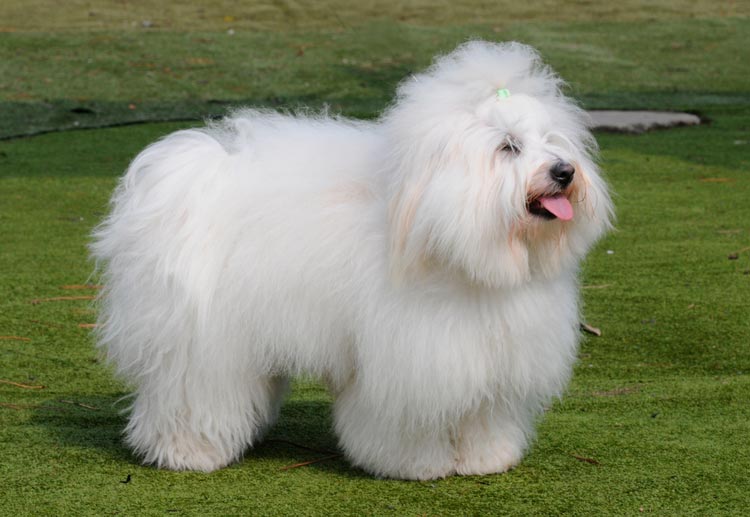
The Coton de Tulear is a small, long-haired dog with dark, round eyes and a lively, intelligent expression. The body is elongated. Sexual dimorphism is well-defined: males stand 26-28 cm at the withers and weigh 4-6 kg; females stand 23-25 cm at the withers and weigh 3-5 kg.
The head is short when viewed from above, triangular in shape. The skull is slightly rounded and broad. The cheekbones are well developed. The stop is moderate. The muzzle is straight. The nose is black, but brown is also acceptable. The lips are thin, the same color as the nose. The eyes are round and set wide apart. The eyelids are well pigmented to match the lobe. The iris is as dark as possible. The ears are triangular in shape, hanging, set high, close to the cheekbones, very thin at the tips, and reaching the corner of the lips. The hair on the ears is long and may be slightly darker than the base color. Scissor bite, straight or reverse scissors. The absence of the first premolar and third molar is acceptable.
The neck is slightly arched and is in a 1:5 ratio to the length of the body. The topline is slightly arched. The withers are slightly defined. The back is arched. The croup is sloping. The chest is well developed, reaching to the elbows, and long with sprung ribs. The belly is moderately tucked up. The tail is set low, reaching to the hock, with the tip curved upward. The front and hind legs are vertical. The paws are small, rounded, the toes are well-knit, and the pads are dark. The movement is free and easy. The topline remains strong while running.
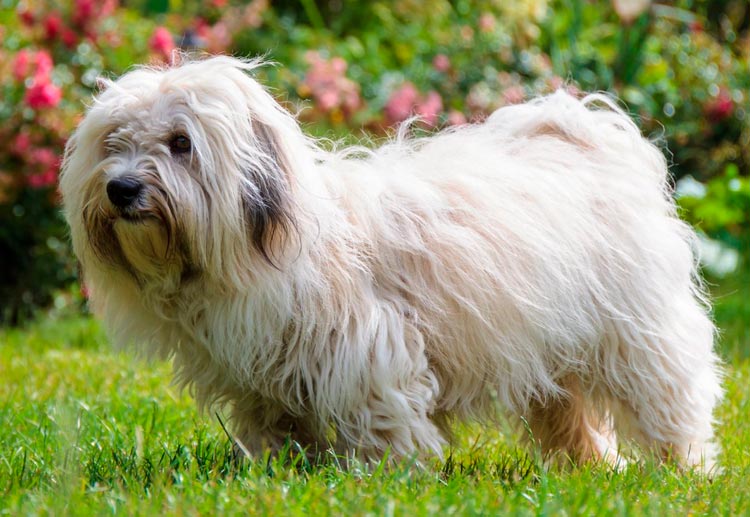
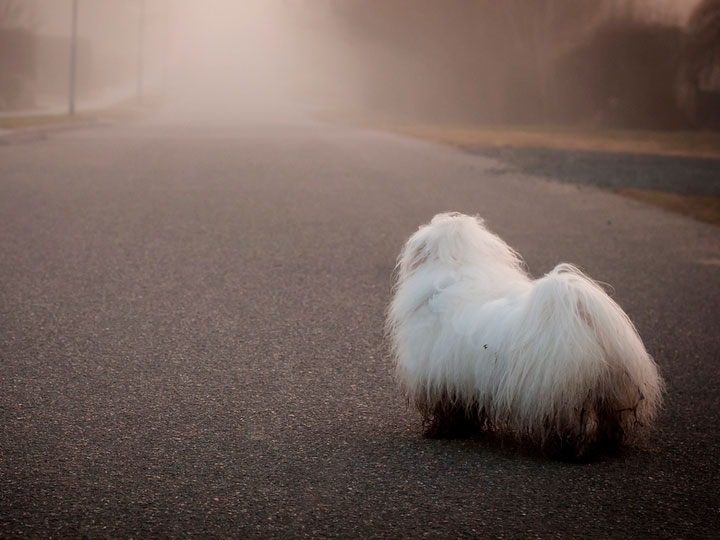
Cotton wool is one of the main characteristics of the breed. It is pliable, very soft, cotton-like in texture, abundant, and can be slightly wavy. The primary color is white, but black, fawn, bicolor, or tricolor are also permitted.
Character and behavior
The Coton de Tulear is a playful, lively, intelligent, and quick-witted companion, equally suited to single people of any age and families with children. It adapts well to any lifestyle. Affectionate, friendly, and very loyal, it has a highly developed intuition and is sensitive to both friends and strangers, making it suitable for canine therapy programs. Its tolerance, playfulness, and cheerful nature make it a wonderful companion for children.
The Coton de Tulear was bred with one purpose in mind: to be an affectionate, playful, sensitive and friendly companion.
A Coton's greatest joy is being noticed. A full-fledged member of the family, he always remains cheerful and active; it seems impossible to upset him. The Coton de Tulear is very responsive and, despite his toy-like appearance, is cunning, resourceful, and enterprising. He's ready to support any undertaking, whether it's a simple walk around the house or a long hike. His behavior is endlessly observable. The Coton de Tulear will lift everyone's spirits and bring a smile.
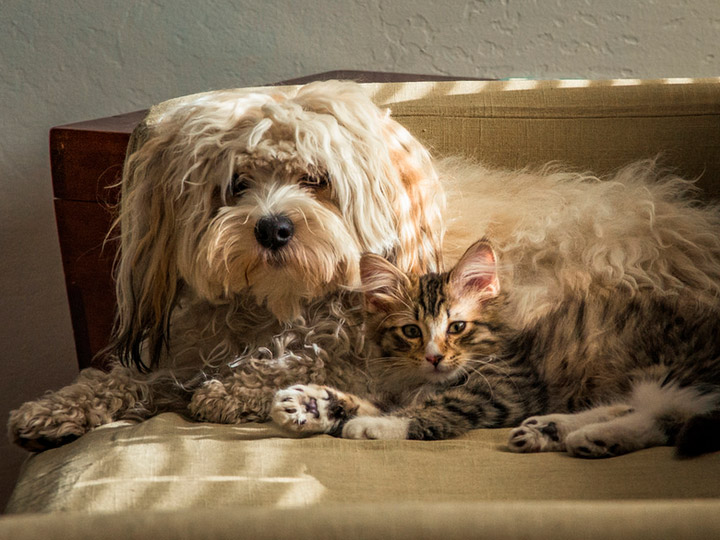
At home, like a cat, he prefers places with maximum visibility so he can easily observe what's going on. He is very active and has a strong guard instinct. He can be overly noisy if his overreaction to every sound is not controlled. The Coton respects his owner's personal space and is not overly intrusive; he will patiently wait for attention. He does not tolerate prolonged loneliness. He gets along very well with all other pets, from small rodents to large animals. Tibetan mastiffs.
Education and training
Cotons are very easy to train; they quickly learn commands, are very energetic, and strive to please their owners in every way. They love praise, but will also accept treats as a reward.
The Coton de Taleara can be seen in competitions agility and flyball.
Raising a puppy is generally relatively uneventful. Cotons are not prone to destruction if given enough attention, quickly learn the rules of behavior in the home, and adapt to the family rhythm. For proper mental development and social adaptation, it's crucial for owners to devote significant attention to socialization during the puppy's active growth period. This will help the dog grow up confident, obedient, and well-adjusted, regardless of environmental factors.
Content Features
The Coton de Tulear is ideal for apartment living thanks to its calm, assertive nature, small size, and lack of shedding. Moreover, these dogs, like other toy breeds, thrive in a family environment. They thrive in human company and wither away when left unattended. Keeping them outdoors, in a crate, or even in an outbuilding should not be considered. In everyday life, the Coton is generally trouble-free, easy to relax and travel with.
Hypoallergenic Coton de Tulear
Coton de Tulears are classified as a hypoallergenic (non-shedding) breed. However, sensitivity varies from person to person. Before getting a Coton, it's important to closely interact with the breed and ensure there's no allergic reaction.
Care
A Coton de Tulear puppy requires virtually no grooming, but owners shouldn't delude themselves into thinking things will stay that way. Furthermore, it's important to accustom the puppy to grooming and all the tools it will need in the future from an early age.
Keeping the Cotonou de Tulear looking neat and clean for show is very difficult. The wool does not shed, therefore, it requires regular brushing and trimming. Around the eyes, nose, and between the toes, the white hairs become reddish-brown. This is normal for the breed, but it spoils the appearance. Therefore, dogs that are shown have their coats regularly bleached with special products. For "couch potato" dogs, this is optional. At shows, the Coton is shown in its most natural state. A short trim is permissible to give the coat a neater appearance.
Coton de Tulearam are given a wide variety of haircuts for their beauty and ease of maintenance.
It's best to brush your Coton's coat daily. Bathe it every 2-3 weeks. It's crucial to check for tangles before bathing. If any are present, untangle them. After bathing, they will tighten so tightly that they will need to be trimmed. For washing, use shampoos for soft white coats and conditioners to make brushing easier. It's important to thoroughly dry the coat or allow it to air dry, avoiding hypothermia and drafts. After bathing, inspect and clean the ears.
The eyes are wiped daily or twice a day. After meals, the muzzle is rinsed. The coat is self-cleaning and remains white even after walks, but not in rainy weather. The claws are trimmed as needed, usually every 3-4 weeks.
Nutrition
The Coton de Tulear requires a complete, balanced diet to stay healthy and active. The owner determines the feeding pattern based on the dog's personal preferences and preferences. This can be one of four options: dry or wet food above the premium level, homemade food, or a raw food diet based on the BARF system. Cotons are generally not prone to overeating, but they can become picky if they are overindulged. Maintaining proper portion control and a consistent schedule are also important for proper digestion. Clean drinking water should always be freely available.

Health and life expectancy
Based on information provided by members of the English Coton de Tulear Club, breed health coordinators concluded that the dogs are free of any significant pathologies or serious hereditary diseases. The Coton de Tulear remains the healthy and hardy dog it always was. The American Kennel Club notes that intervertebral disc disease, rhinopathy, and allergies are common in their lines.
Cotons are recommended to have an annual physical. Some dogs experience elevated liver and kidney enzymes, which can be corrected with a low-protein diet. With good care, adequate nutrition and the necessary veterinary and preventive measures, cotons live 13 years or more.
Choosing a Coton de Tulear Puppy
When considering purchasing a Coton de Tulear puppy, it's important to consider that the breed is not widely available. Puppies are rarely available for sale. Potential owners must find a breeder and reserve a puppy before mating, or periodically check ads on sites like Avito.
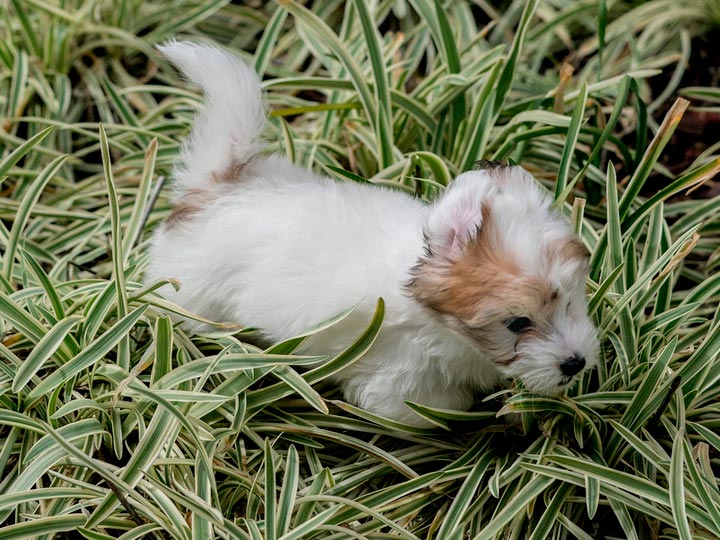
Coton de Tulear puppies are often born with dark markings on their faces and bodies. By the age of two, these markings lighten or disappear completely.
It's best to buy a Coton puppy from a professional breeder or a hobbyist who occasionally breeds their own dog but approaches breeding wisely, matches mates through a club, and registers the newborns. It's best to pick up the puppies in person. This way, you can assess the dogs' living conditions, see the parents, and inspect the puppies for compliance with the breeding standard. All puppies should be healthy, energetic, playful, and curious. Each puppy should have a tattoo, puppy card, and a veterinary passport with vaccination records. It's best to bring a puppy to its new home no earlier than 2.5 months.
Price
The average price of a Coton de Tulear puppy from a breeder is 50,000 rubles. Males can be slightly cheaper than females. The puppies' potential, the breeder's status, the value of the sires, and many other factors play a role. In the United States, Coton de Tulear puppies are significantly more expensive. A pet-class puppy costs $2,000-3,000, while show-class dogs start at $3,000.
Photos
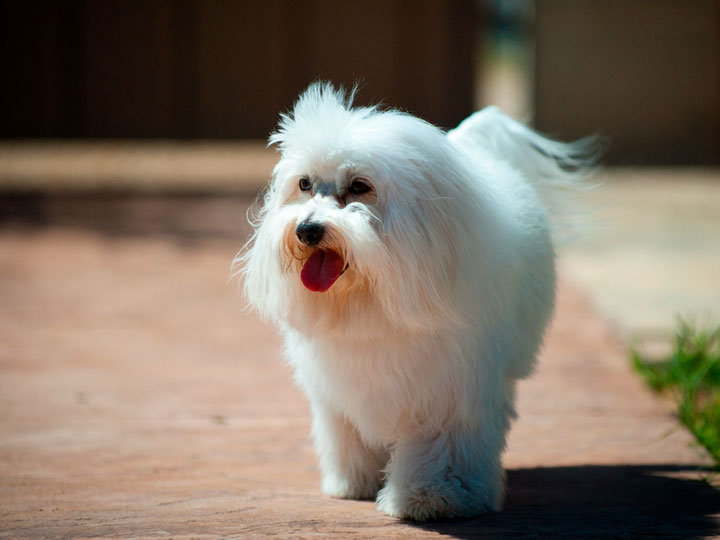
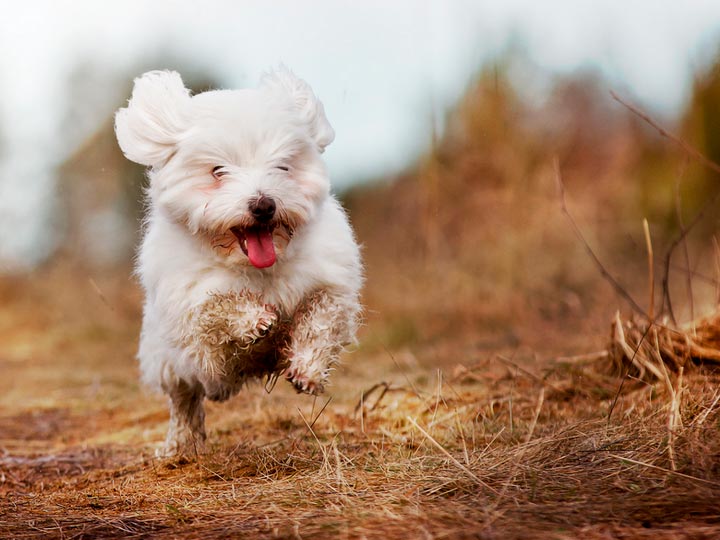
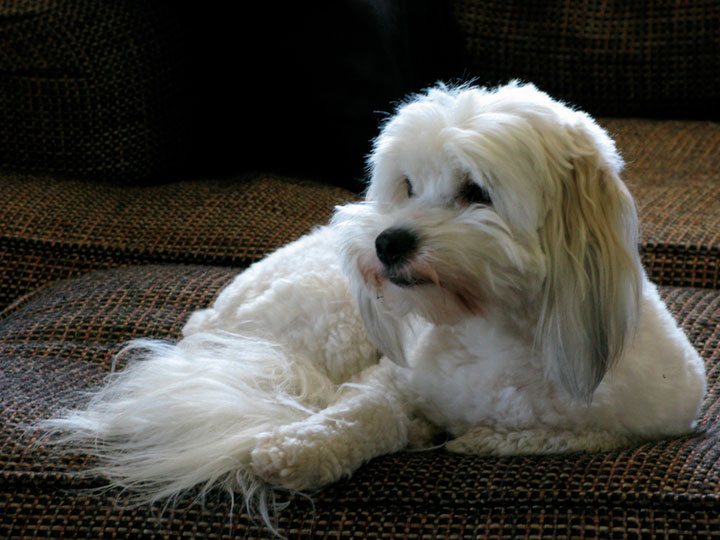
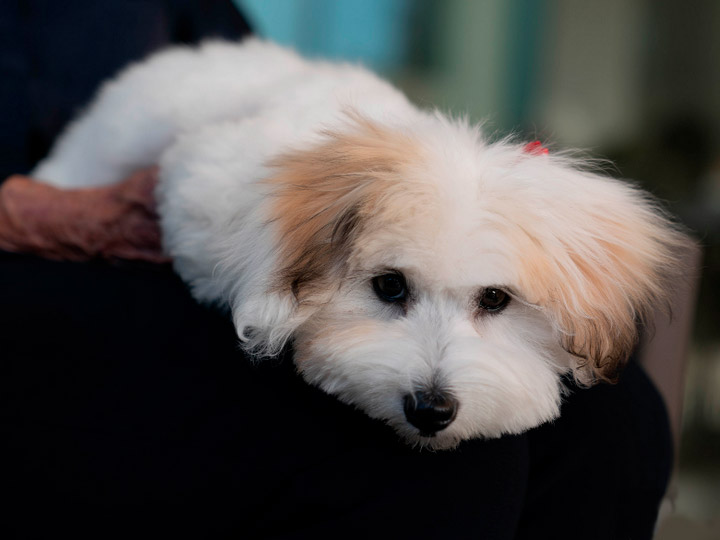
The gallery contains photos of puppies and adult dogs of the Coton de Tulear breed (Tulear Powder Puff, Cotton Bichon).



Read also:
- Landseer (European-continental type)
- Lagotto Romagnolo (Italian Water Dog)
- Bearded Dog: What is the name of the breed?


Add a comment