
Kitten Eating Litter: Why and What to Do
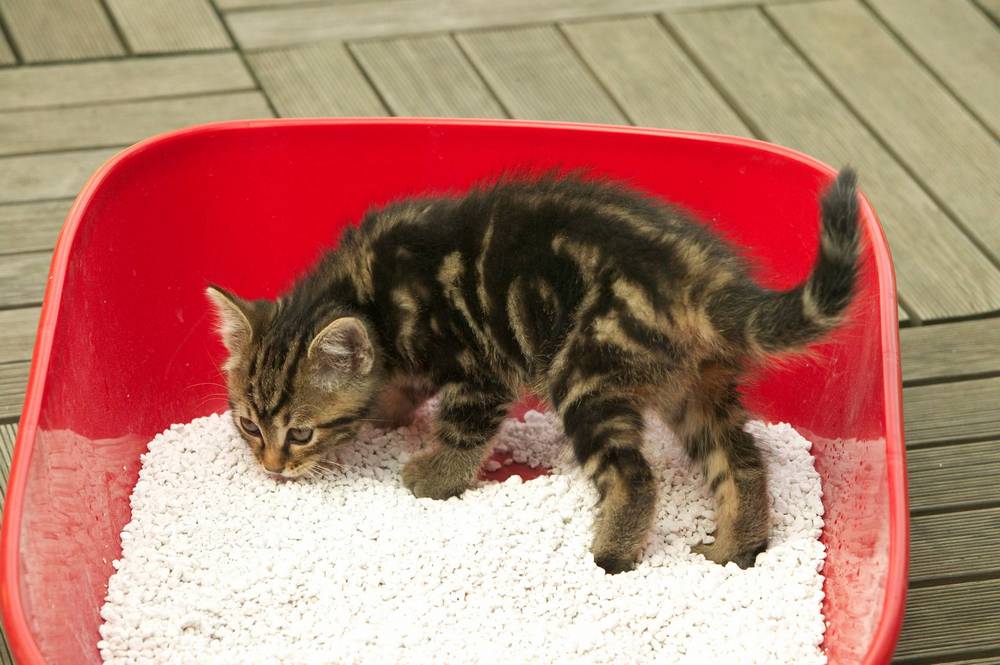
When a small kitten starts eating litter pellets, the first step is to determine why the habit developed. Depending on the trigger, a method can be chosen to permanently wean the pet off sawdust or pebbles. If left untreated, the animal's health will be constantly at risk.
Causes of inappropriate behavior
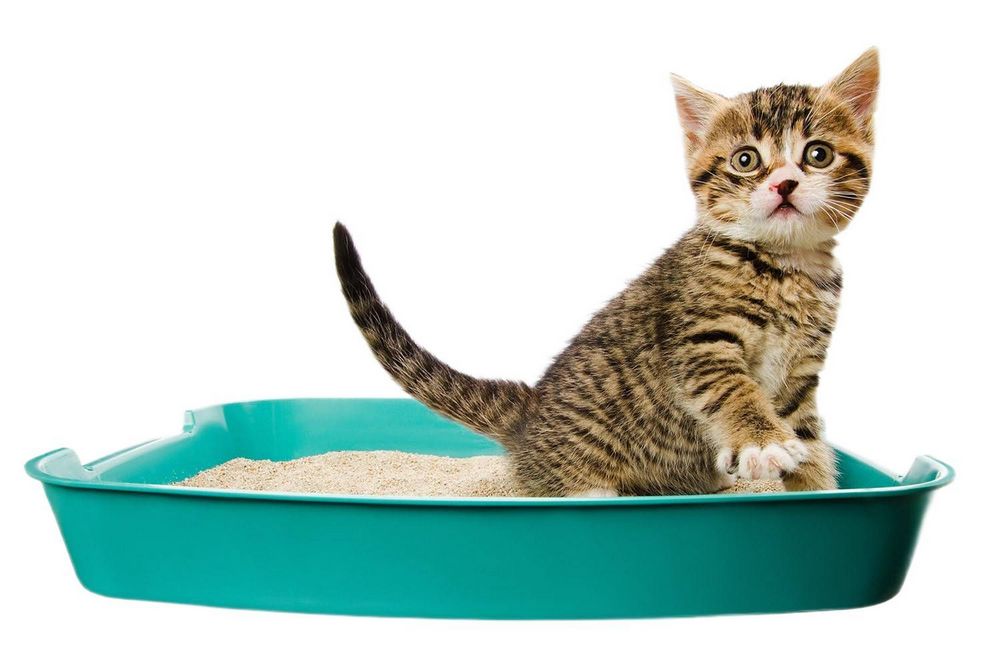
All the reasons why a kitten started eating litter from the tray can be divided into two groups: physiological and psychological.
Physiological reasons:
- Vitamin and mineral deficiencies. A lack of phosphorus and calcium negatively impacts tooth growth and bone development. This problem is common when babies indulge in bentonite clay pellets.
- Fang sharpening. Like any predator, a kitten needs to sharpen its teeth periodically. If there are no special equipment in the apartment, the little pet will have to chew on hard stones in the litter box.
- Curiosity. The granules roll and rustle, making it interesting for babies to play with them.
Psychological reasons:
- Eating disorder. This occurs as a result of constant stress caused by negative emotions. For example, a sick pet may be taken to the vet frequently, which leads to stress. The pet compensates for this by eating pellets.
- Anxiety. Early separation from the mother, moving, or lack of attention can all change an animal's behavior—the pet simply eats away its anxiety.
Finding out why your pet is eating stones or sawdust from the litter box is very important – the problem can become dangerous to health.
Harm from eating litter
Pet product manufacturers recognize that their products come into contact with animals' skin, so cat litter products are free of toxic substances. However, even environmentally friendly products pose risks:
- Wood sawdust disintegrates into small particles in the gastrointestinal tract, which can become lodged in the intestinal folds. Eating sawdust won't cause significant harm to your health, but it can cause mild discomfort.
- When eaten, small granular compounds stick to the mucous membranes of the oral cavity, forming lumps. If a kitten swallows such a lump, it can suffocate.
- Silica gel products They are popular due to their high hygroscopic properties—the granules quickly absorb moisture and form a lump. When silica gel enters the gastrointestinal tract, it swells significantly, stretching the stomach.
Eating toilet litter may cause the following symptoms:
- lethargy;
- refusal to eat;
- profuse salivation;
- severe vomiting;
- diarrhea or constipation;
- suffocation;
- tachycardia;
- aggressiveness caused by pain in the gastrointestinal tract.
If these signs are present, take your pet to the veterinarian immediately. In cases of constipation, the clinic will perform a gastrointestinal lavage, and if breathing problems occur, the foreign object will be removed. Intestinal obstruction or a lump in the esophagus often requires surgery. Without professional assistance, the animal may die.
How to get rid of the problem
If a kitten regularly indulges in kibble, it will take a great deal of patience on the part of the owner to break the habit. Several proven effective methods can be used:
- If your cat is fed a clay-based diet, it's a good idea to add calcium-containing ingredients to the food. If your cat is fed a wood-based diet, consider adding more fiber. A veterinary examination can help determine any nutritional deficiencies. Your veterinarian can also recommend vitamin and mineral supplements that will maintain the balance of minerals and organic matter necessary for your pet's overall health.
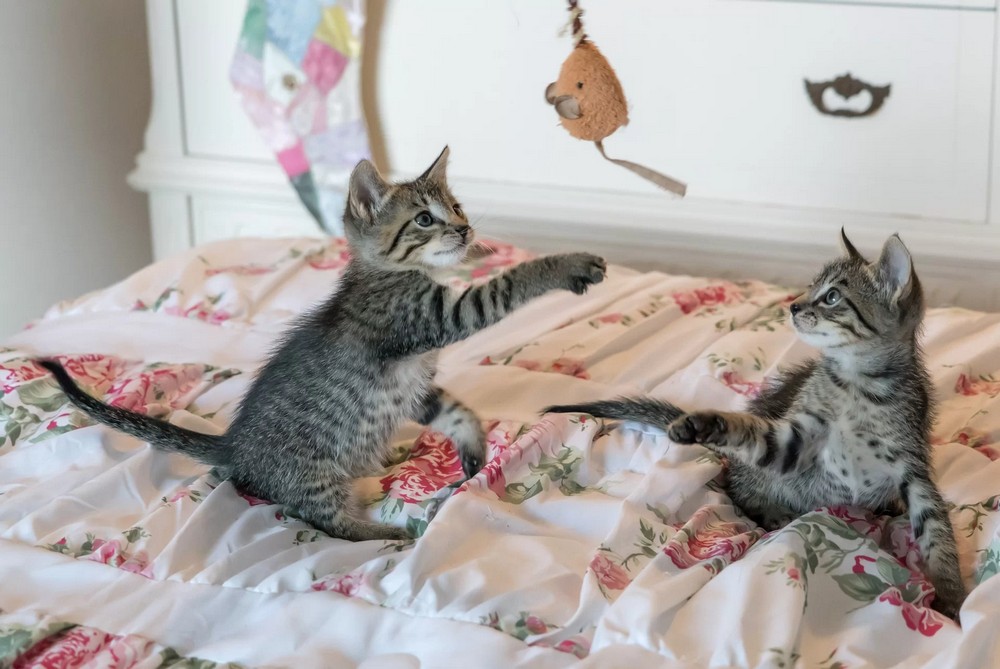
- Buy toys that will help develop core muscles and satisfy curiosity – mice, houses, ladders, and small mazes. It's great if the toys make a rustling sound. However, plastic bags should not be used instead, as there is a risk of swallowing a piece of the film.
- Buy special treats for teeth grinding. From 4 months, kittens can be transitioned to dry food, which allows the process to occur naturally when eaten.
- Change the litter tray composition. Today, there are products available made from natural ingredients that are safe to use, even if the pellets are swallowed.
If stress is the cause, it's important to spend more time with your pet. Play and affection will significantly reduce anxiety and help break the bad habit.
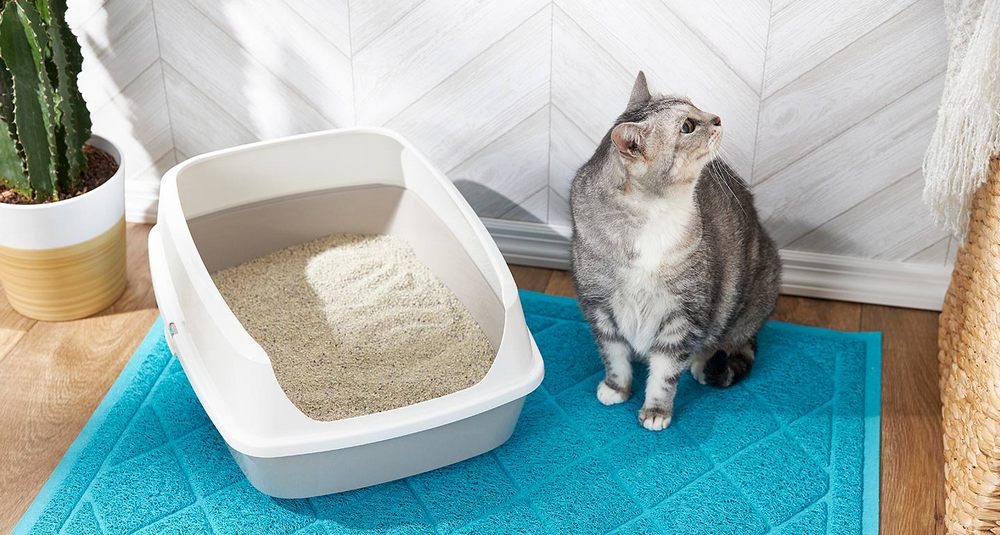
You can nip the problem in the bud from the moment your pet arrives in the apartment – train your little one to use a litter box with a grate. Closed toilet type will solve several problems at once:
- the animal will not be able to eat the pellets;
- the kitten will not spread particles of litter around the apartment on its paws;
- the granules will not scatter around the tray when the baby starts to bury the traces of his elimination;
- every day you will only have to clean up feces;
- The smell of cat urine is less intense if the litter box is covered with a grate.
The only downside to this method is that owners tend to forget. They often change the contents of the litter tray when the smell of waste becomes too strong. You just need to get into the habit of cleaning the litter box at least every 3-4 days. Another option is to skip the granules and simply rinse the tray after each visit.
Today, manufacturers offer modified toilets with replaceable cartridges. The tray, equipped with carbon filters and antibacterial wipes, can be used for 6-7 months without the need for liquid waste disposal. Modern models are expensive, but according to user reviews, the cost is quickly recouped—there's no need to buy litter.
Once your kitten is litter-trained, it's best to use more expensive natural formulas, such as corn or soy. Corn and soy are often included in canned cat food and are safe for your pet. You can also use compressed wood shavings, which swell in the stomach but quickly disintegrate into small particles. They are also available in larger fractions, making them very difficult for kittens to swallow.
If an adult cat's habit of eating litter suddenly develops, it's worth consulting a veterinarian. The problem may be related to their emotional state or a mineral deficiency. A visit to the vet is essential, as food indigestion is common in the early stages of rabies, and the problem may be much more serious.
A kitten's habit of eating litter must be combated by making their life more interesting and using mineral supplements for a balanced diet. Neglecting the problem can lead to serious consequences, such as poor health and decreased appetite. To prevent this bad habit, it's best to train your pet to use a litter box with a grate or replaceable cartridges from birth.
Read also:
- My cat has stopped using the litter box – why and what to do?
- How to litter train a male or female cat
- How to train a cat to use the toilet?


Add a comment