
My cat is vomiting white foam: why and what to do
Digestive problems in pets often cause concern for owners. If a cat vomits white foam, owners are understandably concerned about their pet's well-being. In such a situation, it's important to understand the dangers of this symptom and be able to promptly assess its severity so that appropriate first aid can be administered if necessary.
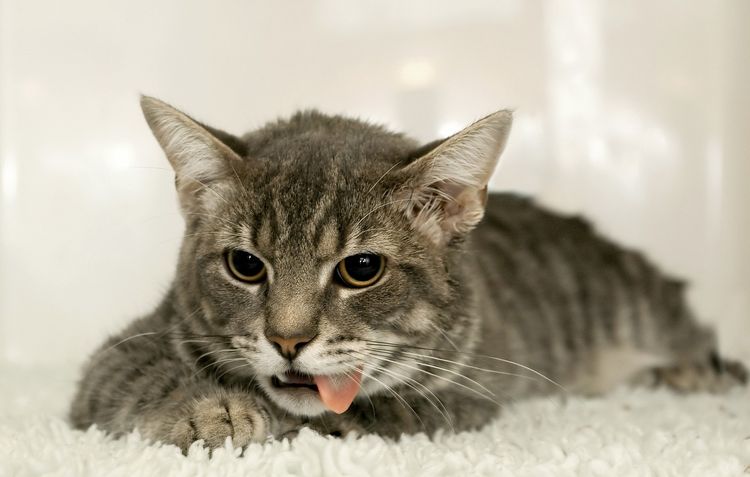
Content
Why does my cat vomit white foam?
The gag reflex in felines is often a protective reaction to the ingestion of a foreign object, irritant, or pathogenic bacteria. In such cases, there is no cause for concern. However, vomiting is a sign of a serious medical condition requiring immediate treatment. It's virtually impossible to independently determine the cause of the foamy liquid, so a veterinary consultation is always a good idea. The most common causes of vomiting include:
- The most dangerous diseases are panleukopenia and feline distemperIn severe cases, they can be fatal. Vomiting, accompanied by white or yellowish foam that contains no food particles, occurs frequently and provides no relief to the animal.
- An infectious respiratory disease in which vomiting is accompanied by coughing and a small amount of blood is present in the regurgitated foam.
- Inflammatory processes in the gastrointestinal tract. The most harmless of these is heartburn. Symptoms appear immediately after feeding. A life-threatening condition is enteritis, when a cat vomits white foam and suffers from prolonged diarrhea.
- Inflammation of the adrenal glands. Muscle weakness is noted, the animal becomes lethargic, and blood sugar levels drop. Without immediate treatment, the cat may die.
- A poor diet is one of the most common causes of vomiting. When overfed, the body begins to resist the large amount of food consumed. Cats are also highly sensitive to food shortages. Foamy vomit occurs when the animal goes without food for a long time, leading to a buildup of hydrochloric acid, which irritates the stomach lining. A cat's fast should not last more than 24 hours.
- Hairballs in the stomachThis problem is especially acute for long-haired breeds. When licking, the hair is swallowed, forming dense clumps. Irritating the stomach lining, the cat vomits white foam.
- Worms and other parasites. The toxins produced during their life cycles are not processed quickly enough. The body responds to intoxication by vomiting, trying to rid itself of the harmful substances.
- Poisoning. Occurs as a result of medications, household chemicals, poisonous insect bites, or accidental ingestion of poisonous grass.
A single episode of vomiting with a small amount of foam is not a cause for panic. It is recommended to observe your pet for 24 hours; signs of illness may disappear the following day. If the situation worsens, your cat appears ill, or has no appetite, a visit to the vet should be made immediately.
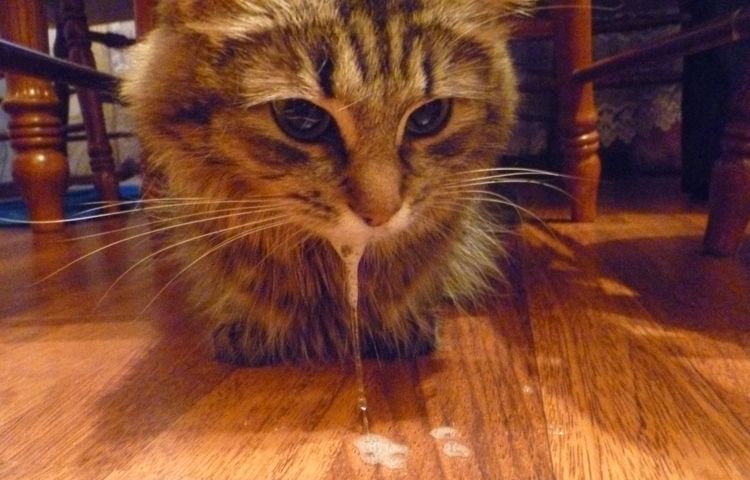
First aid
What should you do if your cat is vomiting white foam, but there are no obvious symptoms indicating a serious illness? If your pet's condition isn't alarming and you can't get to the nearest veterinary clinic, you can try to help them with a 24-hour fast. This will relieve the digestive system, allowing the damaged organ to heal. The next day, when the condition has stabilized and vomiting has stopped, you can introduce a small amount of rice cooked in chicken broth. Feed your cat frequently (up to six times a day), but in small portions. Each day, increase the amount of food while decreasing the number of feedings.
For common stomach upset, a mint tea is effective. Brew it and cool it to 37°C (98°F). Add one tablespoon to the cat's mouth immediately after vomiting.
If hairballs are suspected, give the cat a teaspoon of oil added to its food three times a week. It has a laxative effect, which helps stop vomiting.
When to see a doctor
If vomiting persists, a visit to the veterinarian should not be delayed. Furthermore, there are a number of accompanying signs that indicate the need for immediate medical attention:
- The cat has lost interest in food. Combined with foamy vomit, this is a very alarming symptom, raising suspicion of hepatic lipidosis.
- Intense thirst. When an animal refuses to move from a bowl of water, there's a high probability of kidney disease.
- The cat hasn't urinated for a long time, even though he drinks a lot.
- Vomiting occurs very frequently – up to several times in one hour.
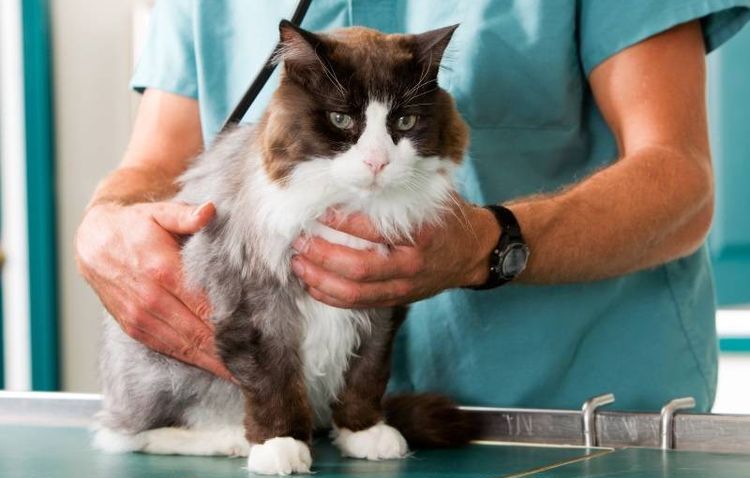
If you notice signs of illness in your cat, don't expect miracles or self-medicate. Vomiting that persists for more than 24 hours can lead to dehydration, which can be life-threatening. Prompt professional assistance can alleviate your cat's condition and prevent its death.
Possible diseases
Viral infections
Viral infections in cats, particularly panleukopenia, are often accompanied by vomiting and complete or partial refusal to eat. Self-medication in such cases is highly undesirable, as it can lead to wasted time and a more severe form of the disease.
Digestive system pathologies
Digestive system pathologies are among the most common causes of vomiting in cats. These include gastritis, duodenitis, pancreatitis, cholangitis, colitis, and other conditions. Only a veterinarian can determine the true cause of vomiting, make an accurate diagnosis, and select effective treatment.
Kidney disease
Kidney disease is more often diagnosed in older pets, but can also occur in young cats due to poisoning or a hereditary predisposition. In this case, vomiting occurs due to intoxication of the body by metabolic products that are not eliminated by the affected kidneys.
Sepsis
Sepsis, or blood poisoning, is a severe complication of infectious diseases and injuries, and can also develop when sterility is compromised during surgery or in the postoperative period. It is a life-threatening condition that, unfortunately, is not always treatable. Vomiting in sepsis is caused by severe intoxication.
Oncology
Cancer in cats has become increasingly common in recent years, and tumors can develop even in young animals. If a tumor is present in the stomach or intestines, it often causes vomiting of white foam.
Helminths
It's a common misconception that indoor cats, which don't go outside, don't get worms. In fact, infection can occur not only through eating raw meat but also through the owner, who can bring helminth eggs into the house on shoes. A large number of parasites in a cat's body often causes vomiting, and vomiting white foam associated with helminthiasis is especially common in kittens.
Diagnosis and treatment
The first step is for the vet to determine the cause of the cat's vomiting. To do this, the owner must be prepared to answer a series of questions that will help diagnose the underlying condition:
- The cat's diet. What has he been fed recently, and have there been any changes in his diet?
- When did vomiting begin and how often did it occur?
- The composition and quantity of vomit. The release of copious white foam may indicate problems with bile secretion.
- Does the cat have an appetite?
- Presence of chronic or infectious diseases.
An analysis of the animal's general condition is performed. If symptoms suggesting serious, dangerous pathologies are detected, blood and urine tests are performed. An abdominal ultrasound and kidney X-ray may be prescribed. Depending on the condition, a treatment plan is selected, including medications and measures to prevent dehydration. Vomiting white foam in cats due to impaired bile secretion requires dietary adjustments and the use of special medications to promote bile flow.
It's best to take your pet to the veterinarian immediately at the first sign of illness. Taking prompt action increases the chances of a speedy recovery, helping to restore your cat's former energy and good spirits.
Read also:


Add a comment