
My cat stopped eating dry food: why and what to do
Is your cat not eating dry food, even though they used to eat it with gusto? We'll explore the possible reasons why your pet might be refusing their usual food, what an owner can do if faced with this problem, what to feed a picky cat, and when a lack of appetite is a reason to visit a veterinarian.
Content
Cat's appetite
Cats, like people, have their own food preferences. They may prefer certain flavors, while others may be completely rejected. Preferences vary from person to person, so choosing the optimal food should be based not only on the ingredients but also on your pet's taste preferences.
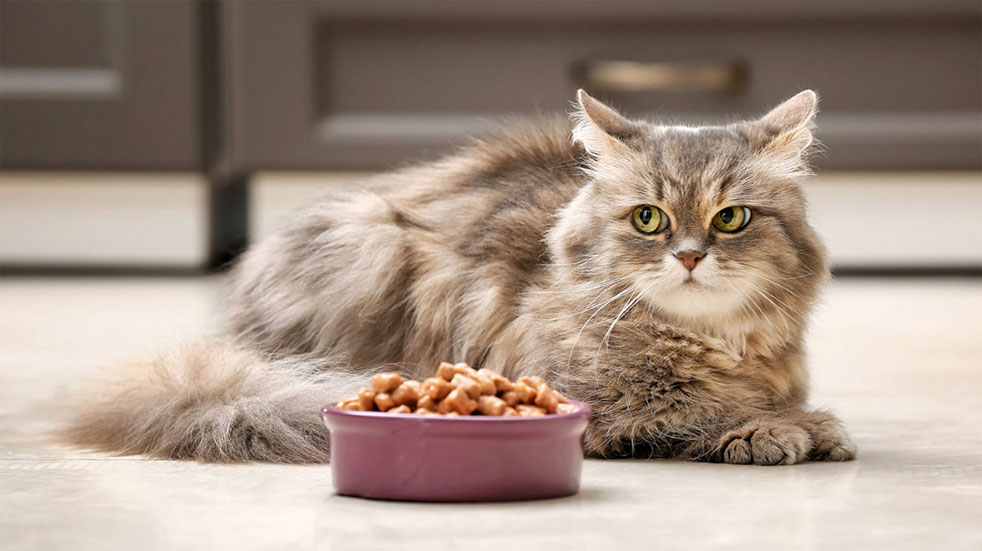
Cats also have varying appetites. Some are constantly hungry and will try any means necessary to get more of their daily ration (by following their owner or "hacking" an electronic feeder), while others will refuse food for days, waiting for their favorite flavor to appear in their bowl.
That's why you can tell a kitten or adult cat isn't eating well if you observe a significant change in their eating behavior. For example, a cat might previously have been eating dry food just fine, but suddenly approaches the bowl reluctantly or stops eating altogether.
Before looking for the cause and trying to solve the problem, it is worth finding out whether the refusal to eat is due to food selectivity or is a consequence of the pet's lack of appetite.
- If the animal has a general appetite, it will happily eat wet food or will not refuse its favorite treat.
- If your cat has stopped eating not only dry food, but also other previously favorite treats, the problem could be a symptom of a whole range of diseases.
The main reasons for refusing dry food
To understand why your cat suddenly stopped eating dry food, analyze its behavior for the following possible reasons.
Change in feed quality
The first reason why a pet may refuse to eat food that it previously liked is changes in the recipe, which can affect the aroma and taste of the food.
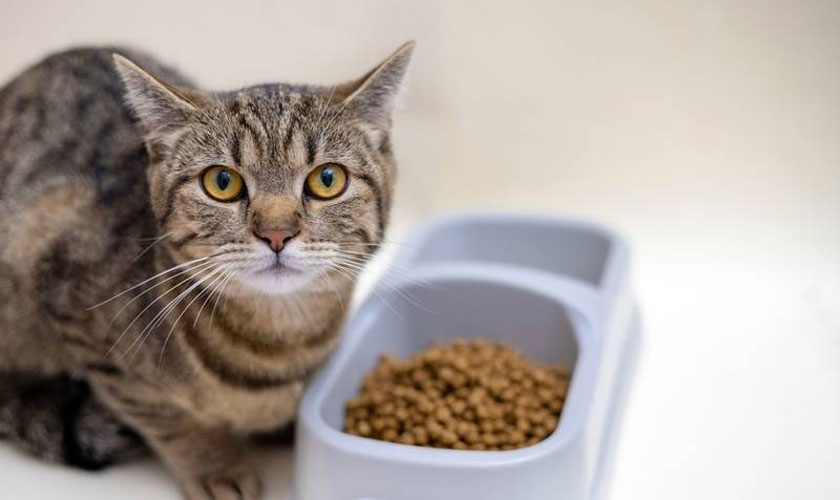
You think you've bought your cat's usual food, but he perceives it as new, not for the better, since the new taste and aroma don't arouse his appetite.
Important! When purchasing dry or wet food, be sure to check the expiration dates, as food past its expiration date can not only be unpalatable but also dangerous for animals.
It's also not recommended to buy loose food, as prolonged exposure to air can cause the pellets to lose their attractive aroma, and the fat in them can become rancid. Some retailers also moisten opened food to increase its bulk (which is advantageous for retail sales by weight), which can also degrade the taste and quality of the food.
New feeder
Another common and, one might say, relatively harmless reason why a cat won't eat dry food is a new feeder. Your pet might not only dislike the format (for example, you might have purchased an automatic feeder that's very different from their old bowl), but also the material (a plastic bowl might emit an unpleasant odor, while a metal or ceramic bowl might make noise when the cat eats dry food).
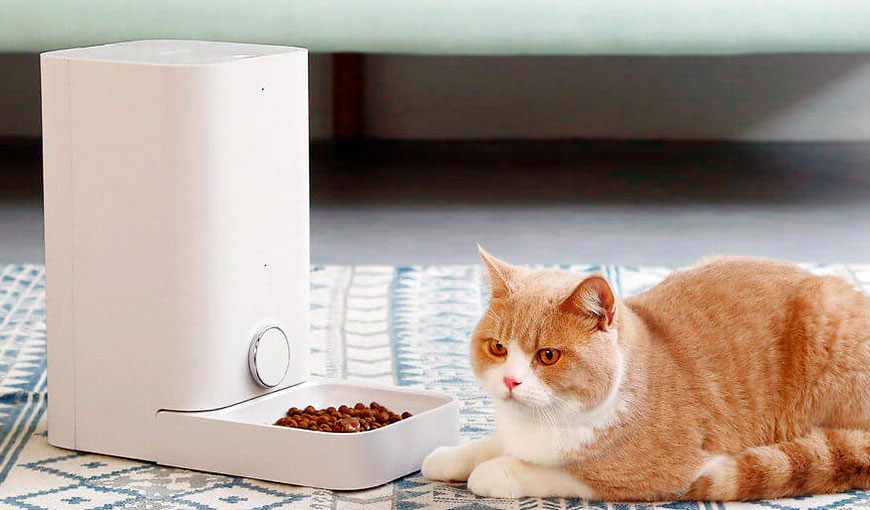
Sometimes it takes time to get your pet used to a new food bowl, but there are also animals that flatly refuse the "new thing" and are ready to protest until they get very hungry.
Temporary loss of appetite
There are a number of periods in a pet's life that are characterized by a decrease in appetite and even a short-term refusal to eat.
So, adult animals can refuse even their favorite food:
- on very hot summer days;
- due to stress (moving, renovation, long absence of the owner, a new pet in the house or guests);
- during the period of "sexual hunting".
A cat typically refuses to eat shortly before and immediately after the birth of her kittens. Veterinarians recommend starting to feed the cat 3-4 hours after birth and then feeding her again 6-8 hours later.
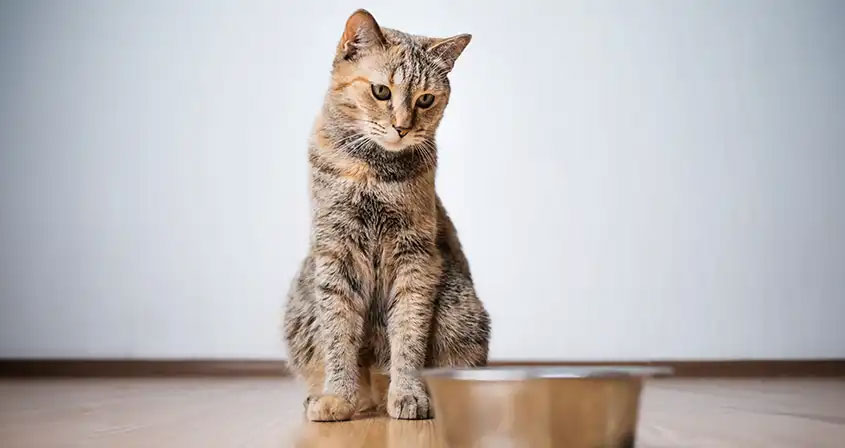
Important! If a kitten refuses to eat, don't bother looking for an explanation; it's best to take them to the vet immediately. Even a few days of starvation can have a very negative impact on their health and development.
A large number of "goodies" in the diet
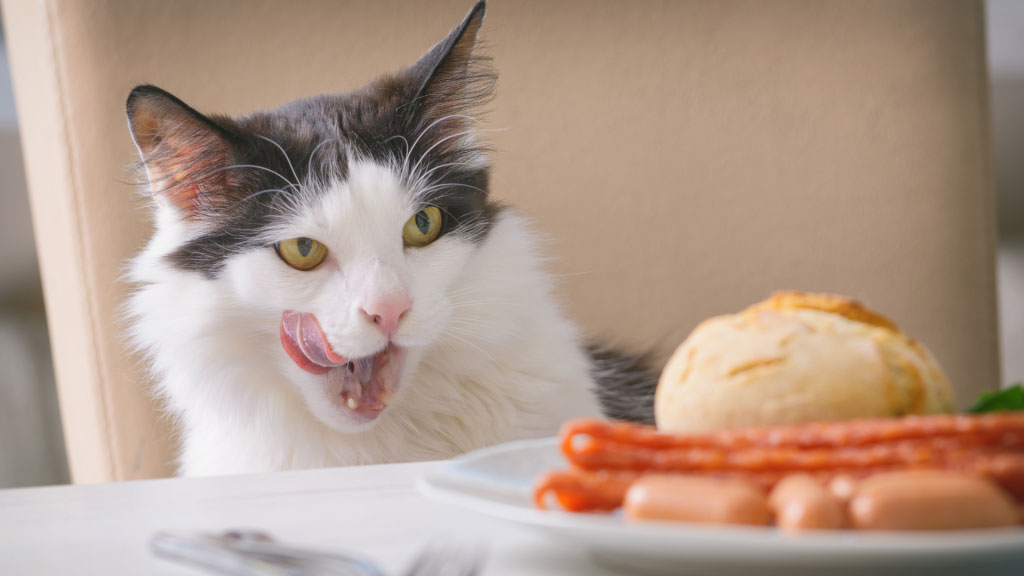
As a rule, cats will enjoy most of the snacks available from their owners' tables more than even the most premium dry food. If a pet knows it's guaranteed to beg for something tasty from its owners or guests, it may refuse to eat its usual food, expecting a more appetizing morsel from the table.
Oral problems
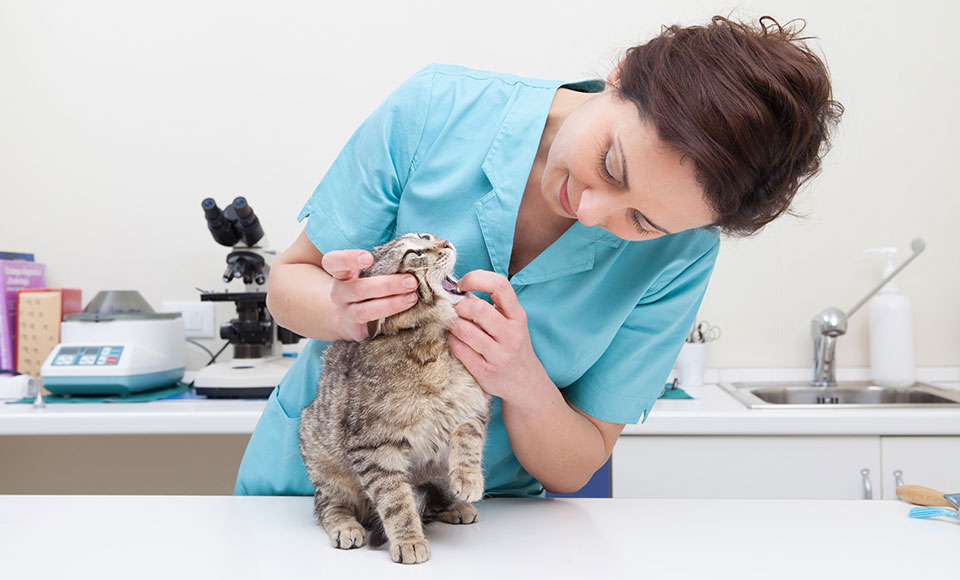
If an older cat shows interest in feeding, runs to the plate, but does not eat dry food, the reason may lie in sick toothAt the same time, cats generally eat liquid food without any problems and also drink plenty of water, as chewing on hard dry kibble can cause pain.
There are many different diseases that cause inflammation of the oral mucosa or gums, which can in turn cause pain and a refusal to eat hard foods.
The most common are:
- periodontitis;
- givigngivitis;
- allergic reactions;
- viral, bacterial and fungal infections of the oral cavity;
- autoimmune diseases that manifest as ulcers and rashes on the mucous membranes.
Refusal to eat due to illness
If a cat refuses to eat not only dry food, but also liquid food (from pouches) and even favorite treats, it could be a symptom of an underlying medical condition. Refusal to eat is characteristic of a wide range of illnesses that manifest as general malaise.
You should contact your veterinarian as soon as possible if your cat has stopped eating and other symptoms are present:
- elevated temperature;
- depressed state;
- discharge from the nose and eyes;
- digestive disorders (diarrhea, constipation, flatulence, vomiting, etc.);
- rapid breathing;
- change in the color of the mucous membranes.
Remember that very similar symptoms can be caused by a wide variety of illnesses (poisoning, pancreatitis, gastrointestinal diseases, cancer, etc.). Only a veterinarian can correctly diagnose and prescribe an effective treatment plan after conducting the necessary laboratory tests, so a cat with such symptoms should be taken to a clinic as soon as possible.
What should the owner do?
If laboratory tests reveal a medical condition causing the change in your pet's eating habits, treatment will be necessary. Your pet may be prescribed a therapeutic diet for a period of time, after which you can try introducing their regular dry food again (in some cases, the therapeutic diet is prescribed for life).
If examinations reveal that your cat is completely healthy, it's safe to assume the reason for refusing food is psychological. In this case, there are two possible solutions:
- Search new food, which will suit the taste of your favorite picky eater.
- Make the cat remember that the high-quality dry food he ate before is tasty.
- Switch your pet to natural food.
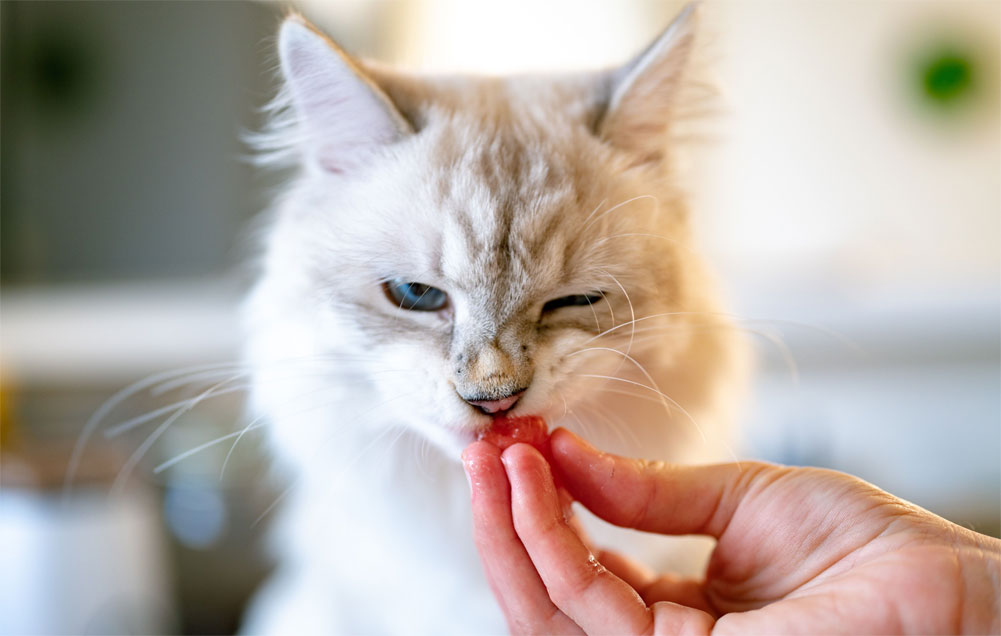
The first option is very clear: you offer your pet different options and choose the one that suits you in terms of ingredients and price, as well as the pet's taste and aroma.
If there are simply no alternatives to the old food that your cat has stopped eating, the following recommendations from breeders will help:
- remove any treats and table food from your diet;
- restrict access to places where the cat might find unauthorized snacks;
- offer dry food on a schedule, and if the pet refuses to eat, remove the bowl until the next feeding (while water should be available at all times);
- Sprinkle the food with a beneficial probiotic supplement (such as Fortiflora powder from Purina Pro Plan).
Veterinarian's advice
For more information on what to do if your cat stops eating its usual food, as well as how to transition your pet to dry food, watch these videos:
Read also:


Add a comment