
My cat is shedding a lot: what should I do?
If your cat is shedding heavily, you should pay close attention to their health—a serious medical condition could be developing. To determine the cause of the intense shedding, you should visit a veterinarian. A specialist will advise you on how to improve your pet's condition, how to normalize the shedding process, and what foods are best for a balanced diet.
Normal course of molting
Animals' fur is constantly changing, with old hairs falling out to make way for new ones. This natural process occurs year-round. In the fall and spring, shedding intensifies as cats prepare for changing weather conditions. In summer, the undercoat needs to be thinned to allow the air to cool the body on hot days. In winter, by contrast, cats grow a warm coat to protect them from the cold.
This natural instinct has been preserved in domesticated animals, but is more pronounced in pregnant and lactating females. Kittens undergo their first molt at 5-7 months of age, which is very active. After this, the cat's coat acquires the color and appearance characteristic of its breed.
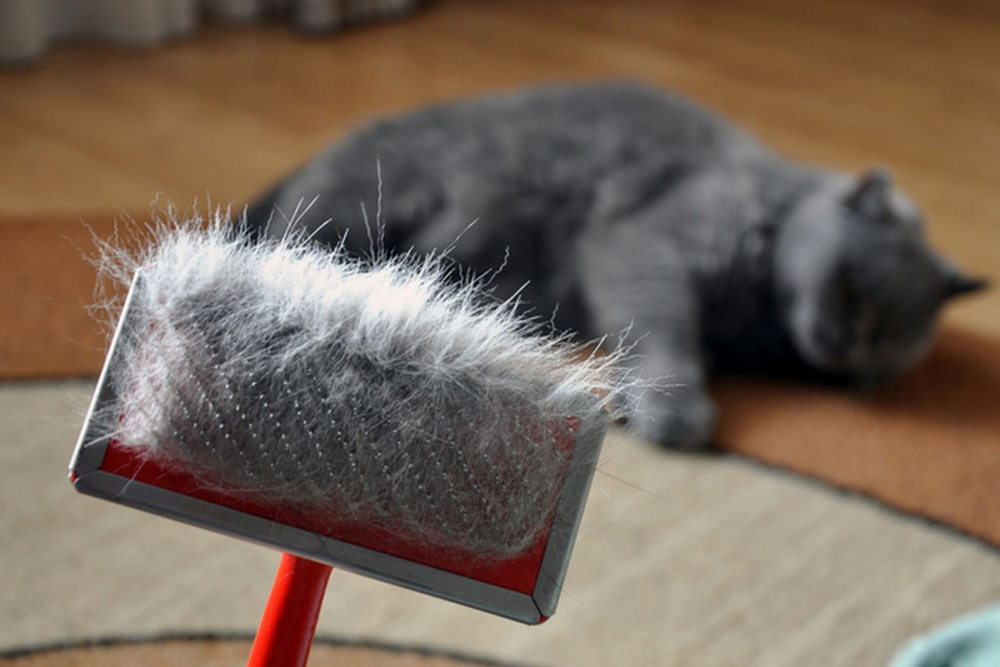
There's a common misconception that long-haired cats shed more than straight-eared British Shorthairs or fold-eared Scottish Folds. In fact, the rate of hair shedding depends not on the length, but on the density of the undercoat:
- The most severe shedding is observed in Scottish Fold, Maine Coon, British Shorthair, Himalayan, Persian, and Siberian breeds. This intensity is due to the extremely soft undercoat, which is constantly being renewed.
- Balinese, Burmese, Angora, Somali, and American Curl cats shed less. These breeds are quite fluffy, but the down is not as thick.
- Singapura, Burmese, Bengal, and Egyptian Mau cats shed little.
- The most unnoticeable coat change is seen in most Sphynxes, Cornish Rexes, LaPerms, and Peterbalds.
Only hairless breeds do not shed: Ukrainian Levkoys, Dwelfs, Canadian Sphynxes.
Causes of severe shedding
Sometimes hair loss becomes more severe, with traces visible on pillows and throws. Balls of fur may roll across the floor or settle on carpets. Bald patches, weight loss, and other symptoms often indicate a serious health issue. The reasons why a cat sheds excessively and the signs that accompany this condition are listed in the table.
|
Cause |
Symptoms accompanying intense hair shedding |
|
Chronic or acute stress |
Anxiety, ignoring the litter box, low body temperature, rapid pulse, trembling of the head and limbs, apathy, prolonged sleep |
|
Reduced immunity |
Dull coat, brittle hair, lethargy, refusal to play actively, loss of appetite, weight loss, watery eyes, mucus discharge from the nose, exacerbation of chronic diseases |
|
Dietary violation |
Obesity, refusal to eat, vomiting, diarrhea, constipation, bad breath, weakness, abdominal pain |
|
Gastrointestinal problems |
Weight loss, weakness, lethargic behavior, vomiting, traces of blood in vomit, white coating on the tongue, abdominal pain, uncontrolled bowel and bladder emptying or difficulty urinating, prolonged constipation |
|
Hormonal imbalance |
Intense thirst, obesity or weight loss, apathy, decreased vision, constant drowsiness |
|
Helminths |
Itchy skin, scratches on the skin, diarrhea |
|
Fungal infection |
Baldness in certain areas, itching, skin rashes, weeping sores, scaly patches, |
|
Allergic dermatitis |
Itching, skin rash, scratching, watery eyes, difficulty breathing, coughing |
What to do
If your cat has lost weight or is actively losing hair, along with clinical signs consistent with a chronic or acute illness or psychoemotional disorder, you should immediately contact your veterinarian. Depending on the identified problem, your veterinarian will prescribe treatment aimed at eliminating the underlying cause and reducing symptoms:
- Stress. The owner is advised to spend more time with the pet, holding and petting it more often. Medications that calm the nervous system may be used.
- Incorrect diet. A veterinarian will recommend a balanced diet that replenishes the cat's micronutrient and vitamin deficiencies. If your cat has a chronic illness, it's best to use specialized formulas, available at pet stores today, for allergies, kidney stones, gastrointestinal problems, and diabetes prevention. It's also helpful to give your pet mineral and vitamin supplements to improve their coat.
- Gastrointestinal diseases. These conditions are treated in conjunction with a dietary regimen. The treatment program may include a course of antibiotics, sorbents, and supportive medications.
- Endocrine problems. Hormonal imbalances are common in animals that haven't been neutered. To reduce sexual desire, owners use medications that negatively impact overall health and hormonal balance. Replacement therapy is often prescribed to restore health. When an animal gains weight, diabetes cannot be ruled out, requiring adjustment of blood sugar levels with medication and diet, and insulin injections.
- Helminthiasis. Parasites can easily enter a cat's gastrointestinal tract through their favorite fish or through soil brought in from outside on shoes. Treatment involves the use of tablets, drops, sprays, and suspensions that kill the parasites in the body and facilitate their elimination. For prevention, it's recommended that cats and their owners take systemic medications every six months.
- Fungal infections. Treatment is carried out with topical agents – ointments, creams, shampoos. In combination with other medications, they also boost the immune system.
- Dermatitis. To alleviate the condition and eliminate the problem, it is necessary to determine the substance to which the body reacts negatively. Depending on the allergen, antihistamines, antibiotics, and immunomodulators are prescribed.
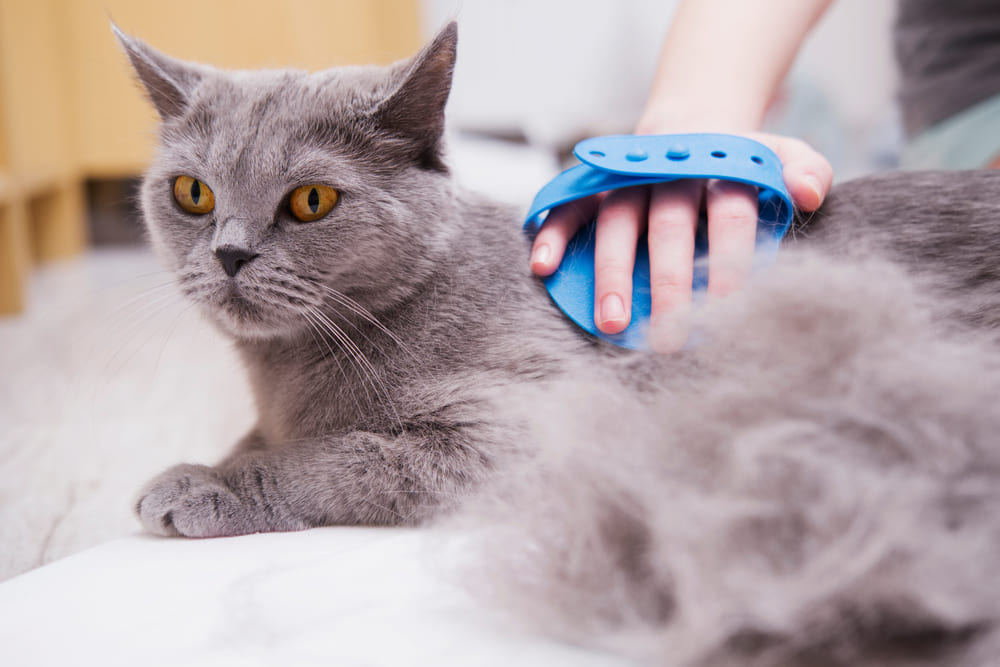
When intense shedding is a physiological characteristic of the breed and is not associated with health problems, regular grooming can help improve the condition of the coat.
How to care for wool
You can reduce the amount of fluff loss by following these simple rules:
- Brush the coat of downy breeds. For short-haired breeds, 1-2 times a week is sufficient, while for long-haired breeds, every other day is sufficient.
- Trim mats promptly. This problem is especially acute in aging animals who have stopped grooming themselves.
- Bathe using special products. It's best to wash a down cat with shampoo and a moisturizing conditioner, using an anti-tangle spray. Long-haired cats should be bathed 1-2 times a month, while short-haired cats should be bathed at least every six months.
- Feed a balanced diet.
Excessive shedding may be a physiological characteristic of the breed or indicate a health problem. If the animal remains active, maintains its appetite and weight, plays happily, and shows no anxiety, following general care guidelines is sufficient to ensure that cohabitation does not cause discomfort for both the pet and its owner.
Read also:
- Why do cats' whiskers fall out and break? What to do
- Avitaminosis in cats: signs and treatment
- What is considered a normal body temperature for a cat?


Add a comment