
My cat is hiccupping: why and what to do
The involuntary contraction of the diaphragm, which we call hiccups, is common in all mammals. It's also observed in pets. If your cat is hiccupping, you need to observe them to understand why. Identifying the cause will tell you what to do and how to help.
In most cases, hiccups are not dangerous, but sometimes they require veterinary attention and treatment. Prescribing any medications without consulting a specialist is not recommended, as it may harm your pet's health.
Content
Why and how do cats hiccup?
Hiccups in mammals, including cats, are caused by compression or mechanical irritation of the vagus nerve, spontaneous contractions of the diaphragm and intercostal muscles. This causes a forced, sharp inhalation and simultaneous closure of the glottis, resulting in a characteristic sound. The abdomen spasms or contracts frequently, which is easily visible and felt by the hands.
Note! The vocal apparatus of mammals varies, so the sounds produced by hiccups vary. Humans produce a "hic" sound (hence the name "hiccup"), horses produce a "thump," and cats generally don't make any sounds. If they do, they sound like squeaks or whimpers.
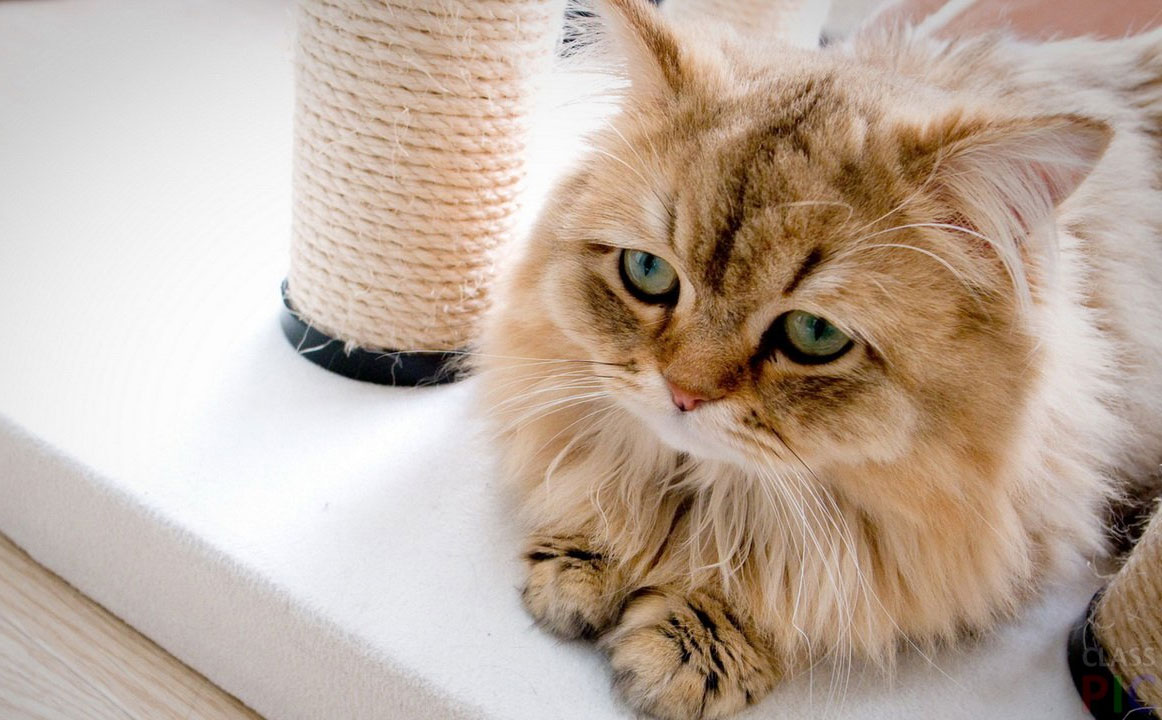
Both adults and kittens can hiccup. A kitten, for example, experiences hiccups in the womb shortly before birth, when it's cold, or when it's hungry.
Physiological reasons, how to help
Most often, hiccups in cats are physiological and short-lived. To prevent recurrence, it's important to analyze the situation and eliminate the triggering factors.
Rapid absorption and poor chewing of food
If a cat eats quickly, swallows large chunks, and chews poorly, the necessary amount of saliva is not produced, and more air is swallowed along with the food than when eating quietly. As a result, the stomach quickly fills, stretches, and becomes irritated, leading to diaphragmatic spasms and hiccups during or after eating.
Some individuals are simply greedy, rushing to eat their food quickly, and need to be trained to eat more slowly. The approach is individualized for each individual case.
The situation can be corrected by:
- availability of food in the feeder during the day;
- feeding in small portions;
- nutrition according to the regime;
- the presence of a beloved owner nearby,
- excluding fasting, etc.
Some pets become nervous and rushed because of noise, other animals, or other irritants in the room. A change in environment will calm them down and allow them to eat more slowly.
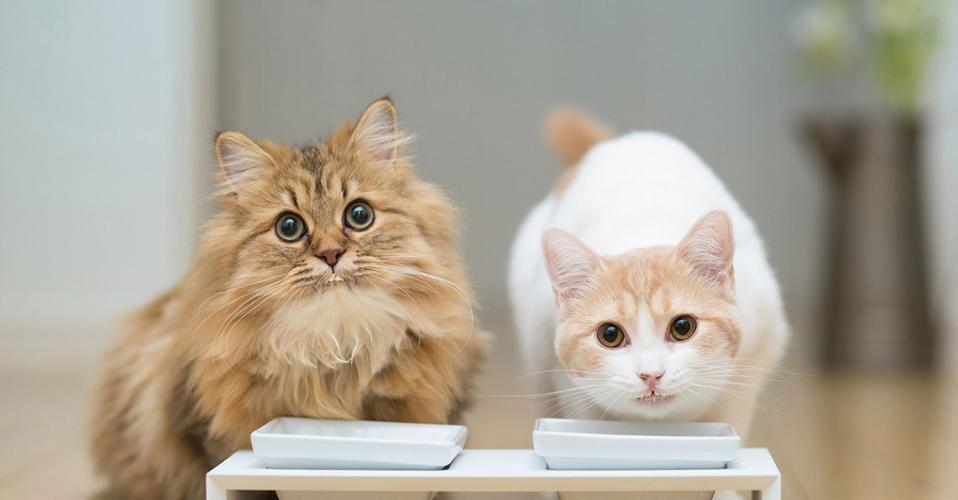
The size and texture of the food also influences chewing, so it's important to consider your pet's preferences. Some pets prefer small dry or wet food pieces, while others prefer larger pieces. Preferences change with age, and this should be taken into account when choosing food.
Note! The shape of the food bowl and its placement also influence the development of a "food culture." Sometimes it's too deep or too high, forcing the cat to adopt an unnatural position, which affects the position of the stomach.
If your pet's eating habits suddenly change, it's cause for concern and you should consult a veterinarian. Oral inflammation or dental disease may be the cause.
Hairballs
By licking their fur, cats remove odors after being petted, eating, using the litter box, or going for a walk. Furthermore, licking improves thermoregulation, as the moistened fur promotes evaporation, lowering their temperature.
Long-haired breeds swallow more hair than smooth-haired breeds, so it is not necessary to resort to hairball removal They have to do this more often. When trying to get rid of the lump, cats often cough, which irritates the lining of their throat, causing them to hiccup. During shedding, they need help by brushing their fur more often to remove excess fur.
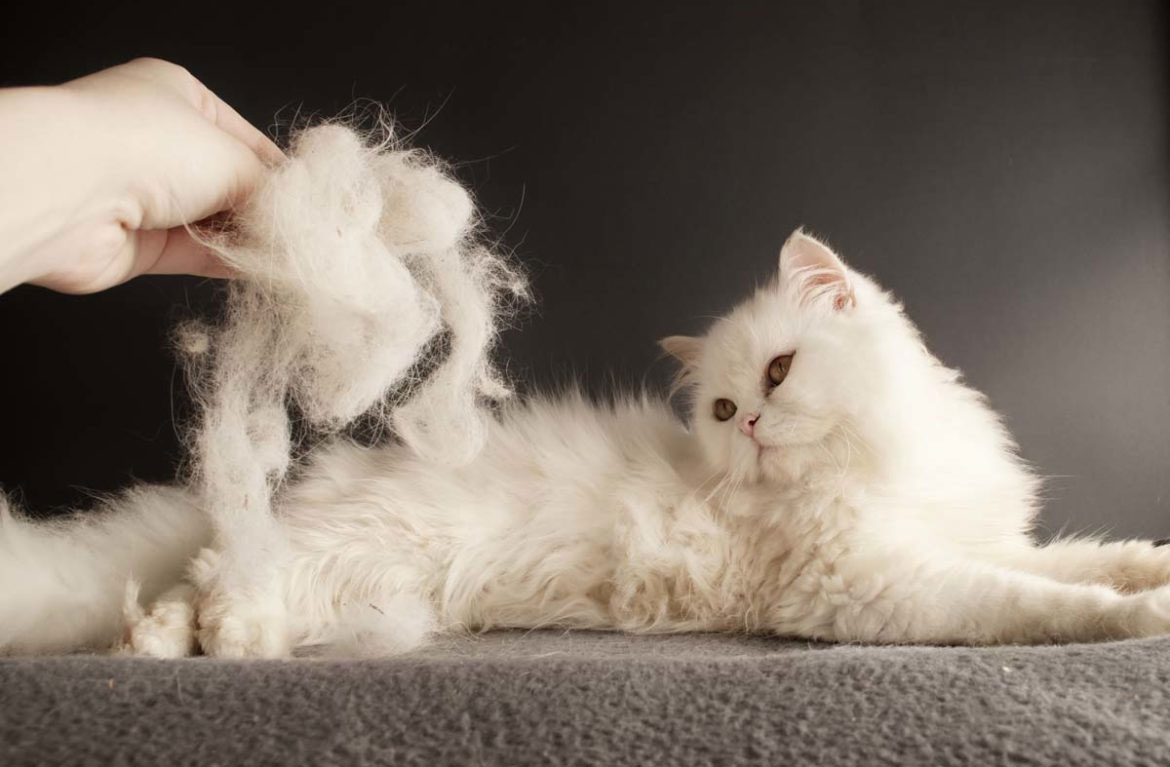
If your pet can't expel the lump on their own, they'll need a veterinarian's help. They'll determine how to help and teach you how to perform the procedure, as owners don't always know how to do it correctly.
Other factors
Among other factors that can cause a reflex contraction of the diaphragm, several of the most common ones can be identified: pregnancy (the abdomen compresses the internal organs), cold or too hot food/water, lack of water.
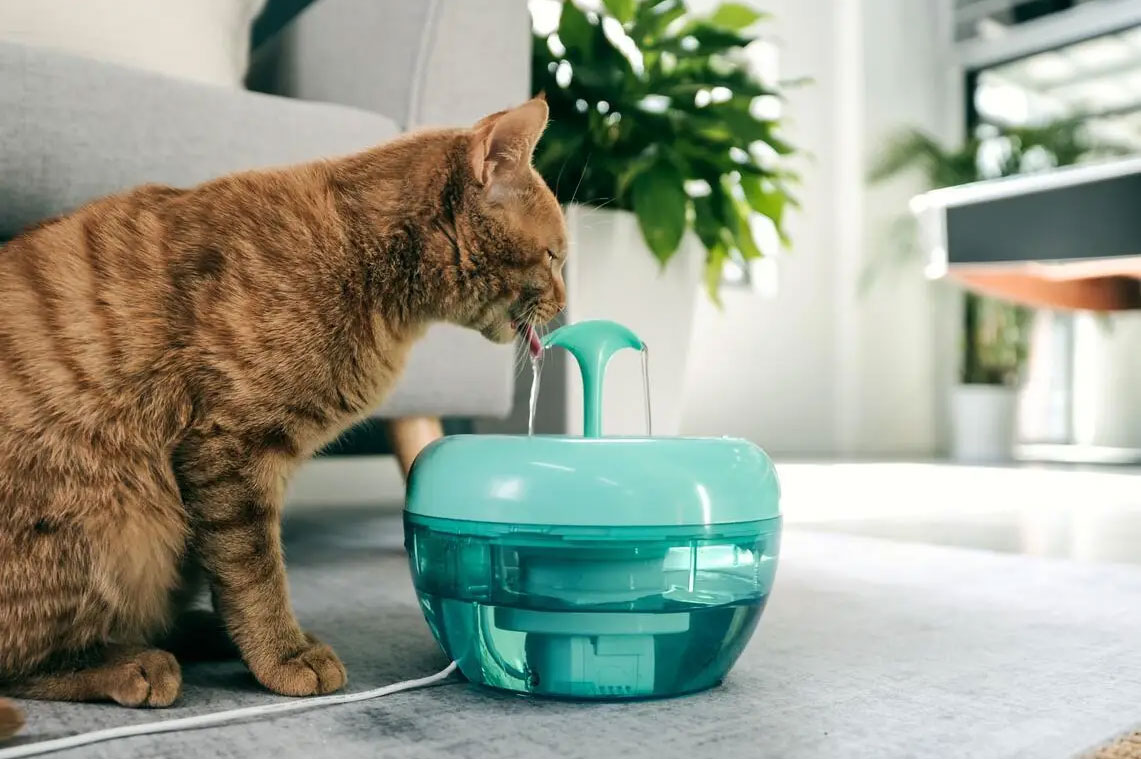
When feeding dry food, a separate bowl of clean water should always be readily available. If your pet prefers running water, allow them near a faucet or provide a drinking fountain. Hot food should be cooled to room temperature.
Sometimes hiccups are caused by simple purring. At this time, the cat produces more saliva, and swallows it along with air. However, it's important to remember that purring doesn't always indicate calm. Some cats purr when they're nervous, anxious, or stressed.
Additional hiccup triggers:
-
Cold water or suddenly chilled food - temperature stress can cause irritation in the esophagus or stomach, leading to spasms of the diaphragm.
-
stress or excitement, especially immediately after eating - games, running, loud sounds can contribute to hiccups.
-
Incorrect eating posture - when food is positioned too low, the cat may swallow air.
-
Dental or oral disease - Mouth pain can change the way your cat chews, causing it to swallow unchewed food and air.
-
allergies or irritation of the esophagus - spicy or highly seasoned foods, chemicals can irritate the mucous membrane and provoke hiccups
Psychogenic causes
Spasms and reflex contractions of the diaphragm are often associated with emotional states. Hiccups in cats can be caused by:
- strong fright;
- change of familiar environment, conditions;
- long absence of the owner;
- change in attitude towards the pet;
- loneliness, being in a small, confined space;
- new pet in the family.
Psychosomatic attacks are usually short-lived. Gradually, the frequency of contractions decreases, and the spasms cease.
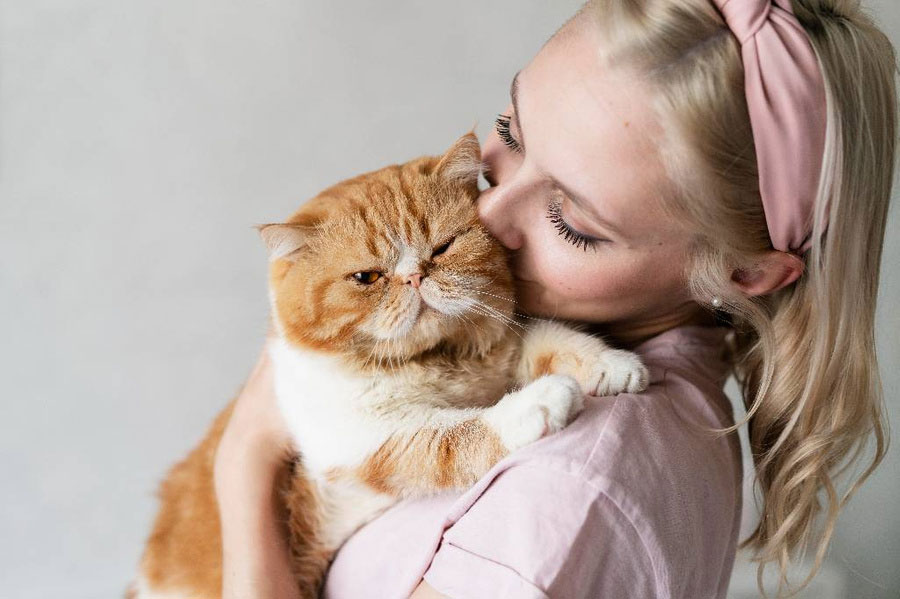
In such cases, you need to help your pet:
- pay attention;
- caress;
- calm down;
- talk;
- distract;
- give a favorite toy.
The emotional state will improve, breathing rhythms will be restored.
How to tell if hiccups are normal or a symptom
Below is a table with signs to look out for:
| Sign | Meaning |
|---|---|
| Hiccups go away on their own within an hour or two. | most likely a common physical trigger (food, air, excitement) |
| Hiccups appear rarely, without other symptoms | the situation is normal, there is no reason to worry |
| Hiccups last more than a day or recur frequently | may indicate a disease or chronic problem |
| The appearance of accompanying symptoms: vomiting, cough, shortness of breath, loss of appetite, weight loss | a serious reason to see a veterinarian |
Home remedies for hiccups
If your cat hiccups and there are no accompanying alarming signs, you can try the following measures:
-
give water to drink, especially warm water, in small sips;
-
distribute food into several small meals a day instead of one large one;
-
use maze bowls or special slow feeders to make the cat eat more slowly;
-
raise the feeder to a small height so that it is more comfortable for the cat, and the head is not tilted down too much;
-
Regular brushing, especially in long-haired breeds, to reduce hair ingestion during grooming;
-
Create a calm atmosphere after meals - do not allow intense games immediately after meals.
When hiccups can be a sign of a serious problem
Information an owner should consider when deciding when to contact a veterinarian:
-
hiccups that last more than 24 hours without a break or that occur several times a day for several days;
-
deterioration of general condition: refusal to eat, lethargy, weight loss;
-
respiratory symptoms: cough, shortness of breath, wheezing;
-
vomiting, especially if the vomit is bloody or contains undigested food;
-
changes in stool or urine, frequent vomiting;
-
suspicion that there is a foreign body in the esophagus or stomach.
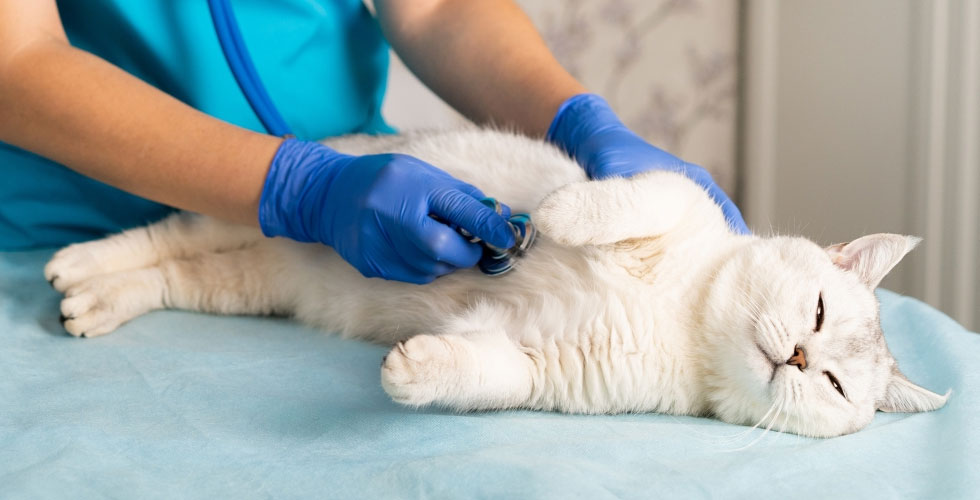
When to be wary
If your cat hiccups for a long time, or the spasms are prolonged, there's likely some underlying medical condition. This could be an infectious or chronic illness. gastrointestinal disease, problems with blood vessels, helminthic invasion, allergy and others.
Allergic hiccups are accompanied by tearing, difficulty breathing, sneezing, and coughing.
Warning signs:
- unsteady gait, impaired coordination;
- walking in circles;
- sluggish apathetic state;
- unusual behavior, irritability;
- refusal of a favorite treat;
- nausea and vomiting with hiccups;
- hoarse, heavy breathing.
If you notice these symptoms, don't self-medicate; instead, consult a specialist as soon as possible. Only a veterinarian can determine the cause of persistent hiccups and prescribe the appropriate treatment.
Veterinarian's advice
Read also:
- Depression in cats: does it happen and how to treat it
- Cats Hiding in Dark Places: Reasons and What to Do
- Can a spayed cat go into heat?


Add a comment