
My cat is limping on a front or back leg: what should I do?
A change in gait due to impaired limb function—lameness—is not a disease in itself, but a symptom, most often a sign that the animal is experiencing pain. Cats are very active animals, and the sight of a domestic cat limping on a front or back leg often doesn't cause concern for the owner. However, the causes of lameness are not always harmless, so owners should be aware of the causes and measures needed to address it.
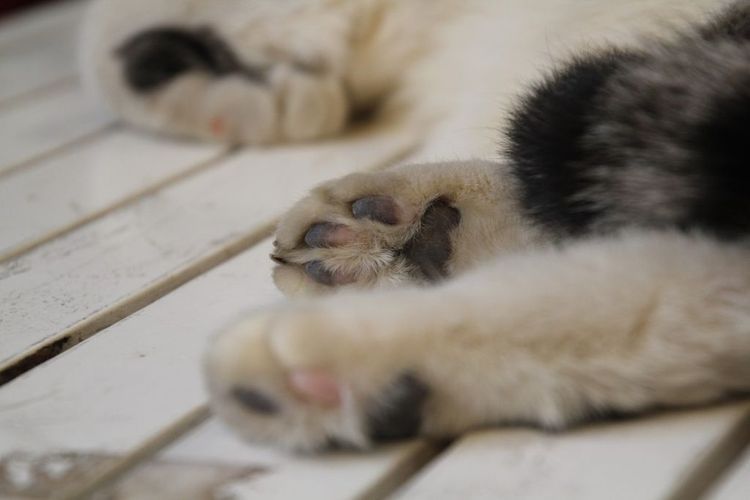
Causes of lameness in cats
Lameness can be temporary or permanent. A cat may limp only in the morning or after a walk when tired. Sometimes this condition resolves on its own, but in other cases, serious treatment, including surgery, may be necessary.
Causes of lameness may include:
- Injuries. This is the most common cause of lameness in cats. A bruise from a fall or a splinter in the paw pad can cause pain, and the cat will try to avoid using the injured paw. This cause of lameness is usually immediately obvious: the paw hurts and swells, and the cat licks it frequently and holds it up.
- Long claws. A claw that has grown into the soft tissue of the paw will certainly cause severe pain.
- Infectious diseases. Mild limping or severe lameness can be a symptom of diseases such as chlamydia, calicivirus, and mycoplasmosis. These diseases cause joint inflammation, causing pain in cats.
- Micronutrient deficiency. With a lack of calcium and vitamins A, C, B in the diet6 The bones become more fragile and the ligaments become weaker, which causes discomfort to the cat when walking.
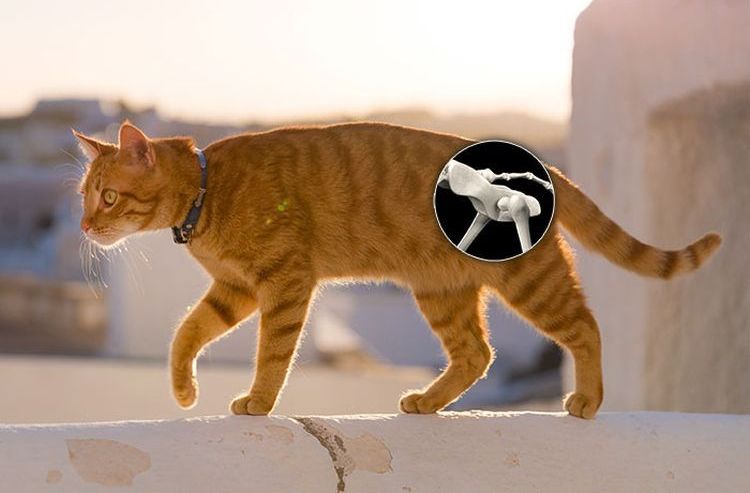
- HD (hip dysplasia) - a hereditary bone anomaly, most often diagnosed in large breed cats - Persians, British Shorthairs, Maine Coons.
- Osteochondrosis. A common condition in older cats, osteochondrosis causes pain due to pinched nerve roots in the spine. In such cases, the cat may occasionally limp on one or both legs (usually the hind legs).
- Arthritis, arthrosis, osteomyelitis. These are diseases that cause inflammation and degeneration in the joints. Lameness is one of their symptoms. Artites Old cats are more likely to suffer from arthrosis, while osteomyelitis affects individuals under 2 years of age. Persian cats are at risk for this disease.
- Subcutaneous or intramuscular injectionCats often limp for a while after receiving an intramuscular injection—a medication or vaccine. The pain can persist for several days.
- Cancerous tumor of the bone. This disease is accompanied by pain in the later stages, when only surgical treatment or symptomatic therapy is possible.
What should the owner do?
A cat owner who notices their pet limping and tucks a paw should try to determine the cause of the gait disturbance by examining the paws and palpating their soft tissues. In some cases, they can provide assistance themselves.
- If your cat is limping after an injection in the thigh, or if it appears to have a bruise or strained tendon, but there is no soft tissue damage, you should provide the animal with a gentle regimen for several days. It is recommended not to let it outside or provoke it into vigorous play.
Caution! If your cat's lameness is severe and clearly accompanied by pain, or if it persists for more than a week, this is cause for concern and a veterinarian should be consulted, regardless of whether the underlying cause of the gait disturbance has been identified.
- If a splinter or other foreign body gets into your paw, try to remove it with tweezers and then treat the area with an antiseptic.
- If it is discovered that lameness is caused by an overgrown nail, it must be carefully shortened and the cut area filed down.
- If a paw is injured by a sharp object, the wound surface is cleaned of any contaminants, if necessary, and then treated with a disinfectant solution. Shallow soft tissue injuries usually heal within 2-3 days, and lameness disappears.
- If you suspect your cat has broken a paw (in this case, the animal doesn't put any weight on the limb, holds the injured paw up, or drags it while walking), it is recommended to immobilize the animal or apply a bandage to the paw, then immediately take the pet to a veterinary clinic. There, the cat will receive an X-ray and a cast.
Caution! If your cat's lameness is severe, clearly accompanied by pain, severely swollen, or persists for more than a week, this is cause for concern and should be taken to the vet, regardless of whether the underlying cause has been identified.
Diagnostics
Successful lameness treatment directly depends on an accurate diagnosis and timely treatment. During an orthopedic examination, the veterinarian observes how the cat walks, stands, and sits, as well as the mobility of the limb joints. This will determine whether there are any painful areas, swelling, joint abnormalities, or areas of increased temperature on the paws.
In complex cases, additional examinations may be prescribed to clarify the diagnosis:
- Blood and urine tests. These are necessary if infectious or autoimmune diseases are suspected, as well as if the cat is undergoing surgery under anesthesia;
- Biopsy;
- Analysis of synovial fluid filling the joint cavity;
- X-ray of the joints or spinal canal (myelography);
- Ultrasound examination joints and/or spine;
- Magnetic resonance imaging.
Treatment
Treatment measures carried out in a clinical setting depend on the established cause of lameness.
- Dislocation. The animal is given local anesthesia and the dislocated joint is reset, then a fixing bandage is applied.
- Fracture. The cat is given local or general anesthesia if the fracture is open, bone fragments are removed from the wound, and damaged tissue is excised. A plaster cast is then applied to the paw.
- Hip dysplasia. The basis of drug therapy is a course of chondroprotectors (Arthroglycan, Cosequin, ArthroVet, Joint Max, Stride Plus(Chondartron). If necessary, the cat may be given intra-articular injections of absorbable medications and/or hyaluronic acid. In severe cases, surgical removal of the dysfunctional femoral head is performed.
- Arthritis, arthrosis, osteomyelitis, oosteochondrosis. Diseases associated with degenerative changes in bone tissue require a comprehensive treatment plan. Anti-inflammatory and pain-relieving medications, chondroprotectors, vitamins, and mineral supplements are used. Massage and ultraviolet irradiation also provide good results.
- Infectious diseases. For lameness caused by chlamydia, calicivirusMycoplasma therapy is aimed at eliminating pathogenic microflora, relieving pain, and strengthening the immune system. Tetracycline antibiotics, analgesics, immunomodulators, and immunostimulants are used.
In some cases, the cause of lameness cannot be determined. In these cases, the veterinarian will likely prescribe anti-inflammatory medication, select a diet rich in vitamins, minerals, and substances that promote bone and cartilage strengthening, and recommend temporarily limiting the cat's physical activity: keeping it indoors and not allowing it to jump from great heights. It's quite possible that these measures will produce the desired result, and the lameness will resolve.
Read also:
- My cat's hind legs are not working properly: causes and treatment
- How to massage the hind legs of cats
- My cat's hind legs are failing: causes and what to do


Add a comment