
My cat snores in its sleep: is it normal and what should I do?
When noticing that a kitten or adult cat snores, many owners worry whether this is normal or a symptom of a serious illness. In this article, we'll explore the possible causes of snoring in animals and explain what to do to ensure your pet is healthy or to detect health problems early.
Content
Ronchopathy in cats and its types
Snoring can occur in both adult cats and kittens. If you notice your pet making unusual breathing sounds during sleep, it's worth taking a closer look at how the cat sleeps and breathes when relaxed.
Cats typically sleep 12-16 hours a day, and kittens up to 20 hours, so analyzing your cat's snoring patterns is easy. It's a good idea to listen to your pet's breathing while sleeping on different surfaces (on a soft pillow, on a bed, on a windowsill, or on a table). You should also determine whether the problem arises when the animal sleeps in different positions, or whether the cat snores loudly in a certain position.
Tip! If possible, record a short video of your cat snoring while sleeping. This will help your veterinarian assess whether your pet is breathing normally or whether there are any other signs that indicate underlying health issues.
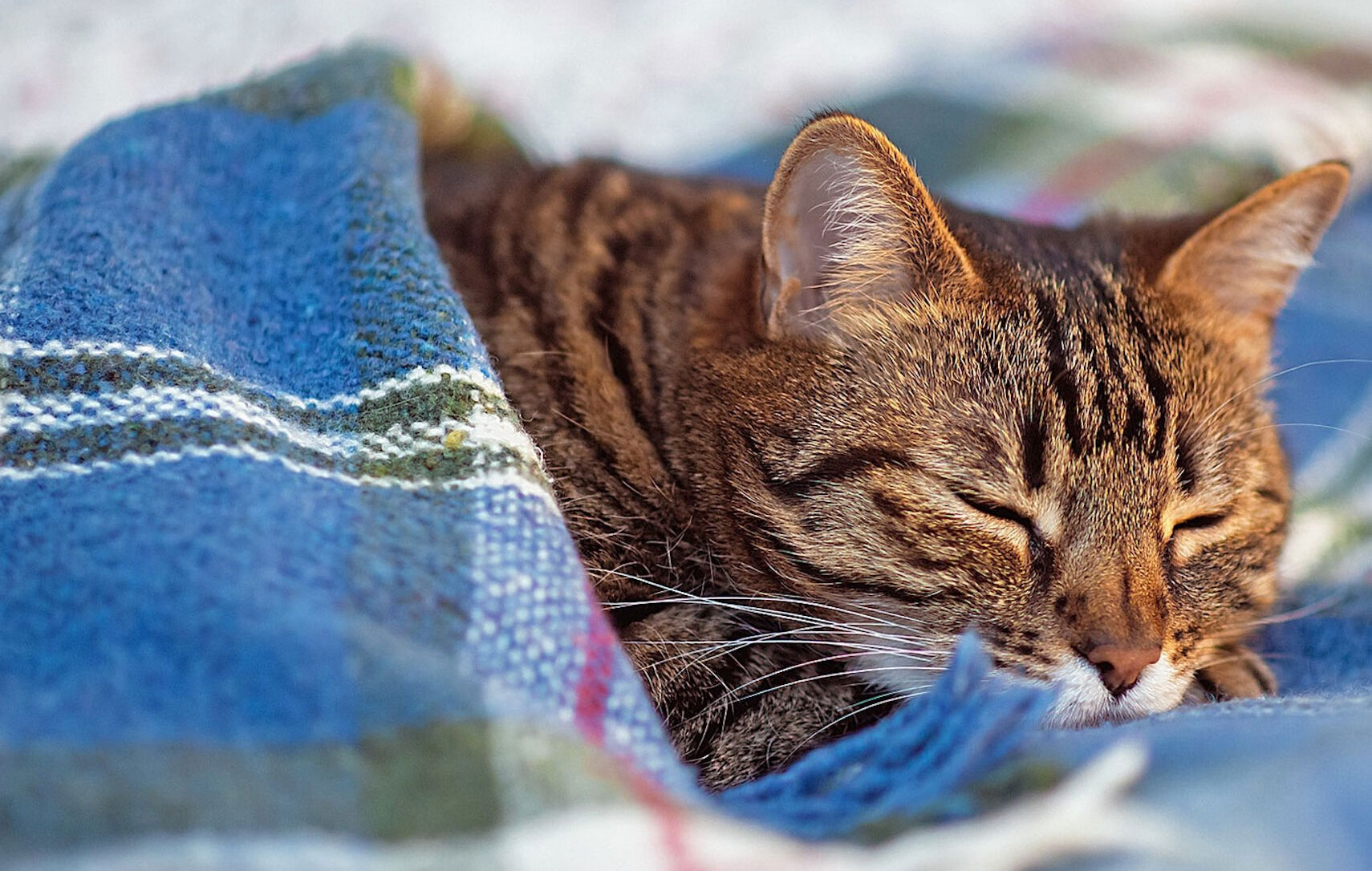
Analyzing the pattern of snoring can help you understand why your cat snores or snores while sleeping. Veterinarians distinguish between "harmless snoring" and several types of pathological snoring in animals:
Dangerous symptoms
When trying to figure out why your cat snores at home, it's important not to waste time if your pet truly needs medical attention. Therefore, if your cat suddenly starts snoring loudly, which wasn't previously observed, and exhibits any of the additional symptoms described below, it's essential to take your pet to the veterinarian as soon as possible.
Dangerous symptoms in animals with impaired nocturnal breathing include:
- lethargy, general depression;
- poor appetite or refusal to eat;
- dry hot nose (increased body temperature);
- change in voice tone;
- cough;
- shortness of breath with minor physical exertion;
- cessation of breathing during sleep;
- swelling (especially in the eye or nose area);
- heavy breathing (attempts to breathe through the mouth).
Causes of harmless snoring
Quite a few healthy cats snore during sleep. This is partly why you often see moms posting about snoring pets online.
But it's important to remember that it's only possible to say that a cat snores in its sleep and that this is normal for it after a full examination of the animal and the exclusion of possible pathologies.
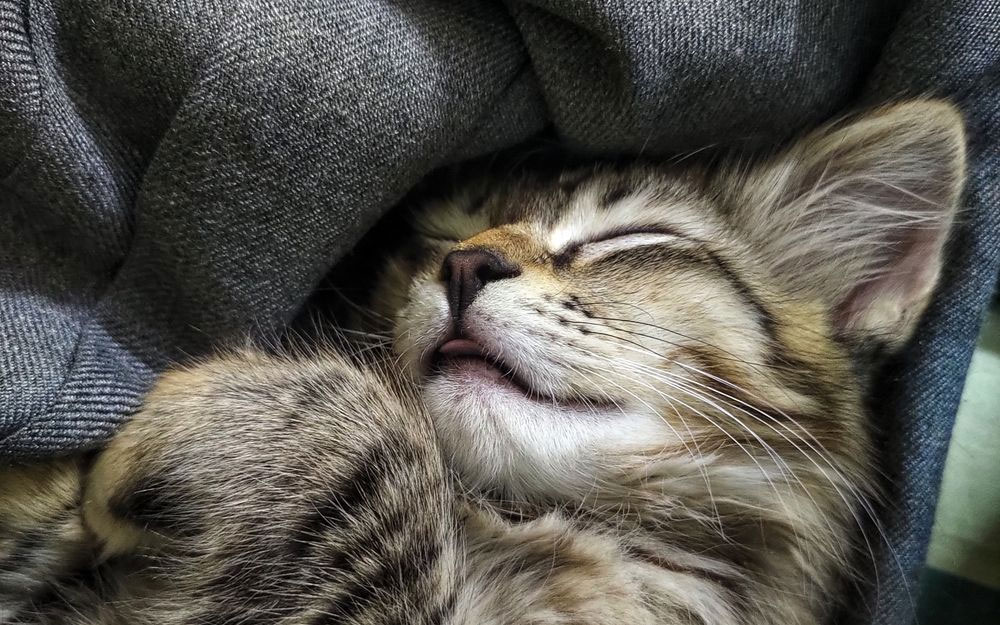
Among the “harmless” causes of snoring in animals, the following are distinguished:
Medical reasons
Important! To understand why your cat snores and what exactly is causing this respiratory dysfunction, your veterinarian may recommend a series of tests (general and specialized).
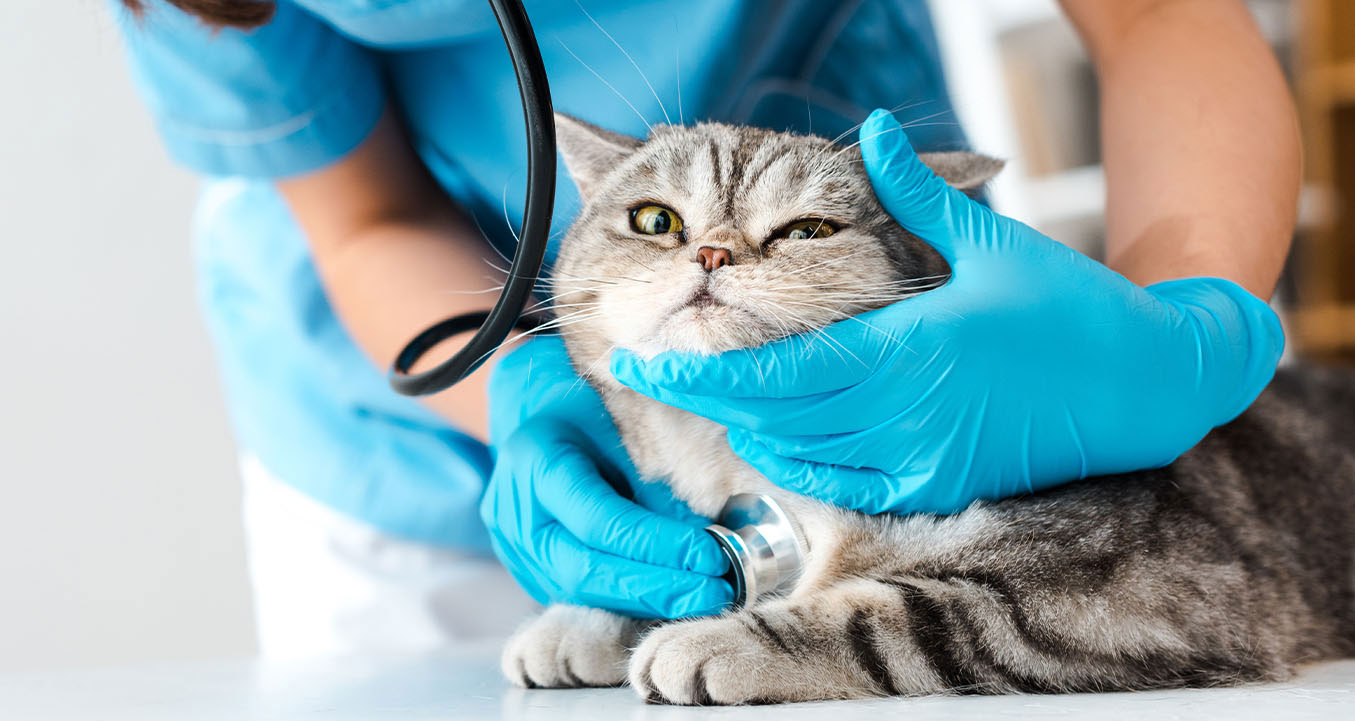
Among the most common medical problems of snoring during sleep in cats are:
- injuries;
- congenital pathologies (including brachycephalic syndrome);
- entry of a foreign body into the respiratory tract;
- infectious diseases (viral, bacterial, fungal);
- allergic reactions causing rhinitis and swelling of the airways;
- parasitic infestations;
- heart disease;
- tumors and growths (benign or malignant)
- neurological disorders affecting the vocal cords.
Conclusion
Since snoring can be caused by a variety of reasons, a veterinarian should determine why a cat snores in its sleep and whether it is normal!
Actions of the owner who discovered the problem:
- If there are any threatening symptoms, take your pet to the clinic as soon as possible. When transporting your pet, it's best to transport it on a level surface, such as a carrier or a stable base, rather than on its legs.
- If there are no threatening symptoms, make an appointment with a veterinarian and observe the animal, collecting anamnesis for a more accurate diagnosis (record a video).
- Provide cool, humidified air in the room (without drafts).
- You should not give your cat any medications until a diagnosis has been made.
Read also:
- A cat's white nose: what it means and what to do
- Pneumonia in cats: symptoms and treatment
- Pulmonary edema in cats


Add a comment