
Rat-catching cats: the best breeds
Cats are carnivores, and hunting rodents has been their primary source of food since the family's emergence on Earth. Their ideal predatory habits have been refined over centuries, and it was these traits that endeared them to humans and made them some of the first domesticated animals. With the advancement of selective breeding, different breeds have inherited the complex traits necessary for rat-catching cats in different ways, leading to their almost complete loss in some breeds, while others have retained and continue to refine them.
Just a few decades ago, the ability of domestic predators to catch mice and rats was highly prized, especially in rural areas, but later lost its relevance with the advent of chemical rodent control products. However, many homeowners still find that cats are unrivaled competitors in preventing rat infestations.
Content
Characteristics of rat-catching cats
Felinologists (cat breeding specialists) have identified key characteristics that can be used to judge the development of an animal's hunting instinct. These primarily include:
- Gender. The best rat-catchers are female cats. Male cats don't have the same pressing need to feed not only themselves but also their offspring, so they're less effective at catching rodents.
- Head shape. Genes responsible for the hunting instinct are linked to genes determining the shape of a cat's skull. A head shape that indicates great potential as a ratter is triangular, closer to the oriental type.
- Tall ears with tufts at the tips and lush whiskers (whiskers). The presence of these hairs and their adequate development allows the animal to detect any rustling or vibration in the air, which is essential for successful hunting.
- Variegated coloration. Solid-colored animals are more noticeable, while tricolored ones are "camouflaged" by their fur.
Suitable breeds
Rat-catching cats are typically aboriginal breeds that have undergone minor genetic modifications. These cats have naturally developed their rat-catching skills, yielding impressive results.
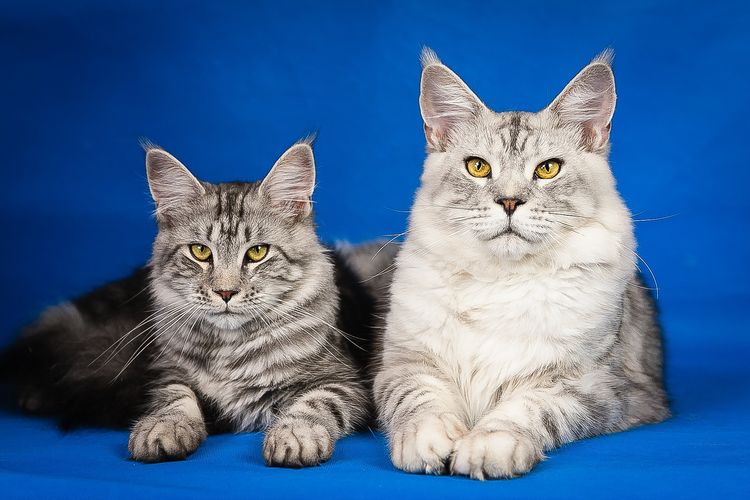
Maine Coon
These cats were developed and preserved precisely because Maine Coons demonstrated excellent rat-hunting skills. They were kept on farms where rodents pose a problem for storing grain and other feed.
Despite their large size, Maine Coons are very agile and can leap at lightning speed when pursuing prey. They are avid hunters, capable of tracking rats for hours, regardless of heat or cold. Their resilience to adverse environmental factors doesn't prevent them from taking long walks outdoors, during which they can even exterminate rodents living in yards or outbuildings.
Their large size allows them to hunt even the largest rats, which smaller ratters fear. These cats aren't the type to spend most of their time sleeping in a cozy spot in the house, so they thrive in a private or country home.
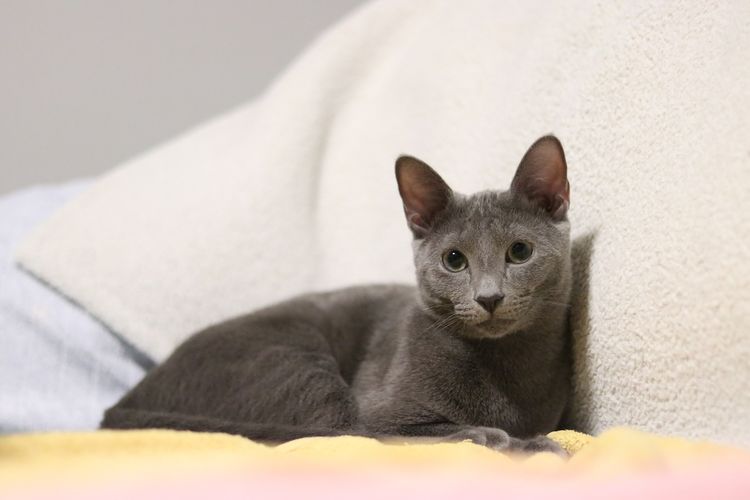
Russian Blue
The breed is medium in size, which many doubt its hunting abilities. However, the lack of bulk typical of good ratters is more than compensated for by its lightning-fast reflexes and ability to move silently. Its reaction to moving objects is considered the benchmark among all cats, as it excels at hunting both small and large rodents. Russian blue It looks like a true work of art. Her movements are graceful and precise, and the speed she can reach in a split second is astounding.
Many generations of this breed have confirmed the Russian Blue's reputation as one of the best ratters. Having one in your home means you can forget about mice and rats for years to come.
Siberian
The Siberian cat is a time-tested ratter. Its large size and thick fur make it an expert hunter, as it can quickly and silently catch its prey. This is primarily due to its furry pads and the fur between its toes, which act as sound insulators when moving. Its high speed and long leaps from a standing start allow it to quickly dispatch its prey.
Another characteristic of the Siberian breed is its low attachment to its owners. For this reason, it spends most of its time in the yard or in ambush. Lost in the thrill of the hunt, it may not respond to human calls when busy tracking mice or rats.
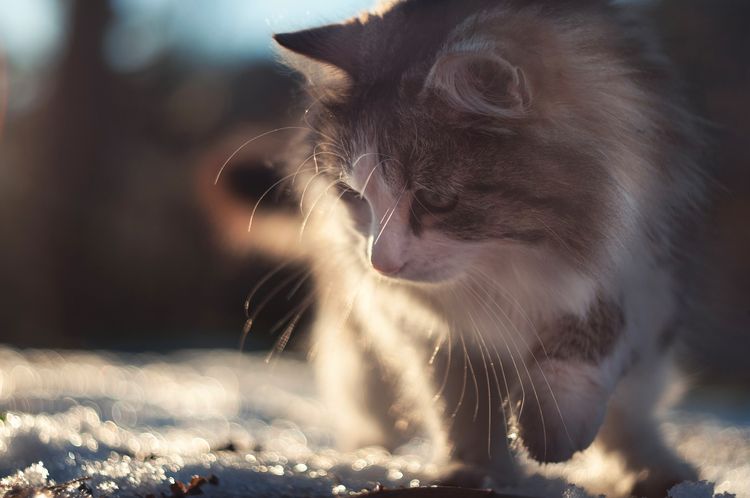
Kurilian Bobtail
These cats are known to all cat breeders as possessing a "dog-like" nature. This reputation stems from the fact that, from puppyhood, kittens become attached to their owners and selflessly protect them from all threats and dangers. In the cat's view, rodents are the main danger, so he devotes all his energy to tracking down, catching, and eliminating rats and mice.
Hind legs Kuril bobtails Long and powerful, which helps them reach high speeds and make long leaps from a standing start. There are cases where they easily deal with an entire brood or family of rats in just a couple of days, emptying their burrows.
The Kurilian Bobtail's determination and dedication are so high that he is not afraid to engage in a fight or chase away even a dog from his territory, so the owner can be calm about the safety of his home and yard.
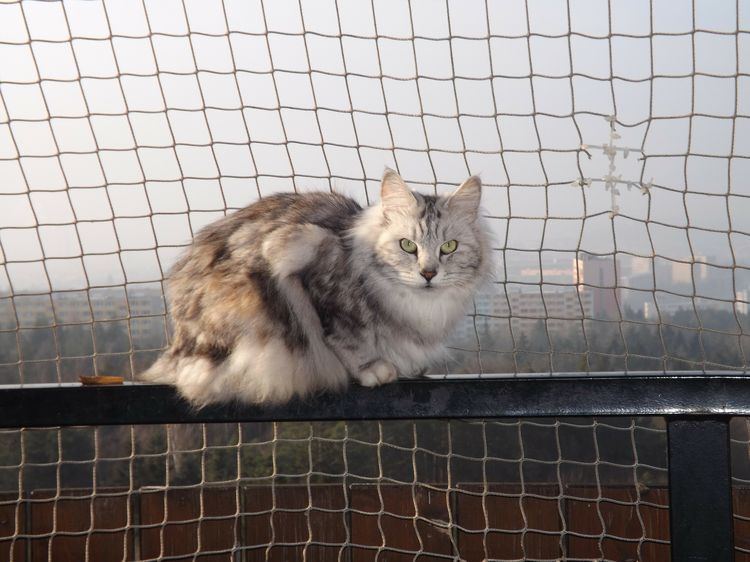
Cymric
For many people who are not familiar with this breed, Cymric The Kimkrik resembles a common cat with a shortened tail. It's ironic that it's believed that a cat needs a long tail to be successful at hunting. In the case of the Kimkrik, this is the exception that proves the rule: its coordination is not affected by its unusual tail structure. Nimble paws and tenacious claws complete the kit of a rat-catcher.
Another advantage is the Cymric's commitment to living in a private home, as it needs regular walks and exercise to feel well, and the open spaces of private homes provide all the conditions for this.
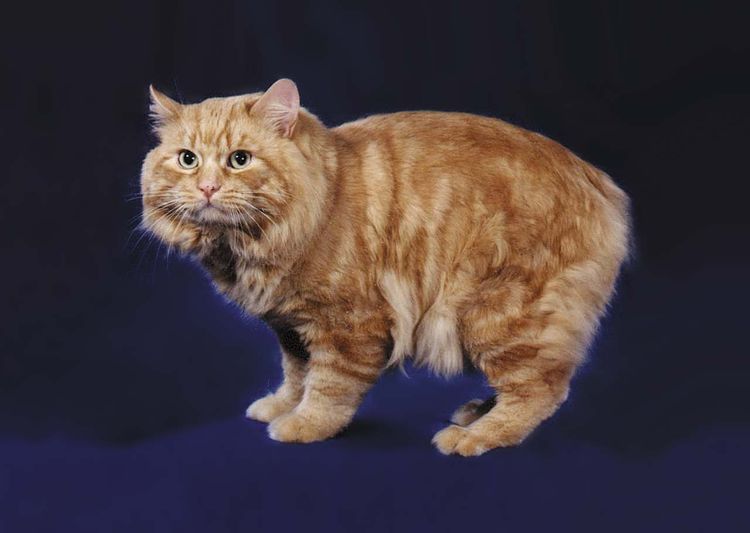
British Shorthair
British They are considered an aristocratic breed, but few people know that they are among the best rat-catching cats. This is due to their excellent hunting instincts and instincts, as well as their desire to please their owner. Therefore, after bringing in prey, they should be praised and rewarded with something tasty.
Due to the fact that females usually weigh up to 4 kg, they prefer not to hunt large rodents, limiting themselves to mice and young rats, but this is enough to protect the household from the invasion of unwanted guests.
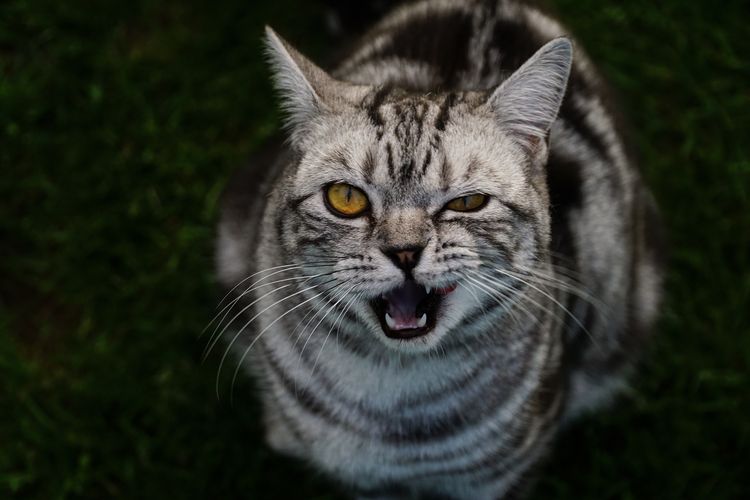
Other breeds of cats that are noted as ratters include Chausie, Chartreux, Turkish Van, and European Van cats. When purchasing a kitten, it's important to remember that excellent ratters always come from cats whose mothers possessed similar talents.
To train a good hunter, it's essential to praise the animal after it retrieves its catch. Sometimes cats bring back a "trophy" to show off to their owner, but in most cases, they give a gift to a person in recognition of their care and love. Such gifts should not be ignored, nor should the pet be scolded for bringing a rat or mouse into the house, much less thrown in the trash in front of the hunter, as this will deeply hurt and offend the animal.
Read also:
- The cutest cats in the world: breeds with photos
- The most beautiful cats in the world
- What are the largest domestic cats?


Add a comment