
Sphynx cat with fur: what is the breed name and photo
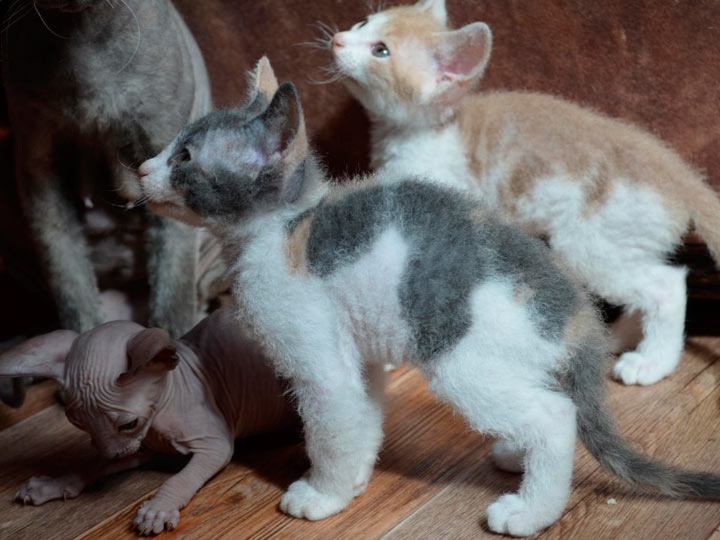
Cat sphinx Hairless kittens are common. Kittens of hairless breeds are often born fluffy and only become completely bald by the age of 1-2 years. Some retain their fur throughout their lives, while others periodically grow back and then fall out. There's no definitive answer to the question of what a Sphynx with fur is called; it could be any of the existing hairless breeds.
Content
Sphinx coat types
In addition to completely hairless cats, which are called "rubber", Sphynxes also have other types of fur.
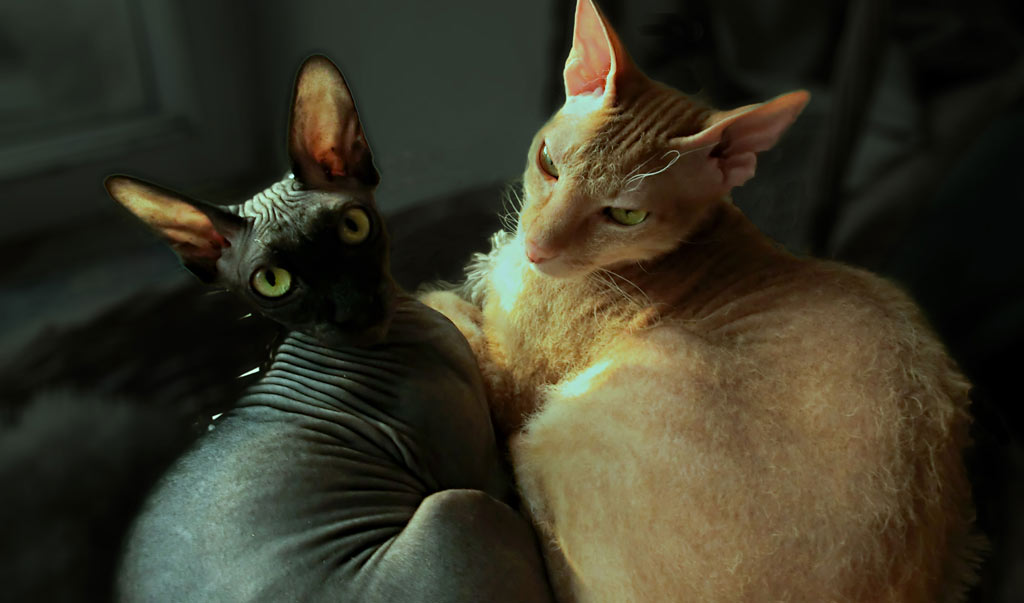
If you're dreaming of a Sphynx, we suggest you take a closer look at the wool-coated options available:
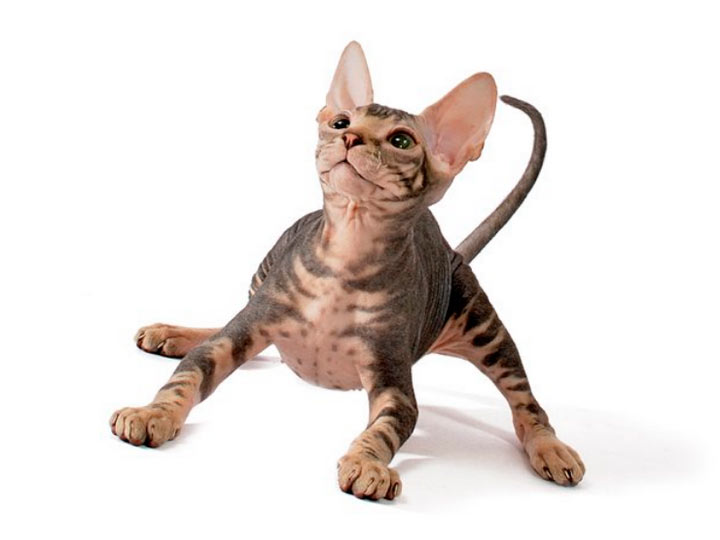
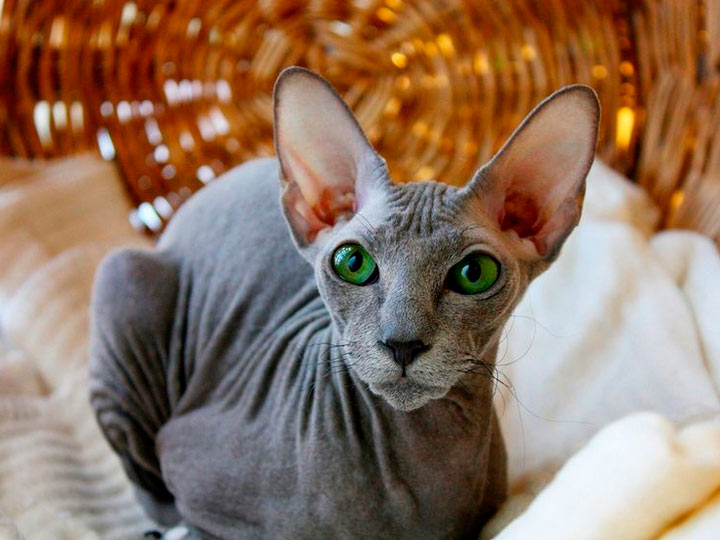
- Flock The skin is covered with very soft, short hairs that are virtually invisible to the naked eye. The skin is very soft to the touch, reminiscent of the fabric of the same name. The fur "dusting" makes the coloring appear significantly brighter. By 1.5 to 2 years of age, flock cats usually become completely "naked."
- Velours The skin is covered with noticeable, fine hairs 2-3 mm long. These may disappear with age, but the remaining hairs, like socks or knee-highs, remain, as well as residual hair behind the ears or on the muzzle. The skin feels like velour or suede. Velour Sphynx cats have recently become extremely popular among whisker lovers.
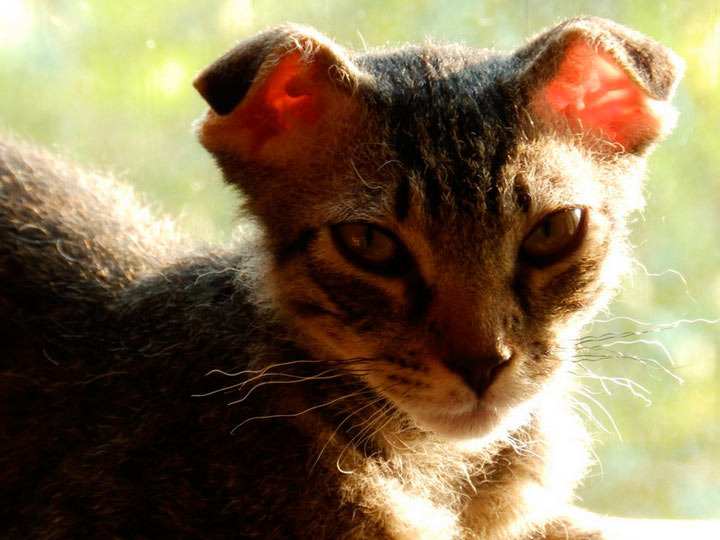
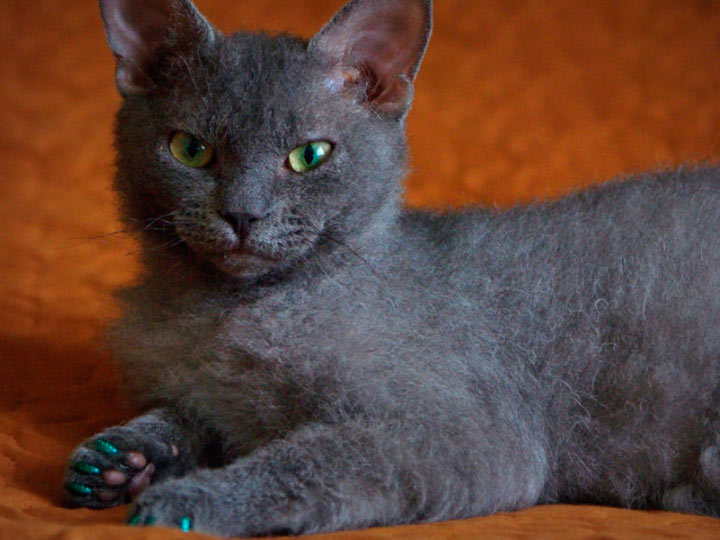
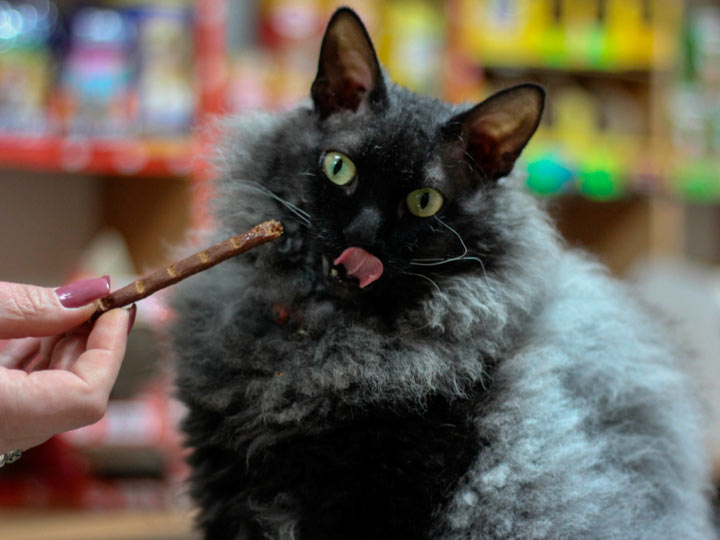
- Brush (from the English word "brush") - the entire body is covered with stiff or silky hairs longer than 2-3 mm. They give the cat a "dressed" hairy appearance. The coat can be straight, wavy (rexoid), or harsh and curly, resembling an old brush. Kittens with wavy, soft fur usually lose their coat by 6 months, while wirehaired kittens can remain full-haired for 1.5-2 years, and then fade to flock, velour, or brushed fur with patches of baldness on the head, back, and neck.
- Brush point - the body is covered with flock hair, which is longer behind the ears, on the muzzle, paws and tail.
- Straight-haired - straight, short hair lies close to the body and is retained with age.
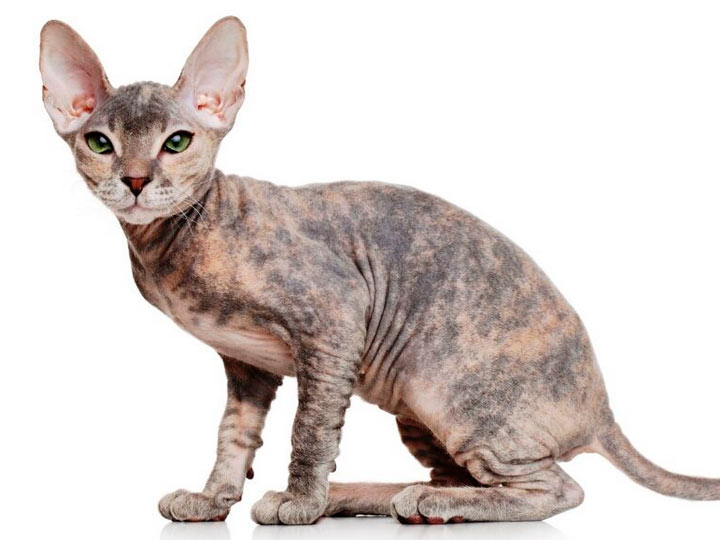
Hairless or "rubber" Sphynx cats are completely hairless, often lacking whiskers and tactile hairs on their legs. Kittens are born with their eyes open. However, even these cats can develop very thin and sparse fur, either partially or completely, during the colder months. 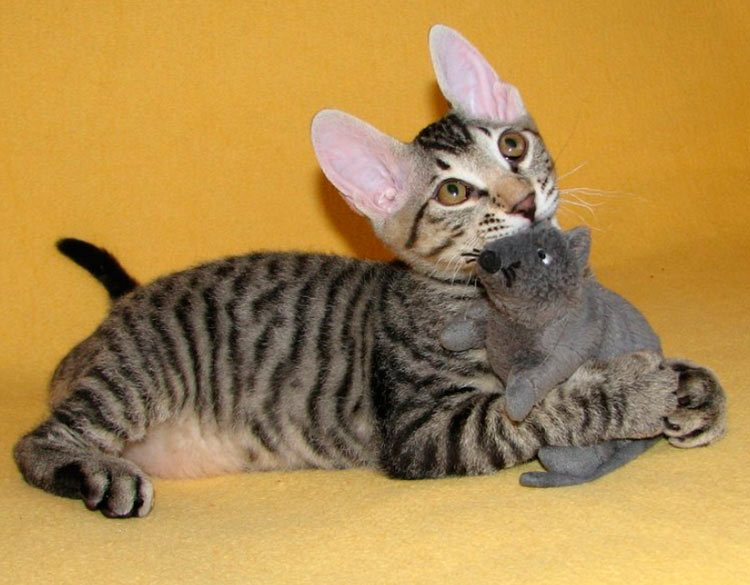
Characteristics of different sphinx breeds
Hairlessness Canadian And Don The sphinx breed's appearance is caused by a gene mutation that was reinforced by long-term selection. Among these breeds, the various fluffy varieties are less common. Other breeds are hybrids, created by crossing sphinxes and fluffy breeds (Peterbald, levka, Minskin, Bambino etc.). The presence of woolly cats in the family increases the likelihood of the appearance of kittens and adult animals with different types of coat.
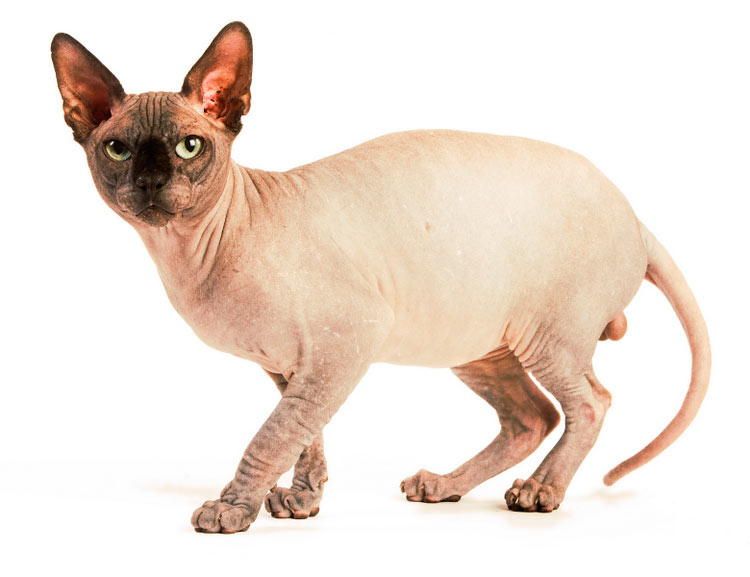
Canadian Sphynx
The most popular hairless breed isn't actually hairless. The standard describes the Canadian Sphynx's coat as "visibly hairless." Completely bald These hairs should not be present. The bridge of the nose is covered with normal hair, and short, fine hairs may be present on the paws, tail, scrotum, and outer ears. The rest of the body's coat ranges from completely hairless to a soft, downy texture no longer than 2 mm (flock). This gives the Canadian Sphynx's skin a suede-like feel.
With age, the amount of hair and its density increases.
Any other coat variations are considered faulty; such cats are disqualified and excluded from breeding. Since the breed is fairly stable, such variations are rare.
Don Sphinx
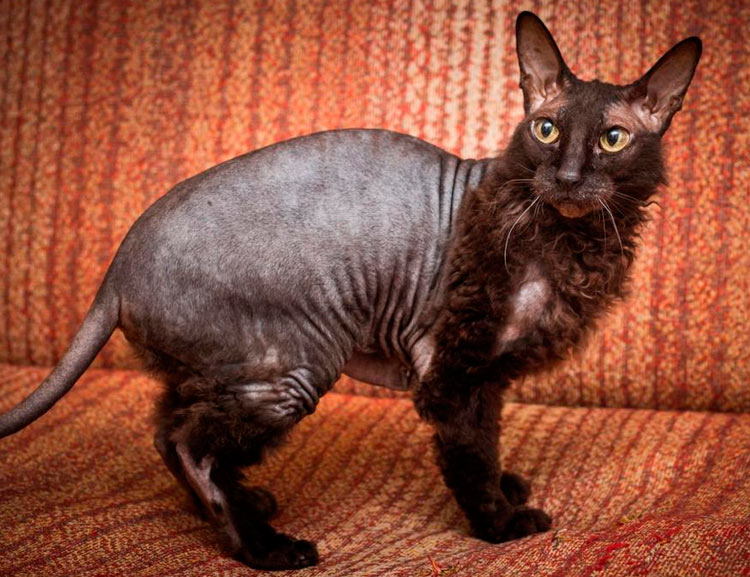
A Russian breed of hairless cats, developed in the 1980s in Rostov-on-Don. Its founder was a stray female cat and her kittens, the result of a mating with a European Shorthair. Coated Don Sphynxes are quite common and are used for breeding. Furthermore, mating two completely hairless cats is prohibited. This increases the risk of producing non-viable kittens with various pathologies and mutations.
Don Sphynxes are:
- Hairless ("plasticine" or "rubber") kittens. Unlike Canadian cats, their skin is completely bare and sticky to the touch. These kittens are the most valuable for breeding.
- Flock;
- Velours;
- Brush (used for breeding but do not receive titles at shows).
- Brush point.
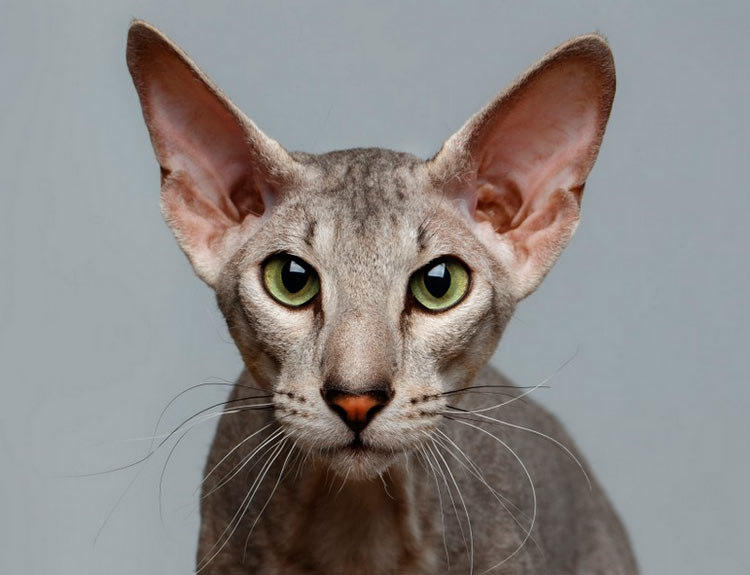
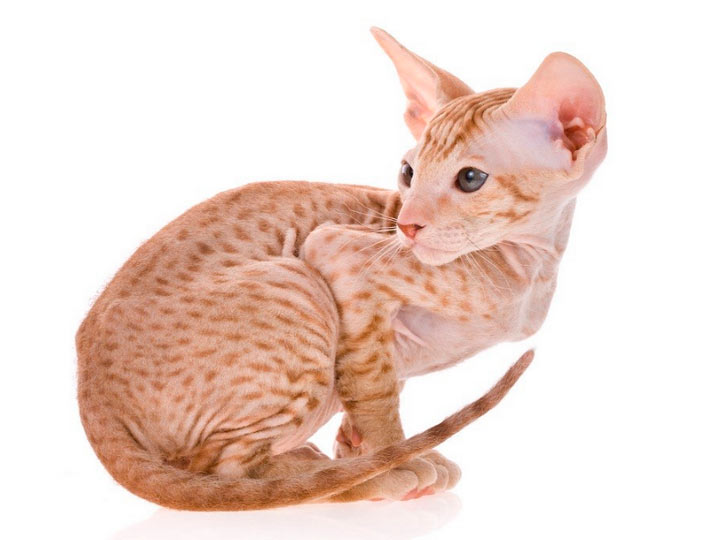
Peterbald (St. Petersburg Sphynx)
The Peterbald is another Russian hairless cat breed, created by crossing the Don Sphynx and the Oriental. They can have several coat types:
- Hairless (kittens may have residual downy fur on their points);
- Flock;
- Velours;
- Brush;
- Brush point;
- Straight-haired.
Ukrainian Levkoy
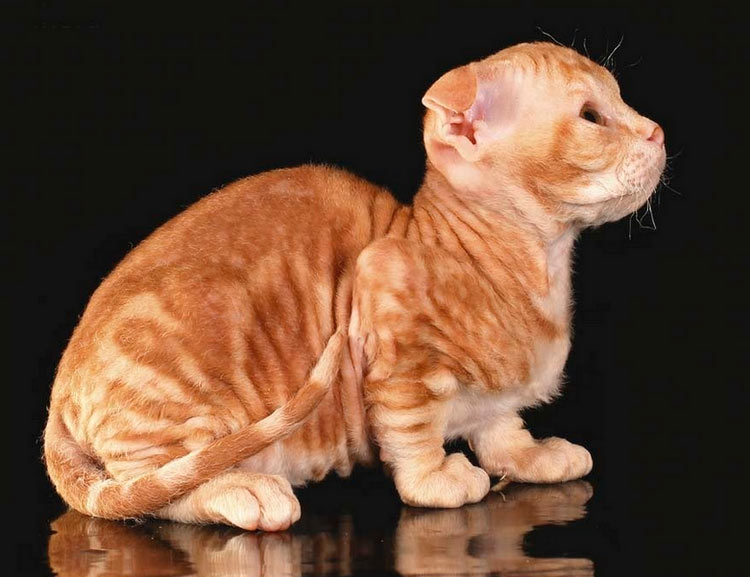
Don Sphynxes and Scottish Folds were used to establish the first bloodline of this Ukrainian hairless breed. The breed is still developing. The hairless, fold-eared cats are considered the most valuable. However, litters may also include males and females with other coat types:
- Flock;
- Velours;
- Brush;
- Brush point;
- Straight-haired.
There are many nuances in breeding Levkoe, for example, you cannot mate lop-eared with lop-eared and hairless with hairless.
Why does a Sphynx cat start to grow fur?
Kittens and adult Sphynx cats sometimes begin to grow fur. There can be several reasons for this.
- Cold snap. With the onset of cold weather, most Sphynx cats develop a short downy coat, although in some areas the fur can be quite long. This hair can grow even if the temperature has only dropped outside, and the house temperature has been kept at a comfortable level.
- Heredity. Canadian Sphynxes are the most stable breed. Their hair growth usually indicates breeder missteps and accidental crossbreeding. You can expect anything from Donets, Peterbalds, Levkoys, and other hairless breeds. They are still developing. Kittens may not shed their fur, and it's unpredictable, just as adult cats may grow fur and remain fluffy.
- Hormonal changes. Hair may grow rapidly or, on the contrary, fall out as a result of puberty, pregnancy, castration/sterilization, endocrine system dysfunction, and other factors that affect the overall hormonal background.
Observations show that factors such as feeding, illness, and stress, in combination with the above, can affect the amount of fur in a hairless cat.
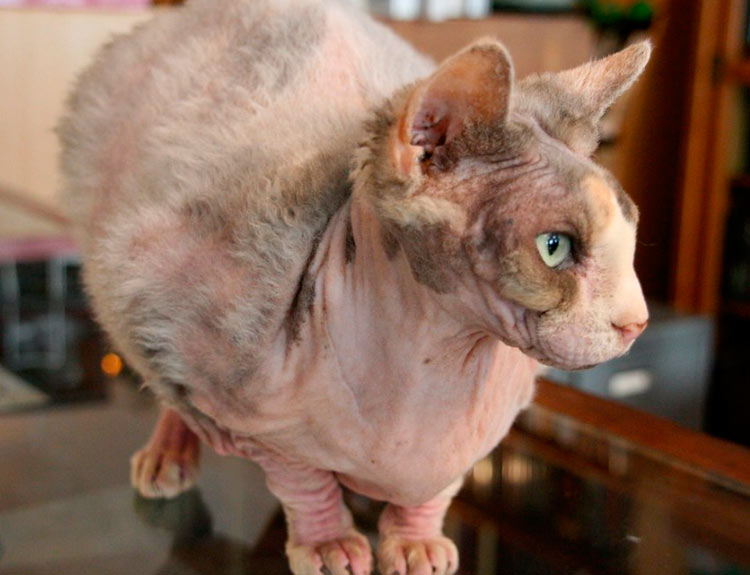
Regardless of the amount and length of their fur, a Sphynx's personality and behavior usually remain unchanged. Even in their furry state, they remain very affectionate and sociable creatures who love warmth and comfort.
Prices for Sphynx kittens
The Sphynx cat breed is considered quite expensive, as the price of a naked kitten (hairless) from elite parents can reach 70,000 rubles or more. However, in practice, you can find offers for 7,000 to 10,000 rubles, especially if you don't mind eventually owning the previously described "curly" or "velvet" Sphynx with fur, rather than the ideal "rubber" specimen.
Important! When you open a page with ads for Sphynx kittens for sale, you're unlikely to see many offers for a "furry" kitten. The vast majority of posts feature adorable photos of completely hairless cats, and this is understandable, as the price of such a kitten is much higher.
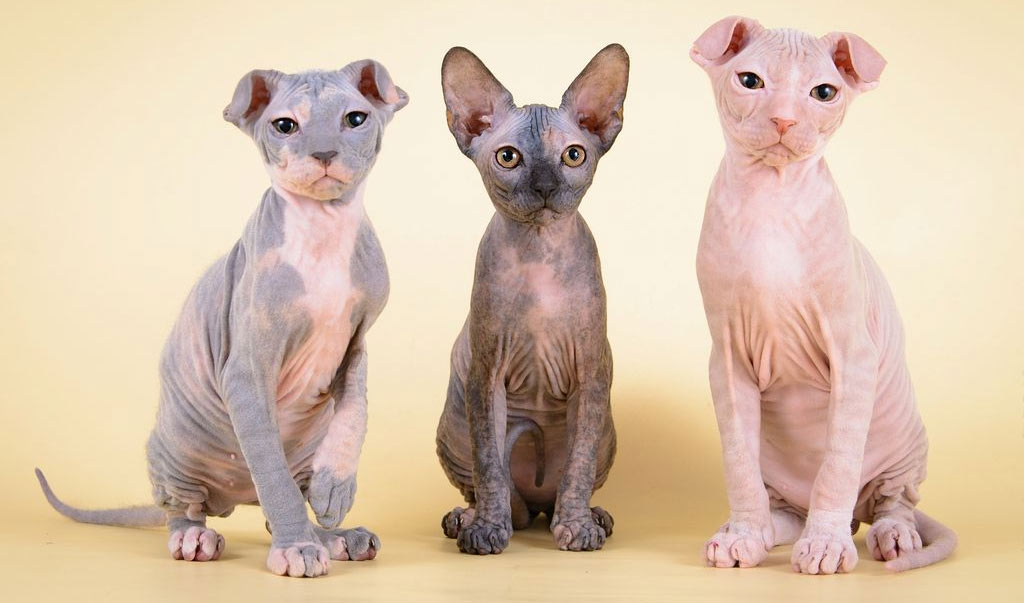
If you're specifically looking for a curly-coated or velour-coated Sphynx kitten, remember that the price of a kitten with documents confirming its breeding status and the correct genetic makeup of its approved breeding parents cannot be very low! It's better to look for these "velour" or "velvet" kittens not from amateur breeders, but from catteries where they will honestly explain the differences between kittens in the same litter and show photos of the kittens after birth and at various stages of development, confirming their genetic affiliation with a particular Sphynx type.
The most affordable option is kittens with brushed fur. Their rather coarse, curly hairs give them an unkempt appearance, making them less popular than hairless and velvet-coated kittens. It's also worth noting that brushed cats are not considered show cats.
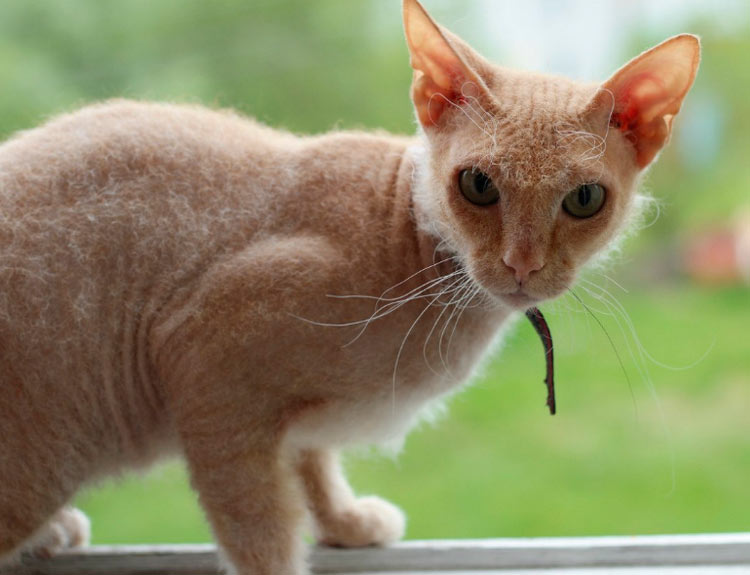
Nevertheless, true connoisseurs of the breed understand the value of such cats—without them, the selective breeding that produces hairless and velveteen specimens of the breed would be impossible. Offspring from two genetically hairless parents are highly likely to be plagued by a host of genetic problems, whereas a "hairless" and "brushed" pair produces strong, healthy, and beautiful kittens of varying types.
Photos
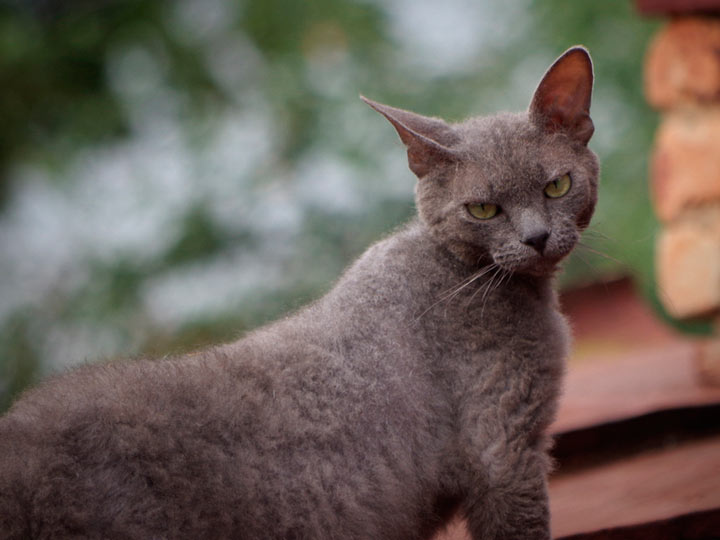
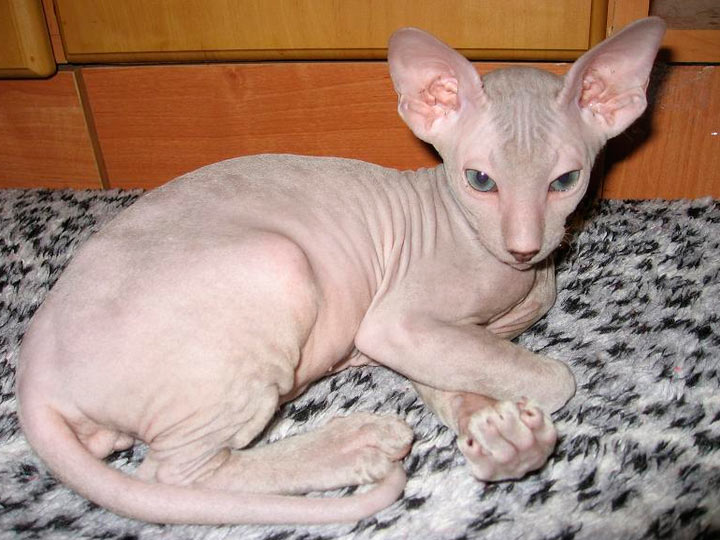
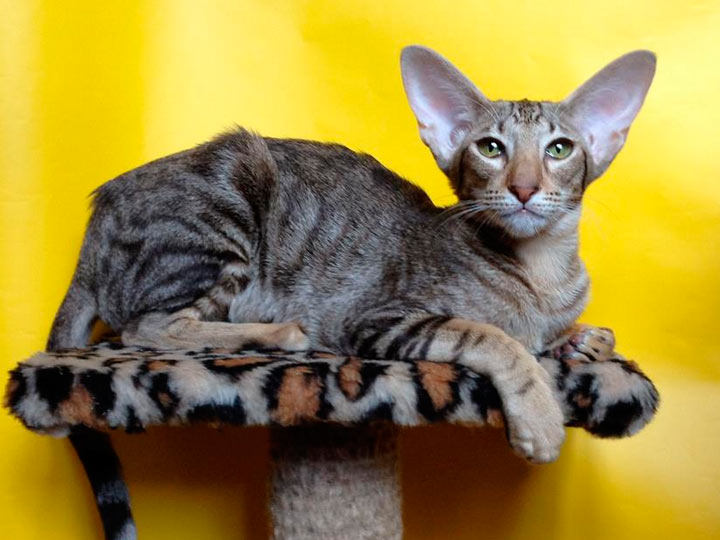
The gallery contains photos of Sphynx cats of the above-described breeds with different types of fur (flock, velour, brush, etc.).
Read also:


4 comments
Victor
My cat was originally bald. At 4 months old, his tail became furry. What could be the cause, and is there a risk of hair loss?
Daria is a veterinarian
Hello!
Most likely, the tail still has fur, right?
It's all about genetics; somewhere in your cat's family there was a "fluffy" Sphynx. Yes, he's no longer a show cat, but I don't think that makes him any less beloved.
But on cold evenings he will be able to warm his paws with his fluffy tail.
Svetlana
Where on my Sphynx kitten's body will shed hair first? Hair loss occurs on the kitten's neck at 4 months. I thought it was ringworm.
Daria is a veterinarian
Hello! Often, the first areas of baldness to appear with ringworm are around the eyes, near the ears, on the muzzle, and on the front paws. The spots gradually grow, increasing in diameter. Not only their diameter but also their number gradually increases. However, the best confirmation of the diagnosis is a Wood's lamp (exposure to a special light), trichoscopy (but since this is impossible for a Sphynx cat), and a skin scraping. In any case, this can be diagnosed not at home, but at a veterinary clinic.
Add a comment