
Cats Hiding in Dark Places: Reasons and What to Do
The reasons why a cat hides in a dark place are sometimes pathological – stressful situations and pain lead to discomfort, prompting the pet to seek solitude. But often, an animal prefers to be in the dark to get a good night's sleep or prepare for play. Signs of common feline illnesses can help you determine whether or not it's time to see a veterinarian.
Search for comfort
If your pet is hiding in a secluded corner, but there are no signs of inappropriate behavior or illness, the cause lies in natural instincts or fatigue:
- Cats love to sleep, and with age, their sleep periods become longer. However, in a family with small children or other pets, cats often need to find a secluded corner where their slumber won't be disturbed. Some of the most comfortable places for cats to sleep include the inside of a sofa, closet shelves, and on the bed under a blanket.
- A pregnant cat also seeks privacy, looking for a place where her kittens will be most protected. If the chosen location is unsuitable, you can construct a comfortable cat house with soft bedding from a spacious basket or box, ensuring easy access to water and food.
- A cat may feel uncomfortable if strangers frequently visit the house. A protective reflex kicks in, so the animal hides under the bed or in the closet until the strangers leave its territory. Once the strangers leave, the furry creature leaves its shelter and behaves normally.
- Similar behavior can be observed during a game of chance: a cat may sit in a dark corner for a long time in ambush, waiting for a potential victim to pass by.
- Cats have a higher body temperature than humans. It's possible the animal has chosen the shelf or basket due to a lack of warmth or strong drafts in the apartment.
- A small kitten sometimes poops and pees in inappropriate places, choosing corners that haven't been visited for a long time. This behavior can be caused by poor litter box training. An adult kitten may use this behavior to retaliate for an insult. However, it's also possible that the kitten simply doesn't like the litter box itself or its location.
To avoid an unexpected surprise in your slippers or under your bed, have your pet spayed or neutered as soon as signs of heat appear. This procedure will eliminate this natural instinct and prevent marking problems.
Stressful situations
Some felines have a phlegmatic nature, so they rarely react to external stimuli such as loud noise, the presence of other animals, or loneliness. However, for most cats, sudden changes can cause stress. What triggers can trigger nervous disorders?
- Renovating an apartment or moving to a new home. A change of environment can negatively impact a sensitive cat's well-being, as it can be accompanied by turmoil and loud noise.
- Conflict between family members. Arguments have a particularly strong impact on an animal that feels close to all family members.
- The arrival of a baby. If the cat previously enjoyed all the affection of its owner, the birth of a baby creates a lack of attention. Therefore, as a sign of displeasure, it hides in the dark. The same situation can occur with the arrival of any other new family member. In this case, stress can build up over time and eventually take an aggressive form—using claws and teeth to drive away the stranger.
- Loneliness. Some breeds develop strong bonds with their owners and experience longing in their absence. Often, the furry creature will hide under the covers because the human scent lingers on the bed.
- Undeserved resentment. A cat that has ripped up the wallpaper or knocked over a flowerpot doesn't feel guilty. From the animal's perspective, the apartment is its personal territory, where it can do whatever it wants. Therefore, punishment is perceived as an undeserved insult. The cat hides away from its owner, afraid to go to the litter box or food bowl. This self-imposed seclusion sometimes lasts for several days.
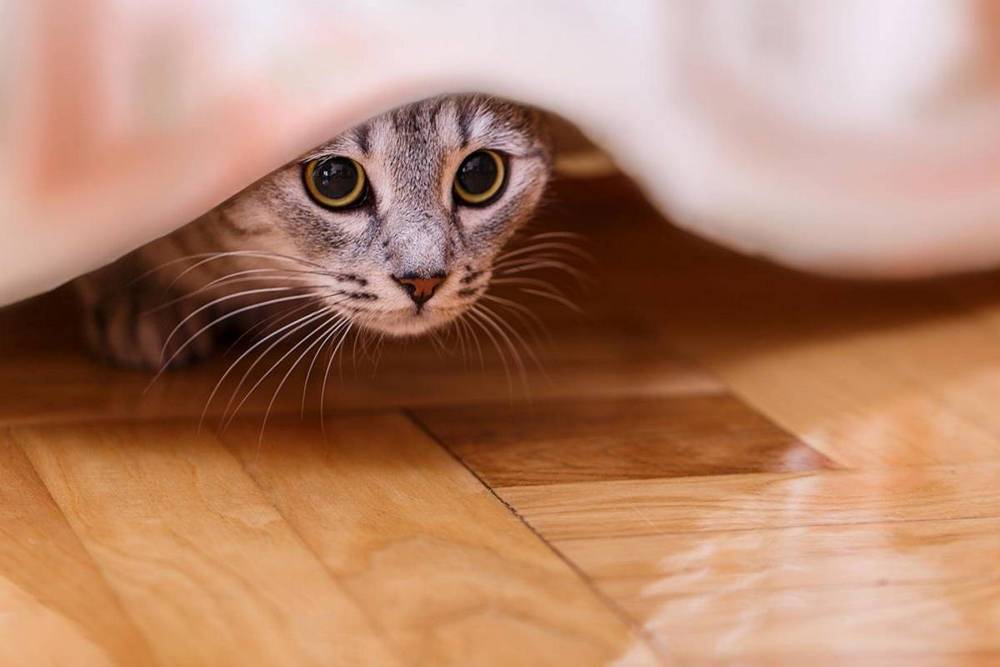
Veterinary attention may be needed if the animal:
- does not make contact;
- hiding in a dark corner;
- loses appetite;
- doesn't want to play;
- looks sluggish.
Constant stress can sometimes lead to the development of a phobia—an intense manifestation of fear. Animals that have been adopted from the street or have experienced cruelty are often at risk. Panic can be triggered by the presence of an object that triggers fear, evoking memories associated with aggression or pain.
painful condition
Animals suffer from chronic and acute conditions and experience pain they cannot communicate to humans. Therefore, it is advisable to take your pet to the veterinarian if, in addition to seeking shelter, your cat meows loudly and repeatedly, loses its appetite, refuses water, or does not use the toilet for 2-3 days. Photophobia may also develop, which is a symptom of a number of diseases:
- infectious inflammation;
- vision problems;
- injury;
- burns, including chemical burns;
- getting a foreign object into the eye;
- allergies;
- neurology;
- brain tumors – benign or malignant.
Photophobia is accompanied by eye pain and lacrimation. Experiencing severe discomfort, the cat prefers to hide in the dark during daylight hours.
Rabies poses the greatest danger to others, as it carries a high risk of infection. In addition to photophobia, the disease causes profuse salivation. The cat will not drink due to its fear of water. As the infection progresses, seizures occur, accompanied by severe pain, followed by paralysis.
How to fix the problem
If your cat is hiding and uncooperative, consider their behavior over the past few days. There's no need to worry if they're eating normally, drinking water, and not meowing loudly when defecating or urinating. Perhaps they're tired from playing too much and just want to sleep in comfort.
The owner's help will be needed in a stressful situation when the pet is frightened or offended. Avoid forcibly pulling the cat out of the corner, as this could worsen the problem. It's better to lure it in using a favorite toy or treat. Subsequently, socialization should be addressed:
- introduce people to strangers more often;
- play more using new toys.
Children should be explained why the cat is hiding—that active play has become tiring for the cat, so its rest should not be disturbed. If cold and drafts are the cause of discomfort, it's advisable to provide the pet with an optimal temperature using a heater or clothing.
If your cat has cowered in a corner and is showing signs of illness, you should immediately visit a veterinarian. Some feline conditions progress rapidly, requiring immediate assistance. Vomiting, diarrhea, constipation, and shortness of breath, combined with a depressed state, are life-threatening and require professional treatment.
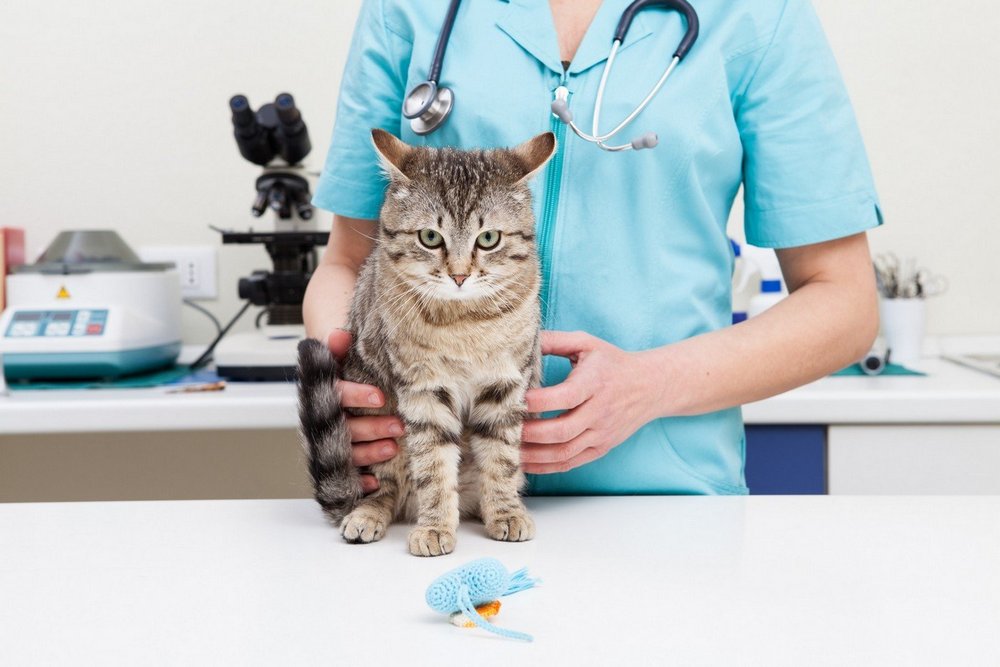
Cats often choose dark places to rest, which shouldn't cause alarm in owners. However, such a change in behavior may be a sign of a nervous disorder or pathology. In this case, it's necessary to visit a veterinary clinic for an examination. The veterinarian will prescribe the necessary procedures and tests, determine an accurate diagnosis, recommend sedatives for stress relief, and recommend effective medications for the treatment of chronic or acute conditions.
Read also:
- Avitaminosis in cats: signs and treatment
- What to do if a cat doesn't eat anything?
- My cat won't drink water: what to do


Add a comment