
My cat is constantly asking for food: reasons and what to do
What should you do if your cat is constantly hungry and insistently asks for food, even after it's had its full meal? When is this behavior normal, and when should you look for underlying health reasons for the constant hunger?
Content
Hunger and satiety in cats
Animals are certainly familiar with both hunger and satiety. Satisfying the need for food is one of the most important instincts, literally vital to an animal's survival in the wild.
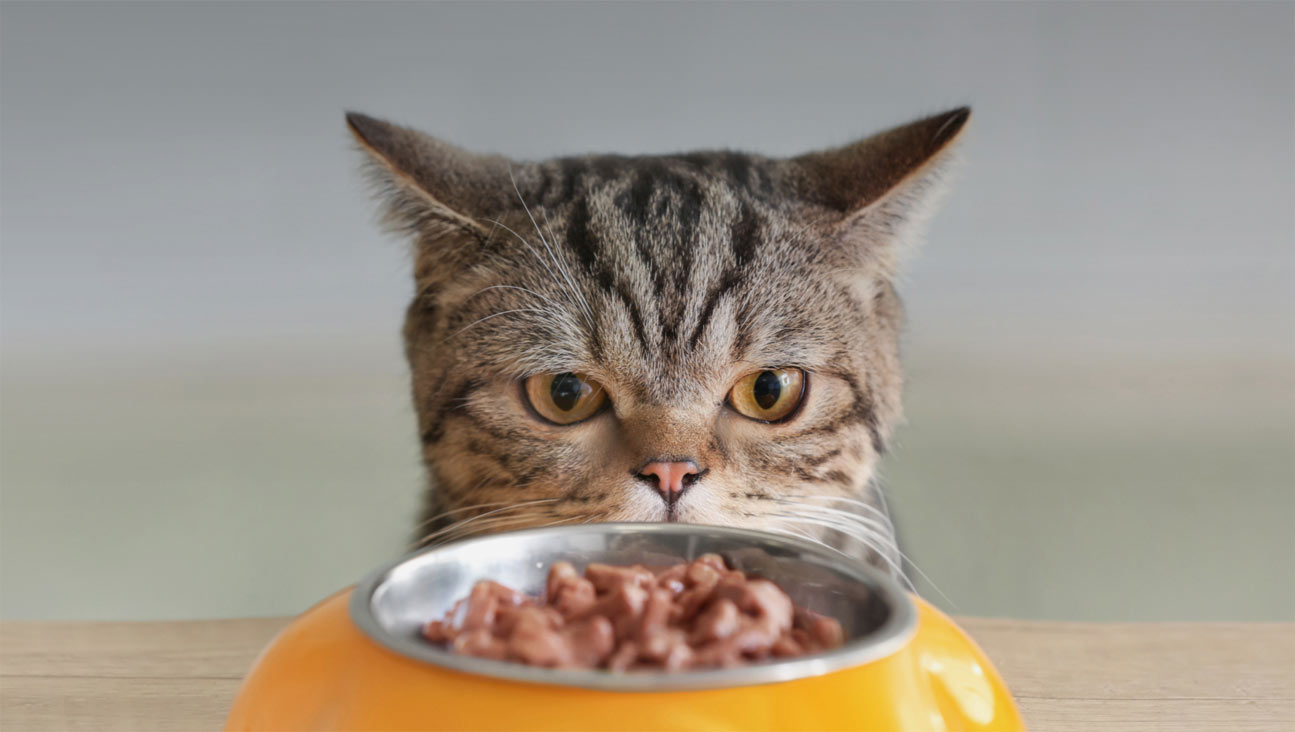
Naturally, when a cat that lives indoors and receives sufficient food constantly asks for food, the owner begins to doubt whether he is feeding the pet correctly and whether the animal is going hungry.
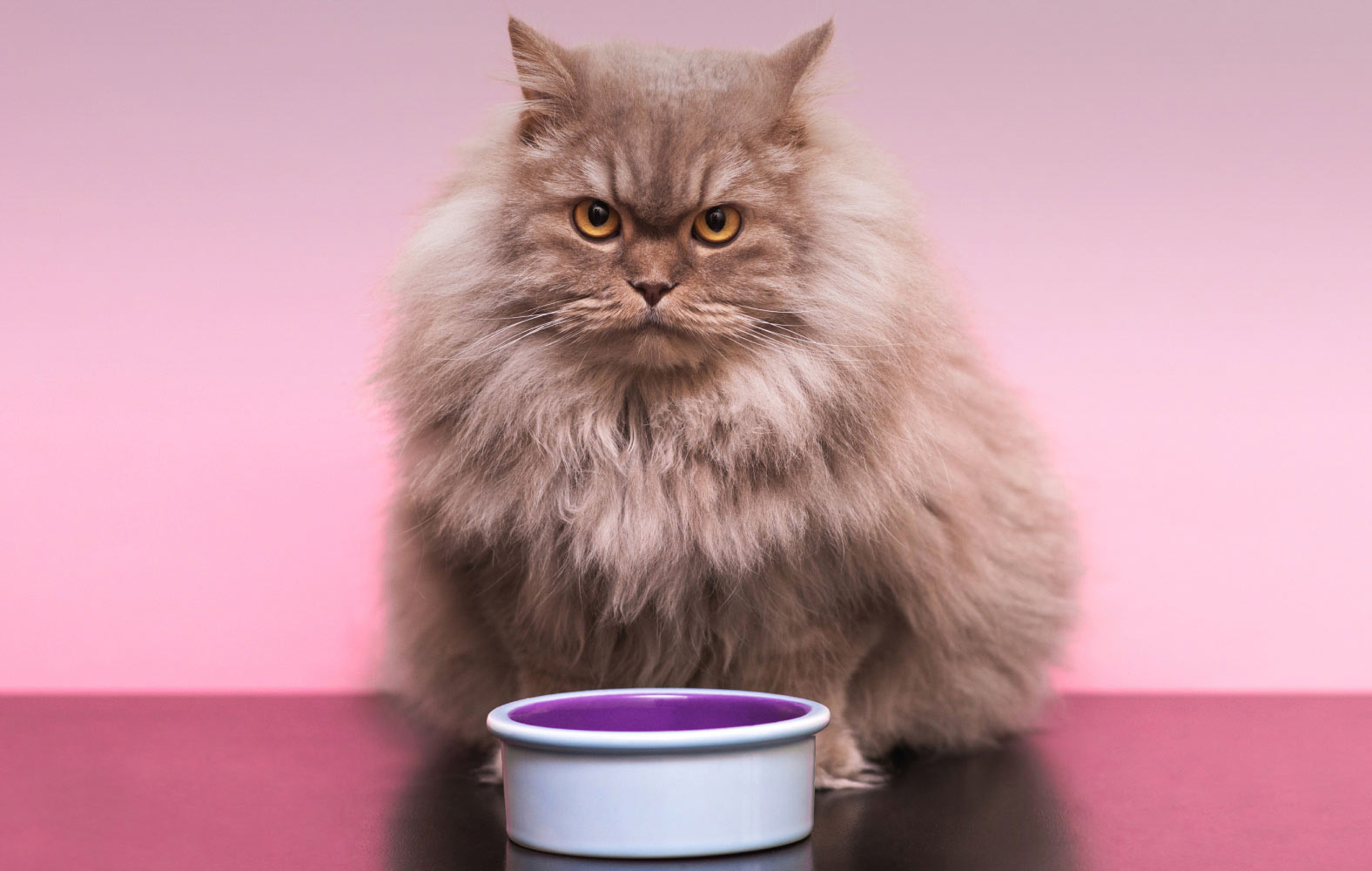
A reaction to the rustling of a bag is not a sign of hunger. It's a reflex developed in cats through regular repetition of the "sound + food" combination. Constantly following the owner or putting food in the owner's plate also doesn't indicate hunger. Therefore, it's worth paying attention to other behavioral factors.
If a cat is hungry, he:
- yells and attracts the attention of the owners;
- spins around the bowl and asks for food;
- pounces on the food with gusto.
When a cat is full, its appetite decreases. A full cat may continue eating, but without much enthusiasm, and will also enjoy treats. Activity levels also decrease with satiety—cats often enjoy a nap after eating.
Why does the kitten eat a lot?
Young kittens, who haven't yet developed normal feeding behavior, rely on instinct. As a result, they may actually eat more than they need, which can cause serious problems (from gastrointestinal upset to intestinal volvulus and even death).
It's important to understand that a kitten's meowing doesn't necessarily mean it's hungry. It might just be waking up and looking for its mother.

Kittens need to be fed up to 5 times a day in a strictly specified amount (depending on the type of food used).
On our website you will find veterinarian advice on the topic:
- What to feed a 1-month-old kitten
- How to feed a 2-month-old kitten
- What to feed a 3-4 month old kitten
Why does an adult cat eat a lot?
So, we've already discussed how to tell if your pet is constantly hungry and truly experiencing insatiable hunger. Veterinarians differentiate between increased appetite, which is normal and occurs in animals under the influence of various factors, and eating disorders.
Increased appetite and its causes
An animal's appetite is normally regulated by its body's needs. If energy expenditure increases or the need to replenish reserves arises, appetite increases, and this is normal.
The main reasons for increased appetite:
- high activity of the animal;
- decrease in air temperature;
- the period after "heat";
- the appearance of a "competitor" in the house;
- pregnancy;
- the period of recovery after childbirth or a serious illness.
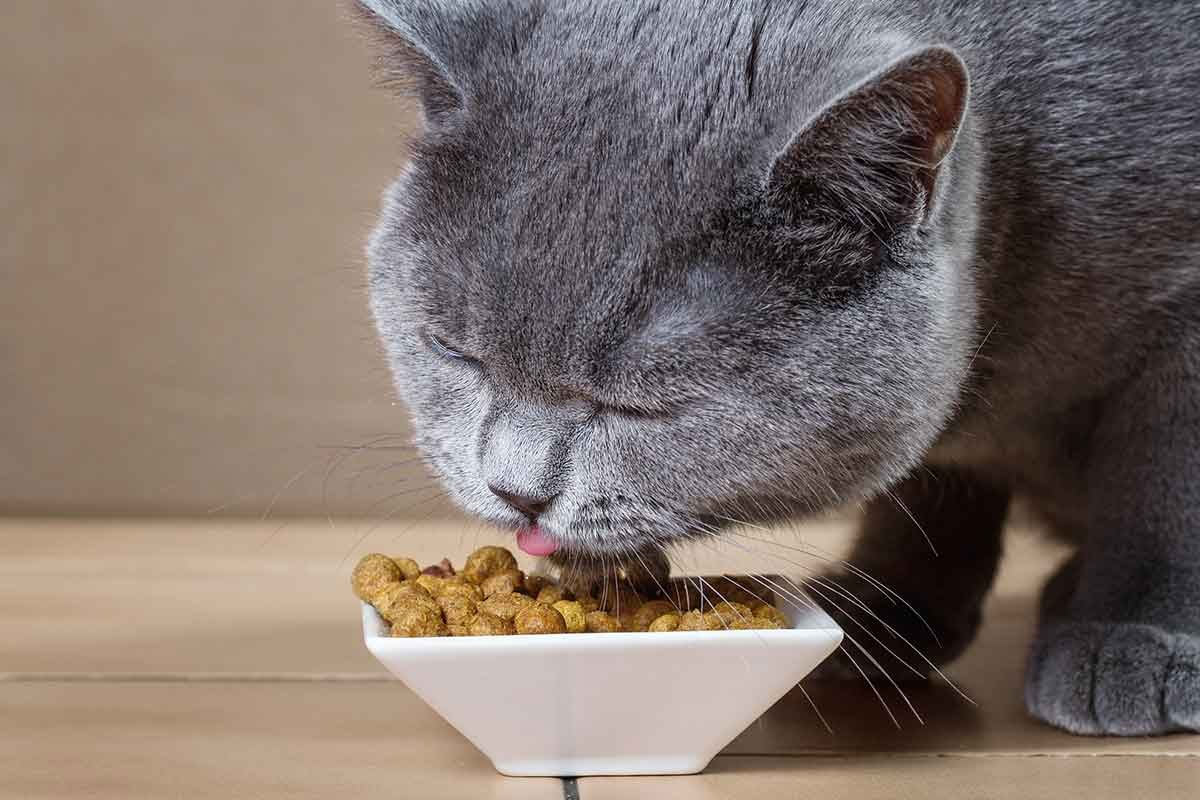
Increased appetite is manifested by the fact that the cat cannot wait for mealtime, constantly asks to be fed, and eats with a special “animal” appetite.
In these cases, increasing the caloric content of a single serving will have a very positive effect on the animal's condition, as it will replenish its natural need for nutrients.
How do you know if your pet needs improved nutrition?
- Monitor your pet's weight so you can always tell if they are losing weight, meaning something is wrong.
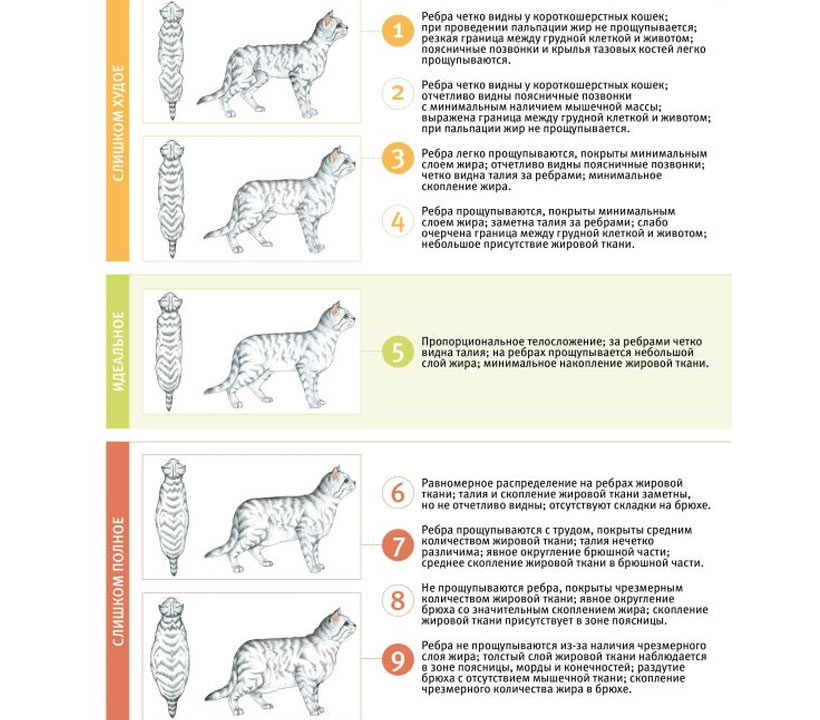
- Assess your cat's condition visually. If ribs are visible with short to medium-length fur, the cat is thin (ribs should always be palpable at a normal weight).
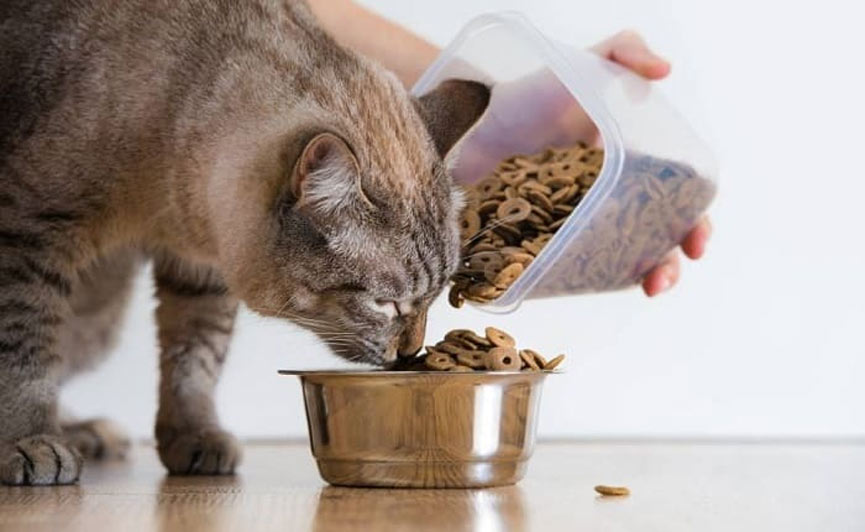
If you notice that your cat is no longer eating its usual amount of food, and there are genuine reasons for this, you can temporarily increase the amount of food while monitoring the animal's well-being and weight gain.
We recommend reading our articles:
Eating disorder
It's worth talking about an eating disorder if the cat constantly asks for food and is ready to swallow almost any amount of food (even several times more than its norm), despite the problems that arise after overeating.
The following reasons may lead to the formation of such behavior:
- negative experience (for example, the cat was straying and starving);
- polyphagia (a disease characterized by a constant, persistent feeling of false hunger);
- severe stress (moving, getting a new pet, etc.).
Medical causes of overeating
Among the medical causes, the following can be identified:
- hormonal disorders;
- taking medications that can temporarily increase appetite;
- development of diseases characterized by the fact that the cat constantly feels hungry (for example, parasitic infestations).
Owners often notice that a male cat eats a lot after castration or that a female cat gains weight after sterilization.
This behavior is normal, but weight gain should not be allowed to proceed uncontrollably. When an animal's reproductive instinct is dulled, the next-highest instinct, satiation, takes center stage. Special low-calorie foods are recommended for such animals.
The dangers of overeating
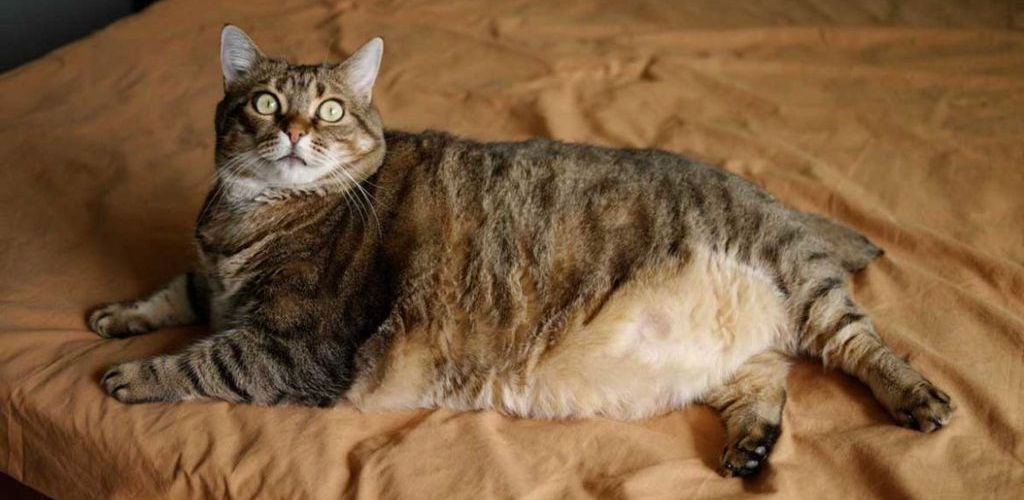
Many owners see nothing wrong with rewarding their pet with an extra treat or refilling their food if they see their cat isn't full. However, veterinarians warn that chronic overfeeding can have extremely negative effects on their pet's health.
Possible consequences include:
- obesity;
- cardiovascular diseases;
- gastrointestinal problems;
- excessive stress on the musculoskeletal system and increased risk of injury.
You should contact a veterinarian as soon as possible if, after overeating, your pet vomits several times in a row, cannot go to the toilet, or suffers from abdominal pain.
How to stop a cat from overeating
If your cat is professionally "faking a hunger swoon," even though he's actually gaining weight and isn't suffering from any illnesses, the following tips may be helpful:
- Feed your pet more often, but in small portions.
- Put your cat on a low-calorie diet.
- If there are several animals in the house, feed them separately and at a distance from each other.
- Spread wet food on the bottom of the bowl so that it has to be licked off, this will make the meal last longer.
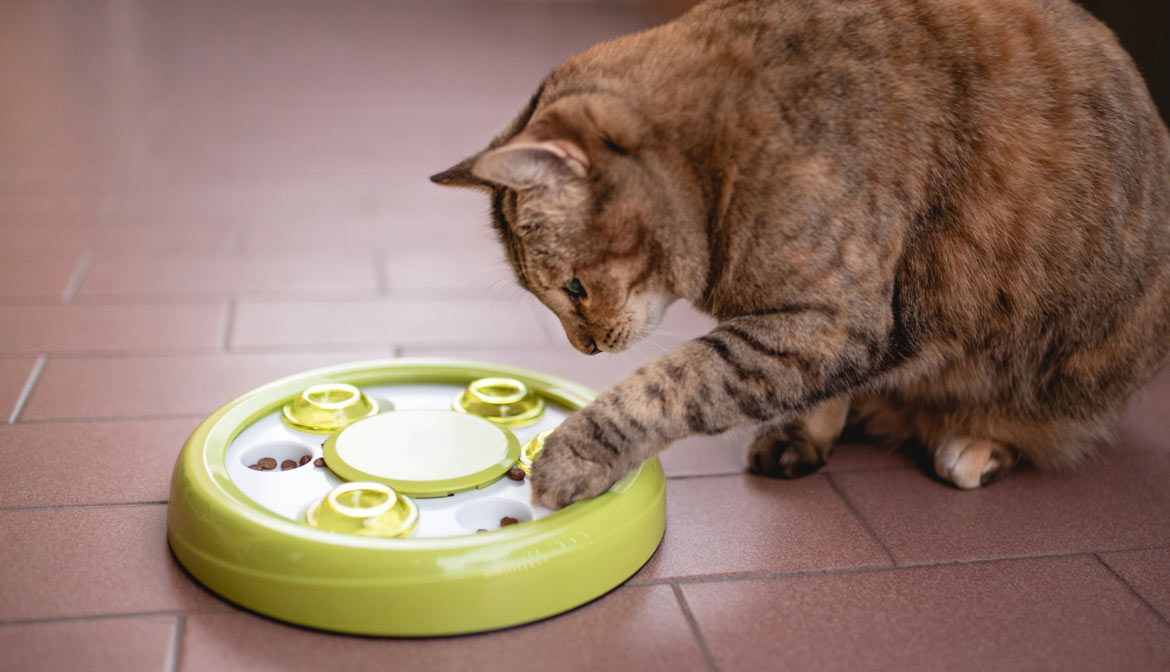
- Buy an interactive feeder that you have to extract food from.
Veterinarian's advice
Read also:
- Constipation in cats: what to do and how to help
- A Cat's Belly Is Dense: Causes and What to Do
- Intestinal volvulus in cats: symptoms and treatment


Add a comment