
The cat does not go to the toilet after sterilization.
After abdominal surgery, pets may experience difficulty defecating or urinating. This should be closely monitored and promptly sought veterinary attention. But why doesn't a cat go to the toilet after spaying?
Why doesn't my cat pee after being spayed?
It all depends on how long the cat hasn't urinated since her spay. If it happened on the same day as her surgery, it's possible her bladder hasn't yet regained sensitivity (it doesn't "feel" full yet). It may not be full yet (if the cat hasn't had a drink since her spay).
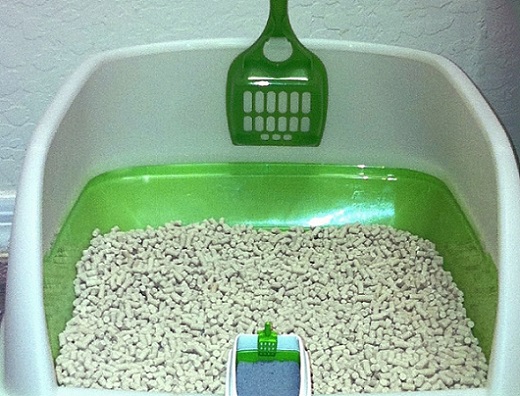
If the next day your pet still doesn't urinate but is drinking, you should seek veterinary help. Inflammation may have set in. The ureters are swollen, preventing urine from exiting. The veterinarian will insert a catheter to drain the bladder and begin treatment.
Alternatively, you can try giving a quarter of a No-Spa (an excellent antispasmodic). The swelling will go down a bit, and the urine will pass naturally. If this doesn't help, then you absolutely must see a veterinarian.
If a cat is unable to urinate after sterilization for some time, the cause may be that the animal has developed urolithiasis (sand or stones obstruct the flow of urine). This should not be ruled out. cystitis, nephritis, pyelonephritis. Of course, there will be other clinical signs besides a dry litter box, but the lack of urination should still alert the owner.
Why doesn't my cat poop after sterilization?
A fairly common problem is when a cat fails to defecate or defecate after spaying. If there were no problems previously, a delay in defecation for more than a day and painful attempts to empty the bowels indicate constipation.
Immediately after the surgery, your cat will be weak while recovering. Appetite and thirst may return within a few hours of returning from the clinic. However, don't try to feed or water your cat right away. First, you need to wait until your cat is confidently standing and moving confidently around the house. Second, after sterilization, don't try to force-feed your cat. The food should be light but nutritious. Ideally, chicken broth, oatmeal, low-fat cottage cheese, or kefir. Save "heavy" foods for later.
Don't expect your cat to have a bowel movement in the litter box the day after surgery. Often, the bowel movement isn't complete, as the tension in the abdominal wall is somewhat painful for the cat, and the digestive tract is empty (the last meal should have been at least 12 hours before surgery).
However, the animal must have a bowel movement the following day; otherwise, the longer it waits, the worse it will be for itself. The feces will harden and dry out, and toxicity may occur. Avoid self-prescribing laxatives. Be sure to consult a veterinarian to rule out adhesions or damage to the intestinal wall (which may have been damaged during surgery).
If the veterinarian does not find any pathologies, he will recommend giving your pet a laxative (Vaseline oil, Duphalac, lactose or enema Constipation is extremely dangerous because your pet will strain, which can cause the stitches to come apart. Therefore, bowel movements should not cause discomfort to your cat.
You can also ask our website's staff veterinarian a question, who will answer them as quickly as possible in the comments box below.
Read also:


65 comments
Pauline
Hello, yesterday my cat had a laparoscopic ovariohysterectomy. After the surgery she felt fine. Today she is more lethargic, she eats well, but has little interest in water, drinking literally a couple of times a day. Yesterday she had a bowel movement, but she does not go to pee in the litter box. I put her there, but she just sits there, there is no urge to urinate, and she has a small bloody discharge on her vulva.
Before sterilization, I had a problem with bedwetting - sometimes a couple of drops, sometimes a whole puddle
Please tell me how to help the cat?
Daria is a veterinarian
Hello!
We recommend that you visit the clinic as soon as possible; an abdominal ultrasound or abdominal revision may be required.
Since there has been no urination for about a day, the urinary system needs to be checked.
Wishing your pet a speedy recovery!
Catherine
Hello, today is the fourth day since my spay. My cat had a bowel movement on the first day, but now she's shaking all over and not pooping. What should I do?
Daria is a veterinarian
Good afternoon
We hope the cat was active and had a normal appetite during these 4 days.
After sterilization, cats experience abdominal pain due to the stitches, making it difficult for them to go to the toilet.
Also, if a cat is wearing a blanket, they move less, and because of this, the gastrointestinal tract may also slow down.
If there's a blanket, you can try removing it. If removing the blanket doesn't help, or there's no blanket, we recommend consulting a doctor in person.
The veterinarian will carefully palpate the abdominal cavity to determine if there is fecal matter in the intestines and will advise on further steps.
I can't recommend medications without examining them, as there is a risk of harming your pet.
xenia
Hello! My cat was spayed on April 6th, she's 8 years old. The next day she ate wet food well, drank well, had a bowel movement, and that was it. Today is April 10th, and she hasn't pooped again.
eats wet food 2-3 times a day, and a little dry food in between
Daria is a veterinarian
Hello!
Most likely, your cat's condition has already returned to normal.
But such questions are often asked, so we answer.
Before anesthesia, most people are asked to follow a fasting diet, and accordingly, some time must pass for the intestines to fill up, so that there is something to leave in the tray.
Sometimes the blanket (which some put on after surgery to prevent the suture from being licked) really bothers them; after it is removed, everything usually returns to normal.
Pain from the suture on the abdominal wall may also be a factor, as it can be painful for the cat to strain when defecating.
If your cat feels well, is active, has a normal appetite, and the abdomen is soft and not straining, then everything is fine. If you notice any symptoms, it's a good idea to see a veterinarian in person.
Lena
Good afternoon, this morning at noon the cat was spayed, before which she peed.
A day has passed without me writing.
No need to worry yet?
Daria is a veterinarian
Hello!
This is a fairly popular question and it is always relevant.
If the cat has not gone to the toilet, but its behavior has not changed—it is active, its appetite is normal—then usually only observation is required.
If there are changes in behavior, then yes, a veterinary examination is required.
Alla
Hello. My cat was spayed on July 29th due to pyometra. Today, July 31st, she hasn't defecated or urinated. She won't even go to the litter box. We took her there, removed her blanket, and put her in the litter box. She just goes. She's eating less than usual, but still fine. On the first day after the surgery, she barely slept and just walked around the house. On the second day, she only went to bed in the evening, and now she's walking and jumping just like before the surgery. What should I do in this case? Thank you.
Vyacheslav
Hello, my cat is about 5 years old. In January, she had a urinary stone, blood in her urine, and was urinating everywhere, suggesting incontinence. The stone was successfully removed. Then I dewormed her and gave her a shot; she hadn't had any before. Then she gave her Monge ICD prophylaxis. Everything was fine, but now something's wrong again. She hasn't peed for 24 hours, and by the 25th hour she might have a large bowel movement. She barely drinks any water. She only eats Felix wet food, which I dilute with water to keep her hydrated, and I give her a little with a syringe. She also took Monge ICD prophylaxis for dry food. Last night, she went to bed like before. I had her urine and biochemistry tested, and the results are normal except for cholesterol and AST. Can you advise me on what to do?
Daria is a veterinarian
Hello! Your pet's diet is incorrect! Why are you preventing them from using foods like Monge and Felix? It's like eating boiled beef for lunch and nothing but chips and soda for dinner. Felix and other budget foods that don't have a balanced composition should not be given to a pet with urolithiasis. Switch your pet completely from dry food to wet food. Forcing water into your cat's system with a syringe will only make matters worse. Your pet will experience stress, which can lead to idiopathic cystitis (inflammation of the bladder caused by stress, in simple terms). Consider what kind of water is available and where it's stored. Place large containers of clean water, preferably in several locations. For my cats, I have two large glass bowls (300 and 400 ml) and a 1.6-liter fountain water bottle (my older cat started drinking exclusively from the faucet, so I had to buy a fountain to avoid getting up twice a night to turn on the faucet). The two cats drink an average of half a liter a day from the water bottle between them. Previously, they drank more than half from a 300 ml bowl. This means their water consumption has increased significantly. But I change the water at least once a day, sometimes twice, in all containers. The cats don't drink stagnant water.
Catherine
Hello, my cat had a unilateral mastectomy and ovariohysterectomy on February 19, 2023. She is 10 years old. The next day they told me to take her home, but a few hours later she started vomiting from the smell of food. I took her to the clinic, where she stayed until February 28, 2023. They gave her IVs with lidocaine, antibiotics, cerucal, and omeprazole. An ultrasound revealed inflammation of the esophagus, stomach, and duodenum. She drinks water on her own and only eats with difficulty. She pees once or twice a day, and hasn't had a bowel movement since February 18, 2023. She has lost a lot of weight during this time. Her stitches are fine, only some of them were removed. We sent her home on February 21, 2023, and are forcibly feeding her gastro pate and fortiflora. Please tell me how else I can help my cat. Thank you in advance.
Daria is a veterinarian
Hello! How come the animal hasn't had a bowel movement in so long and is still alive? This is severe intoxication. If there's no bowel movement, then there's no peristalsis. If there's no peristalsis, then digested food moves slowly through the gastrointestinal tract, and the body thinks there's no point in eating anymore. Start giving lactulose, starting with 1 ml per day. A laxative effect will only occur on the third day. If there's no effect, increase by 0.5 ml, and gradually increase until the amount reaches the point where the animal has regular, but not loose, stools.
Marina
Hello. Please, please... my cat hasn't peed yet after the surgery. Maybe the blanket is bothering her? I think it's slightly blocked in there... and that's why she doesn't go to the bathroom. More accurately, she goes... digs around... and comes out.
Daria is a veterinarian
Hello! The blanket doesn't cover anything on the cat except the stitches. The first day after anesthesia, the animal may not feel fully conscious. It's possible there's nothing to feel. How much fluid did she drink in 24 hours? If nothing works by the morning, call the doctor who performed the surgery, or if they have specialized specialists, contact the administrator or general practitioner. Let them know.
Irina
Hello! My cat had surgery (sterilization) four days ago. She's eating and drinking a little, but I don't see her going to the bathroom. Do we really need to go to the vet again?
Daria is a veterinarian
Hello! This is actually a fairly common problem after spaying (especially if it was done along the white line). If your cat isn't anxious, isn't crying, and has a soft, swollen belly, don't panic. Give a mild laxative so your cat can empty its bowels on its own. If your cat is clearly restless, fidgeting, or otherwise showing signs of abdominal pain, you should see a doctor.
Vadim
me too
Irina
Good afternoon! Could you please tell me? We spayed our little girl yesterday. She's feeling better than yesterday, but she's peeing in very small amounts and taking a long time in the litter box. I understand she's still in pain, and she doesn't understand what's happening. But I wanted to hear a specialist's opinion. Thank you!
Daria is a veterinarian
Hello! Yes, my pet still finds it painful to strain her abdominal wall (abdominal muscles) while urinating. That's why she's hunched over and urinating in small amounts. Meloxicam was prescribed according to the instructions (0.1 mg/kg of body weight on the first day, then half as much, once a day). No more than 3 days. But usually, by the 3rd or 4th day, the pet stops "feeling" the pain as her body learns to cope and "blocks" it.
Varya
Hello, my cat doesn't go to the toilet at all after the sterilization operation, she only asked for it once every 2 days and that's it. Now she doesn't poop or pee again.
Daria is a veterinarian
Hello! Contact the veterinarian who performed the surgery immediately. They should have advised you of the possible consequences. I suspect that due to the pain after the surgery, your pet is afraid to exert any extra abdominal muscles, which is why she's not defecating or urinating. You can give her Lactulose/Duphalac, but you should do an enema at the clinic first. Regarding antispasmodics and painkillers (to alleviate your pet's discomfort), I can't recommend any medications because I don't know what you're already giving or have given her (I'm trying to avoid drug incompatibilities).
Varya
Hello, my cat hasn't gone to the toilet for three days after being spayed.
Shtusha-Kutusha
Please help! My cat is suffering from a blanket after being spayed. She won't go to the bathroom with it on. She pees 30-40 minutes after I take the blanket off. She doesn't want to poop in the blanket, and I don't know how long it would take for her to do so. She hasn't gone to the bathroom for four days now. The vet recommended giving her some Vaseline. We gave her some. But she still won't go to the bathroom. She plays. She purrs when you scratch her behind the ear. Overall, she's doing great! Her temperature is 38.4°C (101.4°F). She eats and drinks sparingly, and only when I take the blanket off! I can't leave her without the blanket; she immediately starts licking the incision. We've tried various blanket options and even a bandage. Can anyone recommend a lighter blanket? My cat is very sensitive and has a pathologically intelligent personality. How can I alleviate her discomfort so she can go to the bathroom without any problems?
Daria is a veterinarian
Hello! Have you tried using a collar instead of a blanket? It will prevent licking. Review your cat's feeding and replace it with soft, moist food (if commercial food is used, use wet food). Instead of Vaseline, try a drop or two of sodium picosulfate. This will stimulate intestinal contractions and bowel movements (the stool won't be runny; this medication will actually increase intestinal peristalsis). He's not eating well because peristalsis is slow, which can lead to intoxication.
Shtusha-Kutusha
Thanks for the reply! She's been wearing the collar for two days, but she doesn't like it either. 🙁 When I take it off, she immediately runs to eat and drink. We fed her Royal wet food for the first three days, and she's been eating Happycat dry food for the second day.
Daria is a veterinarian
Hello! Well, there are many things she doesn't like. People wear casts, crutches, and bandages. They don't like it either, but it's necessary for the body to recover properly. Cats don't like much at all, really. =) So, as an option, you can remove the collar yourself so your cat can eat and drink normally, just be careful not to touch the stitches while she's "freed." If she's still having trouble defecating (usually during the first week, when the animal is afraid of the pain due to muscle tension, so she endures it), then give her wet food. But animals usually quickly learn to block this pain, so toilet problems resolve themselves quickly. Was the blanket too tight? Maybe that's why the cat couldn't go to the toilet?
Evgeniya
Good afternoon, please tell me what to do: my cat was spayed on January 3, 2021. She pooped on January 3, 2021, and hasn't done so since. Today is January 11, 2021. I gave her toothpaste, I've been giving her Duphalac for two days now, and she's on her third packet of probiotics. When will she poop? The constipation won't go away.
Daria is a veterinarian
Hello! Medications containing lactulose (Duphalac is an expensive alternative to budget-friendly lactulose) work by osmotic action: they attract water molecules to the feces. This means that if your stool is already hard, Duphalac/Lactulose won't soften it! They will only soften and liquefy subsequent stools, which may even push out the hard ones. If constipation is already present, it's best to choose medications with irritating properties: bisacodyl, sodium picosulfate and magnesium oxide (a combination), or danthron. However, this is only possible if there are no adhesions from surgery or intussusception.
Victoria
On the first day after spaying, the cat went to the toilet. On the 2nd or 3rd day, she doesn't go to the toilet at all, neither for a bowel movement nor for a pee. Her appetite is normal and she drinks water well.
Julia
Hello, my cat has been spayed. For the first two days, she was very active, although with difficulty. She would barely jump up onto the sofa. She ate normally and only went to the bathroom to pee. On the third day, she became less active and lay down more, but still ate. The same thing happened with the bathroom. On the fourth day, she didn't get up at all. I brought her food. Her appetite was good. I took her to the bathroom and she went to pee. She hasn't pooped this whole time. I called the vet who did the surgery, and they said it might be because of the blanket that prevented her from walking. When I put her on her paws to walk, she walks with her rear end down, then just a little bit and then lies down again. I checked the incision, but there's no sign of any reinforcement. What could be the cause? The blanket has come loose near her tail.
Daria is a veterinarian
Hello! Constipation is a very common problem after abdominal surgery. Much also depends on what you fed your pet. It should have been wet food, with minimal meat (as it's a "heavy" food that absorbs moisture, causing the stool to become very dense). If stool problems persist after the second or third day, you should give a laxative. The easiest thing you can get is oil (any vegetable oil: sunflower, olive, Vaseline, or castor oil) – about 5 ml, or about a teaspoon. Lactulose or Duphalac are also an option, but they take 2-3 days to work. The animal feels so bad because it can't have a bowel movement.
Marina
It's been 6 days since the sterilization, and the cat still hasn't gone to the toilet. A day ago, she only started eating, and that was after the vet brought down her temperature. She immediately rushed to the food, and seemed to feel better. She threw up everything at night, and is lethargic again. What should I do?
Daria is a veterinarian
Hello! What did you feed the animal? Perhaps after such a long fast, you gave the animal too much heavy food, causing the vomiting? Did the animal have a fever after the surgery? Did the vet say anything? Perhaps they prescribed antibiotics to help the animal cope with the inflammatory process?
Anna
Hello, today is the fifth day since my cat was spayed due to pyometra. For the first three days after the surgery, she ate very little on her own. Now, for two days, she hasn't wanted to eat, even with a syringe. She has no fever, the stitches are good, she wears a blanket, drinks, and pees very often. She hasn't had a bowel movement yet (she ate about 2 tablespoons of Royal Recovery food in the previous few days; maybe she has nothing to pee on?). I'm concerned that she used to eat on her own, but now she's stopped. The doctor gave her hormone injections and said everything was fine, but she still isn't eating. There are no signs of inflammation... What can I do to help her stomach? Maybe probiotics? We've been giving her ceftriaxone twice a day these days.
Daria is a veterinarian
Hello! A cat isn't a cow, so don't let her stomach get upset =) But you do need to help her intestines. Add probiotics/prebiotics. If you can find Fortiflora at a veterinary pharmacy, or if you can't, at least Linex from a human pharmacy. As an appetite stimulant and metabolism booster, try Katozal, Fitozal, or Phosphosal (but the first one is best, 0.5-1 ml once a day). This medication is quite painful because it contains vitamin B12. There's also SuperAmino, a good complex of vitamins and amino acids that greatly promotes recovery. Don't force it. And try to make the diet softer and more moist, and give her plenty of water.
Anna
Thank you very much. It's been almost a month. We've recovered, the cat is eating and playing. We gave her Katozal and Linex as you recommended.
Daria is a veterinarian
Hello! I'm so glad your pet is feeling better after my recommendations! I don't advocate prescribing therapy remotely, as there's a risk of misdiagnosing the disease or problem. I wish you and your pet good health.
Evgeniya
Hello, my British Shorthair cat was spayed on July 16th. She wears a blanket. The problem is that during the first few days, she went to the toilet sitting down and everything was fine, but for the last three days, she's been peeing standing up, peeing all over the wall and leaking under the litter box. What could be causing this? Is it because she's wearing a blanket? Please help.
Daria is a veterinarian
Hello! Most likely, yes. It's possible the blanket is tight when the cat sits or bends over. You should observe how the animal generally behaves with it: whether it's restless, how it moves, how it lies/walks/sits/eats. Perhaps you need to loosen it a little. However, pain cannot be ruled out. Although animals adapt very quickly to the postoperative period (I know how to "numb" mild pain).
Dasha
Good afternoon.
The cat hasn't had a bowel movement for three days following an emergency C-section. She's only peeing, eating, drinking, and caring for her kittens.
Should I give her something?
Daria is a veterinarian
Hello! Yes, of course you should. Choose either pharmaceutical oils (Vaseline, castor oil), or at least sunflower/olive oils, or Duphalac/Lactulose. Since these products don't enter milk, they won't work on kittens; they work exclusively in the gastrointestinal tract. Review the diet, feed more wet food, add vegetables (fiber to increase peristalsis), and be careful with meat, as this protein "draws" moisture, making the stool harder and more difficult to pass through the intestines. Give the animal more fluids. In general, you should also take your cat to the vet to rule out adhesions or a pinched intestinal loop.
Yana
Hello! After her castration, my cat is passing hard stools and is sulking a lot. I'm worried the incision will come apart. What can I give her?
Daria is a veterinarian
Hello! You can help by giving a small laxative (Duphalac will work, although it won't work right away; sunflower/Vaseline/castor oil—just one teaspoon is more than enough). But beyond that, be sure to review your pet's diet! Feed more wet food and liquids (if you're feeding natural food, then more vegetables, and less meat, as it's slower to digest and takes longer to move through the intestines, which can cause constipation). Give your pet more sweat to prevent hard stools.
Elena
Hello. Could you please tell me my cat hasn't gone to the bathroom and isn't eating well since her spay/neuter procedure. It's been four days since the procedure. She refuses to go outside and stays in her cat house. I've been taking her out of her cat house and trying to force her to go outside, but she's still okay with it. What should I do?
Daria is a veterinarian
Hello! It's a good idea to show it to the doctor who performed the surgery. Cats usually act normal on the second or third day, as if they hadn't had surgery. Have you checked the suture area? Give her a laxative to help her bowel movement. Are her paws and ears cold? How is she drinking water? Is she at least going to the bathroom to pee? What are you giving her to eat? It would also be a good idea to take her temperature to rule out inflammation.
Anastasia
Hello, my cat was spayed three days ago. Six hours after the surgery, she ate readily. Her appetite was even stronger than usual. She peed on the second and third days. She hasn't had a bowel movement yet. On the third day, we took her to the vet and were told she was having trouble defecating, but he said that was normal and told us to remove the blanket on the fourth day, and then she'll defecate on her own. When we asked him what antibiotic to inject, the vet became indignant and quickly sent us home. She was shaking violently on the second day, but not when she was sleeping. Today (on the third day), she sat on the rug in the hallway and started meowing (sometimes she does this before she goes to the bathroom). We thought she probably had a severe intestinal blockage over the past three days (because she was eating very well), and the blanket was probably putting pressure on her. Maybe I should give her a laxative? I have Microlax at home. Or would sunflower or olive oil be better? Thank you so much in advance for your answer!
Daria is a veterinarian
Hello! The doctor's reaction to my question about the medication being used is unclear. They are obligated to disclose everything the animal is being given. Perhaps there were previous allergies to this medication. Why did you feed the animal so early? It's best to start feeding the day after surgery, and only give water for the first day. Yes, give a laxative. If you can administer a Microlax enema yourself, that's great; it will work faster. Oils don't work right away. Just be prepared for the animal to quickly defecate after the enema. Therefore, either place it in the litter box immediately or in a bowl to prevent it from making a mess on the floor. Feed it bland foods to help with bowel movements, and lots of vegetables or coarse fiber to cleanse the intestines.
Marina
Hello! My cat is a Scottish Fold. The doctor didn't prescribe any injections or anything after her surgery, just told me to treat the incision with iodine. She tried to eat and drink on the first day, ate on the second, then didn't eat anything for two days, and today she nibbled on a few dry things. She's been going to the bathroom a little, but not a single time. What should I do?
Daria is a veterinarian
Hello! Injections after sterilization are extremely rare. The surgery is performed in a relatively sterile operating room (relatively, because the doors open when the doctor enters; there is no special box like in bacteriology labs). An antibiotic injection is given immediately after the surgery. That's it! No more injections unless indicated. Cats usually return to their normal behavior on the second day after such surgeries. It is imperative that the cat use the toilet. Give a laxative: Duphalac, Lactulose, castor or Vaseline oil (as a last resort, olive, sunflower, or other edible vegetable oils) 1 teaspoon twice a day (morning and evening). If that doesn't help, then take the cat to the clinic for an enema. What does the incision look like? Is it red? Is it oozing? Is there any swelling?
Olga
Hello, my cat is a neuter. I found him in the basement. He doesn't drink at all on his own, so I have to pour him some water (how much is normal?). He goes to the toilet once every three days and defecates standing up. Can you tell me how to help him go to the toilet normally and what tests should I take?
Dasha is a veterinarian
Hello! What do you mean he doesn't drink at all? He won't even touch the water? That's abnormal. His body will get used to you giving him water and won't even try to drink. Standard tests include a complete blood count and biochemistry panel, ideally an ultrasound and colonoscopy to determine if there are any intestinal problems (maybe your local clinic offers X-rays). We also need to rule out any problems with the lumbosacral spine. What are you feeding your cat? Sometimes, if the food is wet or mostly liquid, the animal drinks little. But if he's having bowel movements so infrequently, we need to look into it. What kind of stool is he having? Is it soft? Could it be constipation?
Natalia
Hello, please help me with some advice. My cat hasn't gone to the bathroom for six days since her spay. She won't even go to the litter box or even try to defecate. She rarely goes to the bathroom every two or three days. It could be because she's been lying down for three, four, and five days without drinking or eating anything. The vet says this is normal and she'll go whenever she wants. Is this true, or should I do something?
Dasha is a veterinarian
Hello! Six days after abdominal surgery, my cat hasn't had a bowel movement and rarely has a bowel movement. Is this normal? No! This is abnormal! It's also abnormal that my cat isn't eating or drinking! Cats may feel unwell for the first day after spaying (when recovering from anesthesia, with sore incisions), but this can happen on the second day at the latest. But usually, by the third day, the animal should be behaving normally. I need to change vets and take my cat to another clinic immediately (preferably one with an ultrasound) to rule out post-surgical adhesions and muscle hypotonia. My cat probably needs an IV if she's not drinking or eating. What do the stitches look like? Maybe they're red and inflamed, and your "vet" thinks this is normal? The stitches are due to be removed any day now, and my cat feels terrible.
Elena
Hello. My cat was spayed three days ago. She's eating and drinking. She pees and limps on her hind leg. Could you tell me what I should do to encourage her to pee? Should I give her any food?
Dasha is a veterinarian
Hello! Did you go to the clinic where your cat had the surgery? Did they examine the animal? Is it limping on the wrong paw, not the one where it was injected (maybe a muscle relaxant before the surgery, or an antibiotic after)? What did you feed the cat? You can give it fermented milk products. For some relief, you can give a teaspoon of Vaseline oil. Duphalac and its analogs don't always work, and even if they do, it only lasts for 2-3 days.
Lena
Hello, please tell me after a C-section, which is better: a litter box with sand or a clean paper tray? Thank you.
Dasha is a veterinarian
Hello! Clean paper is best (if you have only two options). And choose unprinted paper (not newspaper or old documents), only clean sheets of paper/napkins/toilet paper. However, you'll need to change them very often. Leaving wet paper or puddles of urine is not allowed. Sand is also a bad idea: small grains of sand can get into the wound. Did you put a blanket on the animal after the surgery?
Elmira
Hello, my cat was spayed and had her uterus removed. She's eating and drinking, and I'm giving her water and pee myself. However, she hasn't had a bowel movement for three days now. I haven't even tried to. What should I do? Is it constipation? Before the surgery, the doctor said she had both a bowel movement and a bowel movement, apparently during anesthesia.
Dasha is a veterinarian
Hello! Well, regarding peeing during anesthesia, yes. That's understandable. Also, during procedures, you can apply pressure to the bladder to empty it so it doesn't get tangled. But regarding the "poop" during surgery, weren't you warned not to feed your pet for 12 hours before the surgery? As for constipation, a veterinarian should make a diagnosis after an examination and palpation. The main thing is to ensure there are no adhesions, intestinal volvulus, or any other abnormalities. Take your pet to the vet for a checkup to rule out complications after abdominal surgery.
Tatiana
Good evening! My cat is almost 24 hours post-op (uterine insufficiency). The surgery was performed urgently, without any preparation. During the procedure, the doctor emptied her bladder. He said that when the cat is fully recovered, he should pump saline subcutaneously and monitor her urine output. We gave her a drip this afternoon, about 50 ml (the surgery was at 10 PM the night before). I don't know if she drank or not; I didn't catch her drinking, and she hasn't gone to the bathroom. The doctor said she should go by evening, but she hasn't. She only ate a little. What should I do? How long should she urinate before she should start worrying? Please advise. After the doctor told me after the surgery that if she doesn't urinate, she'll most likely die, I'm absolutely beside myself.
Dasha is a veterinarian
Hello! I apologize for the delay in responding (the website was under construction). Urination should resume within 24 hours after surgery. Furthermore, the condition is quite serious. Since the decision was made for emergency surgery, it's likely the condition was neglected, leading to a high risk of uterine rupture (which would lead to peritonitis) or sepsis. The intoxication may have developed due to purulent inflammation. Unfortunately, there's nothing you can do at home except wait. I hope your cat has recovered and is feeling better.
Olga
Good afternoon! My Maine Coon cat was spayed four days ago. Two days later, she had a bowel movement (sparsely), and then another two days without a bowel movement. She's been peeing, feels well, and her appetite is normal. The vet didn't tell us she should be on a liquid diet, so we've started feeding her Proplan as usual. Could you tell me if I could give her a laxative?
Dasha is a veterinarian
Hello! No laxatives are needed. Feed wet food and more fluids. Just switch to the type of feeding recommended after abdominal surgery. Keep an eye on the sutures (there shouldn't be any swelling, redness, discharge, or pus). What did they tell you to treat them with? Did they put a blanket or collar on them to prevent them from licking or chewing the sutures? Did they give you antibiotics during the first 24 hours? What other prescriptions did they give you? Or did the doctor just send you and your pet home after the surgery?
Anna
After spaying and neutering, I prescribe Viyo to my cats. It's a delicious, prebiotic-infused broth. It has a mild laxative effect. Constipation isn't just caused by the pain of straining and the animal not eating for 12 hours before surgery, but also because anesthesia often causes intestinal atony (reduced motility).
Add a comment