
Lynx-like cat: breed
There are a great many cat breeds available today, so every cat lover can find a pet to suit their taste. Those who appreciate exotic pets can even find domestic cats that resemble lynxes. Some breeds were deliberately developed by breeders, while others arose entirely by accident. Let's look at the main breeds whose appearance evokes associations with the wild lynx.
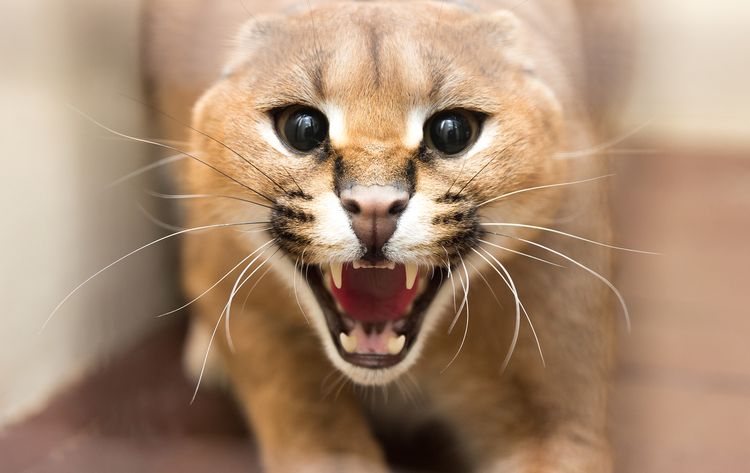
Content
Distinctive features of animals
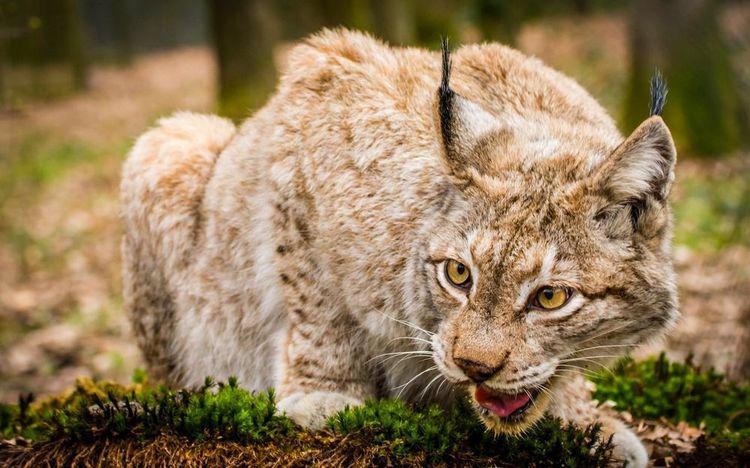
The lynx is a wild predator found on most continents. It is a powerful predator, standing up to 70 cm tall and weighing approximately 30 kg. Domestic cats that resemble lynxes share most of the following characteristics:
- strong limbs with thick fur;
- round head;
- short tail;
- "protective" coat color with camouflage spots on a red, gray or brown background;
- Tufts on the ears, which, according to some zoologists, improve the hearing of predators.
Unlike wild animals, lynx cats are fully adapted to coexisting with humans and do not show aggression towards family members, which is associated with defensive reflexes in predators.
Domestic lynx cats
Today, there are several cat breeds that share the characteristic "lynx" appearance, yet are quite distinct from one another. Some were developed by crossing domestic cats with wild cats, while others are completely unrelated to their wild ancestors.
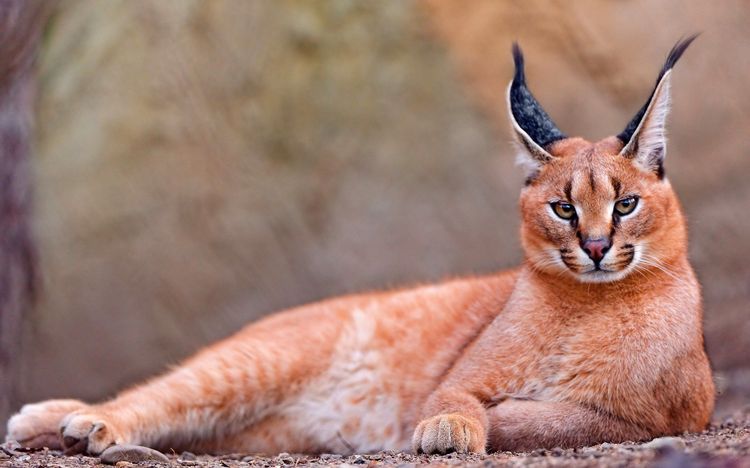
Caracal
Caracal The Caracal is a lynx-like breed distinguished by its large build. It descended from wild caracals, predatory mammals of the lynx family. Unlike their wild relatives, domesticated caracals are slightly smaller: they can reach a height of up to 50 cm at the withers and weigh 11-19 kg. However, they still have long ear tufts and short, dense fur with white and black markings.
Important! The caracal's diet is based on meat. An adult caracal can consume up to 1 kg of this product per day.
To acquire a caracal kitten, you will have to pay at least 400 thousand rubles.
Karaket
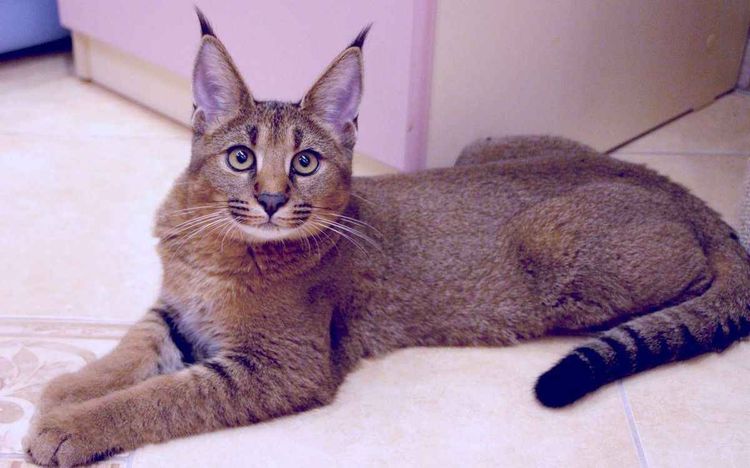
This is a sort of miniature version of the caracal, also with tufted ears but with a softer, more affectionate nature, resulting from crossing an Abyssinian cat and a caracal. The first kitten karaket Born in 2007, this breed has a small muzzle, black ears, and a beautiful coat. Their muscular build allows them to jump high, while their ancestral genes give them endurance, keen hearing, and a strong digestive system capable of digesting heavy food. Currently, this breed is very rare, making it one of the most expensive in the world.
The price of Karakets starts from 800 thousand rubles.
Pixie-bob
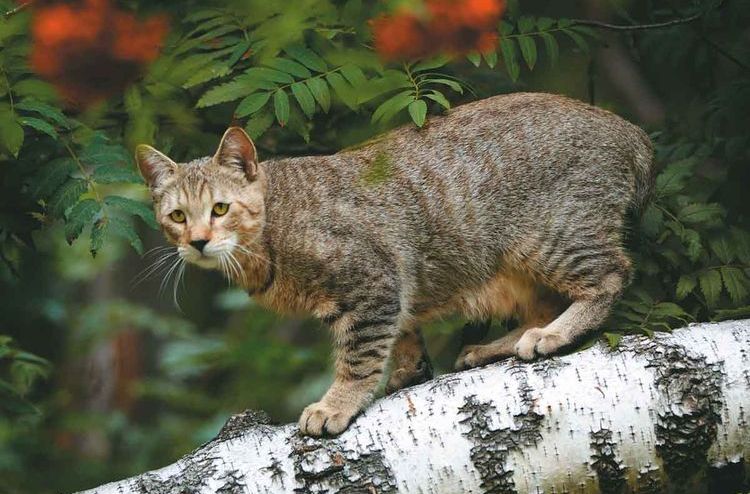
This is the most common breed, which can be considered a true, albeit smaller, version of the lynx. It originated in North America through crossbreeding of domestic cats with their wild relatives. The result is an animal with the personality of a calm house pet and the appearance of a predator: pixie-bob has tassels on the ears, a spotted coat, and a short tail. It's this latter characteristic that gives the pixie-bob its name, which translates as "short-tailed elf."
Note! Pixie-bobs are low-maintenance, and their behavior is similar to that of a dog: they sometimes enjoy leash walks and training.
Depending on gender and pedigree, a pixie-bob kitten will cost between 20,000 and 80,000 rubles.
Maine Coon
This American breed was not artificially bred, but emerged in the state of Maine as a result of natural selection. Its name, which translates as "Maine raccoon," derives from its place of origin.
Many see in Maine Coons Lynx-like features include the obligatory ear tufts, large body, and broad head, but they are distinguished from lynxes by the presence of a long, fluffy tail. Maine Coons are considered one of the largest domestic cats, with adults sometimes weighing up to 12-13 kg. Despite their impressive size, they are quite graceful and affectionate.
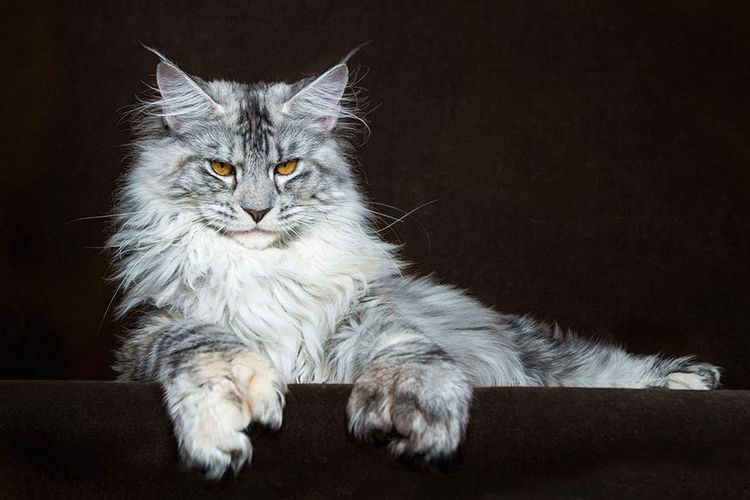
Prices for Maine Coons start at 10,000 rubles and can reach up to 80,000 rubles for animals from breeding nurseries.
Read also:


1 comment
Marusya
The pixie-bob has another distinctive feature: six toes on each paw. They are also called six-toed cats.
Add a comment