
My cat has stopped using the litter box – why and what to do?
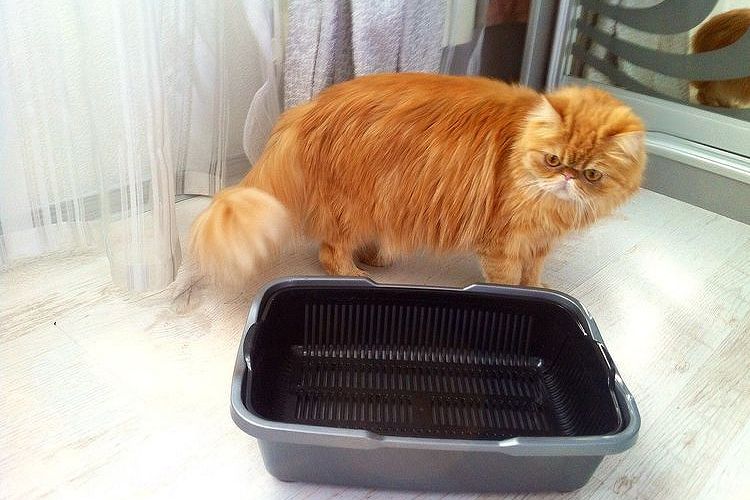
If a cat has stopped using the litter box, few owners know what to do. Some simply rush to get rid of the animal to avoid cleaning up its puddles and cleaning up excrement all over the apartment. To solve the problem, you first need to determine the cause and then look for solutions.
Content
Body characteristics and health problems
When some owners see their pet defecating inappropriately, they rush to retrain them. This approach is fundamentally flawed, as it's crucial to first determine why the cat has stopped using the litter box. Sometimes the cause lies in behavioral changes caused by natural factors or a health issue.
Hormonal changes
Well-behaved pets often begin to defecate in the corners of the house during hormonal changes. This typically occurs during puberty or sexual activity. This is the animal's way of marking its territory. This behavior is especially common in male cats.
There's no point in scolding your pet for this, as this behavior is ingrained in their nature. They genuinely don't understand that they're doing anything wrong, so it will be difficult to retrain himIf you don't plan to breed your cat, it's best to have him spayed or neutered. Some people use hormonal agents to suppress sexual activity, but this can lead to cancer and other health problems.
Natural instinct
Almost all animals have a territorial instinct. This instinct is usually absent in domestic cats, but there are exceptions. They almost always begin marking their territory, leaving puddles in every corner, urinating behind sofas, and even on the bed if another cat comes into the house. This is how they assert their right to their territory and signal to the rival to stay away from their domain.
Various pathologies
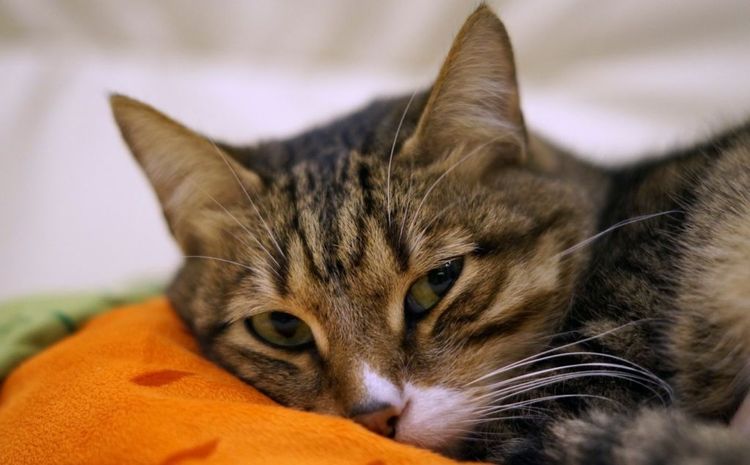
If your cat starts urinating in the wrong place, the reason may be as follows:
- Atony Urinary tract atrophy (urinary regurgitation) is a condition characterized by bladder wall atrophy. The animal is unable to control urination. This condition most often develops in older animals; less commonly, it is caused by inflammatory processes and other urinary system pathologies.
- Cystitis – inflammation of the bladder, accompanied by severe pain. Due to spasms, the animal is unable to urinate. Sometimes, it manages to do so on a soft blanket or in a secluded area.
- Urolithiasis – a condition that can lead to urinary tract obstruction. Pets also experience severe pain.
- Pyelonephritis, urocystitis and other diseases of the urinary system can cause urinary incontinence.
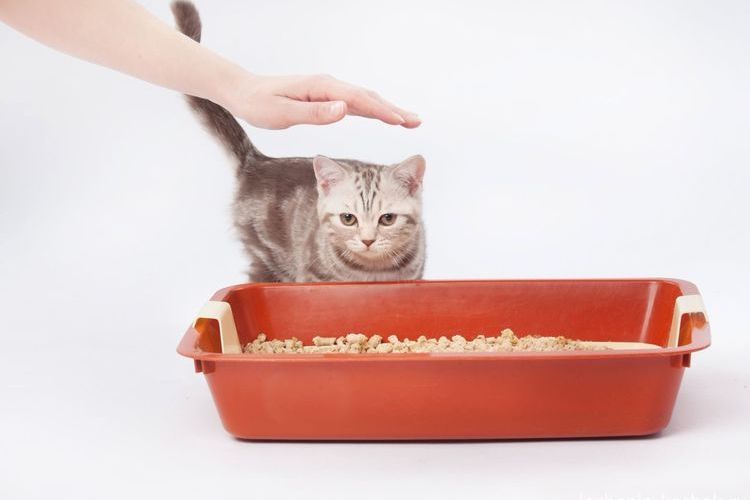
Important! If you suspect your cat has a urinary tract problem or has stopped urinating altogether, consult a veterinarian immediately and undergo the necessary examination.
A cat may stop using the litter box if it has diarrhea or constipation. In the former case, it may simply not have enough time to reach the toilet, leaving "marks" all over the house. In both cases, the cause may be improper nutrition, low-quality food, or the development of digestive problems for other reasons.
Behavioral and psychological factors
Common reasons why cats stop using the litter box include:
- Revenge. If a pet's feelings are hurt, for example, by a new child or another animal in the house, or if it is offended in some other way (by unpleasant procedures, etc.), it may defecate in the wrong place out of spite.
- Stress. After experiencing stressful events, a cat's behavior can change dramatically. This is especially common when moving to a new home, but other stressful situations can also trigger problems: guests arriving, renovations, excessive noise, visiting a pet show, etc.
- Shyness. Although this behavior is not typical for all cats, some representatives may relieve themselves only in a secluded place so that no one can see them.
Problems with the tray
If a cat has been trained well but then suddenly refuses to relieve itself in the designated area, the problem may lie in the litter box. The following factors can cause problems:
- Dimensions and shape of the tray. When choosing a litter box for your cat, consider its size and personality. While a low-sided litter box is ideal for a kitten, a spacious litter box with ample space for digging is best for an adult cat. Some pets prefer privacy, so it's best to choose a litter box for them. closed structure.
- Changing the litter box. If you decide to treat your pet to a new litter box, they may not approve, even if the size and color are identical to their previous litter box. They may protest by defecating in the corners.
- Tray location. Place the litter box so that the cat has free access to it, but at the same time choose a secluded and impassable place.
- Filler. If a cat is accustomed to a certain type of litter, changing it can have dire consequences. Sometimes, on the contrary, the animal dislikes the litter, so you'll have to experiment with different types until you find the perfect one.
- Cleaning the tray. Cats often refuse to use the litter box if it's dirty. The smell of detergent or fragrance can also put them off.
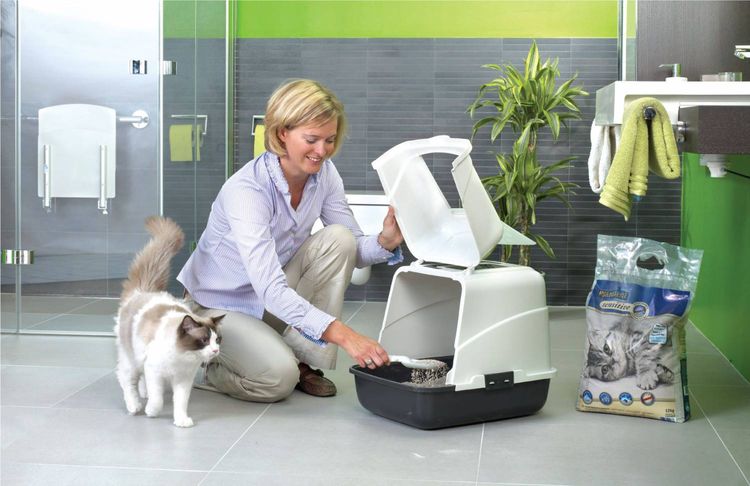
Important! If the problem is related to the litter box, there is no universal solution, as every animal is unique.
Helpful tips
If your cat has stopped using the litter box or has started eliminating feces in inappropriate places, first rule out medical causes. Consult a veterinarian for the necessary examination and, if necessary, treatment.
In other cases, use these simple tips to solve the problem:
- Experiment with trays and fillers if necessary.
- If you have multiple cats in your home, provide multiple litter boxes to prevent competition.
- In a large house, it is better to place cat litter boxes in different places.
- When cleaning the litter box, avoid using strong-smelling detergents. A neutral scent is best.
- Block off areas where your cat defecates. If this isn't possible, use a cat repellent.
- If you notice that your cat wants to go to the toilet (for example, it starts digging), take it to the designated place.
Hitting an animal or shoving its muzzle into its feces is not a good idea. Fear can only make the situation worse. Scolding a pet is only appropriate if it's caught red-handed. Otherwise, it won't understand why you're yelling at it.
Read also:


Add a comment