
My cat won't drink water: what to do
One common concern that cat owners bring to their veterinarian is that their pet is drinking too little water, or not drinking at all. This concern is justified—dehydration is indeed harmful to a cat's health. It's helpful to know why a cat refuses to drink water and what steps owners can take to prevent unpleasant consequences.
Why does a cat need water?
Unlike other animals, felines—tigers, lynxes, leopards, panthers, and other species of this genus of predators—can survive on small amounts of fluid: they lose less water through respiration than, for example, canines. However, even for cats that drink little, water is vital; water balance directly impacts their vitality and survivability.
An inorganic compound called hydrogen oxide makes up 65% of a cat's body weight. Water is part of the structure of cells and extracellular fluid, transports nutrients and oxygen to tissues, and is involved in thermoregulation. If natural fluid loss is not replenished, it can lead to metabolic disorders, and prolonged dehydration can lead to irreversible changes in internal organs and death.
Daily requirement A cat's body water requirement is approximately 60 ml per 1 kg of body weight. This means that a three-kilogram cat needs half a glass of fluid per day. This includes both the clean water the cat drinks and the water contained in wet food or soup.
Reasons why a cat may refuse to drink
Possible reasons for a cat's refusal to drink water may include:
- The body gets the necessary amount of fluid from food. This is quite feasible if your cat prefers homemade soups to ready-made dry food.
- Unpleasant odor or taste of water. A cat may refuse to drink from a dirty bowl or water that's been in there so long that it's stagnant and smells foul. Cheap plastic bowls can impart an unpleasant taste. Some cats can't stand the smell of chlorine, which is often present in tap water.
- Keep the water bowl close to the litter box. Cats have a keen sense of smell, and water has the ability to absorb odors.
- The water is very cold. This is a rare reason for cats to refuse to drink it—even ice-cold water warms up quickly indoors.
- A change of environment. Moving to a new home is stressful enough for an animal. And in most cases, a change in residence is accompanied by a change in the taste of water. If a cat has lived in the countryside and is accustomed to drinking soft well water, it will have a hard time adjusting to the hardness of city water.
The most dangerous reason a cat refuses to drink water is illness or injury. This could be a bone stuck in the throat or an illness accompanied by vomiting, diarrhea, or swelling. In this case, dehydration occurs much more quickly, and along with fluid, the body loses essential macro- and micronutrients, which are very difficult to replace.
An animal's drinking regimen requires special attention during the postoperative period, particularly after sterilization. Experts recommend withholding water for three hours after recovery from anesthesia. This is approximately the time it takes for the swallowing reflex, suppressed by narcotics, to recover and for any nausea to subside. If a cat is unwilling to drink for more than 24 hours after surgery, subcutaneous or intravenous saline injections are given to prevent dehydration.
If your cat refuses to drink water within two days of surgery, consult your veterinarian immediately. They will conduct a thorough examination, including taking the temperature, examining the mucous membranes, palpating the abdomen for any lumps, and ordering laboratory tests if necessary.
What to do
If your cat is healthy, there are many ways to encourage them to drink water. Here are a few:
- Water should be fresh and changed at least once a day. It's best to give water purified with a carbon filter. Don't give cats boiled or distilled water, as constant consumption can damage their teeth.
- Glass or stainless steel are the best materials for drinking bowls—they are odorless and easy to clean. Read more on our website. automatic waterers for cats.
- Place for a bowl with water should be easily accessible to the cat.
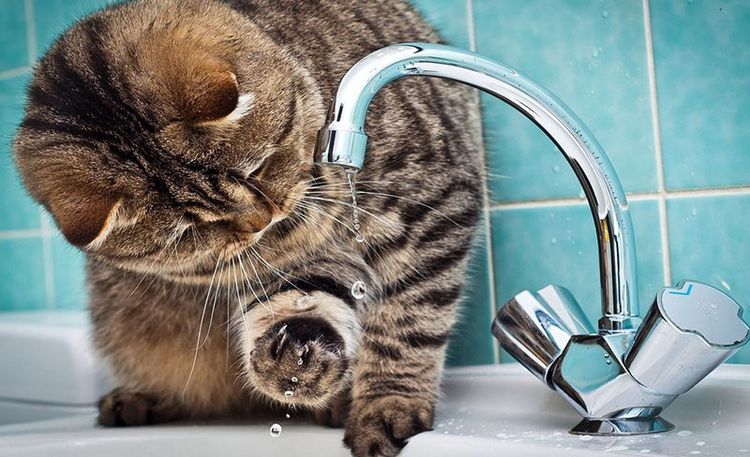
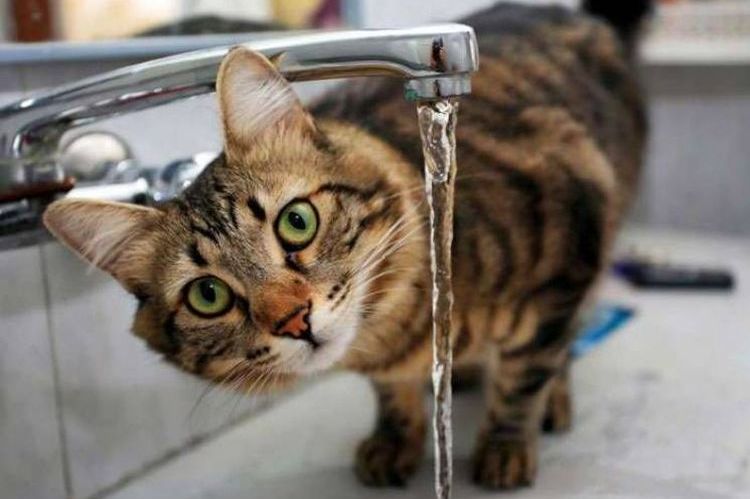
- If your pet is new to your home and hasn't yet gotten used to the new environment, let them choose the best water dish. Place several water bowls of different sizes, colors, and shapes around the apartment. If you have the desire and opportunity, you can install a fountain with running water. Alternatively, place your cat on the edge of the sink and turn on the faucet.
- If your pet loves dairy products, try giving him a mixture of milk and water.
- Water can also be added to wet food (to create something like a soup), or dry kibble can be soaked thoroughly before feeding to the cat.
- Place frozen bouillon cubes in the cat's food bowl. Attracted by the smell of chicken or meat, your cat will happily lick them, thus obtaining liquid.
- In extreme cases, the cat can be forced to drink several times. To do this, use a syringe without a needle to force water into its mouth, directing a gentle stream at the back of its tongue. This must be done carefully to prevent choking.
Don't panic if your cat doesn't seem to be drinking at all. It's quite possible they're doing it "sneaking in," finding a water source in an unfamiliar place: a puddle outside, a bathtub, or even a toilet. To check for dehydration, veterinarians usually use a simple test. Grasp your cat's neck skin with your fingers, gently pull, and release. If the skin fold pulls back easily and quickly, your pet is definitely not dehydrated.
By following the advice above, you can eventually get even the most picky cat to drink as much as her body requires. But if, despite all your efforts, your cat still refuses water, she may be ill and need veterinary attention.
How to get a cat to drink water: video
Read also:
- How to give a cat an enema at home
- My cat drinks a lot of water: why and what to do
- Intestinal volvulus in cats: symptoms and treatment


Add a comment