
DIY Plasticine Cat
Sculpting is not only a fun but also a very rewarding activity for children. While creating three-dimensional figures, kids learn to recognize geometric shapes, match colors, and develop their imagination and fine motor skills. Animals are particularly popular subjects for creative play. Using play dough, it's easy to create a figurine of a pet or a favorite cartoon character. We've prepared several master classes showing how to sculpt a cat from play dough.
Content
Option 1: A kitten made from a balloon
Perhaps the easiest way to make a plasticine cat with your own hands in a matter of minutes is to mold it from a balloon.
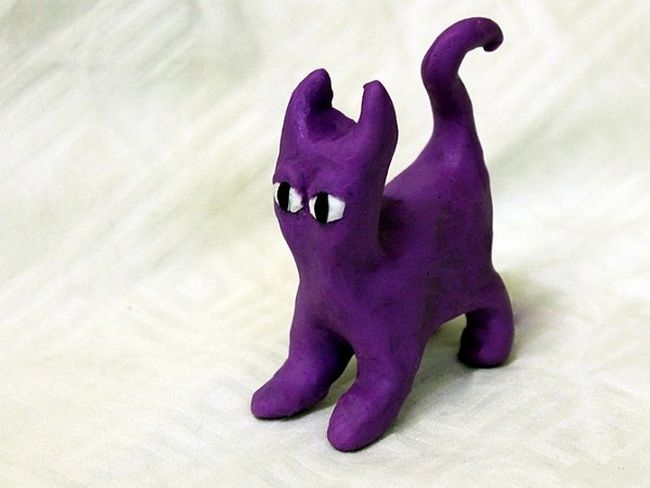
First, cut a piece of plasticine the size of 2/3 of the bar and knead it in your palms.
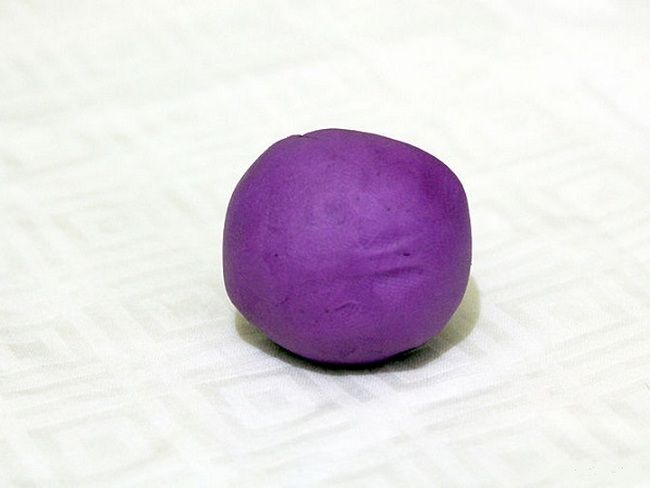
Once the material is soft and pliable, form it into a ball. This will serve as the base for the figurine's body. Form four identical appendages from the ball by pulling them out—the four legs—and two appendages on opposite sides of the ball—the head and tail.
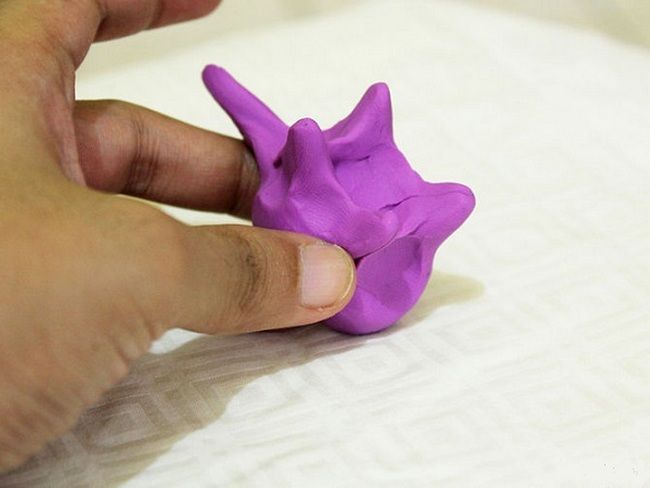
Work on each detail of the figurine one by one until it takes on the desired shape. The head piece should be slightly larger than the others. It ends with two triangular ears.
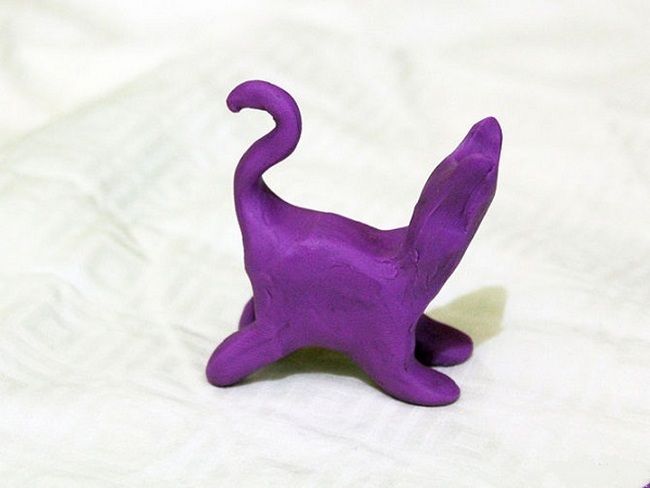
Make the front legs slightly bent and the back legs straight. Extend the tail slightly and curl it into a hook. To shape the kitten's face, form two small balls of white play dough. When choosing the eye size, keep in mind that too small eyes won't give the desired expression, while too large eyes will make the clay kitten look upset or even surprised.
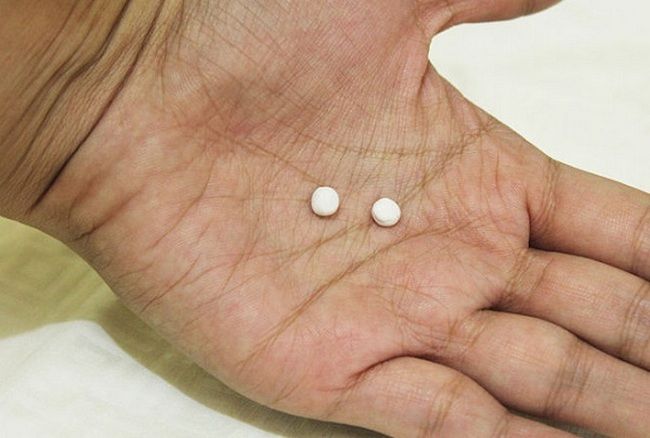
Slightly flatten the equal-sized balls and add pupils using black plasticine sausages. To carefully position the eyes, use the plastic eyeliner included with the kit. To add more definition to the look, create thin films on the upper eyelids.
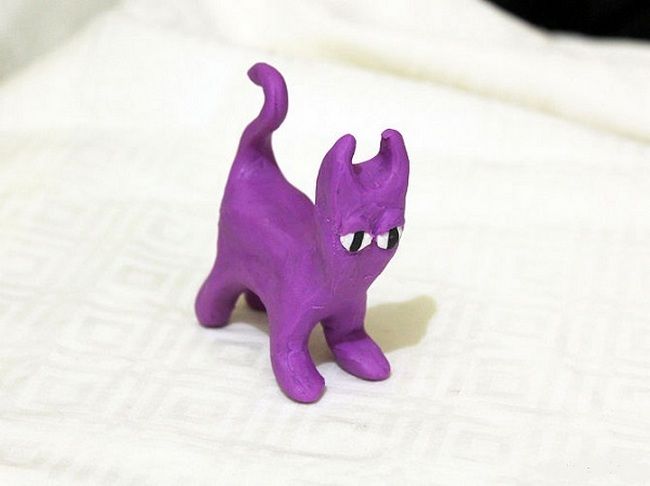
At the final stage, all that remains is to correct the shape of the ears, adjust the curl of the tail, and make the paws more stable.
Option 2: a cat with an arched back
This option is more complicated, since it involves first making individual elements and only then assembling the figurine.
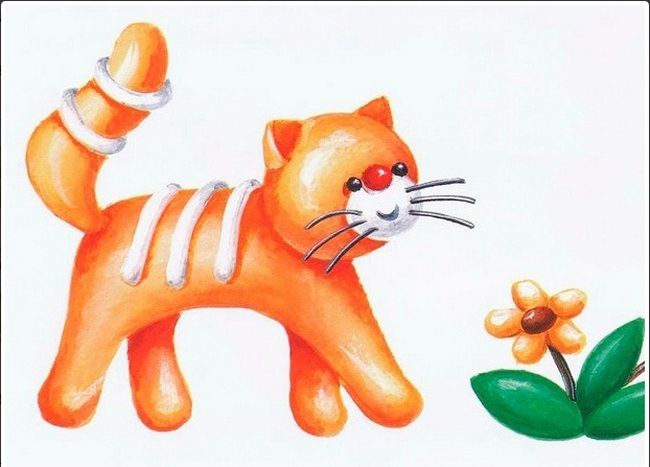
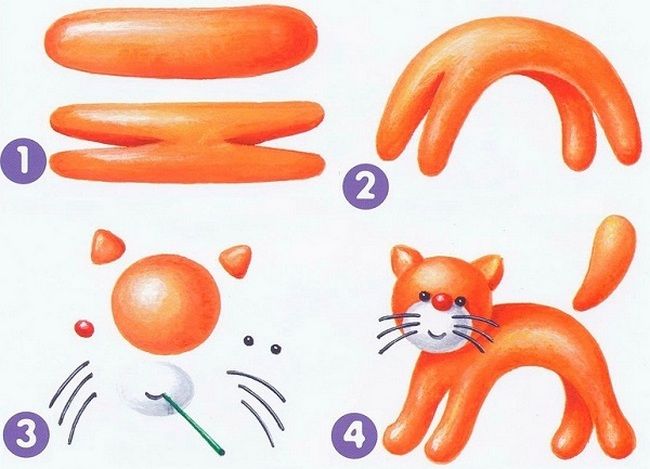
Divide the clay block into three unequal parts: the body, head, and tail. Form the larger piece into an oval, giving it a flattened and slightly curved shape. To make the animal's legs, split the ends of the block in half. The total length of the cuts should not exceed 1/3 of the block.
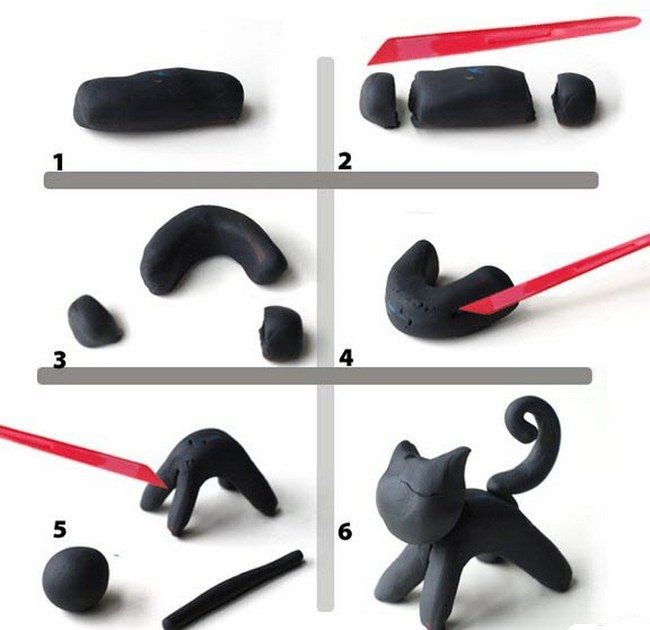
Form the paws from the separated pieces. Roll the pre-cut piece into a ball and use it to form a slightly flattened muzzle with upright ears. The ears are easily made by pinching them on either side of the crown.
From the last third piece, form a sausage, which will serve as the basis for making the tail.
The final step is to design the face. You can stick with the standard design or create a more charismatic face.
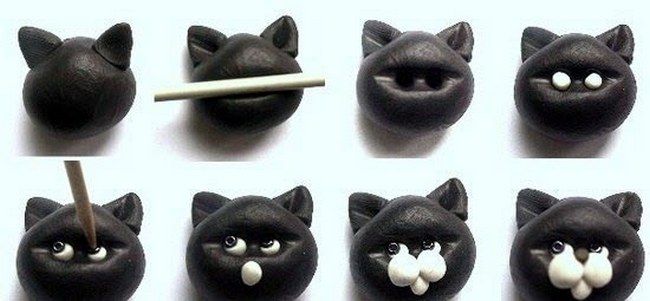
To create a contrasting color scheme when shaping the animal's cheeks and eyes, use white modeling clay. For the pupils, use a thin strip of black or green modeling clay. Whiskers and eyelashes can be easily made by pressing the side of a toothpick into the shape.
If desired, you can add toe and claw details to the paws. This is easily done using the same toothpick.
Option 3: Puss in Boots
Children love listening to fairy tales and imagining what fictional characters are like in real life. So why not make one of them? Take Puss in Boots, for example. We're sure many children will love the idea of sculpting this resourceful and outgoing character.
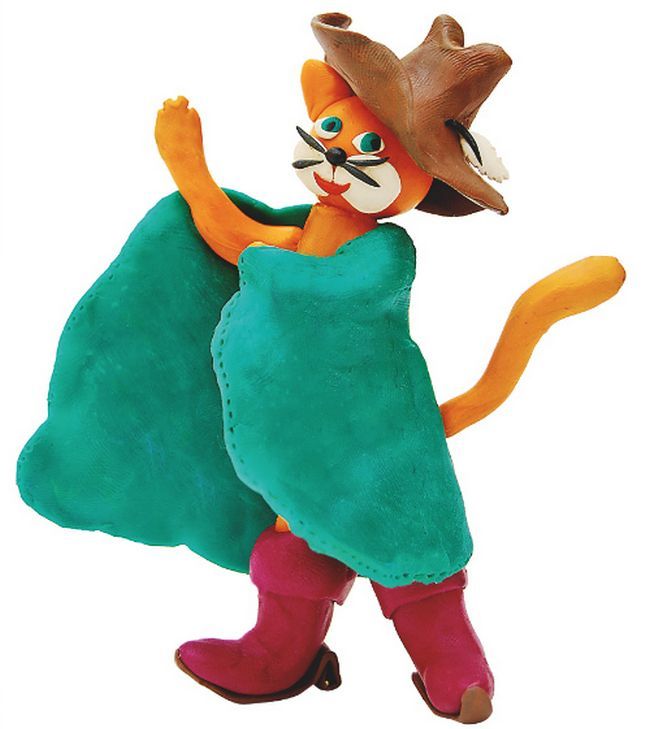
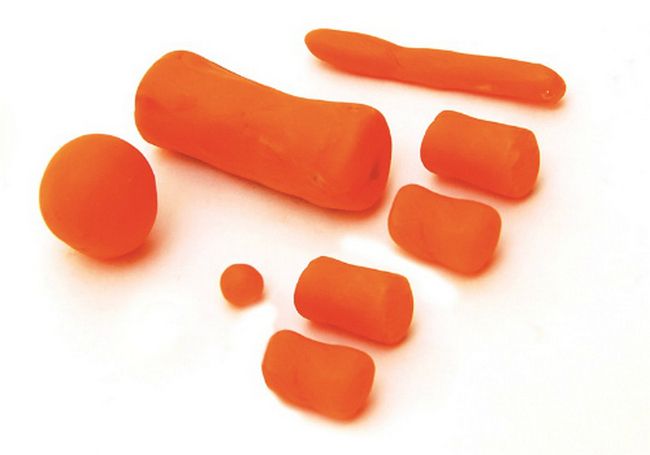
Using the desired color of play dough, form two balls with a diameter of 2.5 cm. Separately, roll a sausage shape 2 cm thick and 4 cm long. For the legs, make four sausage-shaped pieces 1 cm thick and 1.5 cm long. The smallest ball will form the base for the future ear. You will also need one sausage shape 0.5 cm thick and 5 cm long for the tail.
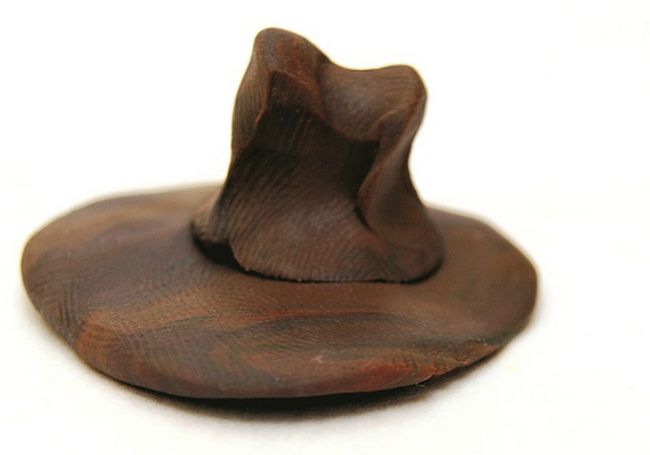
To make the hat, use play dough in a contrasting shade. Form it into a flat circle 4 cm in diameter. Separately, mold the top of the hat into a flattened cylinder. Join the two pieces together.
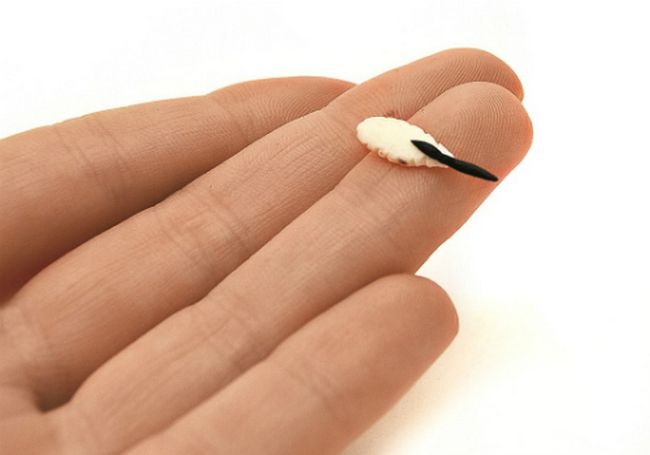
To decorate the headdress with a feather, form an oval shape out of white play dough. Use a toothpick or a stacking tool to create fringed edges. Finish one end of the feather with a thin black bolster.
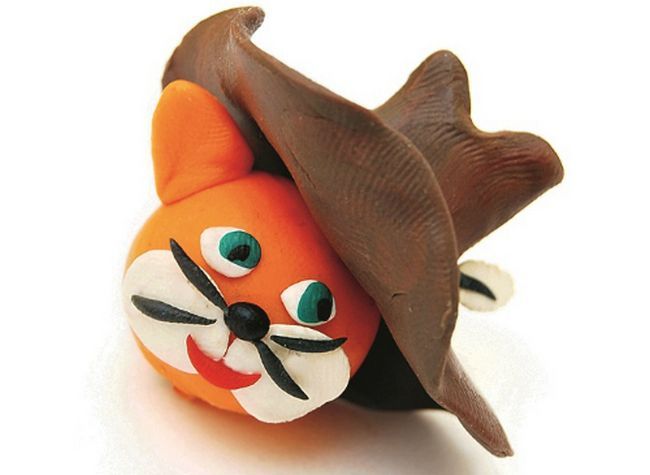
Let's start sculpting the face. Attach a flattened triangular ear to the head ball. Make the cheeks from two identically sized white balls. Make the eyes by combining white teardrop-shaped shapes with green flattened balls of the same diameter. Finally, sculpt the black nose and whiskers.
Place the headdress on the finished face and attach a white feather.

To create the figurine's feet, clad in unusual, eye-catching boots, use red play dough. Form two 3.5 cm long pieces, resembling pepper pods. Use brown play dough to create flat, elongated soles. To create the heels, roll the back edges of the soles into a roll.
Attach the boot legs to the back leg pieces. To make the joint more inconspicuous, form the boot top turn-ups from 1 cm wide flat strips.

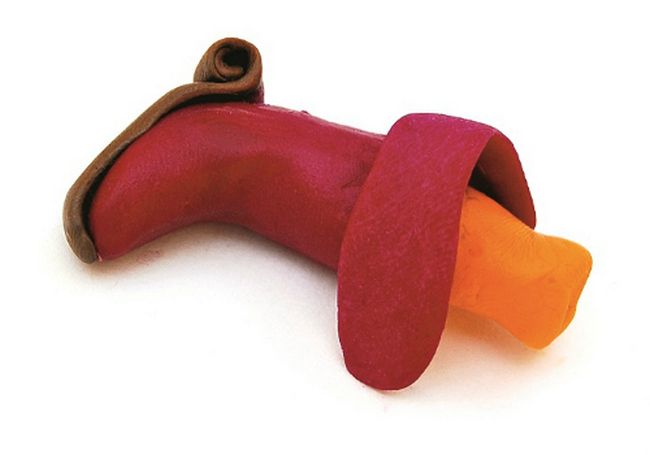
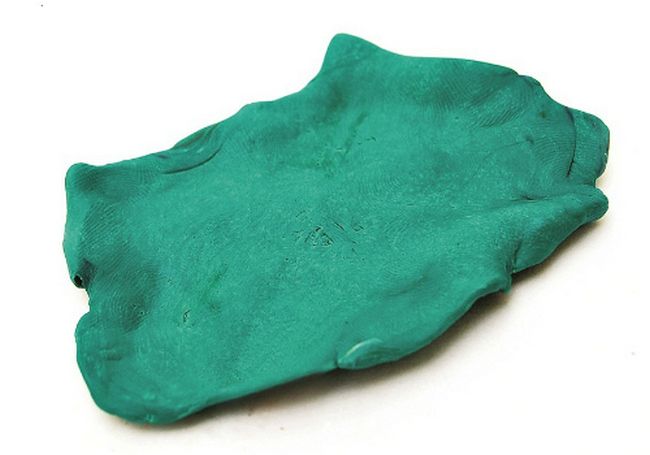
A large, contrasting cape will complete the fairytale character's look. To make it, form a thin, trapezoid-shaped mold out of plasticine, 10-12 cm wide at the base, 5-6 cm at the top, and 5 cm high.
Use the largest sausage to form the body. Attach the upper and lower legs. To make the figure more stable, use toothpicks when joining the body to the lower legs.
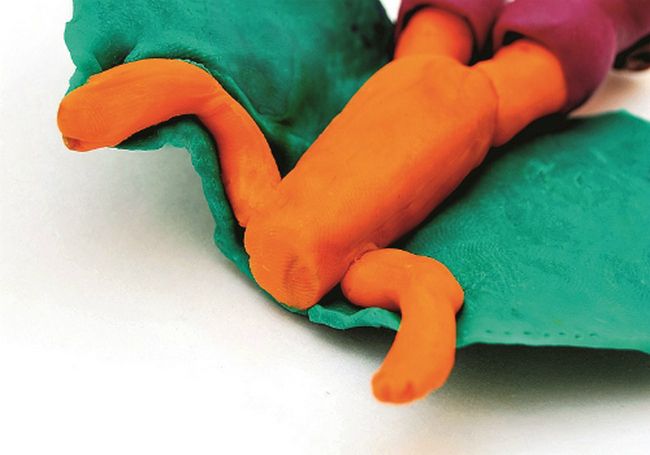
All that's left to do is place the cape on the figure, pressing it tightly against the back and the backs of the limbs. Finally, attach the head and tail. To add dynamism to the figure, raise one of the upper legs in greeting.
Option 4: A cute gluttonous cat
Why must a cat be depicted as a graceful animal? After all, we all know how much pets love treats. We'll try to create one of those.
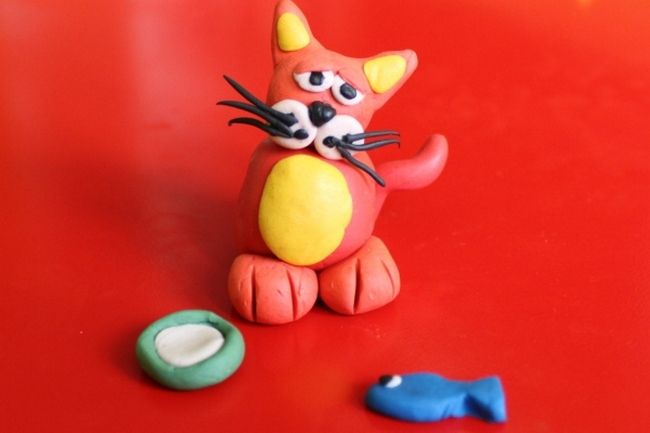
The basis for making the figurine will be 6 balls of different sizes.
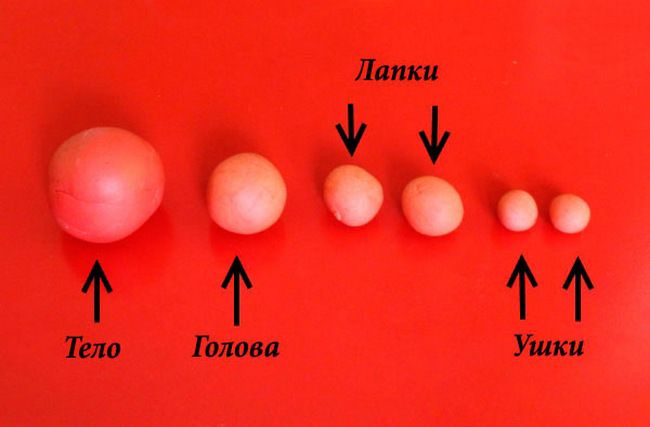
Form two flat triangles into ears from the smallest balls. Attach them to the head. Smooth the joints. Highlight the ears with an appliqué of yellow play dough.
Form the cat's cheeks from two white patties of the same size. The eyes are made from the same patties, but smaller in diameter. The nose is a black ball. Use black dots to mark the whisker growth points.
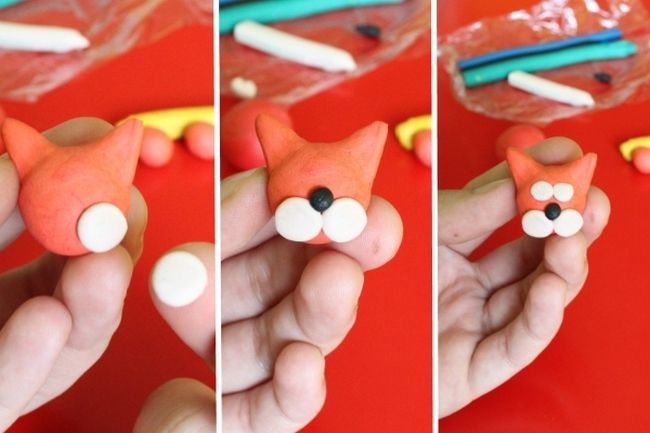
Roll out the largest ball, which will serve as the body, into an oval shape. Attach this to the head of the figurine. Highlight the belly area in yellow.
Attach the hind legs to the body, marking the placement of the upper legs with curved lines. To highlight the toes on the animal's hind legs, use a cutting tool to make shallow slits.
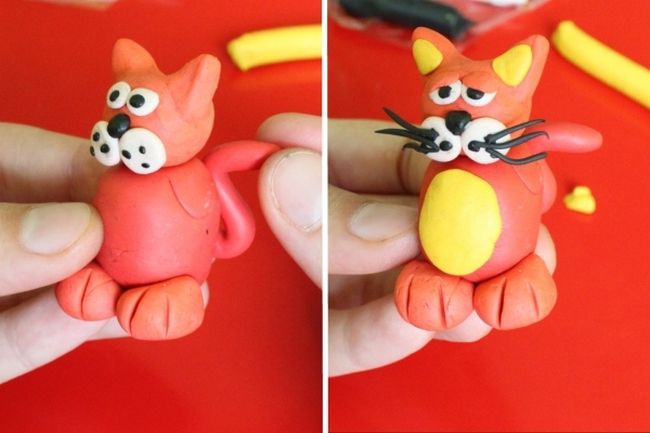
All that's left to do is make the ponytail. To do this, roll it into a sausage shape. Attach the base to the lower back, and twist the opposite end into a spiral.
Finally, we offer not one, but three video options that detail how to make a cat out of plasticine:
The subtleties of making a spotted kitten:
Read also:


Add a comment