
A cat screams at night: reasons and what to do
A cat screaming at night can be frustrating, even for the most loving and caring owner. Today, we'll take a closer look at why cats, kittens, and other cats might wake their owners with loud cries at night, and we'll also learn what veterinarians and experienced breeders recommend in such cases (when advice on how to wean your pet from being active at night is helpful, and when medical attention is needed).
Content
Why does a kitten scream at night?
When planning to get a pet, most people dream of their kitten sleeping peacefully in their arms, purring from gentle petting, playing and frolicking, delighting everyone and bringing them bright, joyful emotions. But the first days (and sometimes weeks) of a kitten's life in a new home can be far from this idealistic vision.

Reasons
A small kitten may frequently wake up at night and meow, waking up everyone in the household. The younger the kitten, the higher the likelihood of this problem.
There are several reasons for this behavior:
- Fear and stress. The baby was taken from his familiar environment, there is no mother or other kittens nearby, there are strange smells around, he is often picked up by people who are still strangers to him.
- Hunger. Kittens up to 3 months old need to eat 4-5 times a day. Even after kittens begin to eat food independently, mothers often feed them at night. If a kitten has not been completely weaned from its mother when it moves to a new family, it will feel hungry at night, search for its mother, and let everyone know it's just hungry.
- Cold. Sleeping curled up next to a cat is warm and cozy, but in a new home, he needs to get used to sleeping in a cool, soft, and beautiful bed. The little one feels uncomfortable, can't fall asleep, and meows.
Typically, a healthy kitten won't scream constantly during the day. During periods of activity, you can engage it with a toy or tasty food.
What to do
If your baby cries at night, experienced breeders recommend:
- offer the kitten a soft toy, which will temporarily replace the sensation of a cat and can calm it down during the first days of adaptation to a new place (sometimes caring breeders give a soft toy with a familiar scent with the kitten - this works even better);
- adjust their diet (often a sudden transition to a new food causes gastrointestinal problems and discomfort in babies, which can interfere with sleep);
- distribute feedings so that the last one is given shortly before bedtime, so the kitten will wake up hungry until the morning and will gradually be able to do without a night meal;
- during the cold period, you can put a heating pad with warm (not hot) water, wrapped in fleece or other soft material, in the kitten’s crib;
- Pay more attention to your baby by keeping him busy with games (you can make toys at home), then he will get tired and sleep more soundly at night.
Why does an adult cat scream at night?
Sometimes owners are faced with the fact that a previously calm and accustomed to living in an apartment cat or kitten begins to scream at night, disrupting the sleep of the entire household and causing a lot of trouble for the neighbors.

Universal reasons
In some cases, the reasons are the same for animals of both sexes:
- NightlifeCats are nocturnal animals, with peak activity early in the morning, according to our clocks. Therefore, they often wake their owners with loud noises between 4 and 6 a.m., demanding treats and attention. Correcting this behavior is an important step toward a comfortable and peaceful life.
- StressOverexcitement can be caused by moving, loud noises from neighbors' apartments undergoing renovations, the arrival of a new family member or pet, significant changes in the owners' lifestyle, their departure, and other similar reasons.
- Lack of attentionWhen acquiring a cat or a cat of an active breed, it's important to understand that the animal will require daily active play, physical, emotional, and even intellectual stimulation. If the pet doesn't get the necessary level of activity, it will experience emotional outbursts (for example, when a cat meows at night for no apparent reason).
- HungerEvening feeding is very important for cats, as some animals do not tolerate long breaks between meals well.
- Full traySome cats loudly signal to their owners that their litter box needs cleaning, and they do so at any time of day.
- PainIt's possible that your pet's anxiety may be due to pain. Typically, in such cases, the animal doesn't just meow, but thrashes around and appears frightened.
To solve the problem, first of all, you need to observe your cat and figure out why it meows at night. If the cause isn't obvious, it's worth contacting a veterinarian for an examination.
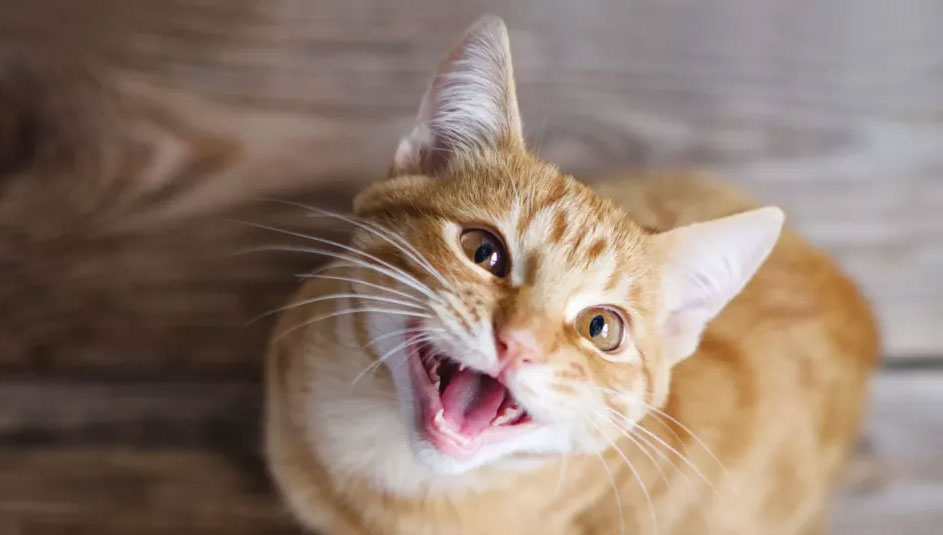
A breeders' forum offers the following advice on what to do with a screaming cat, unless it's in heat:
- Pay more attention to games during the daytime.
- Review your pet's diet; perhaps it should be given more food in the evening.
- Purchase an automatic feeder (if your pet cannot resist eating at 4 am).
- Minimize stressful situations (if there is a new pet in the house, do not separate them at night with the same door at first).
- Buy your cat a catnip ball, another stress-relieving toy, or a catnip-scented litter to help him relax while he sleeps.
- Give it before bedtime mild sedative (Use any medications only after consulting a veterinarian!)
Why does an adult cat scream at night?
A separate issue is the unneutered adult cat who screams at night due to a hormonal surge during the onset of heat. When a young cat's nocturnal hyperactivity first occurs, owners often struggle to figure out what to do with a pet that previously behaved appropriately and didn't cause any problems.
Typically, the first period of "sexual hunting" in cats occurs at the age of 7-8 months.
At the same time, the animal’s behavior changes noticeably and cats begin to:
- call the cat (since the peak of activity occurs at night, the cat screams the most at night);
- marking territory (a characteristic unpleasant smell can be heard in all corners of the house, although previously the young cat regularly went to his litter box);
- show aggression towards other animals and family members, try to dominate;
- rush to go outside (the animal may rush out of the open door in search of adventure and not find its way home).
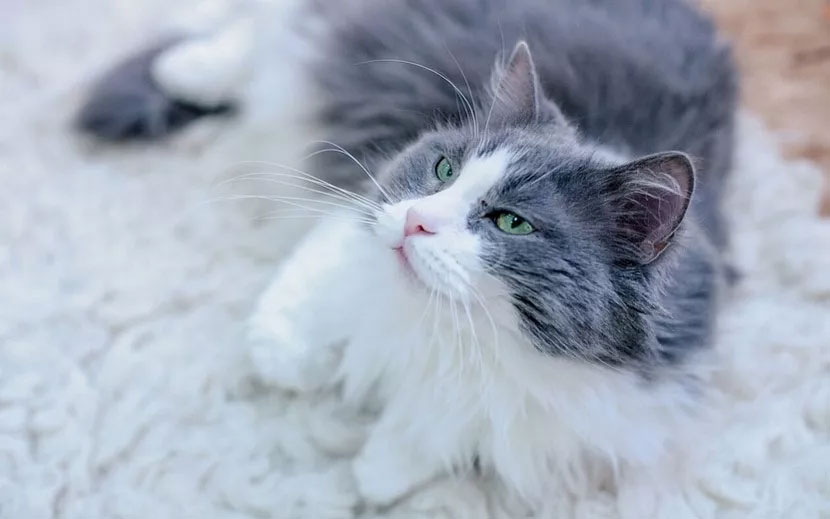
While in many other cases it's possible to train a male cat to stop screaming at night, most advice won't work with "heat," as animals are driven by instinct. The situation is complicated by the fact that male cats, unlike female cats, experience a hormonal surge that lasts for more than a short period. A male cat can actively search for a female for up to a year, losing weight, becoming unkempt, and causing a terrible nuisance to their owners and neighbors with their screaming. The symptoms will be especially pronounced if a female cat in heat lives in your apartment (or even a neighbor's).
Neutering is the optimal solution for cats whose owners don't plan to breed. A neutered cat becomes calmer and more affectionate, as his body isn't plagued by hormonal surges.
If the owners are against castration, there are only three options to get rid of the constant screaming:
- Provide the stud with a sufficient number of females for his activity level (usually such cats are mated 3 times a month with a break of at least 20 days).
- Allow your cat to free-range to solve its problems (for obvious reasons, this is not suitable for expensive pedigree pets or cats living in city apartments).
- The use of hormonal drugs (as with any other medication, chemical castration can only be used after consultation with a doctor, constantly monitoring the health of the pet).
Why does an adult cat scream at night?
During the heat period, the cat also screams invitingly, and most often not only at night, but also during the day.
A cat usually goes into heat for the first time at 6 months of age. Since cats are very clean, you won't notice any discharge, but your pet's behavior will change.
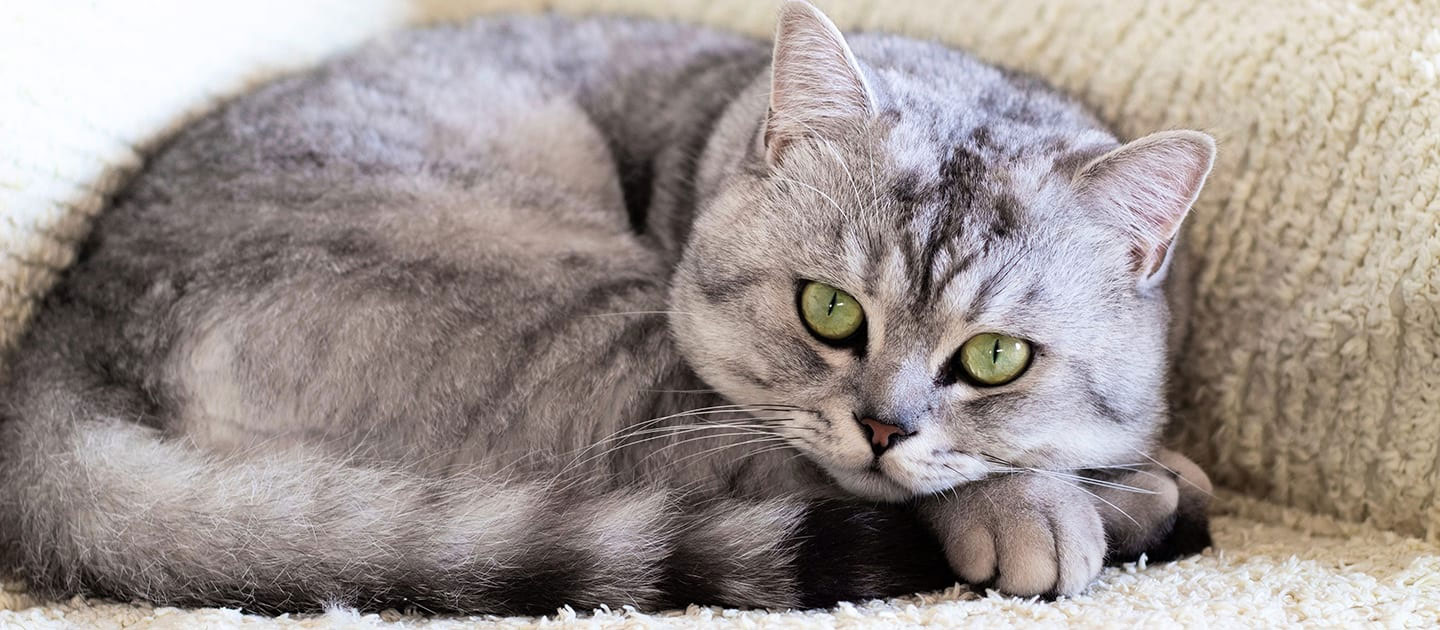
During this period, cats experience:
- increased affection, desire to rub against the owners and furniture;
- calling cries (can last up to several weeks);
- decreased appetite (up to complete refusal to eat);
- the need to mark (yes, cats do this too, so if you find a wet spot on your bed, don’t think that the animal is taking revenge on you for something – it’s just following instinct);
- the desire to run away from home in search of a partner.
Naturally, a spayed cat doesn't cause such problems for its owners. Many clinics perform the procedure laparoscopically, which significantly shortens the animal's recovery period. Learn more about laparoscopic sterilization of a cat Read our article.
If surgery is medically contraindicated for an animal, or the owners want to have kittens from a purebred pet, various methods can be used, from sedatives to hormonal therapy. Learn more about the available options. Alternatives to surgical castration of a male cat and sterilization of a female cat, read the materials on our website.
Veterinarian's advice
For more information on how to stop your cat from screaming at night, watch this video:
Read also:


Add a comment