
Hyperactive cat: what to do and how to calm it down
When you brought a small kitten into your family, you dreamed that with age it would grow into a luxurious, handsome creature, lounging sedately on the sofa, gazing languidly at everyone with its incredibly beautiful eyes. But months or even years later, your pet is running around the house like a madman, continuing to cause damage? Let's figure out when it's safe to say a cat is hyperactive, what to do with such an animal, and how to calm or retrain it.
Content
The concept of hyperactivity
From a medical point of view, "hyperactivity" is a disorder of the nervous system in which excitability is significantly increased, reactions to situations are often unproductive (and sometimes even inadequate), and the animal's motor activity significantly exceeds the norm.
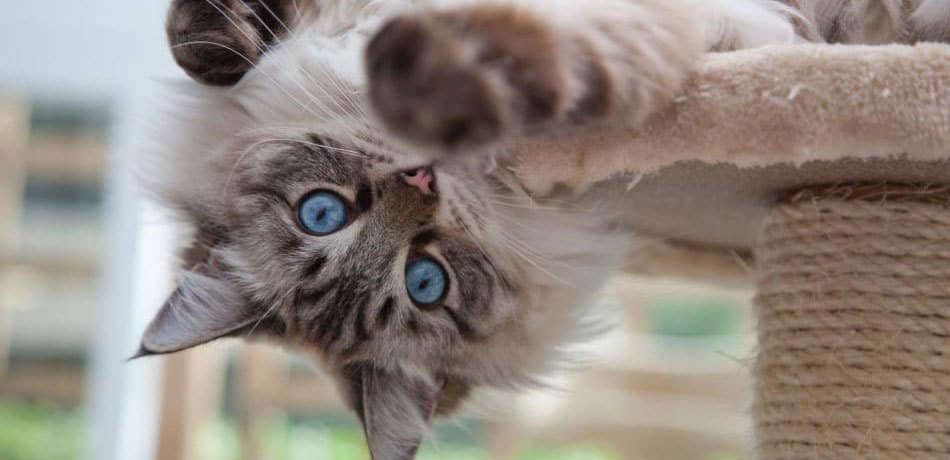
How can you tell if your pet is simply playful, very active, or hyperactive (which is already a diagnosis)?
Important! It's important to note that cats are nocturnal animals, and activity at night is not, in itself, a diagnosis. Also, active play with elements of hunting is normal for kittens during adolescence. A young kitten may accidentally expose its claws while engaged in active play.
That's why it's too early to say your kitten is hyperactive at 2 or 3 months. At this stage, it's essential to train and socialize your pet to correct any undesirable behavior.
It is possible to say that a cat is hyperactive or suffers from a corresponding nervous system disorder if the animal:
- is constantly in an excited state (almost always ready to run, attack, scratch);
- periods of rest and sleep are extremely short or almost absent (normally, an adult cat sleeps about 13-16 hours a day);
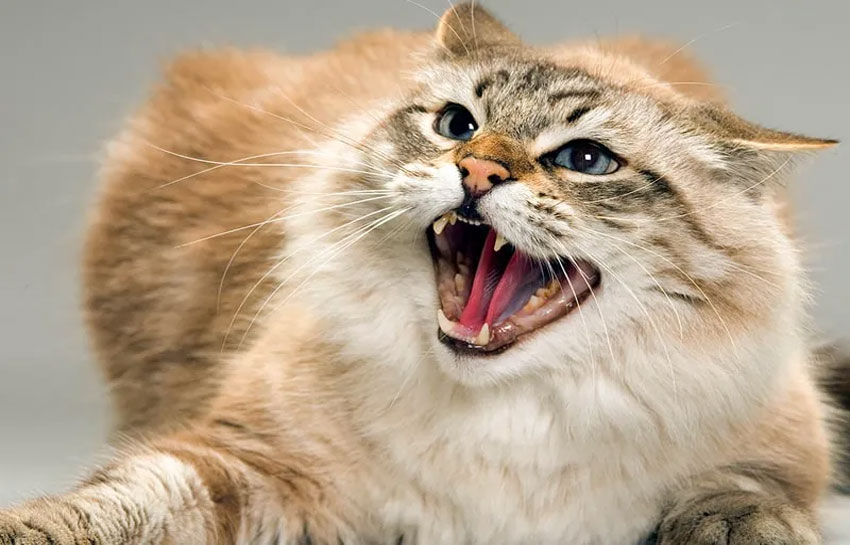
- shows unmotivated aggression (bites at any attempt at contact, hunts other animals in the house, children and owners);
- exhibits excessive activity at night (makes a lot of noise, deliberately knocks objects off shelves and tables, attacks sleeping owners, etc.);
- demands attention around the clock or simply expresses his emotions with loud screams;
- does not respond to the owner’s commands (for example, prohibiting ones);
- It is impossible to establish constructive interaction with an animal.
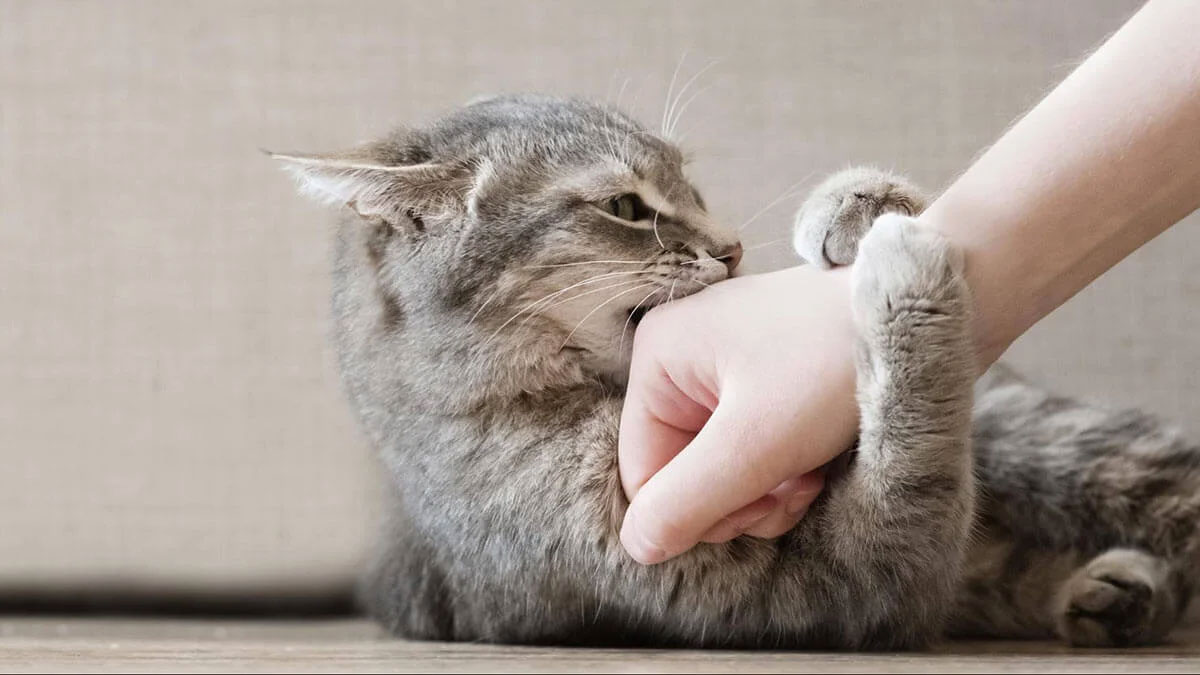
At the same time, a hyperactive cat (or male cat) often understands perfectly well what needs to be done to make the owners happy, but does not fulfill the demands placed on it, provoking more and more conflicts.
While many owners are willing to put up with torn curtains, broken vases, and nighttime jumping, constant cat screaming and teeth and claw marks that never heal force many to turn to the veterinarian to ask how to calm a hyperactive cat, and whether such problems can even be dealt with.
Causes of hyperactivity and ways to eliminate them
An overly active cat doesn't always suffer from a nervous system disorder. Increased activity and even aggression can have completely understandable causes, and by addressing these, you can correct the animal's behavior.
The period of growing up (incorrect games)
It's difficult to pinpoint a cause, but it's during childhood and adolescence that kittens exhibit the highest level of activity, explore the world, and learn to build relationships with people and other animals.
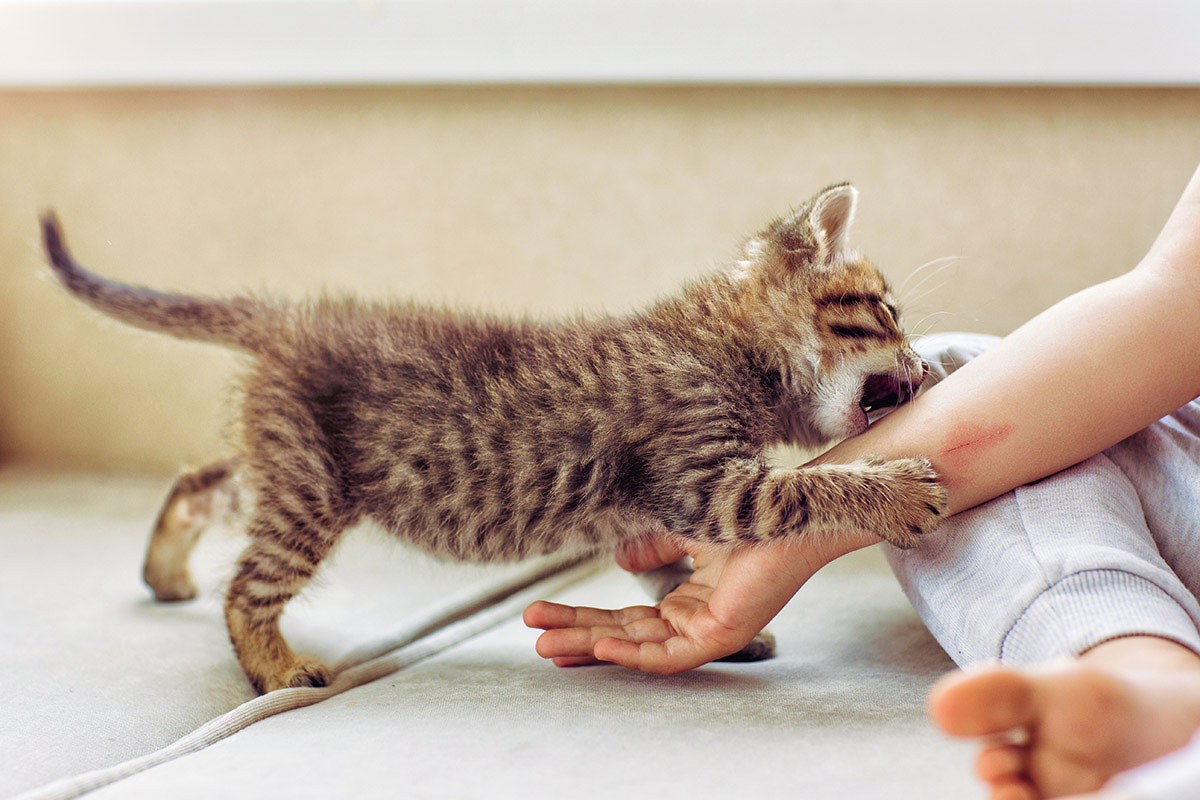
If a kitten was weaned too early and did not have the proper experience of playing and interacting with peers, it may simply not understand that using its claws and teeth in play is bad.
Important! Never respond aggressively to your pet's disobedience, stubbornness, or excessive activity.
We described in detail how to deal with this problem in the article “How to stop a cat from scratching and biting".
Lack of physical activity
Cats are predators that need to maintain a certain level of physical activity to feel good.
Even when choosing a kitten, we recommend thoroughly familiarizing yourself with the breed description, as in addition to the individual qualities inherent in each animal, there is also a breed predisposition to high or low activity levels.
The most active are considered to be:
- Bengals;
- Egyptian Mau;
- Turkish Vanir;
- Orientals;
- Abyssinians;
- Ocicats.
The most peaceful ones include:
- Persians;
- Burmese;
- British;
- Maine Coons;
- Don Sphinxes.
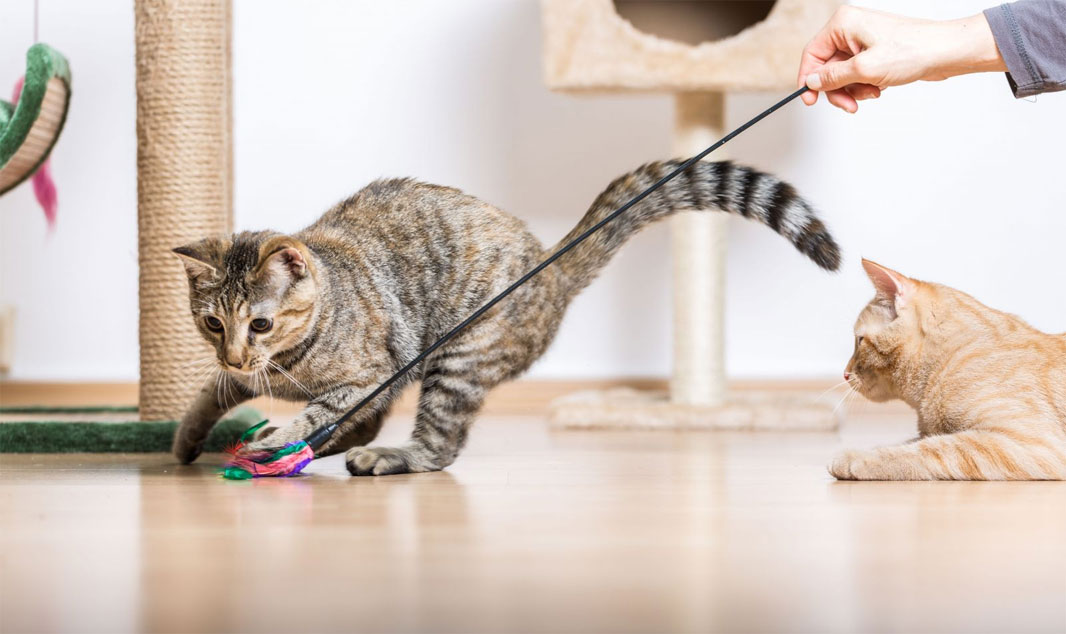
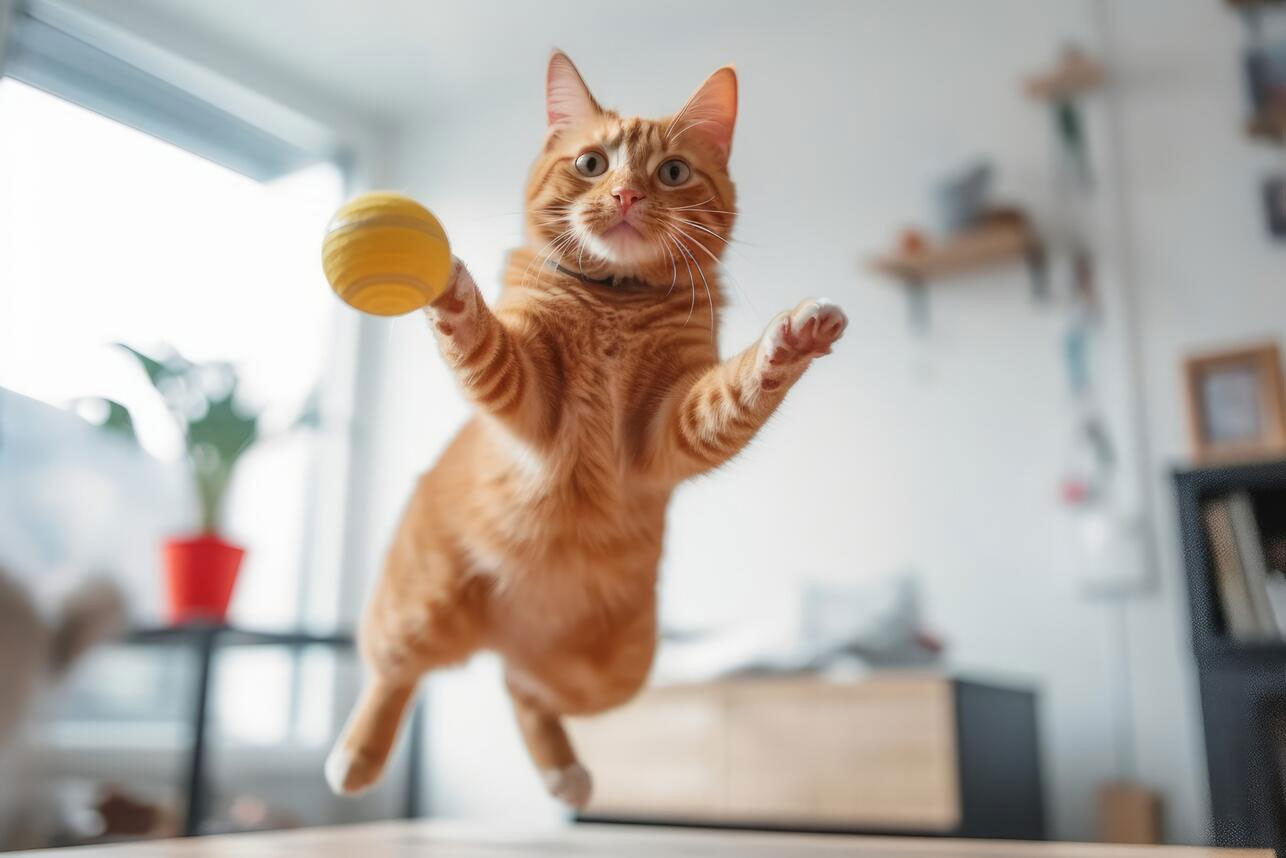
If your kitten naturally requires a high level of activity, give them as much attention as possible, offering a variety of games. If your cat spends long periods alone at home, buy them interactive toys. Tired during "proper" play, your cat will be less likely to seek out "inappropriate" entertainment.
Change of environment (stress)
Even a calm and balanced cat, accustomed to living at home, may exhibit nervousness and aggression when faced with a sudden change in living conditions:
- moving (what is an exciting trip for you is a lot of stress for the animal);
- apartment renovation (strangers in the house, extraneous noise, new smells, change of familiar surroundings);
- arrival of guests (especially if guests arrive with their pet);
- participation in exhibitions;
- illness and frequent visits to the veterinary clinic;
- change of owner, etc.
The solution is to reduce stress levels, which can be achieved by increasing human interaction (play, affection, communication, tasty food), which will give the cat a sense of security, as well as by using mild sedatives, which should be prescribed by a veterinarian.
Hormonal imbalances
The reproductive instinct is one of the strongest instincts, ingrained in animals from birth. Sexual maturity can occur at different ages in different breeds (from 8 months to 1 year or even 1.5 years).
If you're not prepared to regularly deal with your pet's screams, increased activity, and desire to leave the territory in search of a mate, and sometimes even uncontrollable aggression, then you should consider castrating or sterilizing your animal.
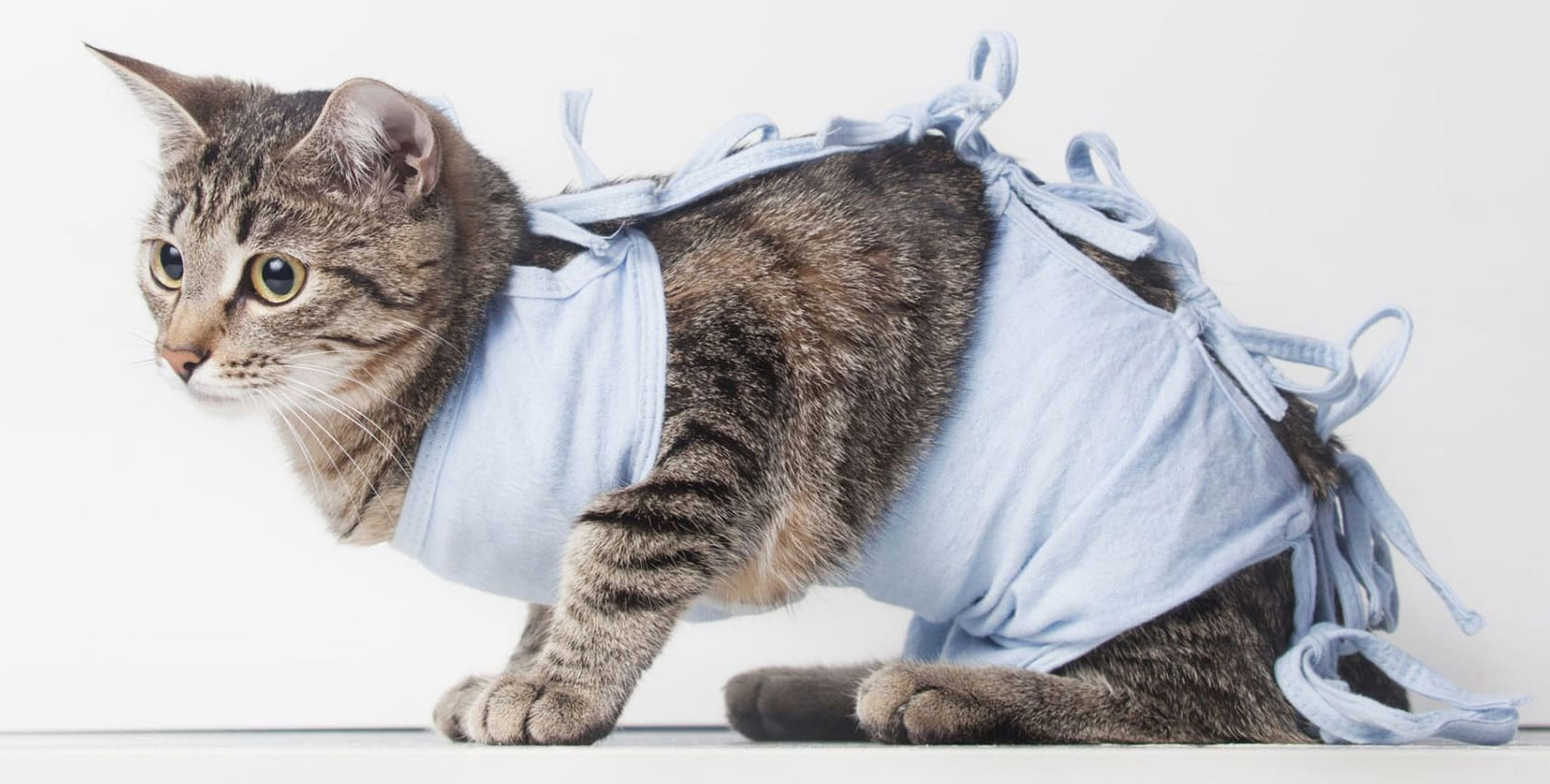
The surgery is performed in a clinical setting under general anesthesia. Recovery period:
- after castration, the cat's lifespan is 5-7 days;
- after sterilization of a cat (with abdominal removal of organs) – 14 days;
- after laparoscopic sterilization of a cat – 5-7 days.
After the procedure, not only will all symptoms that occur in female cats during estrus or male cats during mating season disappear, but the risk of a number of dangerous diseases that arise with age in animals due to constant hormonal imbalances and the absence of a partner will also be significantly reduced.
Mental and nervous system disorders
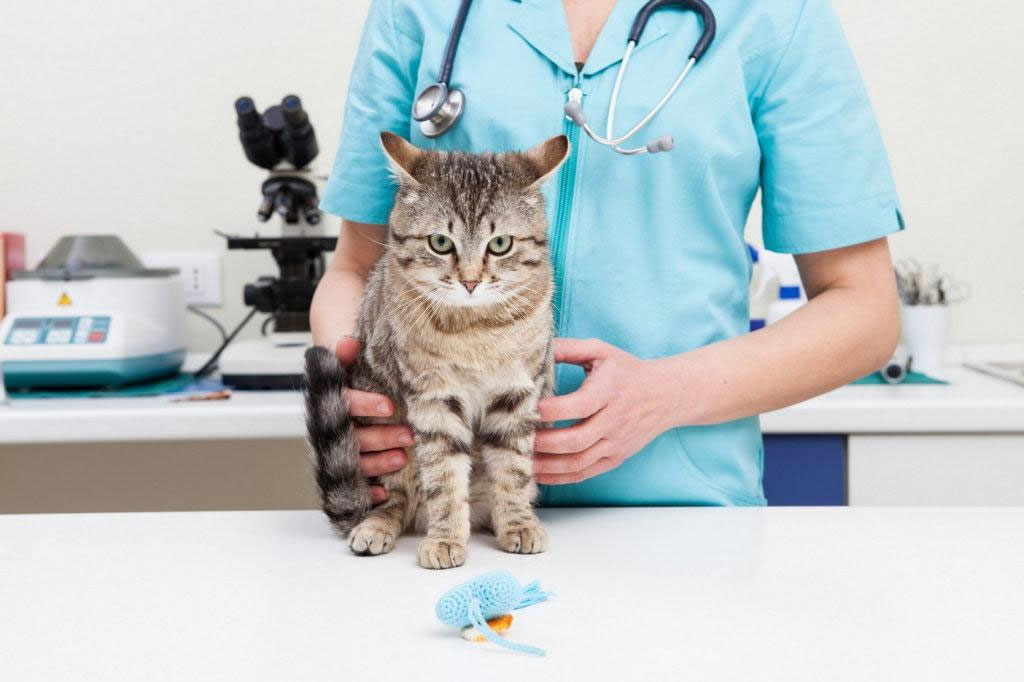
It is possible to say that “Hyperactive Cat” is a diagnosis only after a complete examination of the animal.
Nervous system dysfunction can be the result of various illnesses, injuries, or severe stress. A veterinarian's primary goal is to determine the cause of your cat's overactive, aggressive, and simply uncontrollable behavior, as the success of further treatment depends on an accurate diagnosis.
Just like humans, cats can experience:
- hysteria, neuroses, attacks of aggression;
- cerebrovascular accidents and even strokes;
- pathologies of the vertebral discs (usually as a result of injuries);
- inflammation of the meninges (meningoencephalitis).
If a previously calm and balanced pet suddenly changes behavior, you should contact a veterinarian as soon as possible, as unmotivated aggression and hyperactivity can be a sign of a disease as dangerous to humans as rabies!
If any of our readers have successfully overcome a period when their cat or kitten was hyperactive, please share your advice in the comments and tell us how you dealt with this problem and what caused it.
Advice from experts
Read also:


Add a comment