
Cats have white discharge in their litter box: causes and treatment
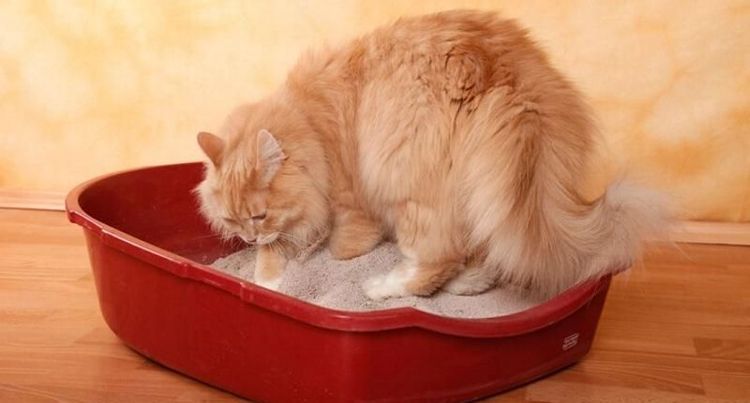
Discharge in cats is a normal part of the body's response. However, depending on the color, appearance, and presence of other symptoms, it may indicate a serious illness or other health problem. Therefore, if you notice white discharge from under your cat's tail, it's a good idea to monitor other symptoms and, if necessary, consult a veterinarian.
Content
Variants of the norm
What discharge in cats can be considered normal, part of physiological processes? For example, white vaginal discharge may appear in a pregnant cat in late pregnancy or during the postpartum period. In the former case, it is a sign that labor is approaching, accompanied by enlarged mammary glands and decreased activity. It is important to know that labor is on time and the cat is indeed pregnant. In the latter case, it may be due to a retained placenta or a stillborn fetus, which can lead to purulent processes.
In rare cases, white lumps (sometimes with a yellow tint) of mucous consistency are observed in the period from 3 to 6 weeks of pregnancy, when the uterus increases in size and fills with amniotic fluid, the excess of which is squeezed out.
If the discharge begins long before the planned birth, does not stop for a long time, and has an unpleasant odor, this is a reason to immediately contact a veterinarian.
Pathological processes
While white discharge from under the tail in pregnant cats is somewhat understandable, it should be a cause for concern for other animals. It may indicate one of the following infections:
- Vaginitis (vaginal inflammation). Initially, the discharge is barely noticeable because the cat frequently licks its buttocks, which is one of the characteristic symptoms of the disease. As the inflammation progresses, watery excrements are observed, which eventually turn into white, mucous discharge. Vaginitis develops due to endocrine disorders involving pathogenic microorganisms (staphylococcus, streptococcus). Delayed treatment can lead to cystitis. pyometra or endometritis.
- Chronic endometritis. Inflammation of the uterine lining (the endometrium), resulting in scanty, white, spotting. The cat typically feels well, and her heat cycles normally, but pregnancy does not occur. Even if conception occurs, the fetuses either die in utero or are born too weak. Chronic endometritis can progress to hydrometra (fluid accumulation in the uterus, which is secreted in drops, as a whitish or colorless, mucous-like discharge) and even purulent endometritis.
- Acute endometritis. The disease may be accompanied by secretions Any color, consistency, or odor. The cat becomes apathetic, avoids touching its belly, and its external genitalia becomes inflamed. Late treatment or no treatment at all can lead to the death of the animal.
- Pyometra is a purulent accumulation in the uterine cavity that most often occurs in unspayed cats after the age of 5. It can be caused by hormonal imbalances, sexually transmitted infections, medications that suppress sexual activity, or complicated births. The discharge may be whitish, reddish, or brown. Left untreated, it is fatal.
Read also on our website about what can cause a cat to have pink discharge.
Diagnosis of the condition
Since cats are fairly clean pets, owners may not immediately notice unusual excretion. However, in addition to white discharge from the anus, other symptoms may also indicate the development of pathological processes. Therefore, it's important to pay attention to signs such as:
- frequent licking of the perineum or rubbing the butt on the floor;
- refusal to eat;
- increased thirst;
- general lethargy and reluctance to play;
- elevated temperature for more than 24 hours;
- increased or difficult urination.
The first thing an owner should do is take their pet to a veterinarian for an examination and diagnosis. Only a veterinarian can determine whether the discharge is normal. This involves not only examining the animal but also a series of tests, including:
- blood tests;
- ultrasound examination;
- radiography;
- taking smears for pathogenic microflora.
The treatment process
It's important to understand that natural discharge (during pregnancy or heat) does not require treatment. Furthermore, vaginitis, which can develop in young cats, sometimes resolves on its own after the first heat or spaying.
Other diseases require specific treatment depending on their stage and overall clinical presentation. Treatment may include:
- Antibiotic therapy – to suppress the activity of pathogenic microflora and eliminate inflammatory processes.
- Corrective therapy – in case of disturbances in normal blood clotting.
- Surgery is performed to remove pus or an infected uterus and ovaries, preventing future recurrences. However, surgery is not performed on animals unable to tolerate anesthesia.
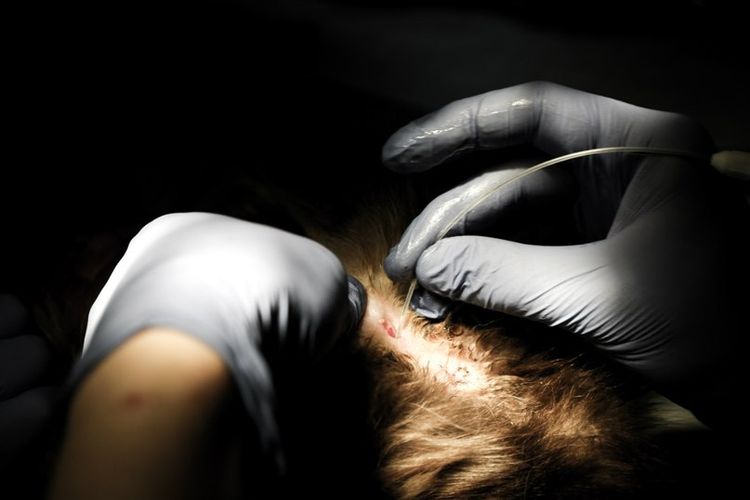
Important! Use any medications only as prescribed by a veterinarian. Self-medication can lead to irreversible consequences, including the development of malignant tumors and death.
The recovery period can last for several months, which can be extremely stressful for the animal. During this time, it's important to provide proper care and attention, which, combined with the prescribed treatment, will help stop the inflammatory process.
Preventative care is a crucial element of pet care. It's important to regularly monitor your cat's health and have her checked by a veterinarian regularly, especially before mating and after her heat cycle. This preventative care will help protect your pet from dangerous illnesses and prolong her life.
Read also:


Add a comment