
A cat wants a male cat and vice versa: what to do
Sometimes pet owners are driven crazy by their beloved cat's desire for a male cat, its screaming, and squirming. And then the owners begin searching for various ways to calm their pet down. Because listening to this wild screaming for a week isn't for everyone.
There's nothing to worry about. It's normal, a natural physiological state. If a cat isn't in heat (assuming she's not spayed, young, or pregnant), then that's a reason to be concerned and consult a veterinarian.
Estrus is a special time in the life of a healthy female mammal when she is ready to mate and become pregnant. During these fertile times, the female must attract a male. During ovulation, hormones surge, causing a change in the cat's behavior.
Content
How to tell if a cat is in heat for the first time
A cat's first heat usually occurs between 6 and 9 months of age, but some breeds may experience it earlier. During this period, the cat may become more affectionate, frequently rubbing against objects, making loud noises, and adopting characteristic postures. It's important to note that the first heat is not a signal to mate; the cat's body is not yet fully developed, and early pregnancy can be detrimental to her health.
Duration and frequency of estrus
A cat's heat cycle lasts on average 5 to 14 days and can occur every 2 to 3 weeks throughout the year, especially in domestic cats that haven't been spayed. If a cat isn't mating, heat cycles can occur at short intervals, causing stress for both the cat and the owner.
Signs that a cat wants a male cat
The cat wriggles, screams, and rubs against people and objects. She crawls almost like a worm, clinging to the carpet with her claws. She twitches her tail. If you touch her back or tailbone, she begins to arch and sag.
If you look at how long a cat wants a cat, it usually lasts from three days to a week. It usually occurs three to four times a year. However, owners often report that their cat goes for walks every two months.
What to do with a cat that wants and asks for a cat?
1. The radical method is sterilization.
There's nothing scary or unnatural about this. It's far better to operate on an animal than to make it suffer. Many people think that it's wrong to deprive a cat of the opportunity to become pregnant and give birth, since it's given to her by nature. But animals don't have some instinct that "demands" them to have offspring. Yes, there is an instinct to reproduce, to procreate. But it's heightened during heat. While women always desire children, regardless of the time of day, month, or year, cats have a "seasonal" desire. And she won't be distressed if she's spayed. She'll simply live for herself, enjoying herself. It's best to perform the surgery before the cat becomes pregnant, otherwise her hormonal levels will change. Spayed cats live longer, are calmer, and have a reduced risk of developing cancer.
2. Hormonal drugs.
Not a very good method. Yes, it's usually effective, but just imagine altering your pet's hormonal levels yourself. And it's impossible to predict how this will affect their health. Perhaps there won't be any serious complications. But there's a risk that the cat will develop tumors in the near future. Furthermore, it's no secret that if normal hormone levels in the body are altered, it affects the functioning of all organs. So, during her heat cycle, a cat may stop screaming, and her health may seem fine, but what will happen to her in six months?
Never prescribe any medications yourself, especially hormonal ones. Only after a thorough examination by a veterinarian. After all, your cat may already have small cysts, and the medication could accelerate their growth. Furthermore, dosage is very important. Therefore, it's best to discuss such matters with a veterinarian.
3. Be patient.
It's hell. For both the owner and the pet. If the owner somehow survives this week, the animal suffers greatly. It's not a very humane method, after all. So, it's best to decide right away: either breed the cat or spay it.
4. Knit.
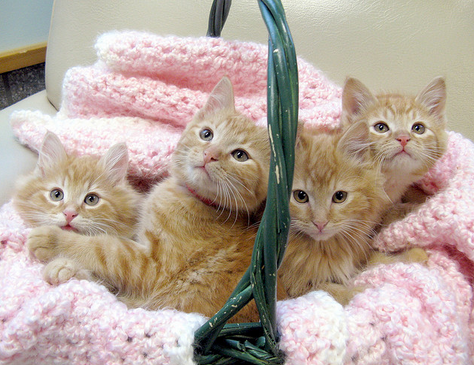
Of course, this method is good. However, there are several "BUTs." First, where will you put the kittens? It's one thing if the cat is a breeder, but then you need to think everything through in advance. The cat needs to be prepared in advance: vaccinated and dewormed several weeks before the expected heat date. Therefore, it's crucial to keep a heat calendar to plan the entire cycle. The first heat usually begins somewhere between six months and eight months. And you definitely shouldn't breed a cat during this period. It's too early. The pet's body isn't yet ready for such stress.
If your cat is a mixed-breed and there's nowhere to place her kittens, what should you do? Drown the newborns? Bury them? So, is this humane, but spaying cruel? And don't forget that childbirth is difficult for any woman's body. Therefore, not every cat can survive the process without complications. It's important to know about your cat's health in advance.
It's not just humans who need to plan their pregnancies; cats do too. A sick or weakened animal is unable to produce healthy litters. Furthermore, the kittens need to be looked after. They need to be fed and vaccinated. This incurs additional costs. If the kittens are intended for breeding, the mating must be registered through a breeding club, and the kittens themselves must be registered. These are not small expenses. And they are only recouped if the kittens are born healthy, and their mother is happy and in excellent health.
How to calm a cat at home
There are several methods that can help calm a cat during heat:
-
Games and physical activityActive games will help distract your cat and reduce stress levels.
-
Isolation from cats: Close windows and doors to prevent the entry of odors and sounds that may excite your cat.
-
Warm compressesSome owners find that warm compresses on the abdominal area can help calm the animal.
-
PheromonesUsing synthetic pheromones can reduce anxiety levels in cats.
The cat wants and asks the cat, how to calm him down?
Cat owners aren't the only ones who experience their pet's desire to procreate. An unneutered male cat begins to desire a female cat as soon as he reaches sexual maturity. This hormonal surge leads to behavioral changes. yells, becomes aggressive, refuses to be handled, and tries to escape from the house. Another unpleasant sign is marking their territory. The smell of this secretion is disgusting. Removing it is extremely difficult. Marking territory The cat doesn't just excrete urine; it's mixed with secretions from special glands located near the anus.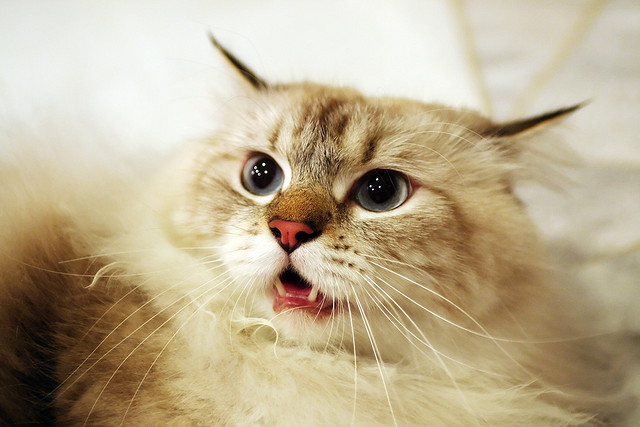
While a female cat only has this period for a week a few times a year, an unneutered male cat can scream for a very long time. Therefore, if the animal isn't a breeding cat, it's best to have it neutered immediately. Many people mistakenly believe that neutering is bad. But what's wrong with it? Firstly, a neutered male cat doesn't want a female cat, which means he doesn't scream or mark the house. Secondly, there are no hormonal fluctuations, which means no metabolic disturbances. Furthermore, the risk of cancer (specifically, prostate cancer) is reduced. Neutered male cats live longer.
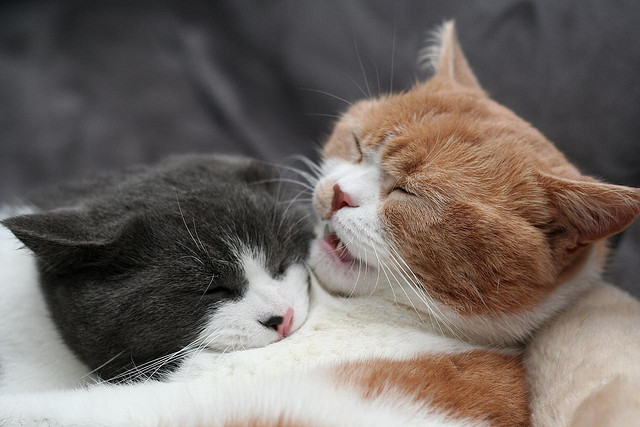
Some might say it's more humane to give your cat pills and drops. But they contain hormones! And no one can predict how they will affect your pet's health. Dosing such medications must be done very carefully to avoid harming your cat. Hormonal medications should not be given too frequently.
If possible, a male cat can be bred. However, this is only possible if the cat's owner is willing. Releasing a male cat to the wild and breeding stray cats is not recommended. This is inhumane. Firstly, it will increase the number of homeless animals, which often die from infections, hunger, cold, and accidents. Secondly, your cat could contract an infectious disease from a stray cat. Yes, animals are also susceptible to numerous sexually transmitted diseases. Furthermore, once a male cat is bred, he will scream more frequently and for longer periods.
Pet owners are sometimes puzzled by why their male cat doesn't want a female cat. But the reason could be that the female cat isn't in the right stage of heat to accept a male. Or the male cat may be experiencing some other issues. Perhaps he's too young or too old. It could also be because his hormone levels are low. If you previously gave your cat drops to stop him from screaming, this could have reduced his sex hormone levels. This could be why your male cat doesn't want a female cat.
It's up to you to decide whether to tackle the problem radically by resorting to surgical intervention, or to "play around" with drops, endure it, or risk the cat's health by arranging matings with untested females.
What not to do
During estrus, it is important to avoid the following actions:
-
Shouts and punishments: Do not raise your voice or punish your cat for its behavior; this may increase stress.
-
Ignoring needs: Don't leave your cat unattended; show care and affection.
-
Use of inappropriate means: Do not use medications without a veterinarian's prescription.
Read also:


Add a comment