
Cat Breathing with Tongue Sticking Out: Causes and What to Do
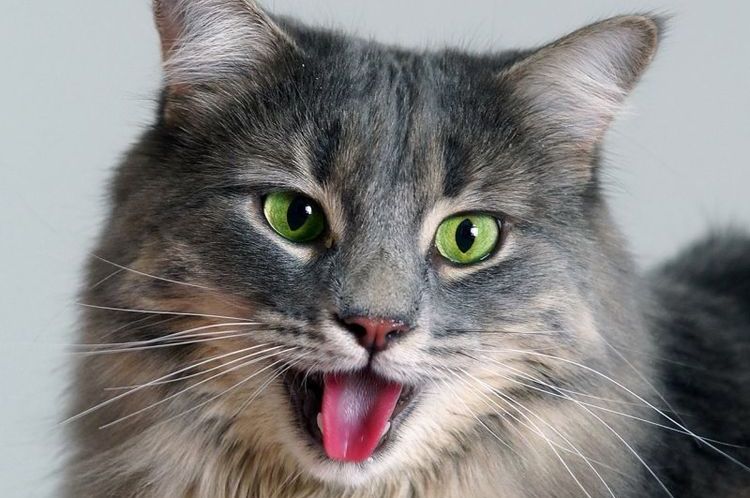
The tongue is a functional muscle used by cats to clean themselves, eat, and drink. Cats typically breathe through their noses: as air passes through the nostrils, it is heated, filtered, and enters the body free of dust and germs. Sometimes owners notice their cats breathing like a dog with their tongue hanging out. What causes this? When is this behavior considered normal, and when is it abnormal?
Content
Physiological norm
It is normal for a cat to walk with its tongue hanging out in hot weather, when stressed, during childbirth, and in some other situations.
Heat
Domestic animals are covered in thick fur, and they have significantly fewer sweat glands than humans. In hot weather, their body temperature rises, especially during periods of activity. It's difficult for the body to maintain a comfortable temperature, so the tongue helps regulate temperature. Moisture evaporates from its surface, gradually lowering body temperature.
Overheating can be determined by indirect symptoms:
- intensive eye hydration;
- salivary flow;
- Finding a cool place.
Owners should turn on the air conditioner or move the pet to a cool room with fresh air to avoid overheating and heat stroke.
Strong emotions
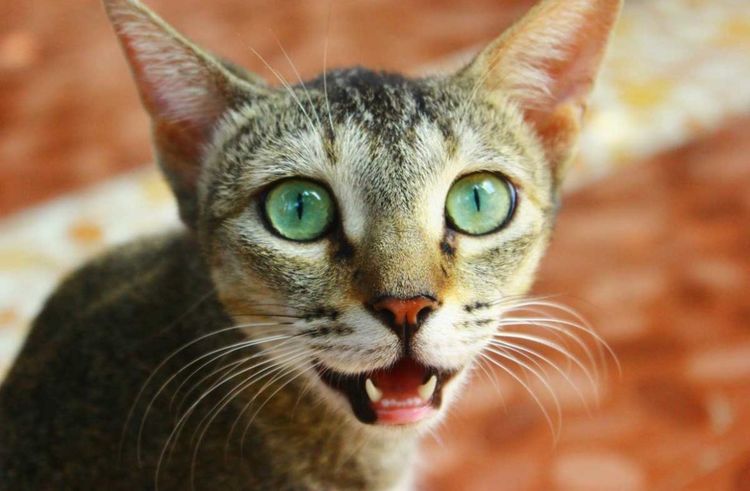
Stress and strong emotions are a common cause of behavioral changes. A stressed animal licks its lips, opens its mouth, and breathing rapidlyIn this condition, cats stick out their tongues and drool. Excessive salivation is typical for males due to physiological reasons. This often happens to cats in cars due to stress.
The stress response is considered natural: once a pet calms down, it will retract its tongue. The drooling will also disappear. Owners can speed up the process by picking up the animal and gently stroking its fur.
Relaxation
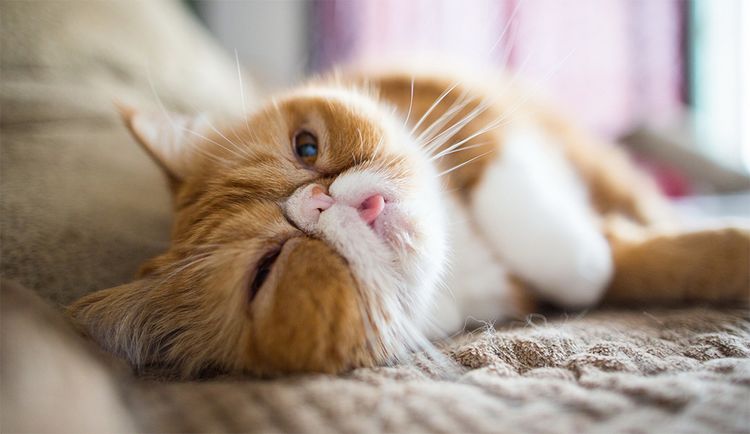
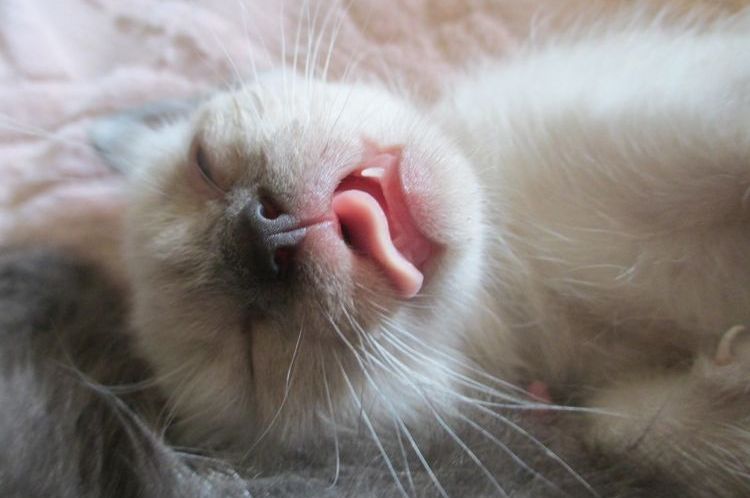
There's no cause for concern if a cat sleeps with its tongue hanging out. It's active almost 24/7, but in deep sleep, the animal relaxes, doesn't react to its surroundings, and doesn't hear anything.
The tongue also relaxes and lengthens slightly, causing the tip to protrude beyond the mouth. This is more common in breeds with shortened muzzles or malocclusions. There is no health risk.
A curious fact: In the wild, it's unlikely that any animal can completely relax—danger can lurk everywhere, so animals are always on guard and vigilant. Sound sleep is a privilege reserved for domesticated animals, who are safe from harm.
Passion
Pets memorize their owners' gestures and use them when they're desperate for companionship. They stick out the tip of their tongue, mimicking a smile and attracting their owners' attention.
Adults, upon reaching sexual maturity, display their tails to flirt with the opposite sex. Males do this when they sense a female.
Pathological conditions
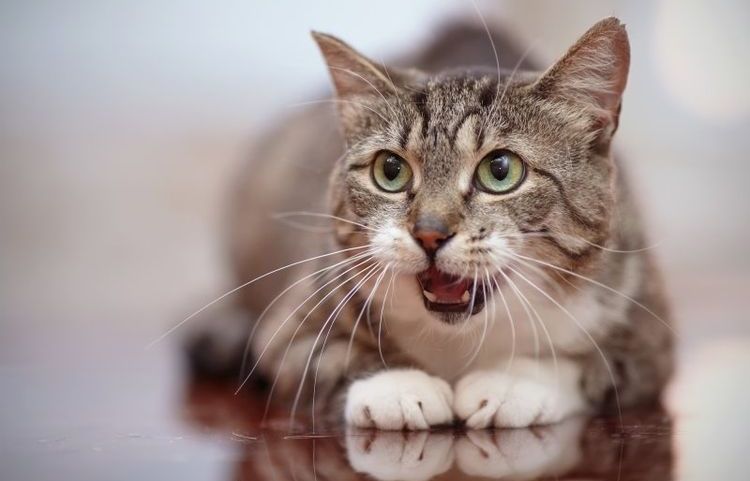
Is your cat breathing rapidly and heavily, with a protruding tongue, or gasping for air with its mouth wide open? These symptoms are typical of oxygen deprivation. To avoid it, the animal instinctively gulps in more air. Prolonged hypoxia is detrimental to its health.
There are other pathological conditions accompanied by similar symptoms:
- Foreign bodies. When they enter the respiratory system through food or during play, they restrict or block airflow to the lungs and internal organs.
- Ulcers, inflammation, and other damage to the mucous membrane of the larynx.
- A cold, a viral infection. During an illness, mucus accumulates in the nose and throat, making it difficult to breathe normally.
- In case of pneumonia, edema In cases of lung injury or pulmonary failure, breathing is difficult. Pulmonary pathologies are dangerous due to their rapid progression and possible fatality. There is a high risk that the pet will fall into a coma and not recover.
- The domestic cat periodically sits with its tongue hanging out and breathes with an open mouthIf injured ribs compress the lungs, the compression reduces lung capacity, causing the body to experience an acute oxygen deficiency.
- Brain pathologies, traumatic brain injuries, intoxication, heart and vascular diseases.
Heart failure
Heart failure – a serious pathology that requires immediate consultation and treatment at a veterinary clinic. Cardiac pathologies include:
- hypertension;
- hypotension;
- angina pectoris;
- ischemic heart disease.
The following breeds are predisposed to heart disease:
- Maine Coon;
- Scottish Fold;
- sphinx;
- Abyssinian;
- Cornish Rex.
It's important for owners to watch out for the first signs of illness, including a protruding tongue. If this is accompanied by rapid "dog-like" breathing, lethargy, and weakness, there's cause for concern.
Inhalations accompanied by pain, irregular rhythm and cyanosis of the mucous membranes are symptoms that require immediate medical attention.
Poisoning
Intoxication is often accompanied by respiratory and cardiac problems. Toxic substances relax the muscles so much that the animal cannot control them. This is why a cat's tongue hangs down when it protrudes.
Define poisoning It can be determined by accompanying symptoms:
- spasm;
- vomit;
- foaming at the mouth;
- shaky movements.
Respiratory failure
Respiratory failure accompanies many serious conditions. It can be diagnosed independently by wheezing, irregular inhalations and exhalations, intermittent breathing, and the fact that the cat is choking.
Without qualified assistance, the animal may suffocate.
Muscle atrophy
Muscle atrophy occurs after injuries, jaw dislocations, and pinched nerves. When injured, cats have difficulty closing their mouths, and swelling develops at the site of the injury. Pinched nerves are accompanied by pain when chewing, swallowing, and performing other jaw movements.
If a cat's mouth is open for a long time and its tongue is visible, or if it's breathing very rapidly, the owner should touch the tip of the tongue and the roof of the mouth with a finger. In healthy cats, a natural reflex will trigger and they will close their mouth. Otherwise, an underlying medical condition may exist, which a veterinarian can accurately diagnose.
Muscle atrophy is not always the result of injury or external influences. One cause is the destruction of joint tissue due to metabolic disorders or congenital diseases.
In any case, it is necessary to show your pet to a specialist.
Read also:


Add a comment