
What should you do if your cat is breathing heavily with its mouth open?
If you notice your cat breathing heavily and frequently with its mouth open, it's time to take notice. As we know, cats, like humans, can breathe in two ways: through their nose and through their mouth. The former is preferable because air passing through the nasal passages warms and cleanses, irritating a wide variety of receptors. When a cat breathes through its mouth, it's alarming. Why does this happen?
Content
Features of breathing in cats
It's worth starting with the fact that among the reasons why cats switch to this type of breathing, there are physiological ones, that is, those that are normal, and pathological ones, caused by various diseases.
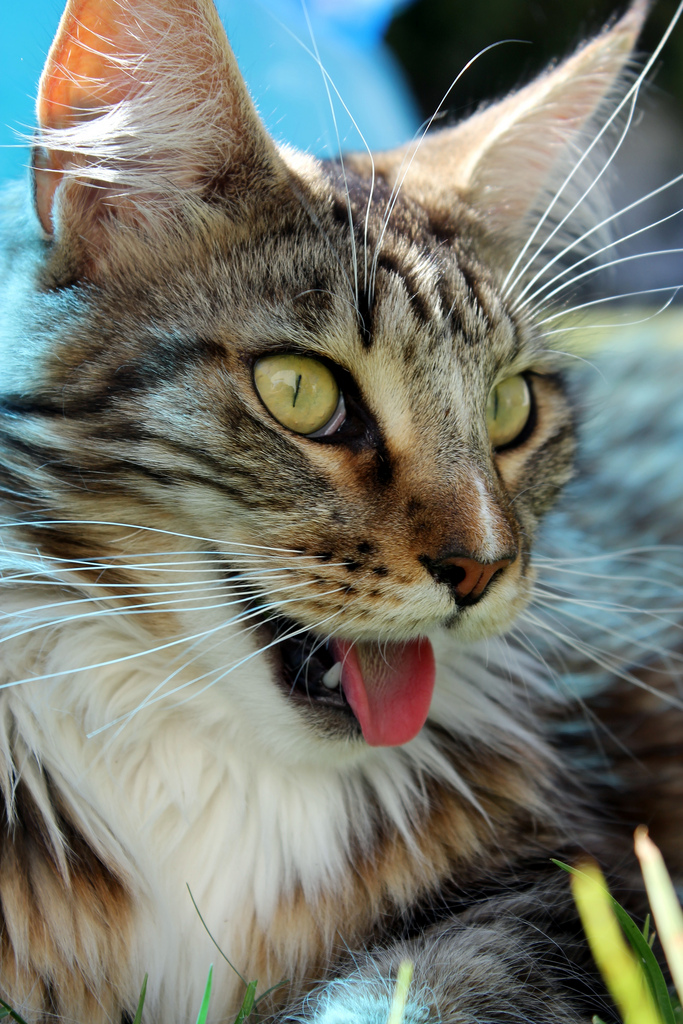
One of the cases of physiological mouth breathing in cats on video.
But, of course, it's more of a pleasant and amusing sight when a cat breathes through its open mouth. But this isn't always the case. Mouth breathing caused by physiological reasons is usually short-lived; once oxygenated, the body returns to normal. This can happen when:
- High ambient temperatures, more often observed in long-haired and plush breeds.
- And also after intense physical exertion, especially in cats with a pronounced degree of obesity.
Causes of mouth breathing
The causes of severe mouth breathing in cats due to illness are far more extensive. The primary function of the respiratory system is to saturate the body with oxygen during inhalation and remove carbon dioxide during exhalation. This gas exchange involves the upper and lower respiratory tract, the lungs, and the respiratory muscles.
A malfunction of any of these components leads to system failure and oxygen starvation. To compensate for the lack of vital oxygen, the body must change its breathing pattern. Let's take a closer look at the pathologies that can cause acute respiratory failure. They are divided into two groups: pulmonary, which is directly related to respiratory diseases, and ventilatory, which is a gas exchange disorder caused by extrapulmonary diseases.
| The pulmonary form includes |
|
| Violation of central regulation and conductivity of nerve impulses |
|
| Muscle disorders |
|
| Disorders directly related to the chest |
|
| The course of respiratory failure can be |
|
And it depends on the underlying causes of the pathology. One of the most common is pulmonary edema.
Pulmonary edema in a cat
Pulmonary edema is a condition in which the level of pulmonary fluid exceeds the normal range. Blood plasma leaks out of the vessels and fills the interstitial spaces of the lungs. The lungs enlarge but can no longer fully perform their intended function.
The reason for oxygen deprivation in edema is that with each breath, the accumulated fluid tends to foam. One milliliter of this fluid produces approximately 15 milliliters of foam.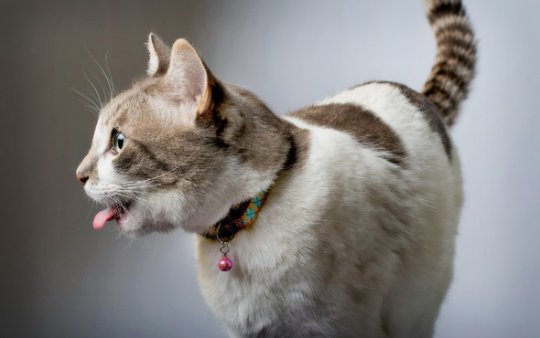
As it accumulates, it fills the airways and significantly increases the strain on the respiratory muscles. Oxygen entering the lungs simply doesn't reach the alveoli, mixing with foam bubbles. As a result, respiratory failure progresses.
Specific diseases of purebred cats
In some purebred cats and their crossbreeds, edema can be caused by heart failure. Among the breeds most susceptible are Scottish Folds, Orientals, Abyssinians, Sphynxes, Cornish Rexes, and Maine Coons.
Symptoms of pulmonary edema in cats
Video about symptoms of pulmonary edema in cats and dogs
Regarding clinical symptoms and manifestations, initially, lethargy, complete or partial loss of appetite, and decreased activity are observed. Over time, restlessness, dyspnea (the cat breathes through the mouth), and tachycardia develop. Lack of oxygen causes a bluish tint to the mucous membranes.
More severe conditions are accompanied by wheezing, initially dry, then wet. White foam, sometimes mixed with blood, appears from the nose and mouth. Coordination and heart rhythm are impaired. Respiratory failure can result in hypoxemic coma, resulting in brain cell death due to lack of oxygen and death if the condition does not precipitate death sooner.
Frequent, labored breathing through the mouth and cyanosis (a bluish tint to the oral mucosa) require immediate medical attention from a veterinarian. The underlying cause of this condition can be life-threatening.
Treatment
When a cat with rapid and labored breathing arrives at the clinic, the medical team immediately diagnoses the cause of the condition and takes all necessary measures to stabilize the animal. The owner must provide all necessary medical history information, so it's best if the cat is brought to the hospital by someone who can answer all the doctor's questions. The animal is then examined and undergoes the necessary diagnostic tests, including blood tests, X-rays, ultrasound, and an ECG.
First and foremost, intensive care is aimed at oxygenating the body. Surgery may also be necessary. If there is a large accumulation of fluid in the chest cavity, a thoracentesis is performed—a puncture of the chest with a thin needle to remove the accumulated fluid. If respiratory failure is caused by trauma, surgical intervention is also performed to address the underlying cause. The prognosis varies and depends on prompt referral to a clinic, the underlying cause, the severity of the condition, and, of course, the quality of care provided.
A cat in a car breathes with its mouth open.
If you take your pet in the car and notice them breathing through their mouth, they're likely suffering from motion sickness. This isn't generally a big deal, but in the future, before taking your pet anywhere, prepare for the journey first. Key points when transporting a cat:
- Do not feed your pet before the trip, but make sure it drinks;
- If your cat starts breathing with its mouth open in the car, don't disturb the animal. It's better to stop for a while and give your pet something to drink.
- Do not leave your pet in a car parked in a parking lot, especially in summer.
Respiratory diseases in cats
The group of respiratory diseases in cats includes infectious diseases such as:
- rhinotracheitis;
- calicivirus infection;
- mycoplasmosis;
- chlamydia.
Diagnosis is complicated by the fact that these diseases present with similar symptoms and often coexist. Therefore, a single cat may develop multiple infections simultaneously.
Caring owners usually immediately notice their cat breathing with its mouth open and sneezing, nasal discharge, watery eyes, or wheezing. However, the animal's general condition remains unchanged or it becomes slightly lethargic. If the cat completely loses its appetite, it's important to consult a veterinarian immediately.
A cat breathes with its mouth open during labor.
Cats usually give birth 60-70 days after mating.
Before the birth begins, she becomes restless and meows loudly, calling for her owner's help. The birth process begins with contractions, during which the cat breathes through an open mouth.
At this crucial moment, the animal requires an increased amount of oxygen, hence the open mouth syndrome.
It's worth noting that after giving birth, the cat breathes through her mouth no less intensely. This time, she needs oxygen to produce as much milk as possible for her offspring.
It's clear that the mother will be nursing her kittens for more than one day. So don't be surprised if you periodically notice the nursing cat's mouth open.
Any questions? You can ask our website's staff veterinarian in the comments below, who will answer them as quickly as possible.
Read also:


27 comments
Lyudmila Pavlovna
My cat (a Scottish Fold, 14.5 years old) has all of these symptoms. I'm a pensioner and I'm sick myself, so I can imagine how much money it would cost to treat a cat.
I'd like to know how I can help her live a few more days. I'm talking about feeding. She's been on dry Purina Pro Plan for years. For the last three months, she's been eating wet food (the same brand). But her appetite has gotten worse.
Christina
Tell me, my cat is breathing with its mouth open, what should I do?
Daria is a veterinarian
Hello! Go to the vet immediately and investigate the cause. Rule out pulmonary edema (or other lung problems) and heart disease. A diagnosis and treatment cannot be established based on this symptom alone (without an in-person examination and additional visual testing). It's fine if the cat is mouth breathing only due to stress or fear (and this does happen). But in any case, more information is needed (including what preceded this condition, how long it has been present, when it most often occurs, and any other symptoms).
Julia
Good morning! Could you please advise? We have a 3-year-old Scottish Straight cat, not spayed. At 4:00 AM last night, she started meowing loudly, breathing through her mouth, and trying to hide. Our apartment is stuffy, but not that stuffy. I gave her a sedative called StopStress, but she still breathes through her mouth, is anxious, and rubs against surfaces. I was away for 7 days, and my husband was with her. Then he also left for 24 hours, leaving the cat alone at home. He had packed her plenty of food and water. Could this be stress from our absence, or should she be taken to the vet immediately? She fell from the 4th floor a year and a half ago, injuring her lung and pelvis. We rushed her to the hospital, treated her, and she was fine afterwards, but now I'm really worried she's in pain, and I can't figure out where it is.
Daria is a veterinarian
Hello! What's not "hot enough" for you could be fatal for your pet. Remember, they have their own fur coat, and their body temperature is physiologically higher than ours. Therefore, they don't tolerate heat and stuffiness well. Open-mouth breathing can also occur due to severe stress or overheating. Try giving your cat a cool surface (such as a tiled bathroom or toilet) where they can lie down. However, if your cat is meowing, it's advisable to get them examined. Rule out any underlying health issues (at least a blood test to rule out any inflammatory processes).
Tom
Hello. My cat is very ill. He breathes through an open mouth and wheezes, his nose is runny, he's salivating, and he hasn't eaten for almost a week. We've taken him to the vet twice, and he was prescribed ceftriaxone and chloramphenicol for his nose. But he's getting worse and worse. We have no diagnostics, and there's nowhere to get an ultrasound or tests done, except in a neighboring republic.
Daria is a veterinarian
Hello! It's unfortunate that there's no diagnostic test. Pneumonia needs to be ruled out. Antivirals should also be added to rule out viral infections that could have triggered the respiratory syndrome. What medication and dosage are prescribed? How long are you treating? How long has the animal been sick? Is there a cough, and if so, what kind? Was ceftriaxone prescribed immediately, or was another antibiotic used first? If there's no improvement after three days of antibiotic therapy, it needs to be changed to a different antibiotic.
Daria
Hello.
I have a 4.5-month-old Scottish Fold cat. After active play, she may breathe with her mouth open for 5-10 seconds. There don't seem to be any other alarming symptoms. She's very affectionate, active, and eats and drinks well. Her breathing also seems normal: 28-32 breaths per minute when calm. Her pulse is also normal. What could this be?
Daria is a veterinarian
Hello! Take your kitten for a cardiac ultrasound. Rule out any heart defects or pathologies (such as myocardial dystrophy, which many breeds are now prone to). If there's shortness of breath after exercise, look for a heart problem.
Zhanna
Hello, my cat is in a serious situation. She's started breathing through her mouth frequently after a visit to the vet. She has kidney disease, has lost weight, isn't eating on her own, and is spitting out everything from the syringe.
How can we alleviate her condition? The doctor's prognosis is grim (she's 17 years old). We've already lost one cat this year... we don't want to lose this one too...
Daria is a veterinarian
Hello! Judging by the condition described, the animal was very stressed after the visit. What exactly is wrong with the kidneys? Acute or chronic renal failure? Perhaps polycystic kidney disease or tumors? Inflammation? Atrophy/sclerosis? What exactly are you trying to feed? Have you had a blood chemistry test done recently? The kidneys are like a blood filter, and if the "filter" is broken, the blood will show it. The blood may be full of toxins, requiring intravenous fluids. However, the most humane option would likely be to euthanize the animal, as terrifying and heartbreaking as that may sound. It's unlikely that a clinic in your city will perform dialysis, and you're unlikely to be able to afford it and supportive care (although if there's polycystic kidney disease, tumors, sclerosis, or atrophy, no medication will help).
Svetlana
Scottish Fold cat (4 months old kitten) breathes through her mouth when she plays (runs)
Daria is a veterinarian
Hello! What's the kitten's vaccination and deworming history like? Has everything been done according to age? We need to check for a foreign body in the airway. The nostrils may be too narrow, causing an airway obstruction. In any case, we need to listen to the lungs for any breathing abnormalities (to rule out inflammatory processes).
Marseilles
Hello. My kitten breathes through her mouth constantly, and snores when she sleeps. I took her to the vet, and they prescribed antibiotics. Ten days later, they gave her a deworming suspension as a preventative, but she still breathes through her mouth. She's growing, has a good appetite, plays, and is in a good mood. She doesn't like the fact that she breathes through her mouth. Please advise what to do. We live in a rural area.
Daria is a veterinarian
Hello! What antibiotics were prescribed? How many days were they used? Is there any nasal discharge? Is there any wheezing? Did the veterinarian listen to the lungs during the examination, or did they prescribe medications over the phone based on your description? Was the animal's temperature taken before prescribing antibiotics? It's important to examine the sinuses. They may have a physiological abnormality—they're too narrow, which is making it difficult for the animal to breathe, causing snoring at night and breathing through the mouth during the day.
Julia
Hello, I have an Exotic cat who started breathing rapidly. We took him for an ultrasound and X-ray, and it turned out his heart is enlarged. We've completed a course of catalase inhibitors and are now taking pills. But his breathing hasn't stabilized, and he's very lethargic and barely moves. How can we treat him?
Dasha is a veterinarian
Hello! The heart doesn't heal that quickly. It's a muscle that works constantly, so it doesn't recover that quickly. After the course of treatment, did you have another ultrasound and x-ray? Blood chemistry? What does the treating veterinarian say? What's the prognosis?
Julia
Hello, our Exotic cat is breathing very rapidly. We took him for an ultrasound, and it turned out his heart is enlarged. We had him on IVs and Pananangin for 10 days. Now we're taking a break and are taking Emicidin and Vasotop. His breathing hasn't stabilized. He's lethargic and weak. We really want to bring him back to his former self; my heart is breaking just looking at him.
Dasha is a veterinarian
Hello! Why is it enlarged? Have you had it diagnosed? How old are you? Have you had another ultrasound? Biochemistry done? It needs to be monitored. Treating heart disease isn't easy; it can take months. Minimize physical activity for now. Continue treatment. And be sure to see a doctor.
veronica
Hello, my kitten is one and a half months old, he hasn't eaten for two days now, he breathes heavily through his mouth and doesn't sleep, he doesn't get out of bed, what could it be?
Dasha is a veterinarian
Hello! How can you diagnose an animal without examining it in person? Get to the vet immediately! Does it have a fever? Is it outdoors or not? Does it interact with other animals? What other symptoms are there? Understand, these symptoms are not to be trifled with. The kitten needs immediate veterinary attention!
Anastasia
Good evening, The cat is mated and is breathing strangely, deeply and frequently. What could this be? But it is reassuring that when we slept he was breathing normally.
Dasha is a veterinarian
Hello! Most likely, the cat is simply very stressed. This could be his first mating, or he may not have had time to adapt to the new environment. If there are no other symptoms, and his temperature, appetite, and bowel movements are normal, then there's no need to worry. The cat is simply nervous. He'll walk around a bit and get used to the new surroundings, and you'll immediately notice his behavior returning to normal.
Nata
My cat hasn't eaten for several days. He's constantly lying down. He breathes heavily, through his mouth. He doesn't have a runny nose. His palate is pale. He's been given antibiotics, but his condition hasn't improved. I'm giving him 40 mg of glucose daily. He's drinking broth and water. He goes to the bathroom on his own. He's only 7 months old...
Dasha is a veterinarian
Hello! Have you taken him to the vet for a checkup? Who prescribed antibiotics and which ones? How often, what dosage, and what course of treatment? Did the vet listen to his lungs? Did they do x-rays? Did they do blood tests? Is he dewormed? Vaccinated? What is the glucose level (percentage) and how are you injecting (intramuscular, subcutaneous)? Has the vet checked his heart? Is his breathing heavy all the time or only in the evenings or after play?
Elena
My cat is breathing heavily through her mouth and has clear fluid coming out of her nose. What can I do at home? The clinic is closed.
Dasha is a veterinarian
Well, if you can perform an auscultation at home, conduct a blood test (general and biochemical analysis), and take an X-ray to rule out inflammatory processes in the respiratory system... It's impossible to say what's wrong with an animal without seeing it and conducting additional examinations. It could simply be rhinitis (a runny nose), which is why it's breathing through its mouth. Or it could have an infectious disease that requires specific treatment (serums, antiviral drugs, antibiotics, and symptomatic medications).
Add a comment