
The cat is shaking after sterilization
Complications can develop after surgery, and your pet may feel unusually well. Therefore, many owners become concerned as soon as they notice their cat shaking after spaying. What could be causing this? Should you rush to the vet? What should you do if your cat is shaking after spaying?
Content
Causes of cat trembling
First, let's look at what causes trembling in cats.
Cold
Cats are warm-blooded animals, and just like their owners, they can get cold. A comfortable temperature for pets in the house is 18 to 20 degrees Celsius. However, if the room suddenly gets cold or there's a draft, the cat may become restless.
Tremors intensify if the cat's fur is wet (after a bath). Therefore, be sure to dry the cat's fur thoroughly after bathing before letting it out into the room (and especially outside).
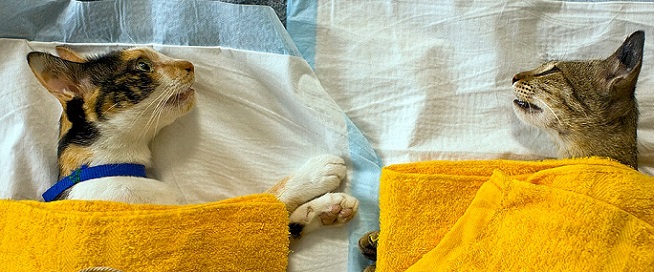
Stress
Yes, if a cat is frightened, nervous, or angry, it will exhibit fine tremors. Usually, its fur will also stand on end and its tail will curl up. Generally, recognizing a cat in a nervous state isn't all that difficult. Once the animal calms down, the tremors will disappear.
Lack of vitamin B, magnesium or calcium
Sometimes, a lack of vitamins, calcium, or magnesium can cause mild tremors. Convulsions may also occur. Adding vitamin and mineral supplements to the diet (for a 10-day course) should bring noticeable improvement.
Fatigue after physical exertion
If your cat has been running for a long time, their muscles may begin to tremble slightly. Think about how your legs might shake after a run. But a little rest will usually resolve this. Observe your pet; if the tremors persist, the cause is likely not the cat's active pastime.
Why does a cat shake after sterilization?
So why does a cat shake after sterilization?
Frozen
If you noticed trembling almost immediately after bringing the animal home, recovered from anesthesia, then your pet is most likely cold. Many veterinarians advise owners even at the veterinary clinic: avoid placing your cat high up (on sofas or armchairs) to prevent it from falling, but be sure to place its bed close to a warm source (a radiator, or a heating pad nearby). This is necessary because the animal is cold (its thermoregulatory center "switches off" during anesthesia), and warming it will help it recover more quickly.
The blanket is in the way
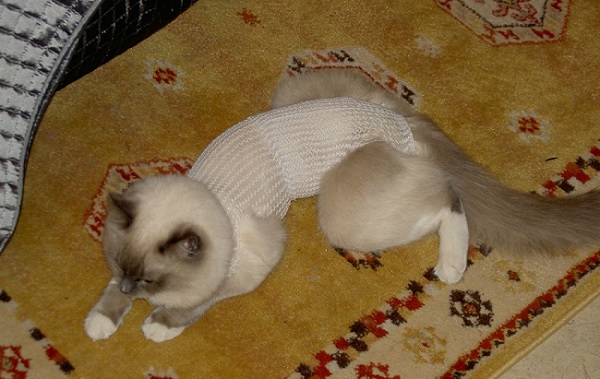
Sometimes a cat shakes after sterilization if it is wearing horse blanket or a bandage. This is how the animal tries to "shake off" the foreign object.
Inflammatory process
If trembling appears after your pet has recovered from anesthesia (after a day or more, for example), it's necessary to take their temperature. It's possible the cat has a fever caused by an incipient inflammatory process in the body.
Inspect the stitches for any unusual discharge (blood, pus), swelling, redness, or tenderness. Has the cat's appetite changed or is vomiting occurring?
In general, if you notice your pet exhibiting symptoms of illness after spaying (other than trembling), immediately contact a veterinarian you trust and whose qualifications you are confident in. After an in-person examination of your beautiful pet, they will make a diagnosis and prescribe treatment (including antibiotics).
Read also:
- What temperature is considered normal for a cat?
- Colds in Cats: Symptoms and Treatment
- Sterilization of a cat


2 comments
masanya6
Our cat had tremors after her spay. At first, I thought it was residual anesthesia, a "withdrawal" so to speak, so I increased her fluids. But the tremors continued on the second and third days, and I suspected pain, but she was playing and eating, with a temperature of 38.3°C (101.4°F) and no signs of pain or fever. I called the vet, and it turned out to be calcium deficiency and anemia, both symptoms of which were present because she was spayed in her third week of pregnancy.
Daria is a veterinarian
Hello! A calcium deficiency can cause tremors. Therefore, IV calcium supplements are recommended, as is subcutaneous calcium borogluconate injections. Regarding anemia, supplement your diet with iron and chromium. Vitamin injections are also recommended.
Add a comment