
What to do if a cat is ruining everything in the house?
How can I stop my cat from scratching wallpaper and furniture? If you've decided to bring a cat into your home, you'll need to focus not only on feeding but also on training. It might seem like there's nothing so awful that cats can do in a home environment. Yes, some cats are so mischievous that they can cause significant damage to your family budget. For example, a cat that scratches wallpaper and furniture, or tears curtains, can do so. Therefore, from the moment your cat arrives, try to befriend it and become a true authority figure who will teach it good manners.
This article will be devoted to training (something good) and weaning (from something not so good) cats.
Content
How to stop a cat from eating houseplants?
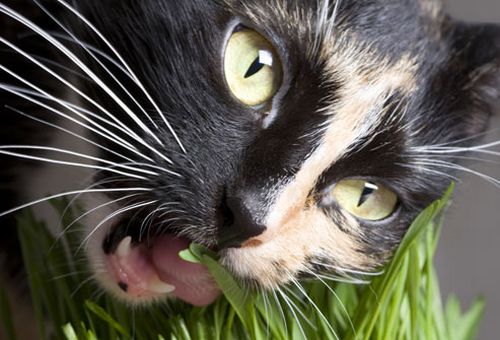
First, you need to find out why exactly cats eat houseplants.
- Firstly, they look for additional vitamins in the home flora, which their body so persistently requires.
- Secondly, cats look for fiber in plants, which they obtained in ancient “wild” times by consuming the entrails of birds and mice.
- Thirdly, eating plants stimulates their gag reflex. This is necessary for pets to eliminate the hair that accumulates in their stomachs while grooming.
Along with the underlying causes, there are other factors that can aggravate the behavior:
-
The cat's age - kittens often scratch more during their growing years, and older cats may have joint problems that make it difficult for them to adopt a scratching position in standard places.
-
the condition of the claws - if they are too long, crooked or ingrown, the cat is in pain and looks for other surfaces where it is easier to grind them down
-
Breed characteristics - some breeds are more active, with a stronger marking instinct and a need for vertical surfaces for stretching
-
A change in the family situation—moving, renovations, the arrival of a new pet or child, a change in care, feeding, or attention—all of this can trigger stress, and the cat begins scratching furniture as a way to cope with anxiety.
Finally, the herb promotes bowel function. Cats are smart animals and use it to relieve constipation and flatulence.
What needs to be done to wean your pet off this bad habit?
Do the following:
Your own lawn
To ensure your kitty gets enough vitamins, sow her own small lawn. You can use wheat or oat grains, which are available at any pet store, as seed. You can also buy pre-sprouted grass and train your kitty to eat it. The grass should be replenished every two weeks.
Try making a vitamin salad for your cat.
To do this, finely chop parsley, dill, lettuce, spinach, plantain, and dandelion greens, then mix everything with boiled liver or meat. You can also season with a few drops of olive oil. Incidentally, parsley is an excellent preventative against worms in your pet.
Spray with citrus-scented water
It's a known fact that cats hate the scent of oranges and citrus fruits in general. Take advantage of this opportunity and spray your flowers with an orange-scented air freshener. You can also scatter orange peels in flowerpots. You can also dilute a few drops of orange essential oil in water and spray the resulting solution on your plants. It works flawlessly.
Furniture and wallpaper protection products
Here is a table of protection methods that are popular with owners and veterinarians:
| Method of protection | Advantages | Disadvantages/features of application |
|---|---|---|
| Anti-scratch caps (silicone claw caps) | Damage to furniture is reduced, the cat cannot scratch seriously | You need to choose the right size, change it, and make sure it doesn’t cause discomfort or irritation. |
| Protective blankets and covers for furniture | Quick to cover, washable, replaceable, protects upholstery | It may look untidy, the cat may chew or move the blanket, it will need to be secured |
| Double-sided tape/sticky tape on problem areas | The "unpleasant surface" effect makes the cat avoid the area more quickly | The glue needs to be renewed, it may leave marks and is not aesthetically pleasing. |
| Odor repellents and cat repellents | Sprays, gels, and scents that cats don't like can be applied to furniture and wallpaper. | Sometimes the smell doesn't help, and the cat may not care; regular use and the safety of the product for the animal are important. |
What to do if your cat likes to hang on the curtains?
If you've got a small kitten, start by simply raising the curtains on the windowsill for the first couple of months. This will discourage the cat from swinging on them. If your cat loves to sit on the windowsill and watch birds and stray cats, it's possible the curtains are interfering with this, and she's climbing them to reach her favorite spot. In this case, simply pull the curtains back so she can easily reach her favorite spot.
If you do catch your pet doing this, carefully approach them and remove them. Don't yell loudly, but just gently (very lightly) tug their ear and scold them. Show them what they're doing wrong. If all else fails, you can wet the bottom of the curtains with plain water for a week. Cats don't like wet things and should be trained not to ride on curtains.
Option for men
Buy a water pistol and every time your pet climbs onto the curtain, spray it with water.
It's important not to get carried away and use it specifically for this purpose. The cat will develop a strong association with climbing curtains, and there's a good chance your Mowgli will calm down and stop playing this prank altogether.
What can I do to stop my cat from chewing wires?
Of course, every cat has its own personality and quirky habits. Some furry creatures are particularly fond of chewing on electrical cords from various household appliances. If your cat has developed this habit, it will take a lot of effort to break them of their habit. But still, nothing is impossible!.jpg)
The following recommendations should help you and your cat cope with this problem:
- First, identify areas in your home where there's a high risk of electric shock. All wires within reach of your cat should be well hidden.
- Don't plug too many sockets into the adapters, as the cat may loosen the "ball" and cause a short circuit.
- Make sure that the wires do not dangle, as they will tempt the cat to play.
- The wires can be attached to a table or nightstand using special clips.
- You can spray (carefully!) a small amount of lavender or orange essential oil solution, which pets don’t like so much.
- You can also try wrapping the wire in tin foil, which is available at hardware stores. Cats hate alkali, so they'll be completely discouraged from chewing on this type of wire.
- Take some detergent and wet a sponge with it. Run the sponge along the wire, and your cat will never touch that nasty stuff again.
- Keep your cat busy with games more often and buy some green grass so that he has something to chew on.
What can I do to stop my cat from scratching the wallpaper?
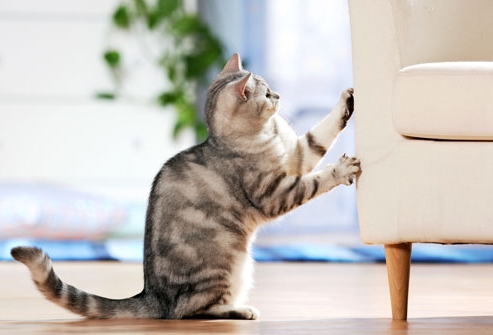
What should you do if your cat is scratching your wallpaper? Cats are predators by nature, and their claws are their natural weapons. Therefore, since ancient times, cats have regularly filed their claws to keep them strong and healthy.
Unfortunately, cats love to sharpen their claws on almost anything they find attractive. This can even damage your beautiful wallpaper. So why does a cat scratch wallpaper?
- Firstly, they love to sharpen their nails to their full length, and wallpaper is a great option.
- Secondly, cats like materials that tear easily.
Unfortunately, wallpaper is one of those things. Don't despair if regular scolding doesn't break your cat of this bad habit. Instead, try the following recommendations:
- First, get your pet scratching post or do her on her ownUse the same carpet or wallpaper as a scratching area, and your cat will love sharpening its claws there.
- Place the scratching post near the place where the cat has already scratched the wallpaper.
- It is also advisable to place the scratching post near the place where the cat likes to sleep.
- Spray the area your cat constantly scratches with a special orange peel spray. You can also make your own solution with orange essential oil.
Things you definitely shouldn't do
Information on negative practices that can worsen the problem is often lacking. Here's what's important to avoid:
-
Physical punishment—spanking, yelling, and aggression—increases stress and can worsen behavior.
-
surgical removal of claws (onychectomy) is an extreme measure, with many risks and complications
-
Leaving a cat without suitable scratching spots or without alternatives—simply prohibiting them without offering a replacement—leads to the cat finding something to scratch anyway.
-
Using harmful chemicals without testing may cause allergies, damage to the skin of the paws, and the smell may be irritating to the cat.
When to Call a Veterinarian or Behaviorist
If the situation gets out of control, professional intervention is required:
-
the cat scratches the furniture to such an extent that the surface of the upholstery or plaster is seriously damaged, there are wounds on the paws
-
scratching is accompanied by other alarming symptoms: change in appetite, poor coat condition, aggression, fear, hiding
-
The cat does this at night while you are sleeping and interferes with your rest, which creates discomfort in the house.
-
You've tried scratching posts, protection, and behavior modification, but there's been no improvement within a few weeks.
Read also:


Add a comment