
My cat is breathing rapidly: why and what to do
When at rest, a cat inhales and exhales approximately 30 times per minute, or every two seconds. A normal rate for cats is considered to be 20 to 40 breaths per minute, and for kittens, up to 50 breaths per minute. If a cat breathes rapidly for more than 15 minutes, it can be caused by both harmless physiological reasons and serious, life-threatening illnesses that require immediate medical attention. Pet owners should understand what can cause rapid breathing in cats, when it should be considered dangerous, and what steps should be taken to prevent serious consequences.
Content
Physiological reasons
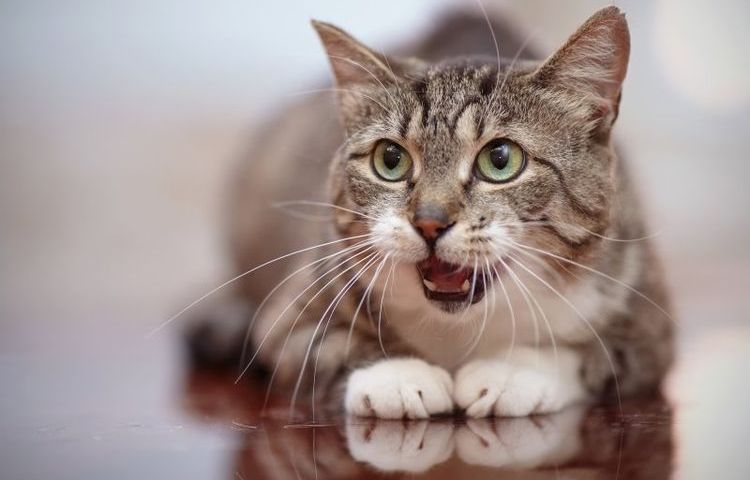
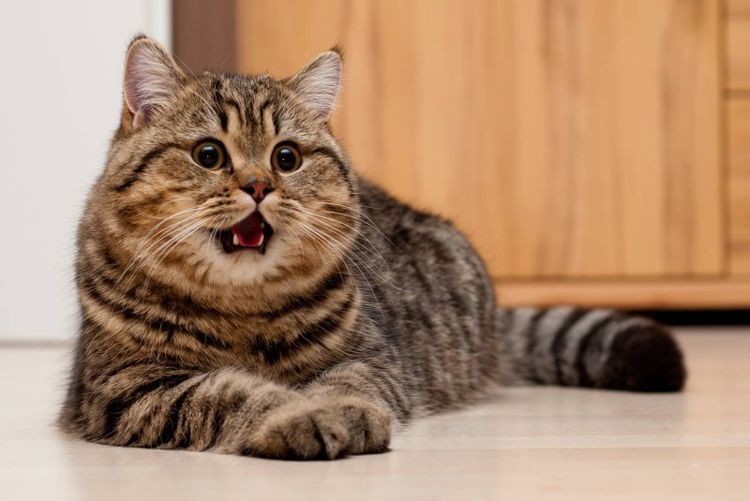
Cats often breathe rapidly, with their mouth open and tongue hanging out, when they're overexcited while playing, frightened by being in an unfamiliar place (for example, after moving or visiting the vet), aggressive, or very tired. Sometimes, cats breathe faster for a while while sleeping; this is an emotional reaction to dreams—animals dream, too.
Rapid breathing can be caused by changes in the body that occur during estrus and pregnancy. Rapid breathing in cats can also occur after giving birth, even if the birth was successful: giving birth to a litter, often many, is hard work. All of these causes of rapid breathing are harmless, and breathing quickly returns to normal once the cat's physical condition returns to normal.
Pathologies accompanied by increased respiratory rate
Health problems that can cause rapid, heavy breathing in cats include:
- Throat diseases (bronchitis, laryngitis, asthma), in which air passes poorly through the larynx.
- Infectious diseases in which the nasal mucosa swells and fluid is released in large quantities.
- Lung diseases that make breathing difficult, causing the cat to breathe strangely, rapidly, or unevenly.
- Heart failure. With some cardiovascular diseases, a lack of oxygen can cause a cat to experience shortness of breath, breathing heavily from the sides and abdomen.
- Shock state - the cat breathes deeply and frequently, sometimes in bursts, as if trying to get more air into the lungs.
- Severe dehydration or overheating. If a cat is hot, it will begin to pant rapidly, causing its belly to rise.
- Damage to the mucous membrane of the mouth or throat.
- A foreign body obstructing the airway. In addition to heavy, irregular breathing, wheezing may be observed.
- Allergy to a vaccine.
Important! A cat's immune system typically responds to the vaccine within 15-30 minutes, and sometimes even 2-3 hours, after administration. Therefore, it is recommended that vaccinated animals remain at the veterinary clinic for several hours under the supervision of a veterinarian. The veterinarian can provide assistance if necessary, including administering an antihistamine or anti-shock therapy.
What should a cat owner do?
If your pet is pregnant, rapid breathing even when resting can be a sign of impending labor, in which case nothing needs to be done. If your cat is sticking out her tongue and panting rapidly, and you know she's been very frightened, has just had a good run, or is clearly suffering from the heat, you can try to alleviate her distress yourself by ensuring she rests in a cool room.
If your cat appears to be choking, try to pry its jaws apart and remove the foreign object with your fingers or tweezers. Alternatively, lift the cat by its hind legs and, using your other hand, press on its abdomen near the diaphragm to try to dislodge the foreign object.
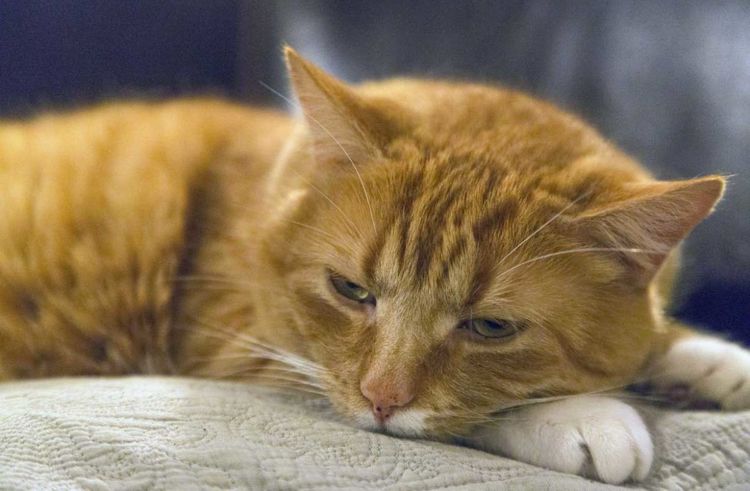
But if the cause of rapid breathing is unclear, and especially if the shortness of breath is accompanied by symptoms such as a rapid pulse, elevated temperature, wheezing, irregular breathing, discharge from the mouth or nose, swelling or redness of the mucous membranes, general lethargy, or loss of appetite, don't waste time; take your pet to the vet immediately. The speed with which assistance is provided determines how quickly and effectively it will be treated.
Important! Even in critical cases, pet owners can provide first aid. If the cat's breathing is not only rapid but also irregular, and it is clearly choking, artificial respiration should be performed before the veterinarian arrives. To do this, place the cat on its back on a flat surface, clear its mouth of mucus if necessary, and then, cupping your hand, blow air into the cat's nose every three seconds. This should be done carefully to avoid damaging the lungs with too much air.
When the cat is seen by a veterinarian, he or she will examine the animal, ask the owner about the possible causes of rapid breathing, take the cat's temperature, and, if necessary, blood pressure (it usually drops sharply in shock).
To detect infectious diseases, neoplasms, endocrine system diseases, blood disorders, and the presence of helminthic infestations, a veterinarian may prescribe laboratory, instrumental, and hardware examinations for your cat:
- blood and urine tests,
- biochemical analysis of secretions,
- Ultrasound,
- X-ray.
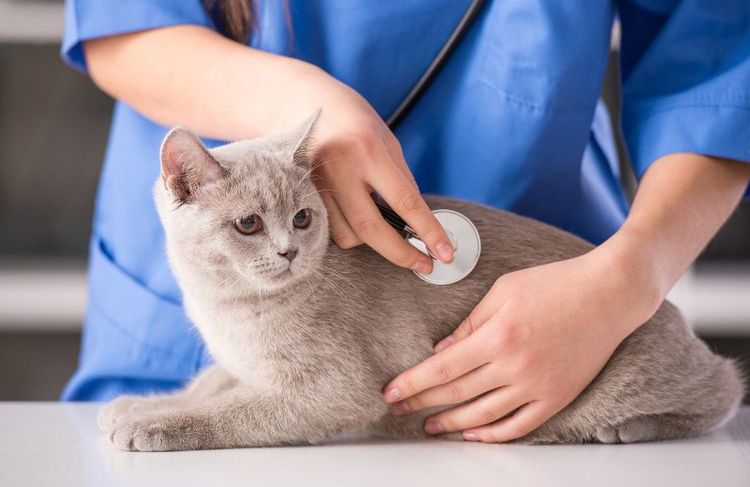
Treatment methods aimed at restoring the respiratory rhythm depend on the cause of the disturbance identified by the specialist. If the rapid breathing is determined to be the result of a delayed immune system response to the vaccination, the cat will be prescribed an antihistamine, which blocks the production of allergy mediators—T-lymphocytes. To address other causes, analgesics, corticosteroids, diuretics, and adrenaline therapy may be necessary.
In some particularly severe cases, such as when a cat's breathing problem is caused by trauma, an intractable foreign body, or the presence of a tumor, surgery may be necessary. However, such situations are very rare.
Read also:
- My cat's hind legs are not working properly: causes and treatment
- Are cat fleas dangerous to humans?
- Ixodid ticks in cats


Add a comment