
Cats are protectors
History is full of examples of feline armies saving entire cities, following only their natural instincts; in the last 100 years alone, they have done so twice, though not without human help.
Content
Cats during the Siege of Leningrad
During the Siege of Leningrad, there were practically no cats left in the city, nor were there any dogs—they were eaten. From the beginning of the siege, the city's residents were divided into two groups. The "cat people" were in the majority; they were condemned, but they did their best to justify their method of survival. Indeed, the meat of defenseless animals saved many lives, including children's.
Some townspeople nevertheless found the strength to not only pity their pets but also help them survive. And when, in the spring of 1942, a half-dead old woman carried her cat out into the sun, people looked at her with admiration. But these starved animals weren't enough to prevent catastrophe.
Rat plague
Eyewitnesses recall how, in 1941, besieged Leningrad was overwhelmed by rodents, sauntering through the city in entire columns. The rats were crushed by tanks, shot, and special rodent-extermination brigades were formed, but their numbers did not diminish. They ate up all remaining food supplies, but no control methods were effective, and the rats' main enemies—cats—were long gone.
Immediately after the siege was broken, four train cars of important strategic cargo were sent to Leningrad from the mainland. These were smoke cats from the Yaroslavl region. They were considered the best rat-catchers. Some of the animals were released at the station, the rest were distributed among the population.

General cat mobilization
As soon as the siege was finally lifted, another wave of feline "mobilization" was organized. This time, animals were recruited from Siberia by special government order to rid Leningrad museums and the Hermitage of rats. The recruitment was more than successful, with many owners surrendering their cats voluntarily. In total, approximately 5,000 cats from Tyumen, Irkutsk, and Omsk were sent to Leningrad. At great cost, the animals accomplished their mission, ridding the museums of rodents and thereby saving priceless works of art.
Rats in India
There's probably only one place in the world where rats are considered sacred—the Karni Mata Temple in western India. Over a thousand rats inhabit the temple grounds, and if one runs across your leg, it's considered a blessing. Pilgrims come here to feed the rodents and pay their respects—who knows, they might even end up as rats in their next life.
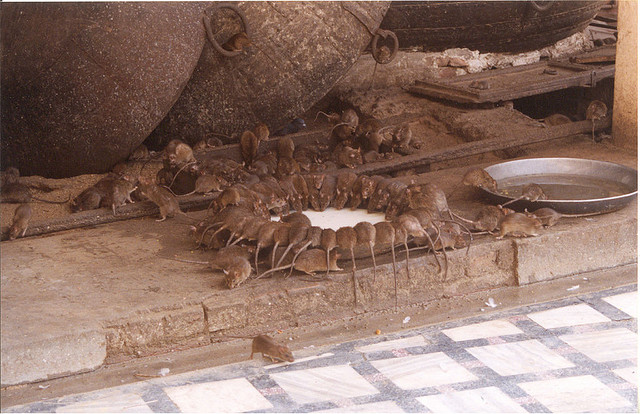
But let's return to cats. Not long ago, just over 10 years ago, they again had to save an entire town, this time in Mexico. The small town of Atascaderos, with a population of no more than 3,000, was plagued by a rat infestation, with estimates reaching up to half a million.
When rats first appeared, farmers tried to control them themselves, spreading poison and setting traps. As a result of these efforts, all the cats and dogs in the area died, and virtually no rats were harmed. Furthermore, no one prevented them from reproducing, and considering that one rat can produce around 100 pups per year, this situation is not optimistic, so the government decided to "mobilize" the cats. However, animal control agencies did not support the government's decision, considering the idea "madness."
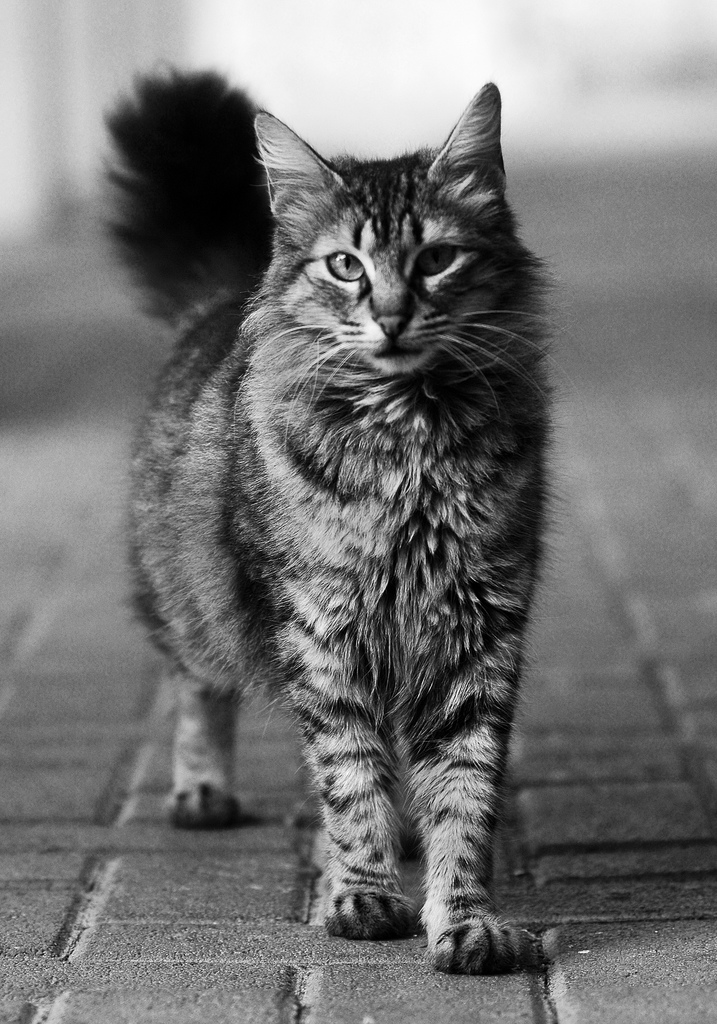
Cats were collected at special collection points, vaccinated against rabies, loaded onto trucks, and sent to fight the rodents. Nearly 1,000 recruits arrived in Atascaderos. Ultimately, thanks to these comprehensive measures, over 80% of all rodents were eradicated. While it may not be possible to eradicate them completely, population control is certainly possible. Especially considering that the government offers a $1 reward for every rat killed.
That's what cats are like. And now let the dog owners say there's no use for Murkas.
Read also:
- International Animal Day
- Rat-catching cats: the best breeds
- A dog ate rat poison: symptoms of poisoning and what to do


Add a comment