
Types and features of cat litter
Cats are guided by natural instincts, and even litter box use is no exception. Pet owners should take advantage of this, because knowing their pet's preferences allows them to choose the best cat litter that will satisfy both their pet and the rest of the family.
Litter plays a significant role in the comfortable coexistence of humans and cats. For cats, it allows them to dig, which is a good way to train them to use a litter box. People appreciate features like odor absorption and dry paws. But which cat litter performs best, given the many options on the market, and each company claims its product is the best. Let's explore this question through practical analysis.
Content
- 1 What kind of litter will a cat like?
- 2
- 3 The best cat litter for humans
- 4 The best cat litter
- 5 Absorbent cat litter
- 6 Advantages and disadvantages of absorbent filler
- 7 Clumping cat litter
- 8 Types of cat litter
- 9 Bentonite cat litter
- 10 Wood cat litter
- 11 Silica gel cat litter
- 12 Grain, cellulose, corn cat litter
- 13 Japanese cat litter
- 14 Cat litter ratings
- 15 How to change cat litter?
- 16 Can you flush cat litter down the toilet?
What kind of litter will a cat like?
First and foremost, animals appreciate convenience. If the litter is pleasant to dig into and paw on, then your pet will enjoy using the litter box. The absorbency of the product is also important, including odor absorption. Cats won't appreciate dusty, overly scented litter. The worst thing is if the litter causes an allergic reaction.
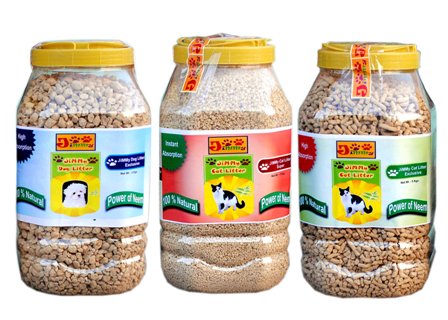
The best cat litter for humans
First and foremost, it needs to be a product that holds odors well. It should also be dust-free and easy to clean. Cost is also a factor. Of course, encouraging everyone to buy only cheap cat litter is pointless. People have their own priorities, but the product's consumption and price should still be within reasonable limits.
As you can see, the preferences of the cat and its owner largely overlap. The only things the animal doesn't care about are the price of cat litter, and a scent that's pleasing to the human nose can be off-putting.
These are all the nuances of cat litter, but to understand what's right for you and your cat, you need to familiarize yourself with the different types. Let's start with that.
The best cat litter
There are two types of products in this category:
- absorbent;
- clumping.
Absorbent cat litter
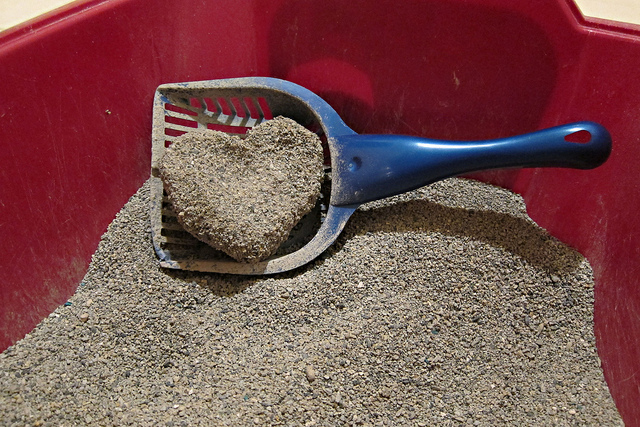
The product's special feature, as its name suggests, is that it absorbs moisture. The structure of the litter, however, remains unchanged. Furthermore, the cat mixes the mixture with its paws. Therefore, the entire litter tray with absorbent litter must be replaced. This is expensive, so absorbent products are preferred by families with only one or two cats.
Advantages and disadvantages of absorbent filler
The advantages of the product include the following:
- it costs a little;
- removes odor well;
- Suitable for multiple cats;
- There are absorbent fillers for kittens.
There are some downsides too. Among them:
- soaked granules begin to smell like urine;
- Cats may avoid the litter box even if it is only partially soiled.
Clumping cat litter
When liquid comes into contact with a product in this category, it begins to absorb it, forming clumps. The cost-effectiveness is obvious. You can remove old clumps and add a little fresh litter every day.
To maximize the product's performance, the cat litter should be poured in a thick layer—10 cm. This is the best way to create a toilet for a large number of cats.
Advantages and disadvantages of clumping litter
The advantages here are as follows:
- economical;
- removes odor;
- ease of cleaning.
Besides, clumping cat litter is the best in terms of toxicity. The product's source material is always natural, so it's often chosen for kittens. There are no particular downsides.
Types of cat litter
Cat litter is divided into several main types:
- clay;
- woody;
- silica gel;
- based on grain, corn, cellulose.
Bentonite cat litter
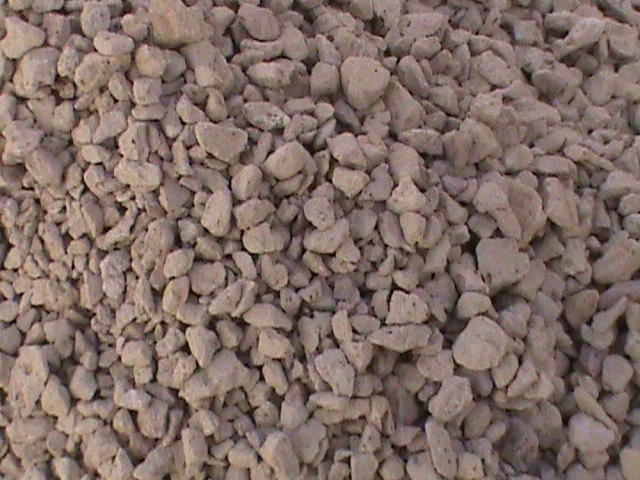
Cats love clay-based products because they're a reminder of their natural roots—a natural imitation of an outdoor litter box. Bentonite is the best ingredient for clay cat litter. Bentonite is essentially a type of clay that absorbs liquid. Clay mixtures can be either absorbent or clumping.
Pros:
- recommended for kittens;
- naturalness of the product;
- a wide range of products;
- favor from cats.
Cons:
- the mixture may be dusty;
- The filler sticks to the cats' paws.
Wood cat litter
Wood pellets also come in two types. They are made from sawdust, primarily from coniferous trees. This is the best cat litter for kittens, as it is the most environmentally friendly. It also has a pleasant pine aroma.
The principle is simple: the granules absorb urine and gradually disintegrate into sawdust. This is a drawback of the mixture: the sawdust easily gets stuck in the pet's fur, which then spreads throughout the house. But that's the only drawback; the advantages far outweigh the disadvantages. Moreover, this cat litter is flushable. Plus, it's very competitively priced.
Silica gel cat litter
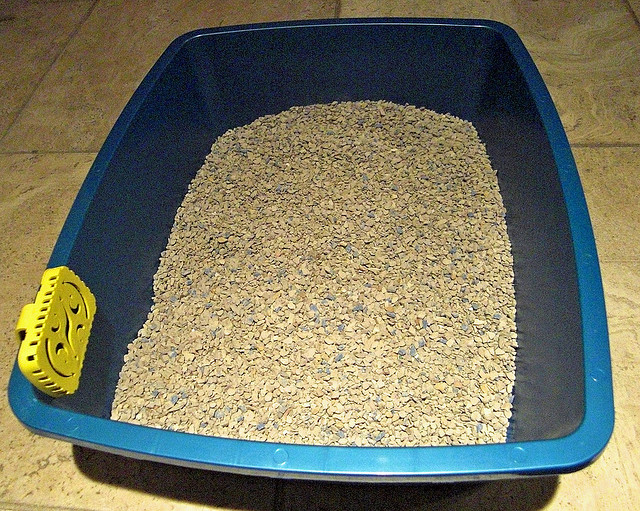
This is the most expensive product in the line. Gel cat litter appears to be granules that absorb moisture and odor. Silica gel is expensive, but it has the advantage of being cost-effective. A litter box filled with this gel substance will need to be changed no more than once a month.
Since it's based on polysilicic acid, it's not exactly environmentally friendly. Furthermore, it must be stored in a special, airtight container to avoid exposure to air.
Silica gel cat litter – this is the choice of owners of adult animals; for kittens, it is better to use a wooden base.
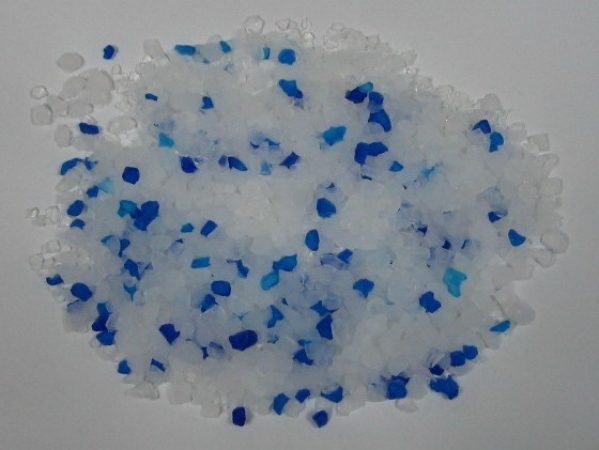
Pros:
- suitable for families with many cats;
- good absorbency;
- ease of replacement;
- economy.
The downside is the chemical component. Kittens, who love to try everything, will get a chemical burn if a kibble gets into their mouth, and some pets simply don't like silicone litter because it feels unnatural.
Grain, cellulose, corn cat litter
These are less common types of litter. There's a line of products for cats, but they're more often used for rodents. Granules have many advantages:
- moderate price;
- environmentally friendly;
- smells nice and natural;
- good absorption properties;
- can be disposed of in the sewer.
But the product may not be suitable for every cat.
Japanese cat litter
Japanese litters are slowly but surely gaining popularity among cat lovers. This is not surprising, as the Japanese offer:
- wide range of products;
- economical to use;
- environmental friendliness of goods.
The waste product can be flushed down the toilet without any risk to communications.
Cat litter ratings
- Katty hygienic.
Made in Russia. Type: clay. This is the most natural type of cat litter.
- Cat's Best Eko Plus.
Made in Germany, this product deserves a spot on the cat litter list, as it's an excellent choice for owners who value eco-friendliness and ease of cleaning.
- SuperCat Standard.
This product is made in Ukraine. It's a very popular mixture because it offers several advantages: it smells great, is easy to clean, and is environmentally friendly.
- Golden cat "Ecoline".
Another Russian product, this eco-friendly and affordable corn-based cat litter.
- Fresh Step Triple protection.
Made in the USA, this clay mixture has earned recognition for its eco-friendliness and is most often purchased for kittens.
- No. 1 Crystals Antibacterial.
This Russian silica gel-based product is recognized as the most economical filler.
How to change cat litter?
The frequency of changing depends on the type of cat litter. For example, wood pellets need to be changed frequently—every 2–3 days. Plus, the entire litter box will need to be changed.
If clumping litter is used, you can replace any clumps as they form with fresh pellets. A complete litter box replacement is not required.
Gel-based filler is changed the least often – once every 3-4 weeks.
Can you flush cat litter down the toilet?
Here, too, everything depends on the material. For example, wood pellets quickly dissolve in water and crumble into individual sawdust. This property allows this type of cat litter to be flushed down the toilet without fear. If you have used a lot of pellets, it's best to split the flushing process into several stages to ensure safety.
Mineral litter clumps quickly, so bentonite cat litter can only be disposed of through the sewer in very small amounts.
Silica gel is a separate topic for discussion. Those who oppose flushing silica gel litter down the toilet emphasize its environmental impact. In reality, it's a chemically inert substance, but it can be harmful to the sewer system. If you flush too many granules at once, they can clog a pipe, perhaps not in your toilet, but on the floor below. Therefore, it's best to dispose of the gel waste in a bin. In any case, you won't have to do this often.
By learning to understand the characteristics of different cat litters, you can choose a product that will satisfy your pet and please the whole family.
Don't forget to clean the litter box on time.
Read also:




Add a comment