
Cats in ancient times in different countries of the world
Most animals domesticated by humans were needed as a source of food, protection, and hunting companions. In this sense, the cat found itself in a paradoxical situation: it seems humans were useful to the cat, so it linked its fate with them. Every country has its own cat story…
Scientists have no consensus on this. when was the cat domesticated, we can only say that it most likely occurred at least 5,000 years ago. This process unfolded differently in different parts of the world, but the result is the same everywhere: cats, having lived alongside humans for millennia, retained the charming wildness, independence, and allure of a small panther.
Ancient Egypt
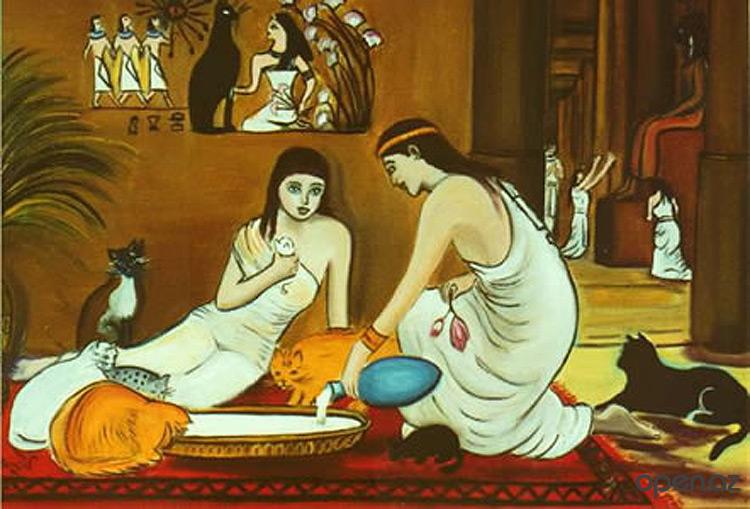
The domestic cat most likely originated in Ancient Egypt, as evidenced by archaeological excavations in Nubia, on the west bank of the Nile. A religious cult of cats existed in Egypt around 2000 BC: the Egyptians did not consider every cat a deity, but they believed that some gods could manifest themselves in cat form.
It was in this form that the supreme deity of Ancient Egypt—the sun god Ra—defeated the serpent of darkness. Bast, the goddess of joy and merriment, was depicted either as a cat or as a woman with a cat's head.
Killing a cat was considered a crime: intentional killing of a cat was punishable by death. All members of a family whose cat died would shave their eyebrows as a sign of mourning.
Even at that time, the Egyptians were breeding cats, selecting pairs with matching personalities. Cats were trained to retrieve game birds killed during hunts in the swamps of the Nile Delta.
The Egyptians tried to prevent the export of cats from the country, but along with the adoption of certain beliefs and traditions, Roman soldiers began exporting cats from Egypt as cult animals. Rome soon recognized the undeniable benefits of cats, which caught mice and snakes.
Europe
The history of cats in Europe was not as rosy as in Ancient Egypt. After the fall of the Roman Empire and the rise of Christianity in Europe, the fate of cats changed dramatically. From cult animals, they became fiends of hell and incarnations of Satan. Pope Innocent VII ordered the Inquisition to persecute cat worshipers, and heretics were accused of performing religious rites involving cats.
Women who owned cats, especially black ones, were branded witches and sorceresses, often condemned to be burned at the stake. This mania for persecuting cats and their owners also spread to Puritan America, where high-profile witch trials took place in the 17th century.
Concurrent with the persecution mania in Catholic Europe, there was a belief in magical cats—matagots—who brought happiness and prosperity to the home. Remember Puss in Boots—he's a typical matagot, brought to Charles Perrault's tale from folklore. Cats are also a favorite literary character in English literature, with writers including R. Kipling, Mark Twain, and Edgar Allan Poe.
Thailand
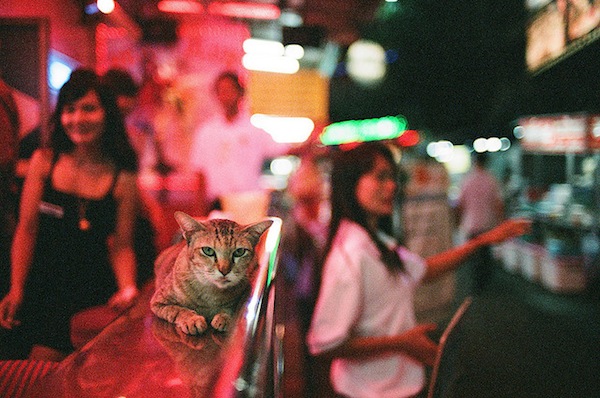
As history has it, cats enjoy extraordinary freedom and honor in Thailand. And here you can see cats literally everywhere: in store windows, on dinner tables, in temples and homes.
One of the most popular breeds in the world is the one that originated in Thailand - Siamese, because this is where the Kingdom of Siam was located.
Siamese cats are believed to have appeared here around 600 years ago, and were extremely rare and revered. The graceful, long-muzzled Siamese cats were believed to guide the souls of the dead to the afterlife, which is why most Siamese cats lived in temples.
According to legend, Siamese cats received their blue eyes from Buddha himself as a sign of loyalty for protecting monasteries.
Siamese cats were present at religious and state ceremonies, including the coronation of monarchs. Separate houses were built for them, and special food was prepared.
The tradition of feeding stray cats, who are brought food out onto the street by shopkeepers, restaurant owners, and cafeteria owners, is still alive in the country. Accustomed to this kind of treatment, cats in Thailand are not afraid of people.
Nowadays, Siamese is the name given to cats not only of the traditional color-point color, but also of other colors: solid, tabby, tortoiseshellThese cats are distinguished by their graceful bodies on long legs, elongated muzzles, and large ears. They are collectively known as "Oriental." Orientals don't necessarily have blue eyes. They are the most talkative of cats, with a loud, demanding voice. Their behavior is somewhat reminiscent of dogs: they are known to fetch slippers or toys for their owners, just like dogs.
Besides the Siamese, Thailand is home to another indigenous breed: the Korat. This short-haired cat, gray-blue in color and with a heart-shaped head, is named after the city where it was first discovered.
Russia
In Rus', cats have lived alongside humans since time immemorial and were part of their everyday life. The first cats were brought to Russia in the 11th century, and cat remains dating back to the 5th to 7th centuries have been found in what is now Ukraine. Cats were considered a luxury item in ancient Rus', were expensive and highly prized.
"Unlike in Europe, where cats were outlawed, in Russia cats were even allowed into churches, as they were considered 'clean' animals. Traditionally, dogs in Rus' belonged in the yard, and cats in the house. Merchants even competed to see whose cat was the fattest."
And in Kustoidev's paintings, alongside curvaceous ladies, you can see cats to match.
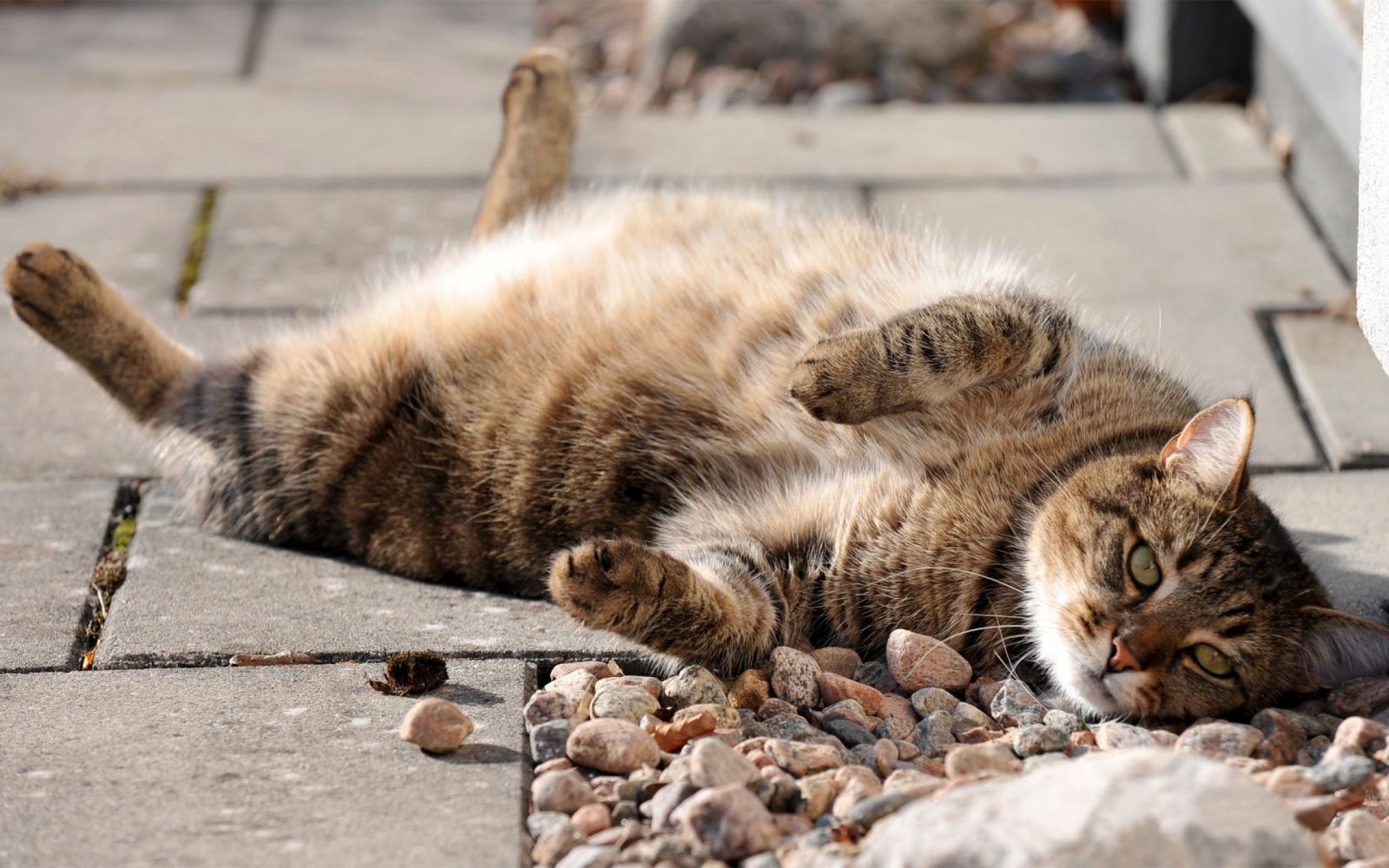
Besides the imported cats, Russia also had an indigenous breed. This, of course, Siberian catThe only breed that was bred solely by nature. This is why Siberians are extremely hardy and healthy cats, and they are also one of the largest cat breeds. Nature has created a wide variety of colors for the Siberian cat, endowing them with luxurious manes and a luscious coat that requires virtually no grooming. If kept indoors, this cat will spend most of the day sleeping soundly, its powerful paws spread out with tufts of fur between its toes. A Siberian living a more free-spirited lifestyle in the countryside will actively hunt, not only mice and rats, but also larger game, including ferrets.
Siberian cats have only recently been recognized as a distinct breed, but have already earned the interest of breeders and lovers of these magnificent, characterful cats all over the world.


Add a comment