
Coronavirus gastroenteritis in cats
Gastroenteritis is a hemorrhagic inflammation of the gastrointestinal tract. In animals, it can develop for various reasons, the most common of which is infection with the intestinal virus FCoV, a member of the Coronaviridae family. The Latin name for the disease is Feline Infectious Peritonitis (FIP). Coronavirus gastroenteritis in cats is quite common. This is due to the virus's high virulence (infectivity), as well as the fact that dogs, pigs, and wild cats can be carriers of the infection.
Content
Routes of infection
The FCoV coronavirus enters a cat's body orally or nasally if a particle of an infected animal's feces enters its mouth or nose. The virus can remain viable in the environment for up to seven days, and in the host animal's body, it can remain dormant for up to a year until it finds favorable conditions for reproduction.
The disease is most often diagnosed in cats under two years of age, as well as in individuals older than 10-12 years. Cats kept in large groups are at greatest risk:
- inhabitants of nurseries;
- cat shelters;
- yard cats;
- free-ranging domestic cats.
Domestic cats with little contact with other cats account for less than 10% of all coronavirus gastroenteritis cases, according to statistics. The risk of transmitting the infection to a domestic cat that doesn't leave the house or apartment is low, but it does exist. Coronavirus gastroenteritis in cats, like many other infectious diseases, is transmitted without personal contact with an infected animal. For those with a weakened immune system, sniffing or licking shoe soles, which can carry the virus into the home, is sufficient.
Important! A cat with coronavirus gastroenteritis cannot infect a kitten through the placenta during fetal development. However, after birth, it is recommended to isolate the kittens from their sick mother.
Symptoms
The severity of symptoms depends largely on the animal's immune system and the number of viral particles injected into the body. There are three different severity levels of coronavirus infection in cats:
- AsymptomaticIt most often occurs in adult animals with strong immune systems. The disease can only be detected through testing. It's important to understand that asymptomatic cats can also spread the virus.
- EasyThe disease has clear symptoms, but with timely treatment, the cat's body responds well to therapy.
- HeavyIt progresses rapidly, with high fever and acute symptoms. The inflammatory process progresses to peritonitis, with fluid accumulation in the abdominal and chest cavities. The recovery rate for this form is low.
Once the FCoV virus enters a cat's body, it "nests" in the intestinal mucosa. Under favorable conditions (a weakened immune system, stress, or poor nutrition), the pathogen begins to rapidly multiply, causing inflammation of the intestinal mucosa and then the stomach. The secretory and motor functions of the gastrointestinal tract are impaired, and gastric and intestinal catarrh develops.
Signs of gastroenteritis in cats are usually quite pronounced and difficult to miss:
- diarrhea;
- vomit;
- poor appetite;
- blood and mucus in the stool;
- in severe cases - high temperature.
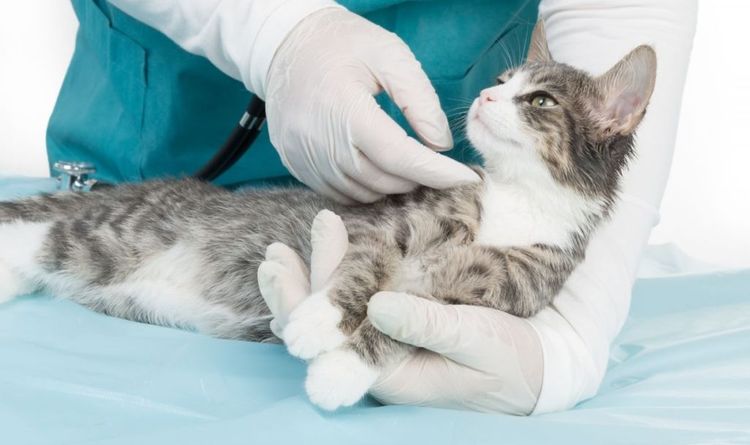
The animal becomes apathetic, stops grooming itself, and its gaze becomes dull. When attempting to drink water or eat anything, it begins to vomit.
Caution! Cat owners often mistake the above symptoms for a common intestinal disorder and attempt to treat their pet themselves. This is unwise: coronavirus gastroenteritis can have serious consequences. If left untreated, the relatively harmless FCoV virus can mutate into the highly virulent FIPV strain, which causes peritonitis, often leading to death.
Diagnostics
If your cat has symptoms of gastroenteritis, to determine the cause of its development
A simple history and physical examination are not enough. A series of laboratory and imaging tests are required. Blood and stool samples are taken from the animal, and the results can reveal problems with other organs that may be causing gastrointestinal dysfunction. Bacteriological and virological analysis of vomit and gastric lavage may also be required.
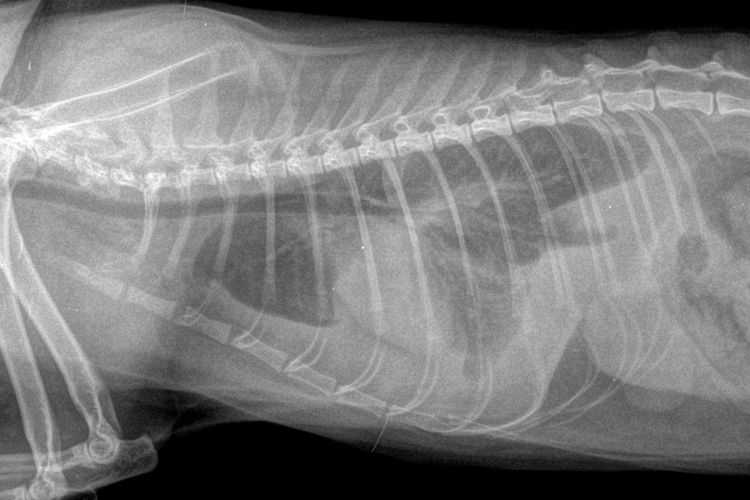
One informative diagnostic method is ultrasound, which can detect dynamic intestinal obstruction, foreign objects in the gastrointestinal tract, and changes in the structure of the gastrointestinal tract walls. In some cases, to enhance the accuracy of this examination, the cat is given an abdominal X-ray.
Treatment
Treatment for coronavirus gastroenteritis in cats is aimed at inhibiting the activity of the infectious agent, relieving symptoms of inflammation of the gastric and intestinal mucosa, and restoring the animal's vitality.
The following drugs are used to combat the FCoV virus:
- Glycopin - an immunomodulatory agent that activates the production of phagocyte cells;
- Globcan-5 is a polyvalent immunoglobulin containing antibodies to viruses;
- Likopid - destroys pathogenic and viral microorganisms in the body;
- Roncoleukin - immunostimulant, increases cellular and humoral immunity.
Most cats respond well to supportive care. Treatment for coronavirus gastroenteritis includes antidiarrheal medications, gastroprotectors that protect the gastrointestinal mucosa, antiemetics, anti-inflammatory medications, and antispasmodics.
For coronavirus gastroenteritis, it is recommended to place your cat on a one- or two-day fast, followed by a few days of semi-liquid, easily digestible food. Ensure your cat drinks at least 50 ml of water per 1 kg of body weight per day. If your pet refuses to drink, you can try administering water through the cheek using a syringe without a needle. If dehydration occurs, your veterinarian may prescribe intravenous infusions of isotonic sodium chloride and glucose solution.
In the vast majority of cases of coronavirus gastroenteritis in cats, the prognosis for recovery is good if the diagnosis is made promptly and treatment is started at an early stage.
If a cat has a strong immune system and no underlying illnesses, the elimination process—the body's ability to destroy the infectious agent on its own—is possible. In such cases, the animal recovers fairly quickly without any therapeutic measures. However, completely eliminating the coronavirus from the body is virtually impossible, and the cat will remain a carrier of the virus.
Is a sick cat dangerous to others?
Coronavirus gastroenteritis is an infectious disease, so the sick animal must be isolated from other cats in the house!
We've already figured out how coronavirus gastroenteritis is transmitted in cats, and you know that you can protect other cats:
- isolation of the animal for the entire treatment period;
- using separate bowls and toilets;
- thorough cleaning of the premises with disinfectants;
- washing hands after any contact.
However, if a disease is detected in one of the pets, all cats kept in the house must be tested for the disease.
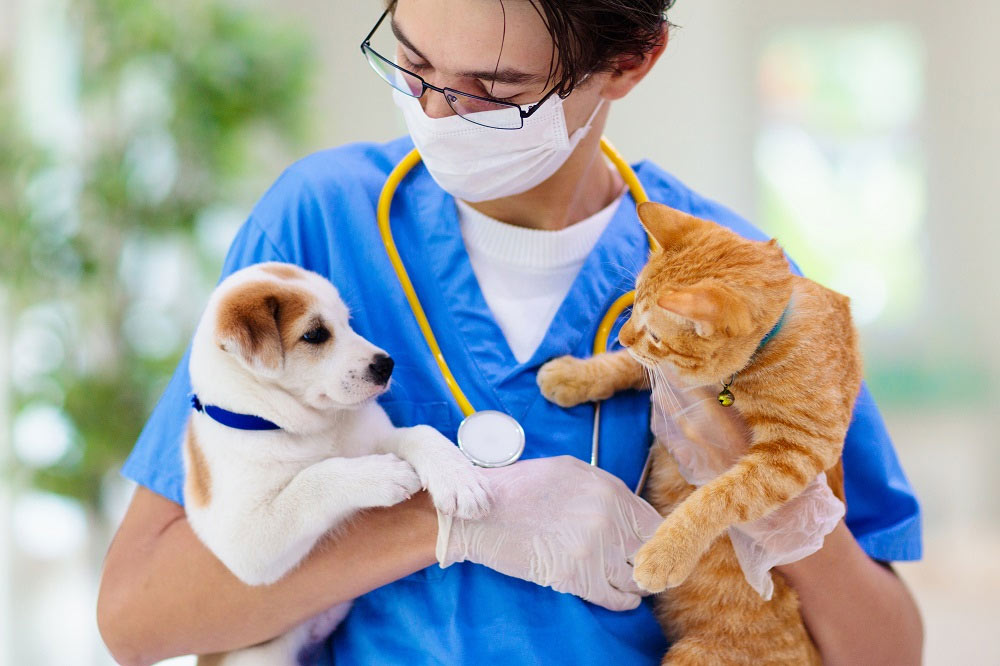
What if you have more than just cats in your home? Many owners wonder whether coronavirus gastroenteritis in cats is dangerous to humans and whether the disease can be transmitted to dogs.
Important! Human, feline, and canine coronaviruses are completely different. Despite the similarity in name, they have significant differences.
Cats are infected with two types of the virus: FECV (causes common enteritis) and FIPV (causes a severe form with high mortality). Other coronaviruses are dangerous for dogs: RCoV (respiratory) and CCV (causes enteritis). However, feline coronaviruses do not cause clinical symptoms in dogs, and vice versa. They are also safe for humans, so adults and children are not susceptible. won't get infected caring for a sick cat, but can transmit viral particles to other animals if disinfection rules are not followed.
Prevention
To prevent the development of coronavirus gastroenteritis in cats, veterinarians recommend:
- Try to ensure that your pet has less contact with strangers, especially street cats.
- Wash your hands after contact with other people's animals.
- When mating an animal, make sure that the partner chosen for it is healthy.
- The cat's food and water bowl should be located away from the litter box.
- It is advisable to use clumping, low-dust mixtures as filler.
There is no vaccine that can guarantee 100% protection against coronavirus in cats. Veterinarians believe that the intranasal vaccine Primucell, produced by the American pharmaceutical company Pfizer, works well. It is made from a weakened strain of FCoV and FIPV and induces the production of a limited amount of antibodies against the coronavirus in cats.
Read also:
- Enteritis in cats: symptoms and treatment
- Massage for cats and kittens during constipation
- Blood in a cat's stool: causes and treatment


Add a comment