
Coronavirus in cats
Feline coronavirus infection is an acute viral disease that spreads rapidly among animals, especially when large numbers of pets are kept in the same space, such as in catteries. The main symptoms of the infection are leukopenia and diarrhea. Feline coronavirus has not yet been adequately studied, making it a subject of great interest to scientists.
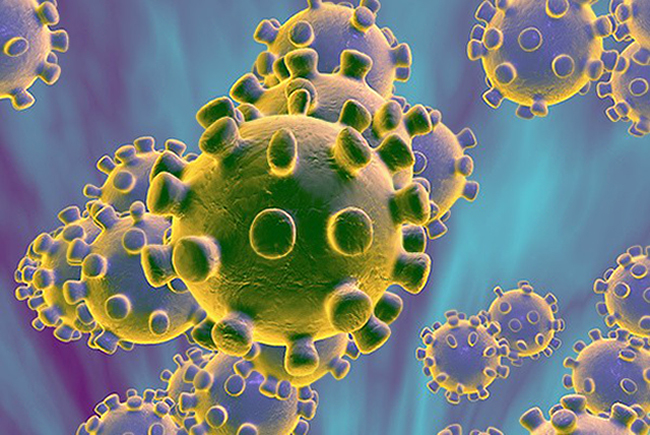
The virus's name derives from its shape, which resembles a crown or ring. The disease's characteristics make it particularly challenging for veterinary medicine:
-
There is no universal treatment regimen that can completely cure an animal.
-
There is no fully effective vaccine for producing lasting immunity.
-
It is not scientifically explained why the virus is able to mutate from a nearly harmless strain into a highly pathogenic one.
Today, knowledge about feline coronavirus includes symptoms, supportive care, and prevention methods, including vaccination, although complete control of the disease is not yet achieved.
Content
Nature of the disease (strain)
The feline coronavirus pathogen is an RNA virus with a complex structure. Furthermore, the virus is very similar to the pathogen that causes infectious peritonitis. The disease is most severe in kittens aged 6-12 weeks, while adult animals may only survive the disease with enteritis, remaining a long-term carrier of the virus. It's worth noting that this disease is one of the most common in catteries (40-85% of pets are either already sick or have recovered from the disease and remain carriers of the coronavirus).
The primary source of infection is sick animals (as well as those that have already recovered from the disease), which shed the pathogen through feces and vomit. Transmission factors include objects that come into contact with the coronavirus infection (rugs, dishes, toys, combs, etc.). Stray cats act as a "reservoir" for the virus, and can therefore spread it wherever they defecate. Pet owners can also bring the virus into the house on their shoes. This can also lead to infection of a completely indoor cat that never goes outside.
The mortality rate for this disease is low (no more than 5%), but you shouldn't rely on luck; it's better to seek veterinary help in a timely manner to avoid complications.
There are 2 strains of the virus:
- Feline enteric coronaviruses (FCoV), which cause enteritis;
- highly pathogenic - feline infectious peritonitis virus (FIPV).
The intestinal form of coronavirus is easily and almost safely transmitted by cats. In four out of five cases, this is the form that infects pets. The disease typically attacks the cells lining the cat's small intestine and causes diarrhea. The dangerous consequences are that the cat can become a carrier of the disease, which means she is doomed to live alone.
The viruses are very similar in their antigen composition. The second strain is a modified form of the first. The virus mutates and worsens in the host animal's body due to stressful situations. Infectious peritonitis is accompanied by an extremely severe condition and is usually fatal. The virus attacks white blood cells (macrophages), destroying them, leading to further infection of tissues and organ systems.
Although both diseases are caused by the same pathogen, they manifest themselves in completely different ways, and there are fundamental differences between them. For example, a cat infected with enteric coronavirus may never experience an acute form of the disease; and the feces of an animal with infectious peritonitis usually do not contain the dangerous virus.
Therefore, coronavirus detected in a domestic cat is not a reason to assume further infection with infectious peritonitis: it can develop in no more than 10% of cases.
Susceptibility of cats to coronavirus
Coronavirus infection most often affects young cats under two years of age or adults over 11-12 years of age. Newborn kittens often become infected from their mothers. Coronavirus is especially dangerous for kittens, with mortality rates reaching almost 90% of cases, regardless of the strain that causes the infection.
Infectious peritonitis develops from coronavirus in growing kittens and cats living in poor conditions with weakened immune systems and exposed to stress. Some scientists suggest a hereditary predisposition to this dangerous disease.
There are individuals immune to the virus. They are likely genetically protected from viral replication.
The incidence of the disease mainly depends on factors such as:
- pet's age;
- physical and mental health;
- immune activity:
- Antibodies produced in a timely manner can quickly attack, weaken, or destroy viral cells—the cat will easily cope with the disease, or it will not manifest itself at all;
- in an animal with a weak immune system, the virus mutates into a highly pathogenic strain and, having spread from the intestines, infects the entire body;
- the degree of infectiousness of the strain;
- the amount of virus that has infected the body;
- genetic predisposition to infection.
Routes of infection
How is coronavirus transmitted in cats? Feline infectious peritonitis (FIP) is transmitted from one animal to another primarily through feces. Saliva transmission is considered a rare mode of infection. Airborne transmission has not been confirmed. FIPV replicates and resides in blood cells, not intestinal cells, and therefore cannot be excreted in feces or saliva. Infectious peritonitis (IP) results from infection with FIP, which then mutates into a form that infects blood cells. FIP, not FIPV, is transmitted from one cat to another through feces.
A short video about how coronavirus is transmitted:
Is coronavirus transmitted to humans and animals?
Feline coronavirus infection is harmless to humans and other pets. Only cats that come into contact with a carrier or sick animal can become infected. Pet owners need not worry: they are not at risk of contracting the virus.
Coronavirus persistence in the environment
The coronavirus is exceptionally unstable in the external environment. Animal viruses become inactive outside the host body within 24 hours. They can be killed by heating and disinfectants. The virus remains stable at low temperatures and low pH. It is also resistant to phenols.
The virus dislikes dry surfaces and is destroyed by increased ambient temperatures. To prevent infection, regularly clean bowls and disinfect litter boxes, and prevent your cat from interacting with infected animals and taking them outside.
Symptoms and signs
Symptoms and signs of coronavirus in cats:
- a sharp deterioration in appetite, the appearance of vomiting, often accompanied by lethargy and drowsiness;
- bowel movements not caused by external factors: change in food, poisoning, etc.;
- diarrhea with blood and/or mucus, lasting from 2 to 4 days;
- fluctuating temperature: the animal sometimes gets feverish when it rises, and sometimes chills when it falls;
- damage to the nervous system:
- impaired coordination of movements;
- panic behavior;
- attempts to hide from the light by huddling in a dark corner;
- keratitis, growth of blood vessels in the eye;
- CNS damage;
- redness of the gums;
- progressive abdominal distension, often indicating the development of infectious peritonitis;
- decreased cellular immunity, causing the development of bacterial and fungal diseases;
- Blood biochemistry shows values within normal limits, and a general analysis shows an increase in ESR and, sometimes, lymphocytes and a low a:g ratio, indicating a decrease in cellular immunity;
- emergence ascites — the abdomen increases sharply against the background of the animal’s weight loss due to fluid entering the peritoneum.
Symptoms of the disease can appear either individually or in combination. Even if just one or two of them appear, testing is required. It's important to know that coronavirus infection is more easily and quickly treated in the early stages.
Incubation period
The latent, or incubation, period sometimes lasts longer than 2-3 weeks. Almost 75% of cats show no symptoms. If coronavirus is suspected, quarantine lasts at least 12 weeks. After this, testing for infection is repeated.
Treatment of coronavirus in cats
There's no long-lasting treatment for coronavirus in cats yet. Veterinarians can only suggest ways to manage its symptoms and consequences. Once the virus enters a cell, it completely destroys it, then attacks another cell. Therefore, the virus can only be destroyed along with the cell itself.
Veterinarians typically prescribe a course of immunostimulants and symptomatic treatment. A customized diet consisting primarily of nutritious foods is developed for the sick pet. Effective treatment of coronavirus in cats involves removal of ascitic fluid in the wet form of the disease, symptomatic therapy, the use of sorbents to remove toxins, and regular intensive care.
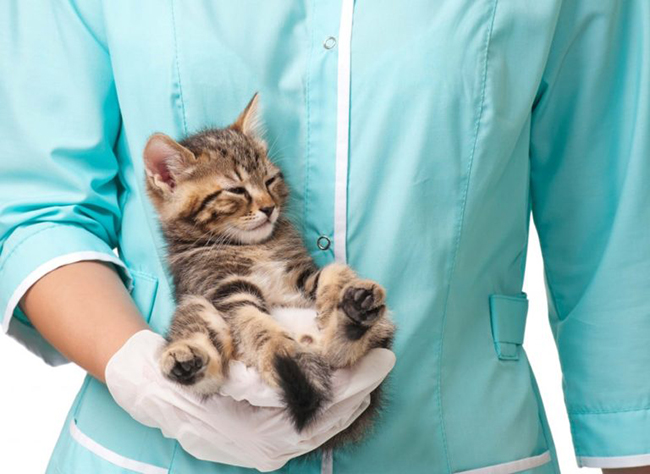
Effective drug development is underway, but in the meantime, antibiotics, corticosteroids, and adsorbents are used to relieve or alleviate clinical symptoms. To boost immunity, cats are given infusions of various herbs, such as stinging nettle and rose hips. The duration of treatment is determined by a veterinarian.
GS-441524 is a modern drug developed for the treatment of feline viral peritonitis, a complication of coronavirus infection. In 2019, the disease was recognized as curable with this drug at an American Veterinary Symposium. GS-441524 is used in many countries and is marketed under various brand names.
The treatment course lasts 84 days, and the dosage is tailored to each cat. In the presence of concomitant diseases, such as feline immunodeficiency virus or feline leukemia virus, the dosage is increased. If the animal exhibits neurological manifestations, such as tremors or seizures, the dosage is further adjusted.
The drug has several unique characteristics: its administration is painful, and ulcers sometimes develop at the injection site. The main concerns regarding the use of GS-441524 are the lack of an official license and the high cost of a course of treatment, which can reach several hundred thousand rubles. Furthermore, scientific studies on the drug have not been conducted on large numbers of animals, leading to caution among veterinarians. Many specialists may refuse to use it, and their concerns are considered justified.
Principles of combating coronavirus infection
Feline coronavirus cannot be completely cured, but it can be fought and eliminated from your pet's body in every possible way:
- Isolating cats from each other will help prevent re-infection.
- Regular disinfection of premises, cat bowls, litter boxes, and sleeping areas will protect your pet from reinfection.
- Switching the animal completely to natural food will allow the virus to be quickly eliminated, restoring intestinal function, strengthening the intestines, and restoring damaged intestinal walls thanks to the meat fibers.
- Taking immunomodulators and immunostimulants.
- Treatment of symptoms and secondary infections is carried out in a comprehensive manner: mineral and vitamin supplements, herbal preparations, as well as protectors and prebiotics are selected to protect the liver and other organs affected by the infection.
- Regular deworming and the use of sorbents during treatment will also help support the body in the fight against the virus.
The need to fight coronavirus
If a cat appears healthy but tests positive for coronavirus, it's infected. The virus will slowly but devastatingly affect the entire body. Its immune system will be severely compromised. Furthermore, the infection will negatively impact future offspring and can be transmitted to other pets.
The virus, penetrating a cell, integrates into its genetic material and subsequently modifies its metabolism. Having adapted to life, the virus mutates into more severe forms and gradually affects the entire body. The cat develops liver and kidney problems, and the body's immune system is weakened. The coronavirus can exist in various cell types, affecting both nerve cells (eyes, nerves) and lymphocytes.
The fight against infection is complicated by a number of circumstances:
- There are no drugs that kill the virus. Only the body itself can combat the infection with antibodies developed against the specific pathogen.
- The persistence of the virus and its rapid reproduction in various organs.
Analysis and testing for coronavirus infection
There is no definitive diagnostic test for identifying the coronavirus strain in cats. Testing only reveals the presence of antibodies to the virus. A positive result can only mean that the animal has been infected, but determining whether it is enteritis or peritonitis is virtually impossible.
Diagnostic methods
In laboratories, research is carried out using several methods for diagnosing CVD infection:
| IFA and IHA of blood (as well as serum or plasma) | They detect the presence of antibodies to the virus. The absence of antibodies sometimes indicates a weakened immune system, which is unable to protect the body, rather than the absence of the virus. If the pet is infected, the test will be positive, but the exact location of the virus—in the intestines or tissues—cannot be determined with this method. |
| PCR and IHC of feces | They can detect the virus in feces. A positive test will confirm the cat's infection and the need to isolate it from other cats. A negative result indicates that the cat may be carrying the virus or even shedding it occasionally. |
| Blood test for PCR (serum or plasma) | It can detect the virus's genome in a pet's body. However, this is the least accurate method, as the test results are often incorrect. |
| Coronavirus antibody titer in blood serum | This unique analysis provides information not only on the presence of the infection but also on its progression. By determining the exact antibody count, the specialist will prescribe treatment based on the severity of the infection and will be able to predict the progression of the disease. |
The simplest and most accurate methods for diagnosing infectious peritonitis are biopsy and histology of infected tissue. However, in most cases, a comprehensive set of tests may be required to establish a definitive diagnosis.
Some diagnostic tests (rapid and rapid tests) are used only in veterinary clinics to screen animals that have been in contact with infected animals, or to check for virus carriers before introducing them to uninfected animals. To fully confirm the diagnosis, repeat testing sessions are usually performed.
Antibodies to coronavirus in cats
Cats typically have a certain amount of antibodies to the coronavirus. When diagnosing FIP, it's not the presence of antibodies that is taken into account, but rather their highest concentration—the titer. Infectious peritonitis typically shows a fairly high antibody level—1280 or even higher.
It is important to remember that the virus test will reveal whether the cat has antibodies to the coronavirus, but will not determine the type of strain – enteritis or peritonitis.
A positive result will only mean that the cat's body has indeed been affected by the coronavirus, but its type will not be identified.
Prevention
To prevent coronavirus enteritis in cats, and especially its development into infectious peritonitis, it is recommended to first strengthen and maintain the cat's cellular immunity using various means and methods.
Rules for keeping cats
A cat can be truly healthy and strong if its owner follows all the rules for keeping pets:
- rational healthy nutrition;
- constant hygienic care of both the animal itself and its habitat: sleeping mat, food and drink bowls, litter tray, etc.;
- maintaining physical activity through games and walks in the fresh air;
- examination and testing for the presence of parasites, their destruction and deworming if detected;
- timely vaccination;
- checking new pets for infections;
- when keeping several cats, provide them with separate toilets;
- elimination or mitigation of stress factors (travel, relocation, change of owner, etc.).
Newborn kittens must be isolated from their mothers as they may be infected in utero.
Animals that have been in contact with infected animals should also be tested for the virus.
Vaccination
Many scientists have attempted to develop an effective and safe coronavirus vaccine for cats, but these attempts have generally been unsuccessful. A popular intranasal vaccine, Primucell (Pfizer), has gained popularity. It is based on a temperature-dependent coronavirus strain that can only replicate in the oropharynx at lower temperatures. This allows it to generate local immunity at the site of virus entry, but produces insufficient amounts of antibodies.
This vaccine is successfully used against FCoV and meets safety requirements, but its effectiveness against infectious peritonitis caused by coronavirus remains questionable. Vaccination is recommended at 16 weeks of age, but this is often unnecessary, as by this time many animals have already been exposed to the virus.
Any questions? You can ask our website's staff veterinarian in the comments below, who will answer them as quickly as possible.
Read also:
- Coronavirus gastroenteritis in cats
- Can coronavirus be transmitted from dogs and cats to humans?
- Can a cat become infected with coronavirus from a human?


36 comments
Marina
Hello! My 8-year-old cat was diagnosed with ascites and had her abdominal fluid drained. The fluid was pink. What could it be? If it's FIP, could the other two cats living with her be infected? What tests should cats living near the sick cat undergo?
Tatyana Shmonina - veterinarian
Hello! All cats must undergo a PCR/IFA test for infectious peritonitis (FIP) or a profile for several infections.
Love
Hello! We adopted a cat from a shelter. We took her to the vet, where they tested her for coronavirus, which was confirmed, and we did a stool test. We have another four-year-old cat at home. They are in different rooms, with different litter boxes and bowls, and there's been no contact. They were playing with their paws under the door. Should we vaccinate our cat, or is it too late? If so, could you tell me which one? We've had the new cat for 7 days now, and she's playing, eating, and has normal stools. Please tell me how to treat them both, as the vet's advice is categorical: should we get rid of the new cat?
Daria is a veterinarian
Hello! The cat you found may have already recovered from the disease before your visit, but still be a carrier of the virus. That's why the test showed this. Although it's not uncommon for a stool test to be positive, a blood test may be negative. Unfortunately, if your cat is indeed a carrier, then your unvaccinated pet is already infected (you didn't ensure complete isolation, including disinfecting yourself and your belongings). You come into contact with the "sick" cat, then visit your healthy cat. You carry the pathogen on your hands, clothes, slippers, or feet. If it's the coronavirus itself, a strong animal will cope. It's much worse if it's infectious peritonitis (FIP). Vaccinating if there's already been contact is pointless. This should all be done well in advance (vaccinations are given twice, 21-28 days apart, and immunity develops 14 days after the SECOND dose), meaning it will take about a month and a half from the start of vaccinations until full immunity develops.
Mila
Hello.
What is a coronavirus vaccine? If one already exists, what is it called?
Daria is a veterinarian
Hello! Vaccines exist, but there are still doubts about their effectiveness. They are effective against viral coronavirus enteritis, which has a mortality rate of about 10%. In most cases, the animal will recover on its own if its immune system is strong. However! There is also a strain of coronavirus that causes feline viral peritonitis. There is no vaccine for this nasty bug (and existing ones are ineffective), and the mortality rate is much higher, and treatment is not always effective. Therefore, there is little point in such vaccinations. Almost all cats (especially those that spend time outdoors or come into contact with stray animals) are carriers of the coronavirus infection.
Elena
Good evening! Could you please tell me? One cat had coronavirus (he was euthanized) because the doctors said treatment was useless. I tested the second cat, and his test was positive. But the blood test was more or less normal. The doctor said he could have infected the kitten and could be a carrier of the disease. If he is a carrier, does that mean he will sooner or later develop symptoms of the disease? Or can he continue to live with this diagnosis?
Daria is a veterinarian
Hello! False positive results are possible, so please be aware of this. A carrier may not get sick themselves, even with a strong immune system, but they can infect other susceptible animals. It's possible that a carrier became infected after a mild case. Symptoms may or may not appear in the future. It all depends on the cat's immune system. Improve living conditions, balance feeding, deworm and vaccinate regularly, limit their contact with other animals and outdoor walks (ideally, completely eliminate them to prevent them from infecting anyone else and "catching" anything new).
Elena
Good evening, Daria! Six months ago, we adopted two kittens. They lived with my family for two months, then moved in with my mother. I have a male and female cat. We recently decided to vaccinate the kittens. One of the kittens had a reaction to the vaccine (high fever and subsequent refusal to eat). We were treated for a week and advised to have a stool test for coronavirus. The test showed they were carriers. We also tested the other kitten and the female cat from my house, and they all came back negative. How is this possible?
Daria is a veterinarian
Hello! Well, firstly, don't forget about the incubation period of the disease. Secondly, the immune system of other animals may be stronger, therefore suppressing the pathogen (especially if the virus is low in virulence, then it's not strong enough to cause disease). And thirdly, have you ruled out the possibility of a false positive? There is such a thing as a false positive. Blood test for antibodies.
Marina
Good afternoon, help me tell me how to treat coronavirus, it has been confirmed, treatment was prescribed at the clinic but it only lasted for three weeks, again at first there was blood in the stool and now there is blood in the diarrhea, the prescription was • Trichopolum 250 mg, 1/4 tablet, 1 time per day, after meals, for 14 days;
• Sumamed (solution for preparation of suspension 5 ml-100 mg) (10 mg/kg) 2.35 ml, orally, after meals, 1 time per day for 7 days;
• Prednisolone (5 mg), ½ tablet, 1 time per day, after meals, for 14 days;
• B12 (500 mcg) 0.2 ml, subcutaneously, 1 time per day, for 10 days;
• Royal canin gastrointestinal.
As soon as we saw the blood, we took a coprogram test and were told to take Creon and Carsil for a month, but there was no improvement, only worse diarrhea with blood. We don't know where to look for a competent doctor in our city.
Dasha is a veterinarian
Hello! The treatment plan is quite good. However, there are some improvements that could be made. Prednisolone has immunosuppressive properties (but it is necessary to reduce inflammation, which is far more problematic than the virus itself), so it needs to be "neutralized" and given immunomodulators/stimulants such as Immunofan, Ribotan, and Anandin.
If there's diarrhea, fluid therapy is essential: intravenous Dufalight, saline, Heptral, and Ringer's (to restore fluid and electrolyte balance). Ideally, a blood transfusion from a healthy animal would be appropriate. Diarrhea clearly indicates hypokalemia and hypomagnesemia (if not replaced, heart problems will develop). It's also advisable to add these in solutions to the IV. Etamsylate and its analogs (like Dicynone, or Vikasol, as a last resort) are quite effective in treating bloody diarrhea. Iron supplementation is also necessary to prevent anemia.
Protozoa should be ruled out altogether; they also cause bloody diarrhea. It wouldn't hurt to rule out salmonella, for example. Did you do a repeat PCR test to assess the situation? The coronavirus should have cleared up within a month with treatment.
Elena
Good afternoon.
We have a 2.5-year-old cat (healthy), and we adopted a kitten born on the street. After a week of living together, the little one developed ringworm. We took him to the clinic and ran a series of tests, which came back positive for coronavirus. He was admitted to the hospital. The ringworm was treated, and he was given immunomodulators. He's being discharged home. What should we do? Can he be reunited with a healthy cat?
Dasha is a veterinarian
Hello! Oh, I'm so sorry to disappoint you. The problem is that after recovering from either ringworm or coronavirus, carrier states can persist for up to a year (an animal can infect other animals even while seemingly healthy). It would be a good idea to also prepare your healthy cat (for example, with immune boosters and coronavirus vaccinations), remembering the incubation period of the disease. If your cat has been vaccinated beforehand, she has a lower risk of contracting the virus. Ideally, quarantine for a month (if an adult cat is infected, the disease will make its presence felt during this period, and you'll have time to strengthen her immune system with medications during this time).
Anna
Good afternoon! My British cat is sick with coronavirus (the vet said it's at such a stage that he'll die!)
My Sphynx cat was in contact with a British cat for 1.5 months before becoming ill (they used different litter boxes), but tests show she also has coronavirus. She feels well, eats and drinks water as usual (she's been drinking for three days). The vet recommended vaccinating her. What are the cat's chances of survival? Under what circumstances can coronavirus mutate for the worse?
Dasha is a veterinarian
Hello! It all depends on the situation. If the animal is clinically healthy, administer the vaccine. If there's any illness (suspicious symptom), it's best to give serum and immunostimulants, plus antibiotics to suppress pathogenic microflora. It's not worth the risk. Sphynx cats are quite sensitive, so the sooner you begin treatment, the better. However, administering a live vaccine now is risky, as your pet already has the pathogen in their system. However, were you looking for antibodies or the virus itself? If antibodies, it's advisable to have another blood test in about two weeks to see if the antibody titer is increasing.
Tatiana
Hello! My cat started having loose stools for three or four days, then he vomited once, then had loose stools with blood. We ran blood tests and diagnosed him with infectious peritonitis (IP). The S5 control point is 1:160. The vet prescribed only Glycopin and a change to Savara. He's 3.5 years old, doesn't go outside, and doesn't interact with other cats. Could you please tell me if he needs any treatment? Will I transmit the infection to other cats if I visit someone who has whiskers?
Dasha is a veterinarian
Hello! Animals can remain carriers of the virus for up to a year (depending on their immune system) even after recovery. Transmission factors include everything the sick animal comes into contact with (care items, toys, the environment, and you are no exception). Therefore, you CAN transmit the infection to yourself. Enhance the effect with antiviral medications, immunostimulants, and antibiotics to prevent bacterial infection.
Julia
Hello, I adopted a cat from a cattery. She is currently 4.5 months old. Blood tests were done for feline pathogenic microorganisms (CPR) and showed a 1/25 coronavirus and a 9/1 feline pathogenic mycoplasma infection. How serious is this and should I be alarmed, given that there are other cats and kittens in the house?
Olemya
Good afternoon! I really need advice on what to do. My cat is 3 years old and weighs 3.4 kg. He's a Scottish Fold. He suddenly stopped eating and is lethargic. We bathed him, and he started licking himself and vomiting fur, then stopped. He was still hungry and didn't eat anything for 3 days, then developed diarrhea, orange like water without anything. We took him to the clinic, where they gave him an IV because it was night. At home, he didn't get any better, and he started having diarrhea again. After work, we took him back to the clinic, where they gave him B12 injections, glucose, sodium ascorbic acid, and chloride. We're giving him burnet. He's still not feeling any better, and we're waiting for the weekend to get tested. I'm very scared, he won't eat anything on his own, and I suspect he might have coronavirus. How can I treat it? I don't have any more money for treatment, so I can't borrow anything. What should I do?
Dasha is a veterinarian
Hello! A diagnosis needs to be made; I won't prescribe medications at random. Essentially, the clinic prescribed supportive therapy. If the animal isn't eating, give it water. Give rehydron and its analogues (available in human pharmacies) little by little (literally a teaspoon) but often (every 15 minutes). Antivirals (interferon: 1 ml on the first day, then 0.5 ml injections for 5 days), immunostimulants (ribotan, immunofan - 1 ml twice a day for up to 10 days), antibiotics to prevent bacterial overgrowth. But where is the guarantee that the cat won't get worse after such self-medication without a confirmed diagnosis? Can you inject glucose subcutaneously to "feed" the animal? In general, if you start injecting any serious medications before taking tests, you can "spoil" the picture of what's happening in the body. The blood test will no longer be as informative.
Tatiana
We relieved diarrhea with colloidal silver. It is antiviral and antimicrobial.
Although the cat died, they also didn't know what to do.
Ira
Can a cat with coronavirus breed female cats? A cat was found with a white blood cell count of 2.2. The doctor suspects coronavirus.
To knit or to castrate?
Thanks for the answer!!
Dasha is a veterinarian
Hello! Animals with infectious diseases MUST NOT be bred. Even if a cat is a carrier, it can infect another animal through contact. If a mother cat breeds her kittens, they will be born carriers. Furthermore, it's not guaranteed that the newborn kittens will survive; they may be very weak. And if it turns out you knew about the disease but bred the cat, the cat's owners could cause terrifying problems (especially if their cat is valuable and a purebred). Don't risk it; it's better to have your pet neutered and treated.
Lyudmila
Good evening.
Two years ago, in the cold autumn, I found a kitten on the street. He was sick. It seemed to me that he had a cold (his nose was stuffy, he had a runny nose, his eyes were watery, he was very emaciated), but with warmth and care, he lived out his life.
Now he is already two years old.
All this time, his immune system was weakened. This year in the spring, he asked to go outside with the cats. He had reached his age. I let him go. He disappeared for three days. He came back all grown up. He seemed to have recovered. But he became less playful, his appetite worsened. His stool started to get worse. It seemed not to be runny. It was a regular stool, but with an admixture of mucus ((
A week has come and over the weekend, the cat literally went away!!! He's suddenly thinned out, just his bones and back ribs. His belly has gotten bigger. He's not eating at all! He's only drinking water. We took him to the vet today. They did an ultrasound.
They said it was coronavirus? Ascites, nephritis, liver dystrophy (a small amount of fluid in the pleural effusion).
Appointed:
Furosimide (intramuscularly, 2 times a day for 3 days)
Inatodisect (subcutaneous application, 2 times a day for 10 days)
Cantharen and Traumatine (subcutaneous, 2 times a day for 5 days)
Catosan (subcutaneous, 1 time per day for 5 days)
Polysorb (1/4 teaspoon + 10 ml of water 3 times a day for 5 days)
Tylosin (intramuscularly, once a day for 5 days)
The cat is in terrible condition. He's lethargic, breathing heavily. He doesn't eat anything, only drinks water and that's it! He looks like a skeleton with a big belly.
He goes to the toilet on his own. He has difficulty moving around the house. But he can walk on his own for now.
Do you think there's a chance? Or is there no point in torturing my pet and should I euthanize him to stop him from suffering?
It's very painful to look at him.. I want to know for sure if there is hope.. Or is it already hopeless ((((
Dasha is a veterinarian
Hello! Only a veterinarian who has seen and examined your cat in person can assess your pet's condition and predict the course of the disease. While out and about, your cat could have contracted any number of infections. Ascites is a dangerous condition. It's important to determine the cause. Sometimes it comes back again and again, requiring fluid drainage every two days. Ask your veterinarian about the chances of recovery; they'll have seen both your cat's test results and your cat's medical history. Typically, with these symptoms, the chances are minimal, and treatment only alleviates the symptoms.
Albina
Good evening, 2 months ago my 13 year old neutered Persian fell off the table (I think). At 3 am I woke up from a scream and ran out. He was lying under the table and convulsing. There was no foam or urine for 4 or 5 minutes, I don’t know exactly. A day later I took him to the capital. There they examined him, took his temperature, everything was normal, they said, but they removed tartar. They prescribed cerebrolysin and mexidol. Vitamins B1 and B6. But the condition seemed to improve, but still, one evening his back legs were paralyzed, but a week later the convulsion recurred at night and quickly passed. We decided to go to another doctor, took a biochemistry test for urea, cholesterol, glucose slightly higher, but the doctor said that at his age this is normal, said that anemia. They dewormed him, but nothing worked. He prescribed Gamovit, dexamethasone. Everything seems to be fine, but he is lethargic, lies down, rarely walks. All this time he ate. and went to the toilet on schedule. I want to ask you if he could have coronavirus?
Dasha is a veterinarian
Hello! You've had a biochemistry panel done, and you're asking me about coronavirus... It's a viral disease, which can't be diagnosed by biochemistry alone, especially without seeing the animal. A complete blood count would have shown that the animal is in the throes of a full-blown viral illness, and vomiting or diarrhea would have been a sign, along with an abnormal temperature. You should also check your cat's kidneys and adrenal glands (usually, when they're damaged, blood urea, glucose, and cholesterol levels increase), and you could also check the thyroid (at least an ultrasound). Gamavit is essentially a water-based product—it's useless (check the ingredients; it's water and less than 1% "useful"). Dexamethasone is a hormone that quickly alleviates the condition, but after stopping it, the animal gets much worse. What are you feeding? Is the dietary protein intake within the recommended range?
Albina
Good afternoon. Unfortunately, we don't do ultrasounds here; we only did a biochemistry test, and that was in one place. Before, I fed him Felix and chicken breast. Now I'm feeding him Proplan, sometimes giving him chicken breast and liver, and getting a general blood test is a problem. I barely found the biochemistry test. He breathes through his stomach and is weak. Otherwise, he goes to the bathroom and eats normally. Thank you.
Albina
I forgot to add that the cat is licking a brick.
Lana
Hello, we bought a cat from a cattery. He seemed very active and calm, but we thought he might not have thrived in a large group of cats. On his first day in his new home, he had loose stools, slept a lot, and had diarrhea for a week. We gave him Smecta and Mezim Forte as directed by the breeder, but there was no response. We eventually brought him to the clinic, where he was tested positive for coronavirus, and we are treating him. The question is, how long can he survive if he is vomiting and diarrhea, and treatment isn't helping? We're injecting him with Sinulox Heptor, and we're also giving him Diagel with oak bark. We have two adult cats in the apartment, what should we do?
Dasha is a veterinarian
Hello! Isolate the sick cat and disinfect it regularly. If other cats are vaccinated, the risk of infection is minimal. If not, adult cats may develop the same symptoms in a couple of weeks. If the sick cat is given IV fluids, antivirals, antibiotics (to prevent secondary pathogenic microflora), antiemetics, adsorbents, antidiarrheal medications, and other symptomatic medications, there is a chance of recovery. Continue IV fluids and more IV fluids to restore the cat's fluid and electrolyte balance. It's a different matter if the breeder sold you a sick animal.
Natalia
Good afternoon, I'd like your advice. We were considering adopting a 4-month-old kitten from a shelter. We tested her and found she has coronavirus. We have a 7-year-old cat at home. We tested her for coronavirus, and the results were negative. Is it risky to adopt a kitten that has coronavirus? She got it from her mother.
Dasha is a veterinarian
Hello! The insidious thing about being a carrier is that the animal itself doesn't get sick, but it CAN infect other susceptible animals around it. Your options are to either vaccinate your cat against this disease (and wait two weeks after the booster shot) and take the kitten, or give up the little one, or take it at your own risk and hope your little one doesn't get sick.
Vitaly
Scottish cat, 2 years old, possibly has coronavirus, has not eaten, has been sick for 2 weeks, has fluid in the abdominal cavity, yellowing of the body, is weak, please what is the course of treatment.
Dasha is a veterinarian
Did the veterinarian make the diagnosis or did you do it yourself? Your pet has had ascites (fluid in the abdominal cavity) for two weeks, and you still haven't taken it to the vet? Jaundice indicates the onset of liver problems. Your pet needs immediate veterinary attention to determine the cause of these symptoms! You can't drain the fluid from the abdominal cavity at home. What if it's not transudate, but something else? What if the liver is enlarged? Treatment will only be prescribed AFTER A FINAL DIAGNOSIS. If you delay and self-medicate, your pet will die.
Add a comment